2026
PRIMO BALBETTIO, curated by Ado Brandimarte, Ascoli Piceno Art Week, Piazza San Gregorio, Ascoli.
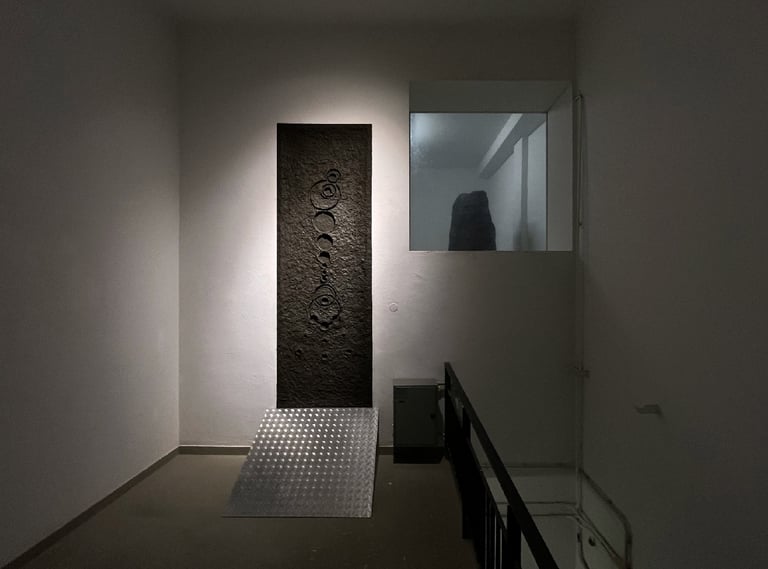
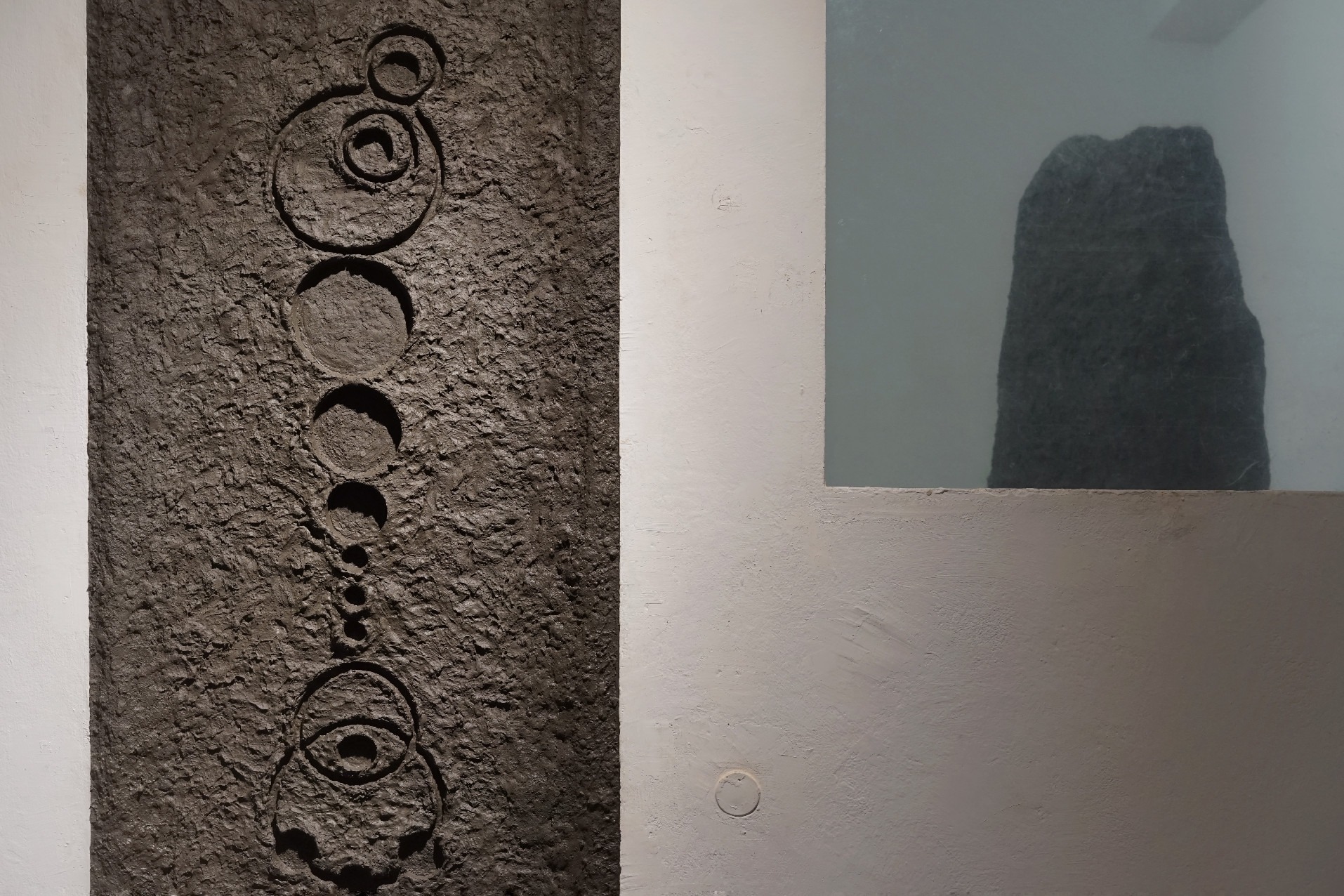
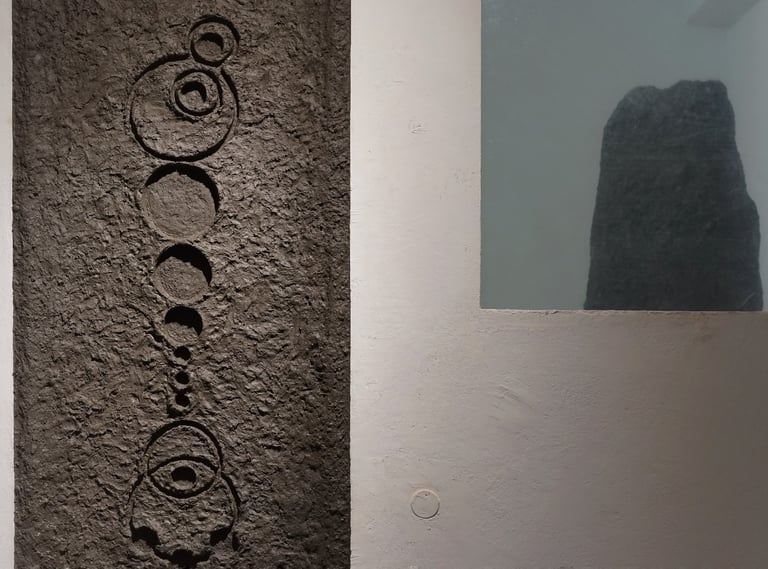
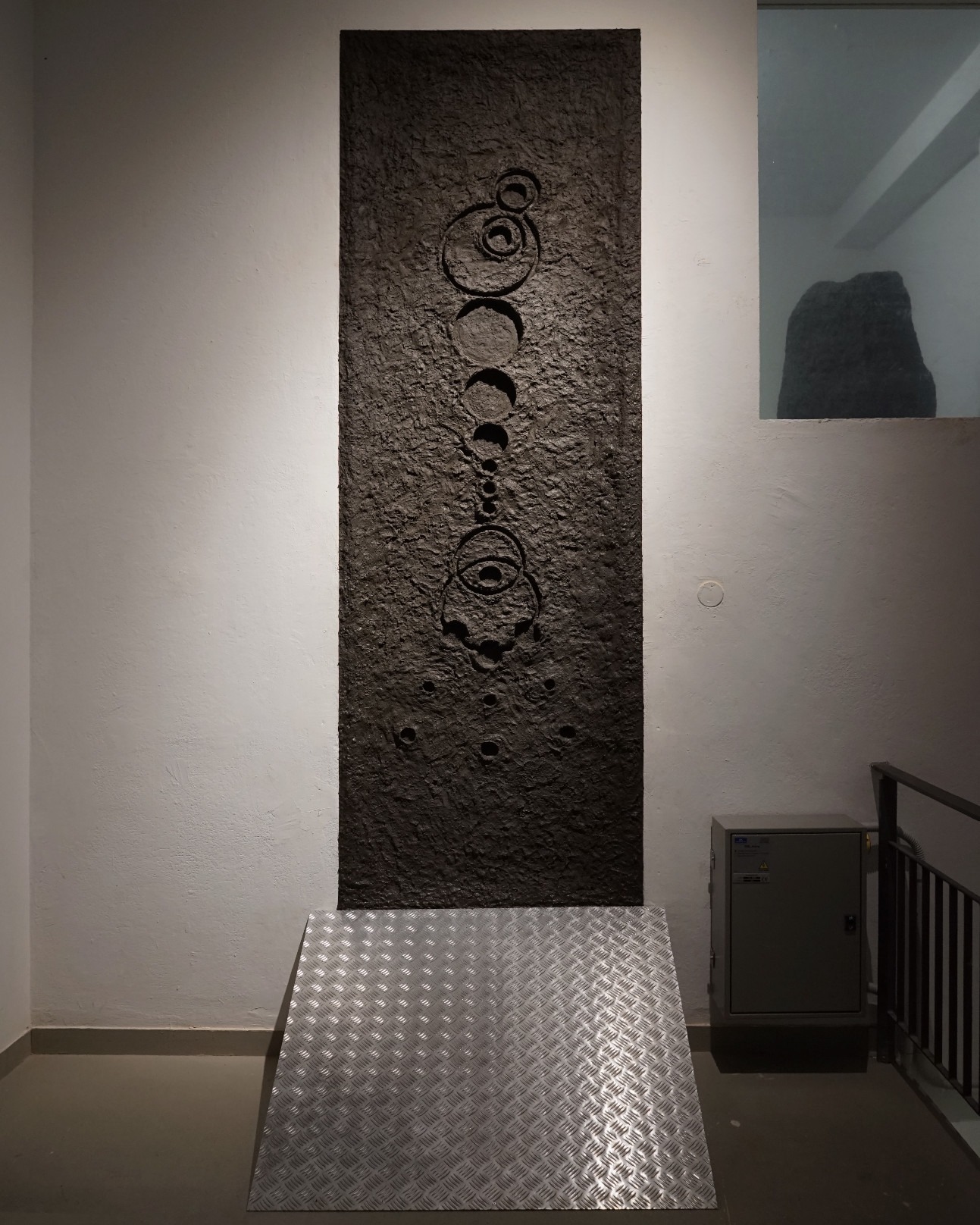
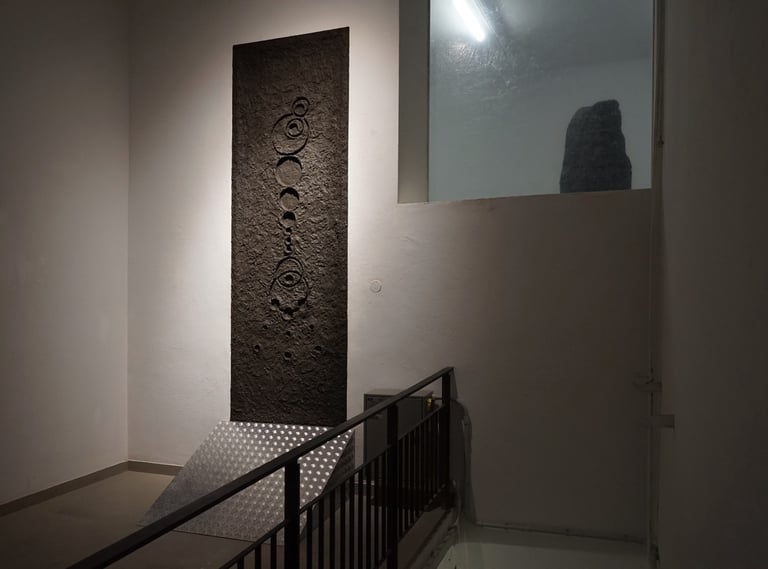
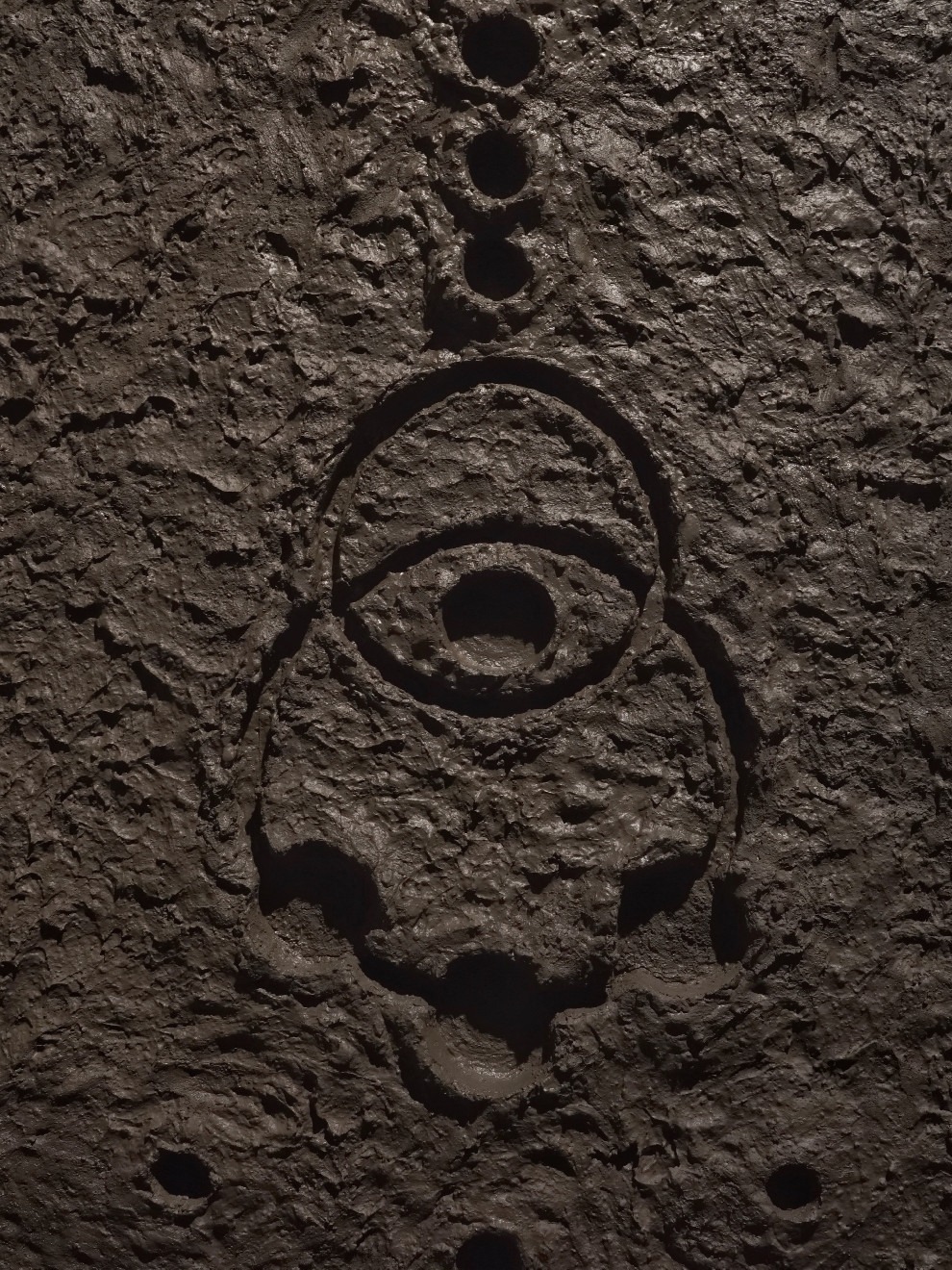
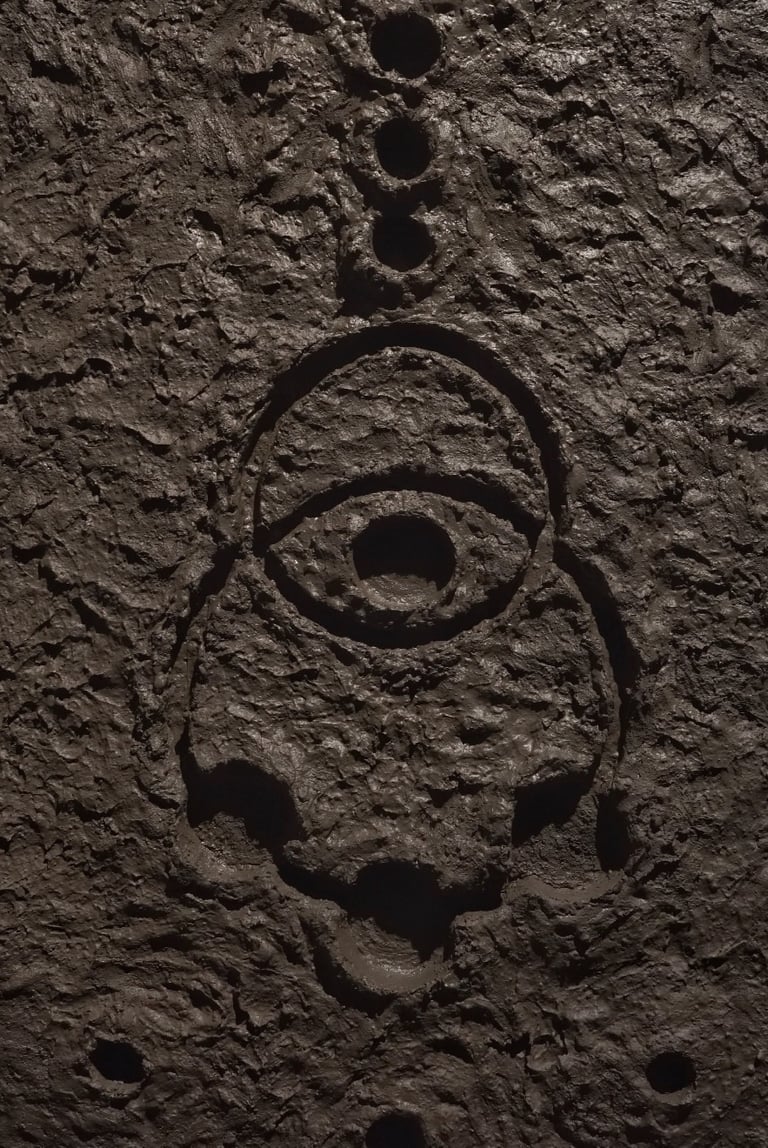
Ascoli is known as the “city of talking stones” because of the hundreds of mottos, proverbs, aphorisms and symbols carved into the portals and historic walls of its buildings. With Primo balbettio, I created a contemporary petroglyph cold-engraved onto the main façade, integrating the millennial Ascoli tradition of “talking stones” with the languages and materials of our time. Instead of using the classic local travertine, I chose plaster and concrete as the surfaces on which to intervene, creating a temporal bridge between prehistoric rock carvings and the current urban context. The concentric circles or discs carved above the entrance have, for centuries, held apotropaic significance, that is an ancestral superstitious belief in protecting the home and welcoming those who enter. These elementary marks become infinitely evocative symbols, fantastical manifestations of the repressed need for magic and superstition, of the absence in the personal and collective imagination of mystery and the absurd, and of the research to encounter the unpredictable.
.
Primo balbettio, 2026, petroglyph on plaster and concrete, environmental dimensions. Installation view at Piazza San Gregorio, Ascoli. Courtesy DACS. Photo Daniele Castelli.


Primo balbettio, 2026, petroglyph on plaster and concrete, environmental dimensions. Installation view at Piazza San Gregorio, Ascoli. Courtesy DACS. Photo Daniele Castelli.


Primo balbettio, 2026, detail, petroglyph on plaster and concrete, environmental dimensions. Courtesy DACS. Photo Daniele Castelli.
Primo balbettio, 2026, installation view and detail, petroglyph on plaster and concrete, environmental dimensions. Courtesy DACS. Photo Daniele Castelli.


Primo balbettio, 2026, detail, petroglyph on plaster and concrete, environmental dimensions. Courtesy DACS. Photo Daniele Castelli.


Primo balbettio, 2026, detail, petroglyph on plaster and concrete, environmental dimensions. Courtesy DACS. Photo Daniele Castelli.
GIURIAMO SU COSA (DISERTORI), curated by Luca Caccioni, Opentour, P420 Gallery, Bologna.
.
This work belongs to the Disertori cycle and can be summarized as a linguistic research; specifically, it investigates the deconstruction of language in order to explore its fundamentals. The elementary sign, the elemental form, and the use of soil are deeply connected to this deconstruction, understood as the stammering of language and the nullification of its performative character, of its operativity, that is, the capacity of language to become politics and of politics to become metaphor, image, commonplace, myth. The sculptures placed on the floor become walk-through structures, habitable spaces, oases of perception but not of meaning. We could talk about of silent architectures, in that they lack a fixed narrative or explanation that imposes a single, predetermined experience of the work. The archaeology of the sign that accompanies the Disertori aims, rather, to investigate the fundamentals of language, leaving open new perceptual and visionary possibilities. The eleven sculptural elements that make up the installation refer to nothing but themselves, taking the form of contradictory presence, silent and loquacious at the same time, like thresholds, passages, places of boundary, and openings toward new personal imaginaries.
Giuriamo su cosa (Disertori), 2026, soil of pulper, beeswax, variable dimensions. Installation view at P420 Gallery, Bologna. Courtesy the artist. Photo Marco Erpete and Leonardo Quaglieri.


Giuriamo su cosa (Disertori), 2026, soil of pulper, beeswax, variable dimensions. Installation view at P420 Gallery, Bologna. Courtesy the artist. Photo Marco Erpete and Leonardo Quaglieri.


Giuriamo su cosa (Disertori), 2026, detail, soil of pulper, beeswax, variable dimensions. Courtesy the artist. Photo Marco Erpete and Leonardo Quaglieri.
Giuriamo su cosa (Disertori), 2026, installation view and detail, soil of pulper, beeswax, variable dimensions. Courtesy the artist. Photo Marco Erpete and Leonardo Quaglieri.


Giuriamo su cosa (Disertori), 2026, soil of pulper, beeswax, variable dimensions. Installation view at P420 Gallery, Bologna. Courtesy the artist. Photo Marco Erpete and Leonardo Quaglieri.


Giuriamo su cosa (Disertori), 2026, detail, soil of pulper, beeswax, variable dimensions. Courtesy the artist. Photo Marco Erpete and Leonardo Quaglieri.
2025
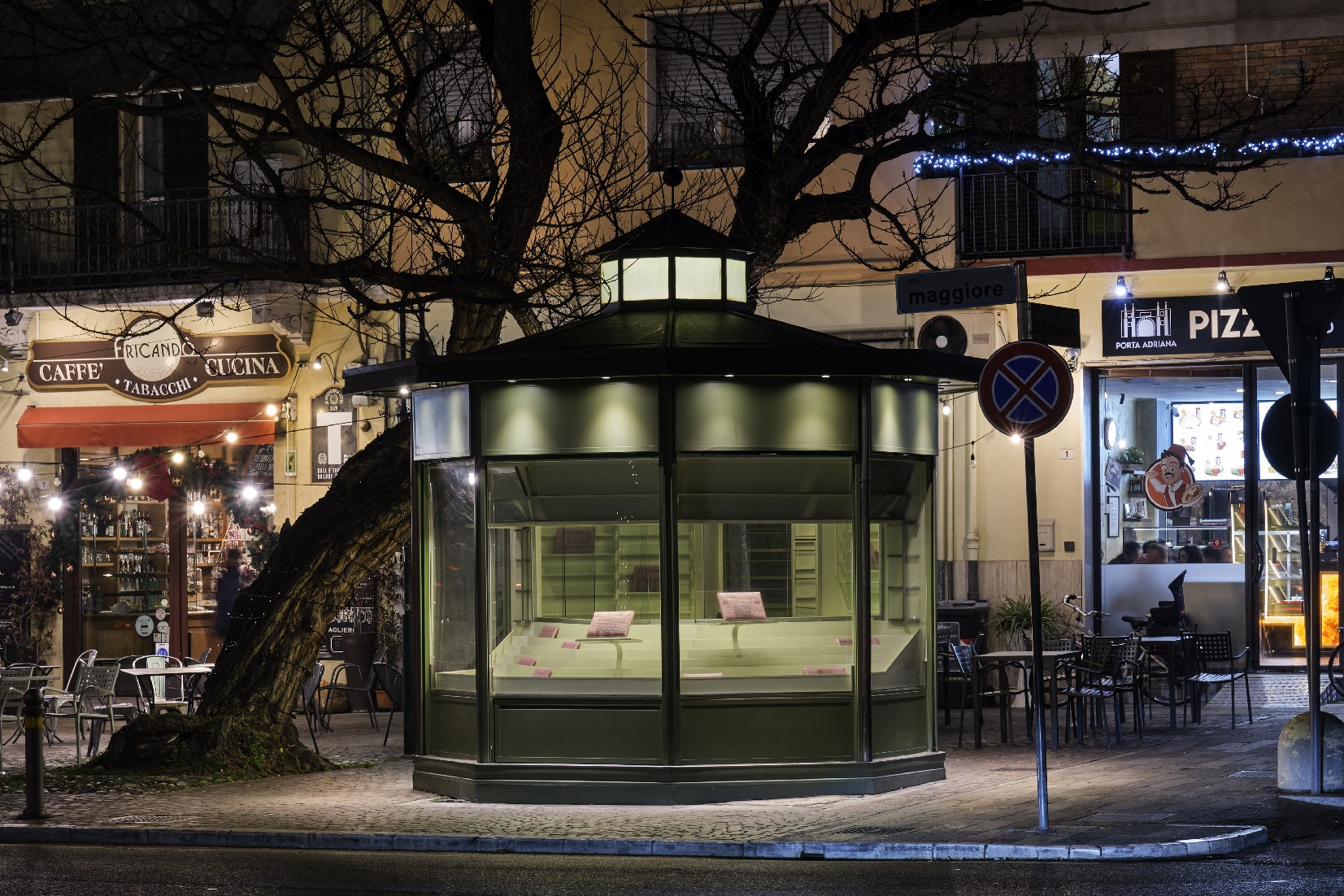
DECONSTRUCTIO ET DECODIFICATIO, curated by Pietro Marini and Giorgia Baroncelli, Biennial of Contemporary Mosaic, Edicola di Porta Adriana, Ravenna.
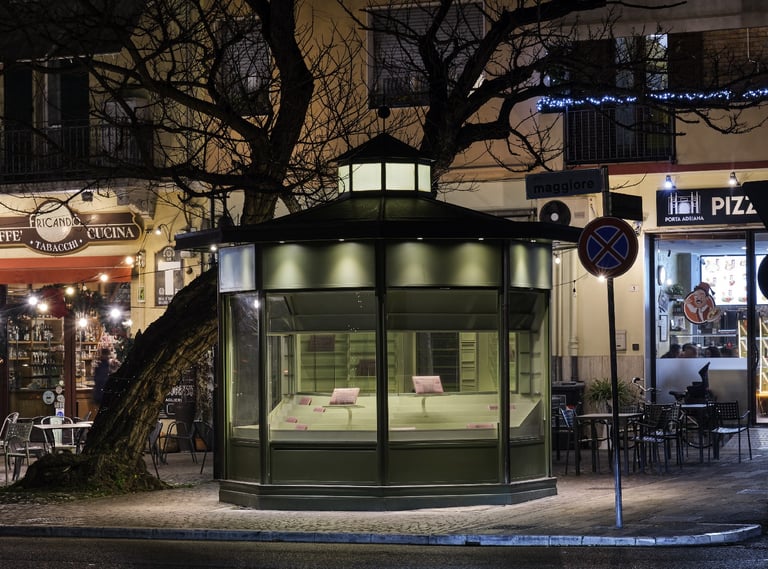
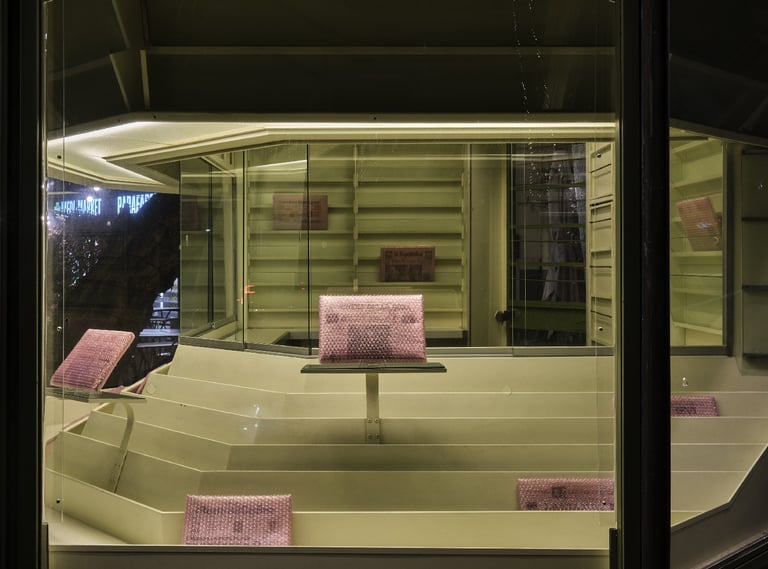
Through the use of coloured bubble wrap, the surface of the newspaper is transformed into a decorative pattern reminiscent of luxury and high fashion products, displayed for contemplation but removed from reading. What is offered to the eye is an aestheticised surface that retains light and refracts reality, but does not reveal it. In this dialectic between transparency and concealment, the installation invite to recognise our position as powerless observers, fascinated by its sparkling surface but unable to penetrate the complexity of reality: spectators of a world we can no longer decode. The newspapers, wrapped in their shiny packaging, become testimonies to a void, evidence that only records our absence. The apparent harmony conceals a profound dissonance, an irreparable rift between reality, its representation and its perception. The newsstand becomes the semantic architecture of this tension, a place where the language of consumption meets that of memory, and where the artistic gesture is transformed into an exercise in perceptual awareness.
Deconstructio et decodificatio, 2025, newspapers, bubble wrap, variable dimensions. Installation view at Edicola di Porta Adriana, Ravenna. Courtesy the artist. Photo Lorenzo Pasini.
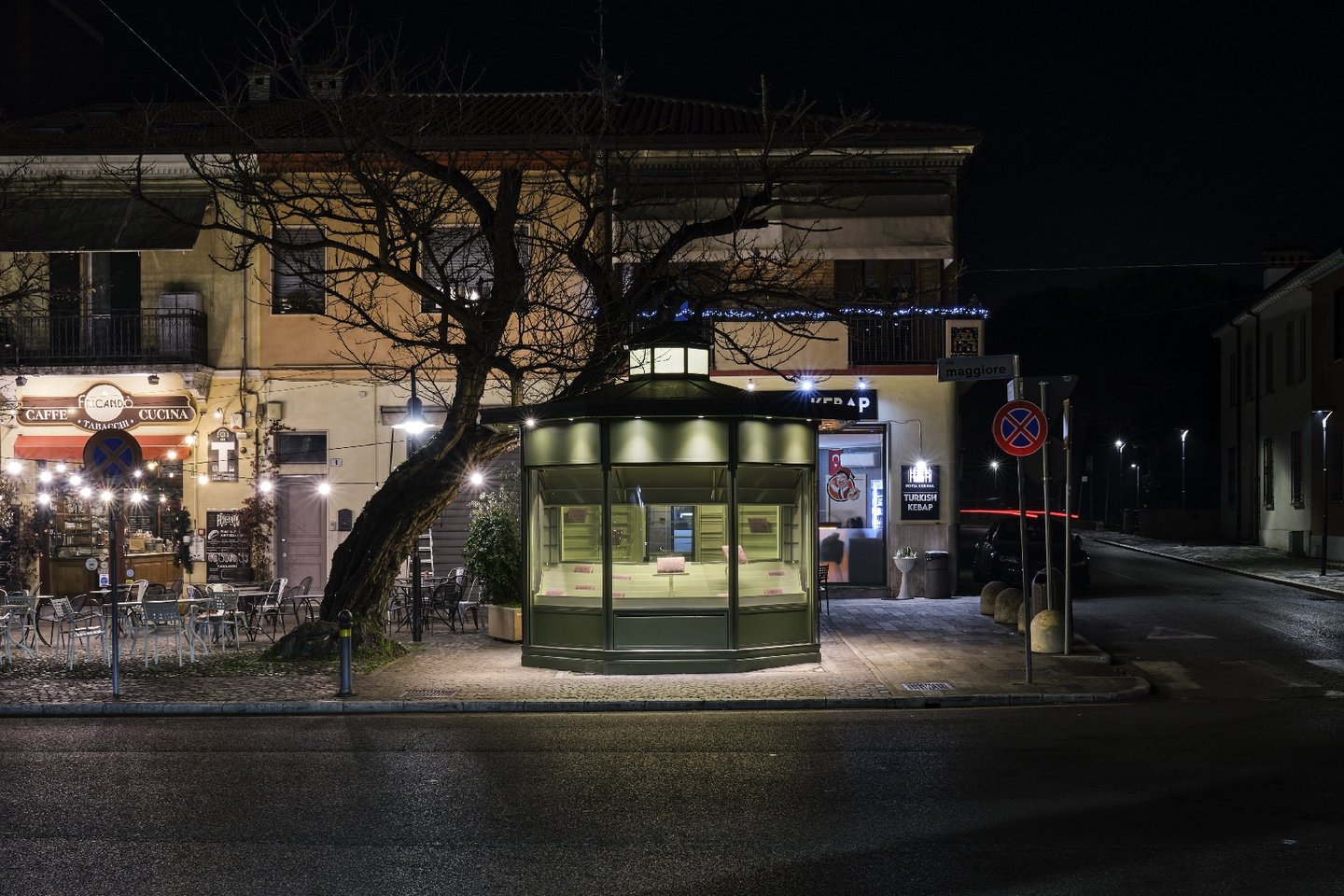
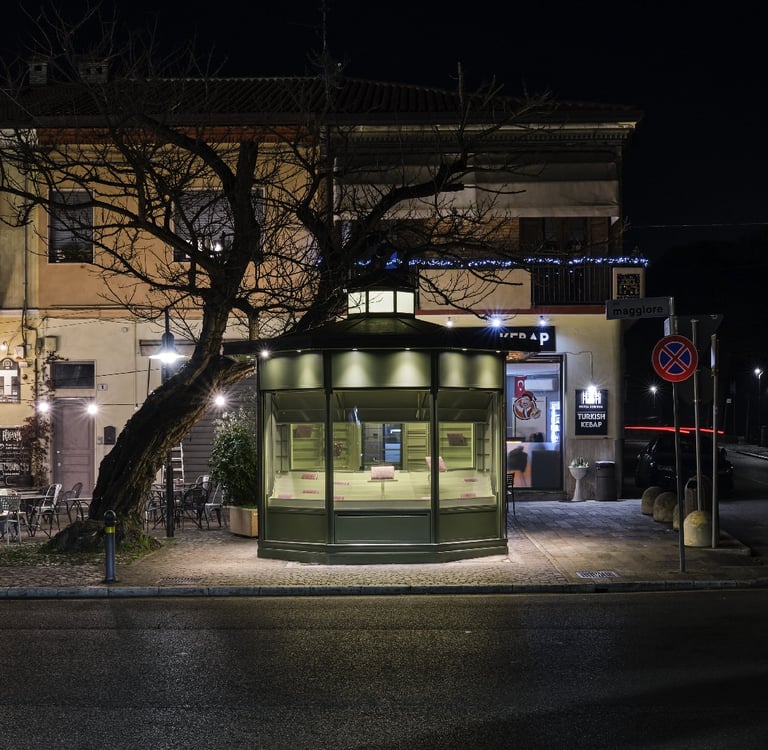
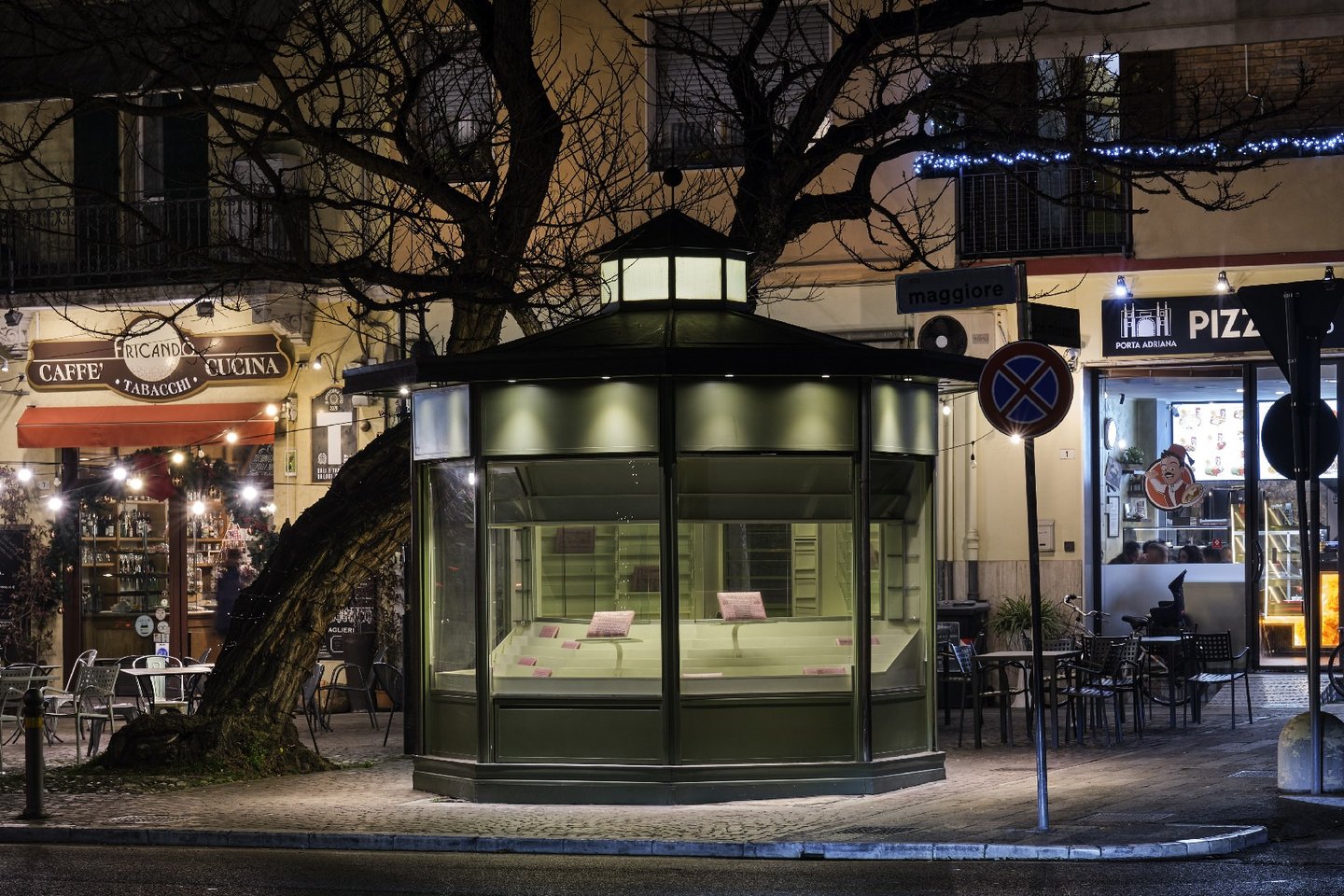
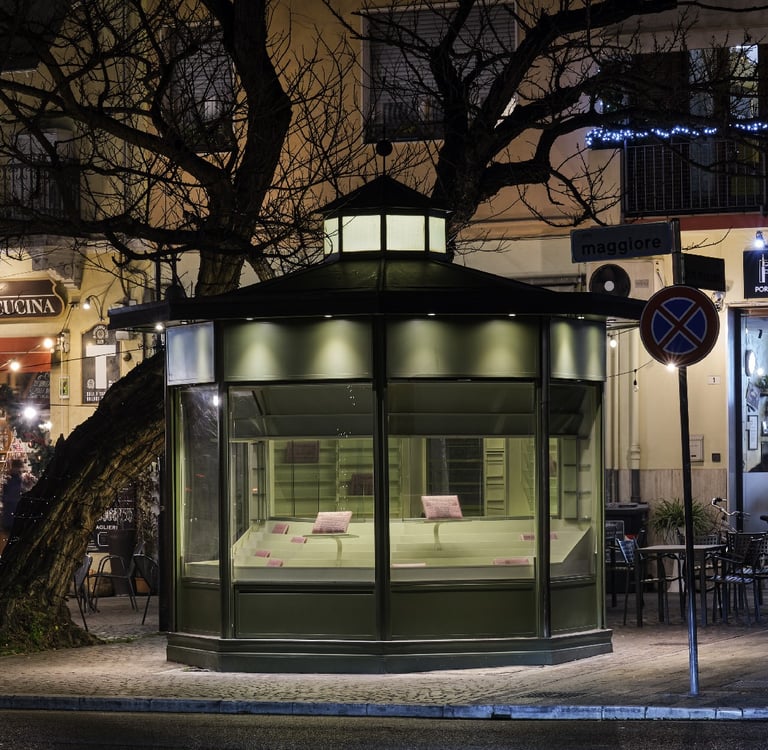
Deconstructio et decodificatio, 2025, newspapers, bubble wrap, variable dimensions. Installation view at Edicola di Porta Adriana, Ravenna. Courtesy the artist. Photo Lorenzo Pasini.
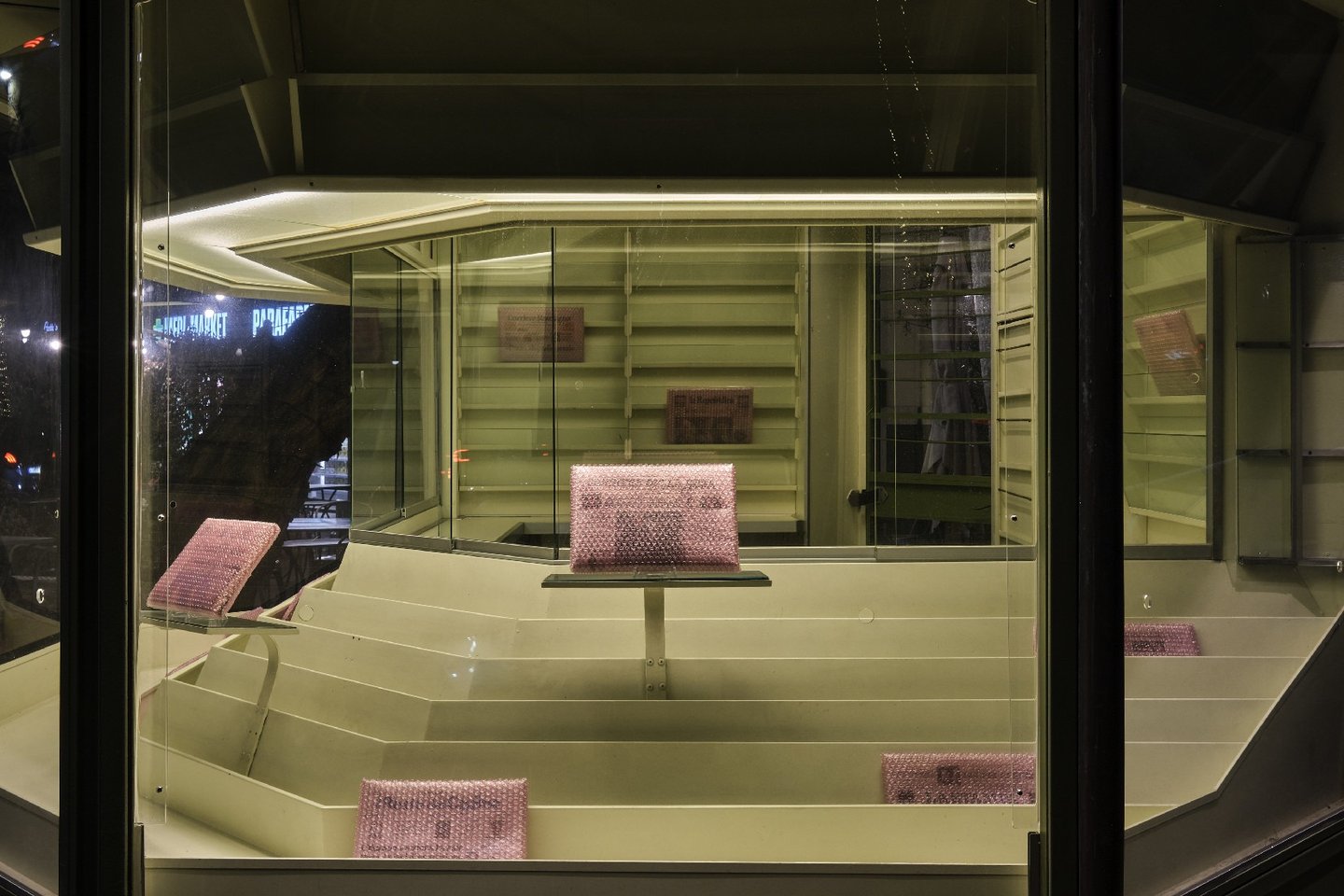
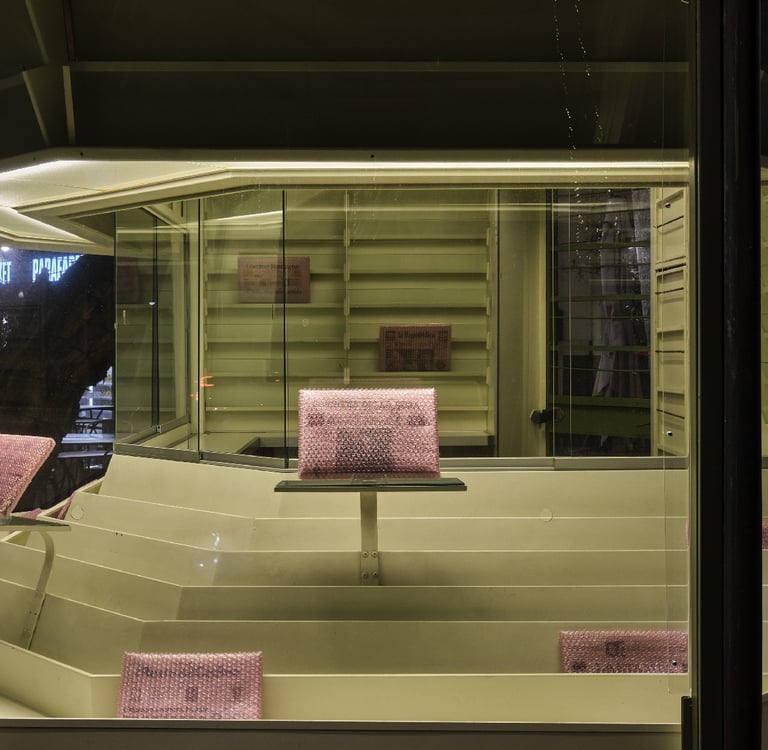
Deconstructio et decodificatio, 2025, newspapers, bubble wrap, variable dimensions. Installation view at Edicola di Porta Adriana, Ravenna. Courtesy the artist. Photo Lorenzo Pasini.
Deconstructio et decodificatio, 2025, detail and installation view, newspapers, bubble wrap, variable dimensions. Courtesy the artist. Photo Lorenzo Pasini.
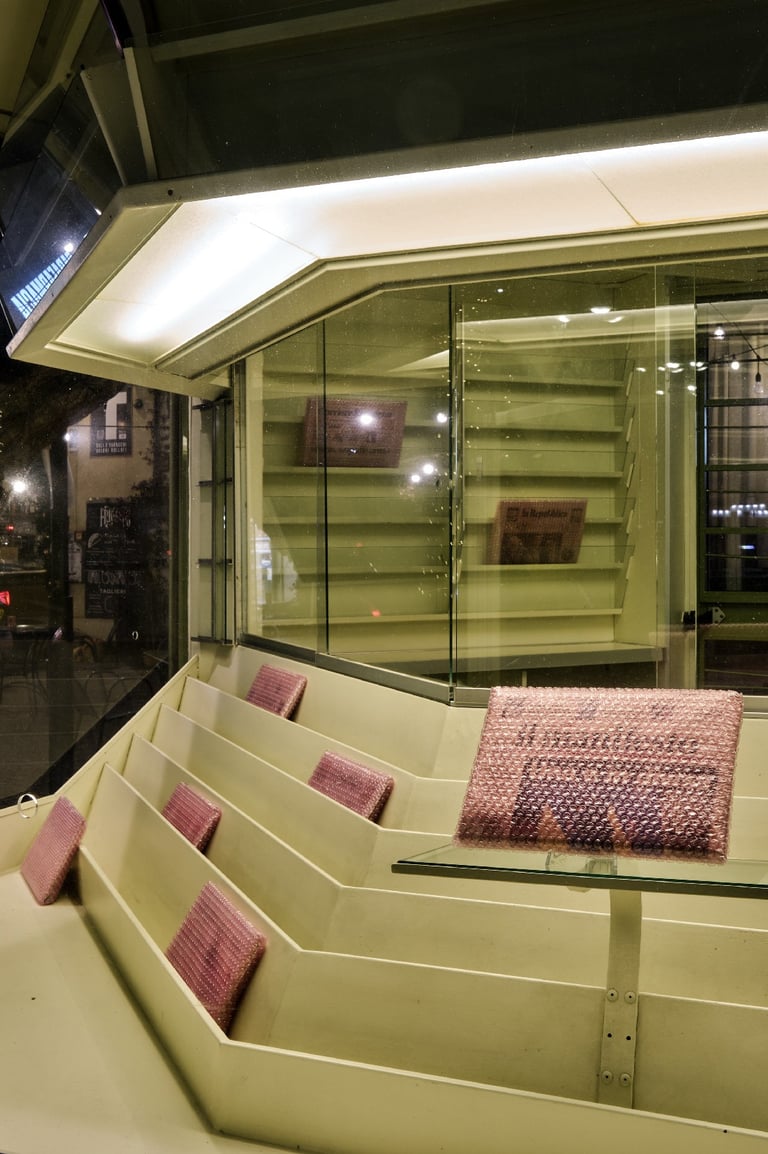
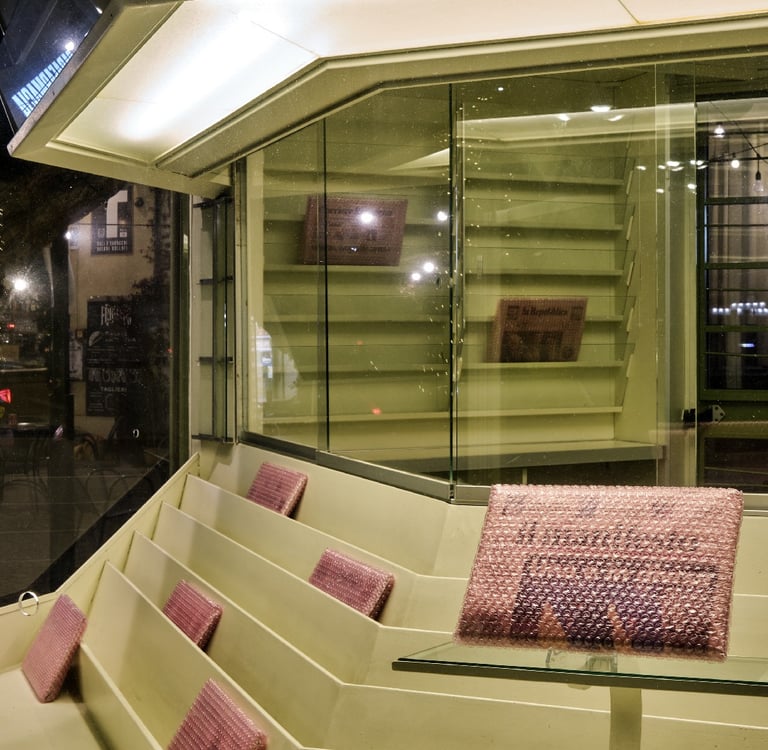
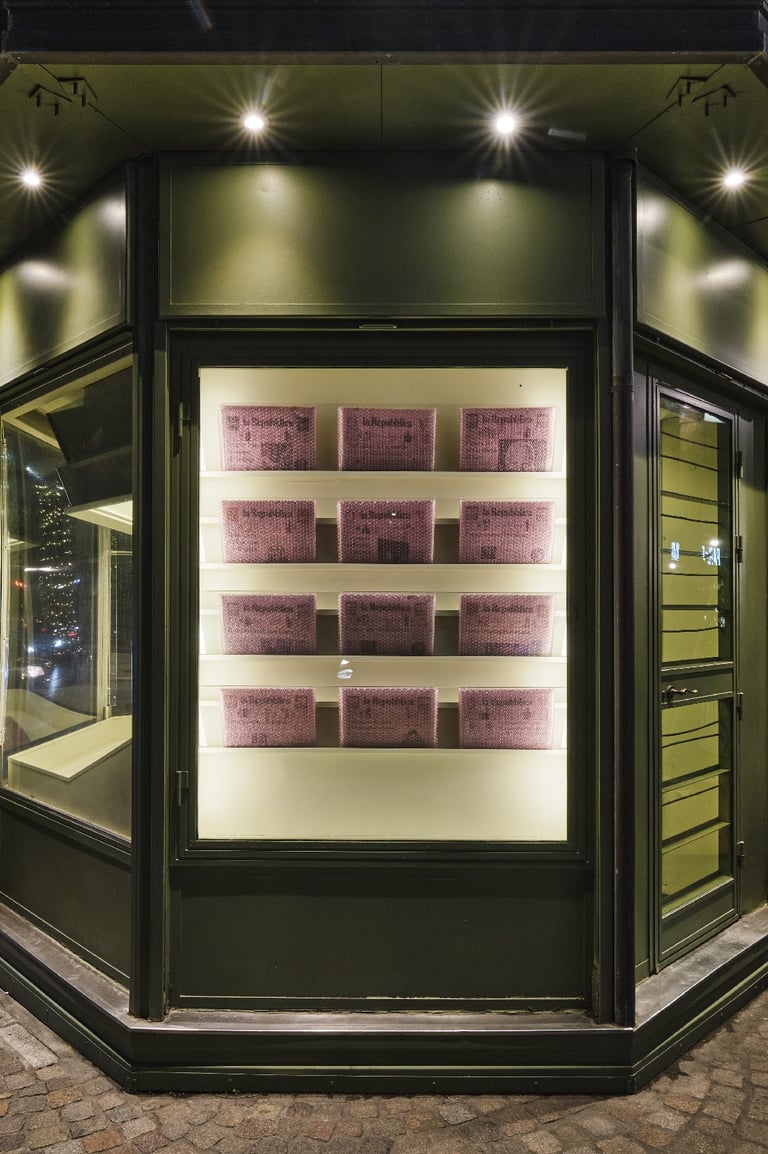
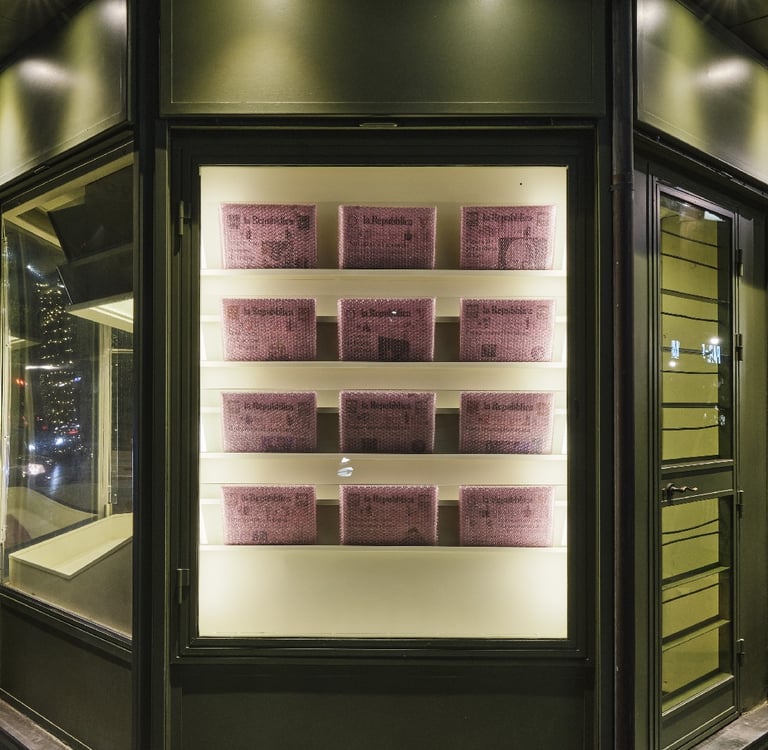
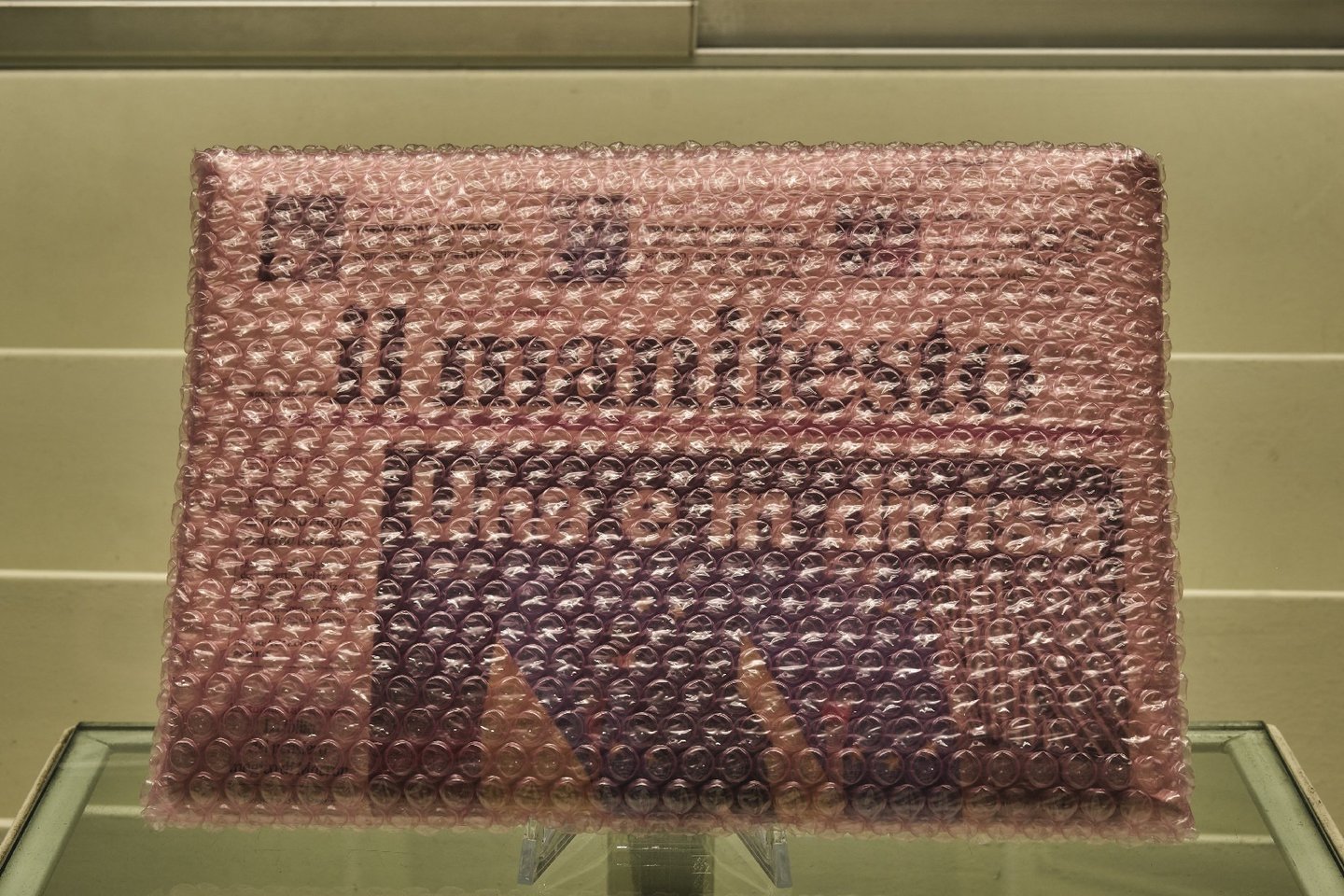
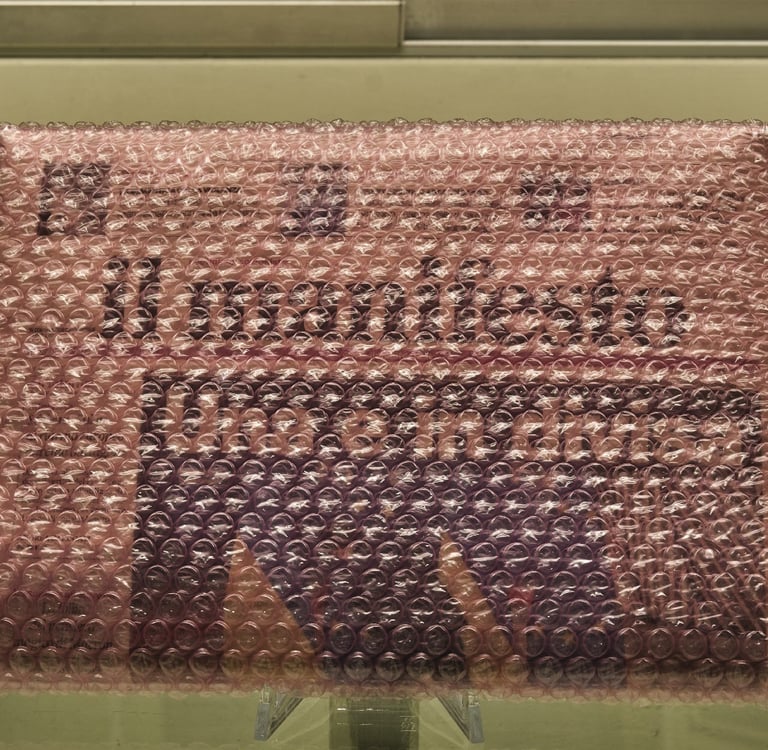
Deconstructio et decodificatio, 2025, detail, newspapers, bubble wrap, variable dimensions. Courtesy the artist. Photo Lorenzo Pasini.
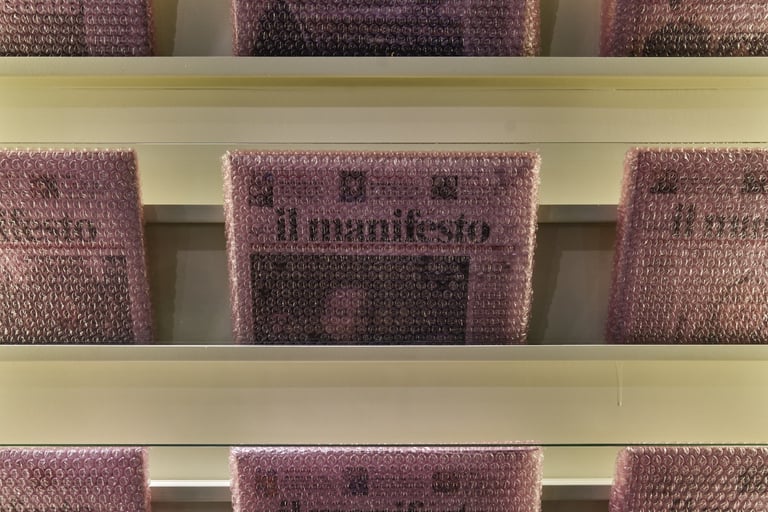
Deconstructio et decodificatio, 2025, detail, newspapers, bubble wrap, variable dimensions. Courtesy the artist. Photo Lorenzo Pasini.
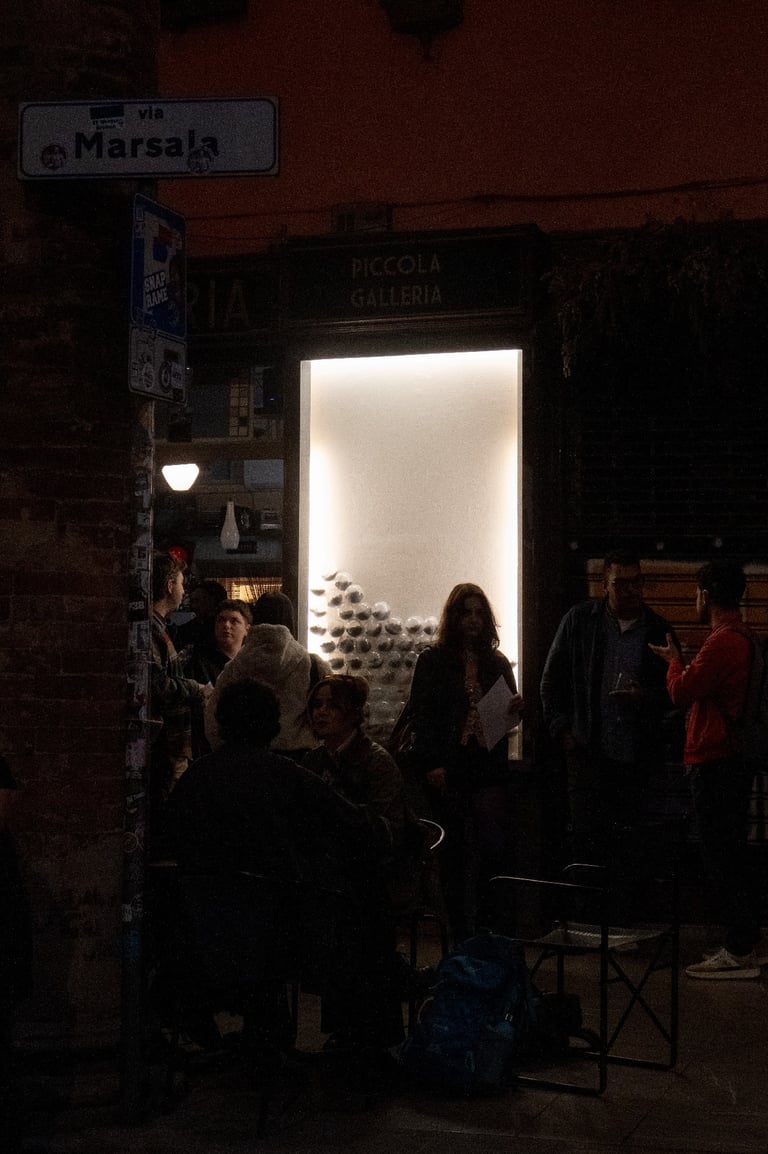
GUARDARE MA NON TOCCARE, curated by Elisa Zanta, Piccola Galleria, Bologna.
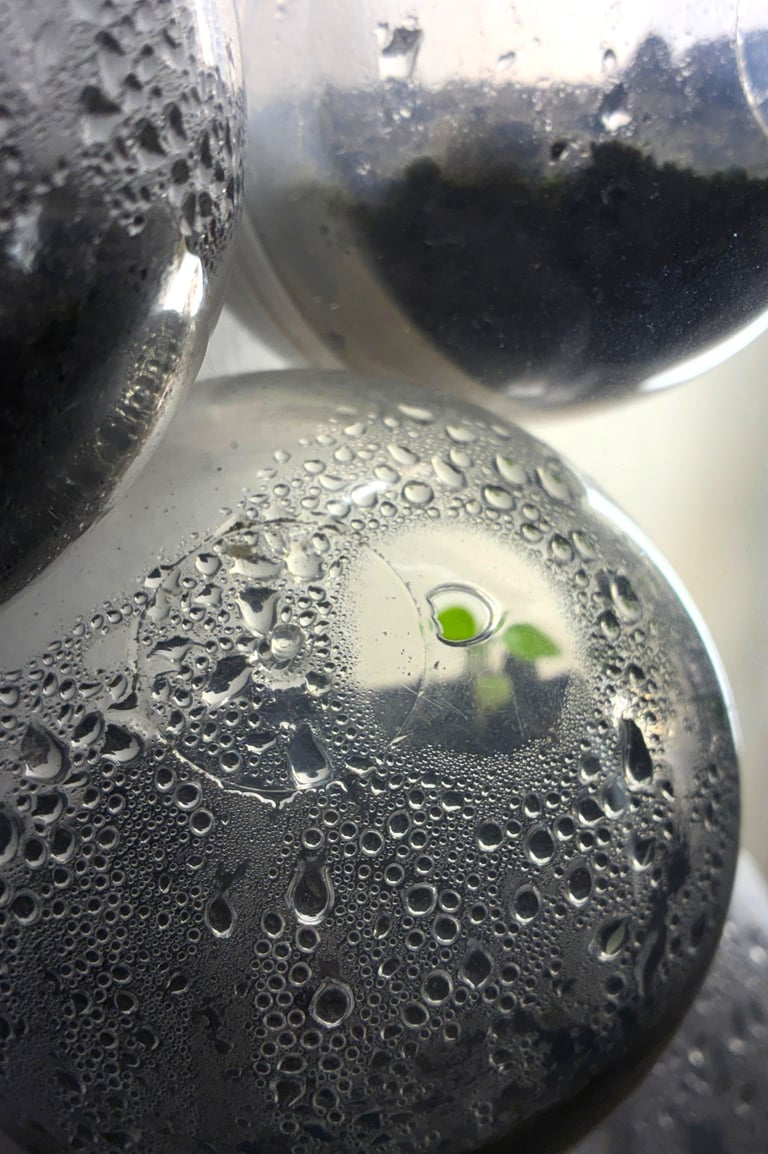
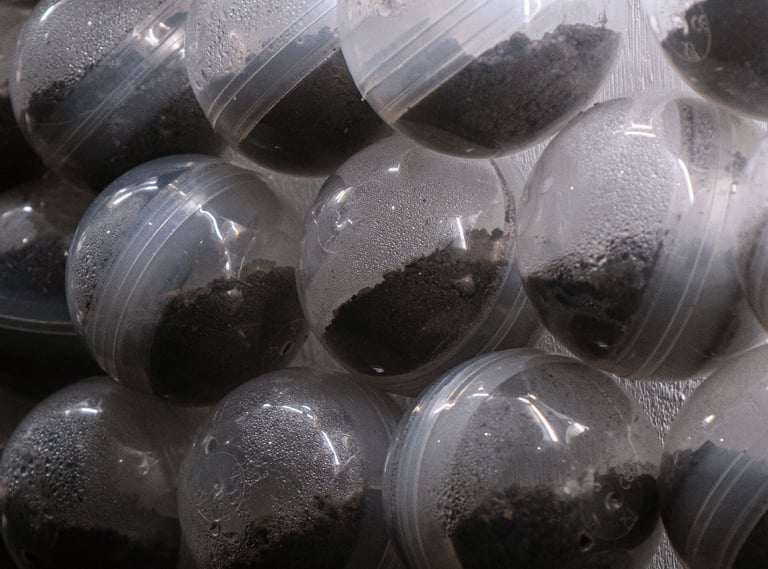
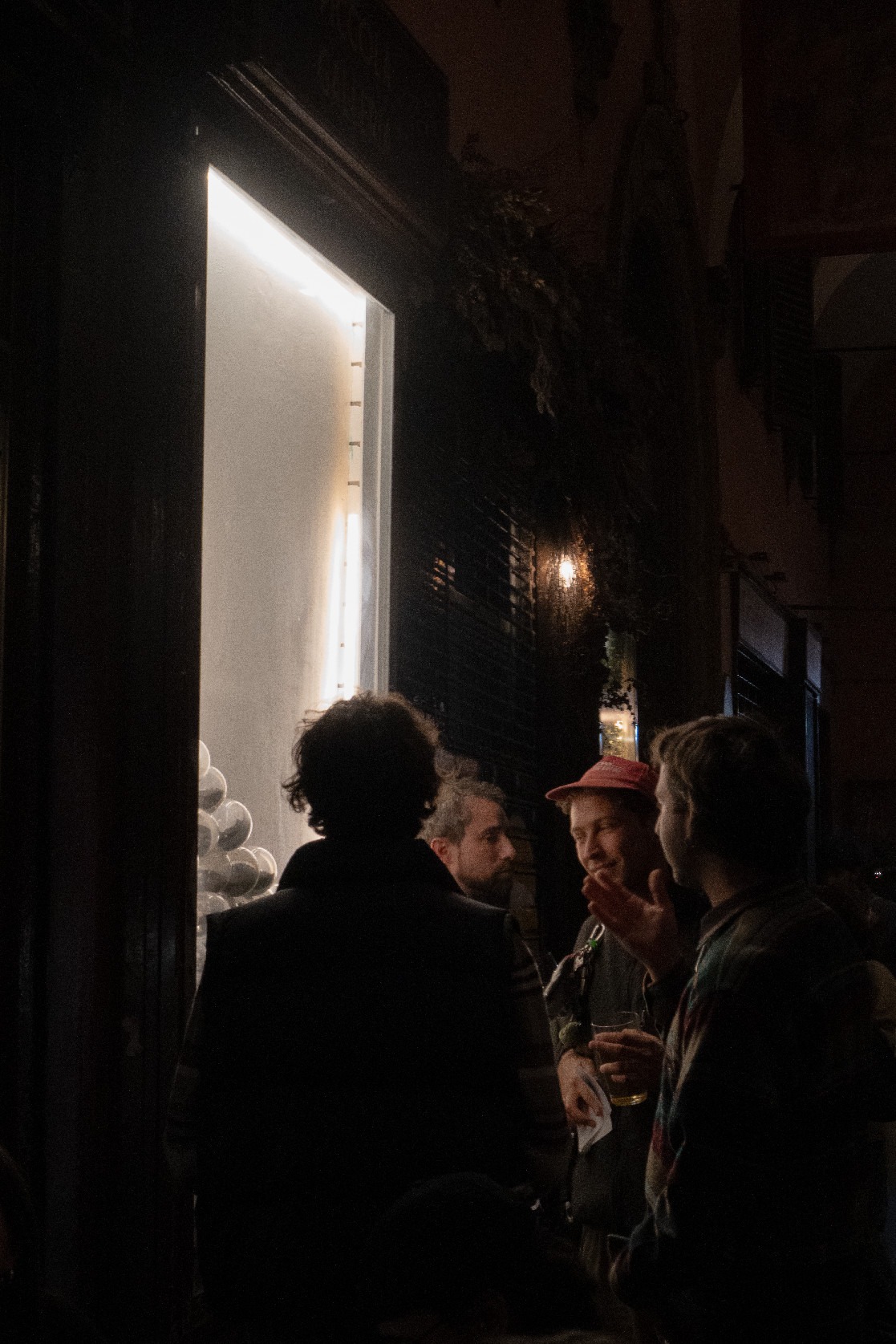
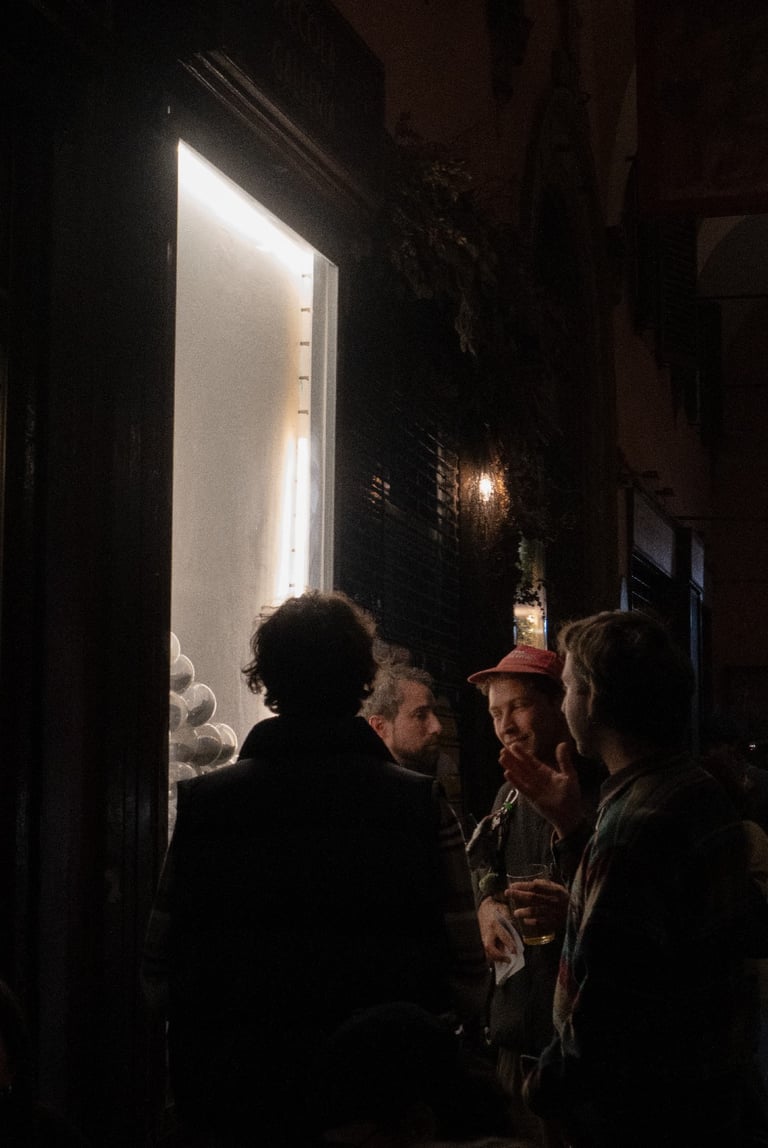
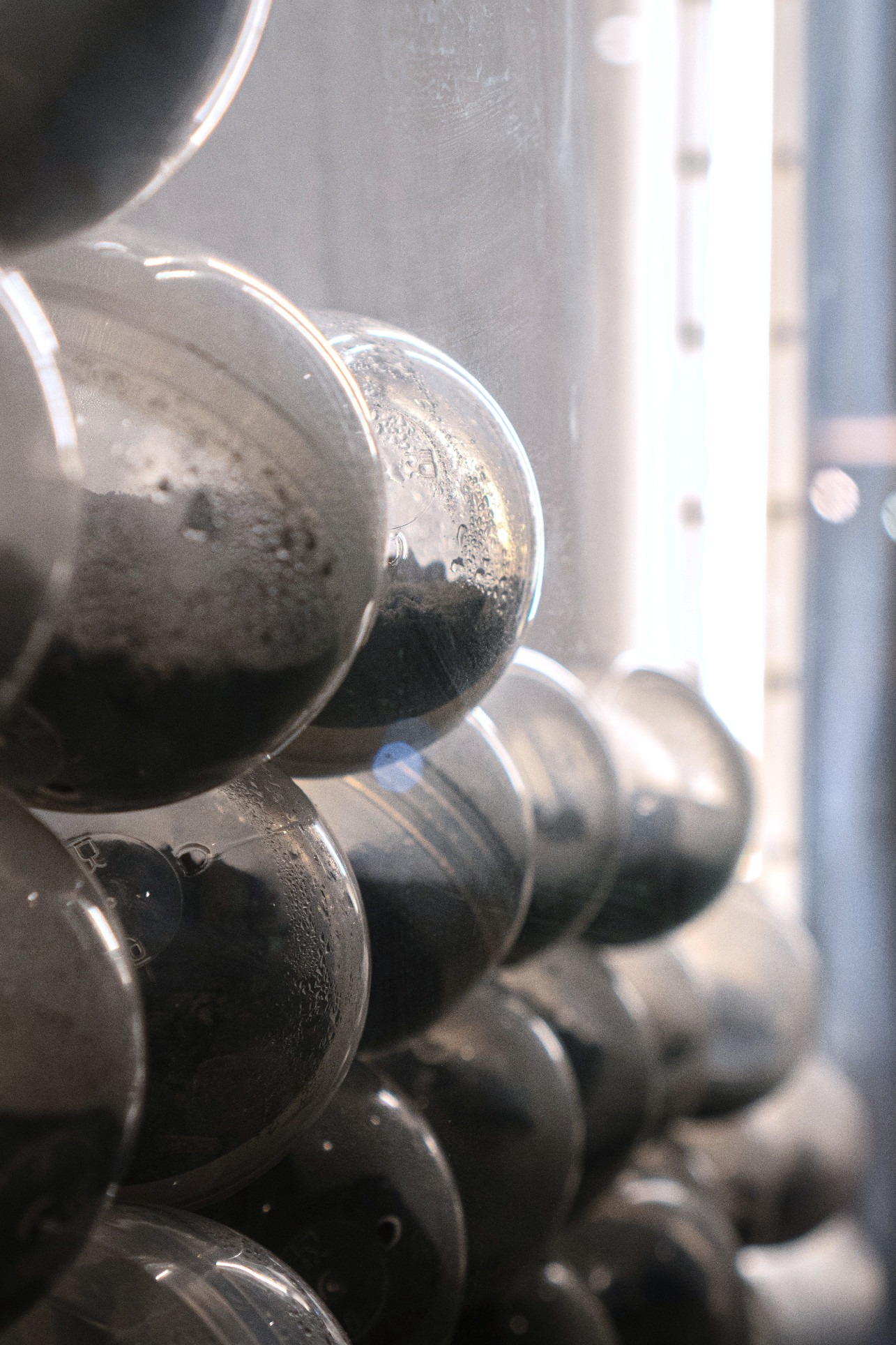
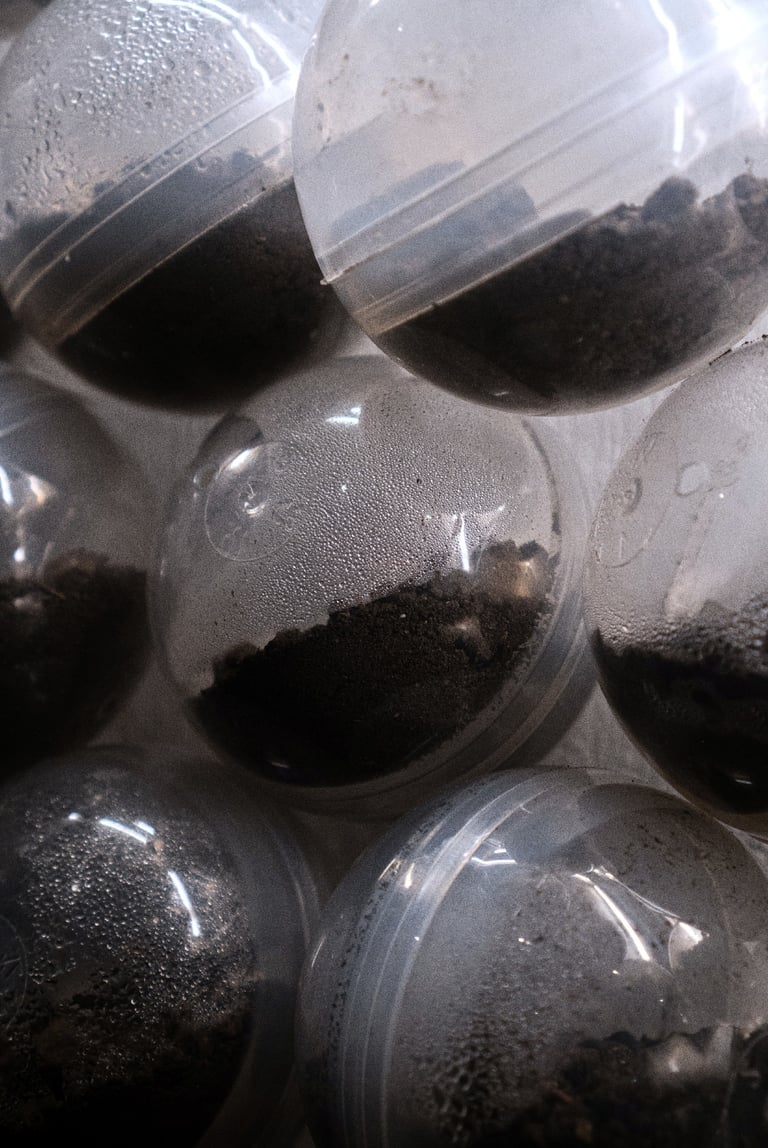
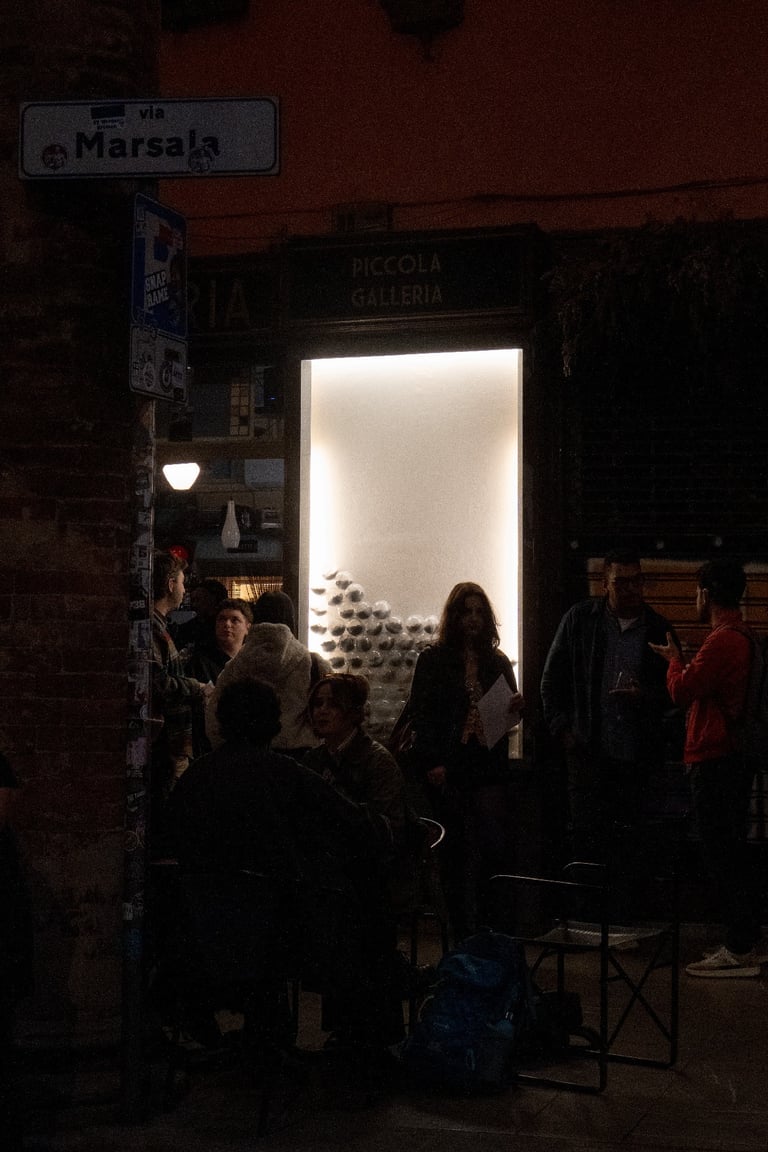
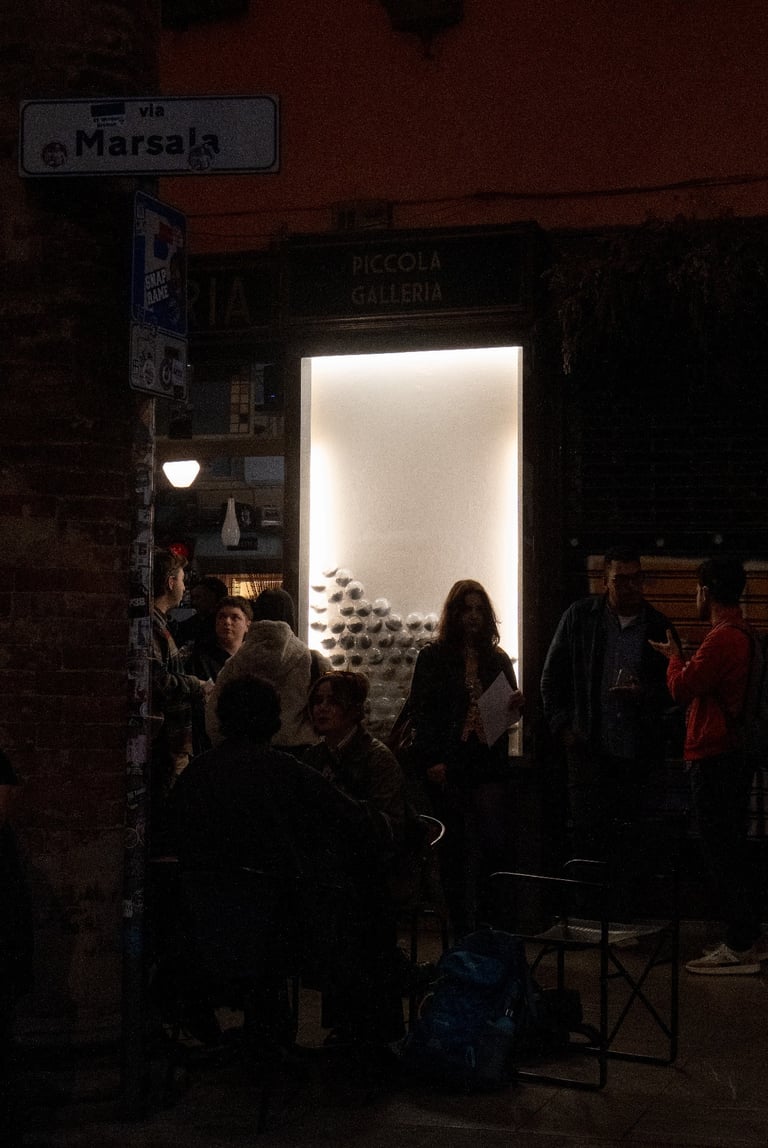
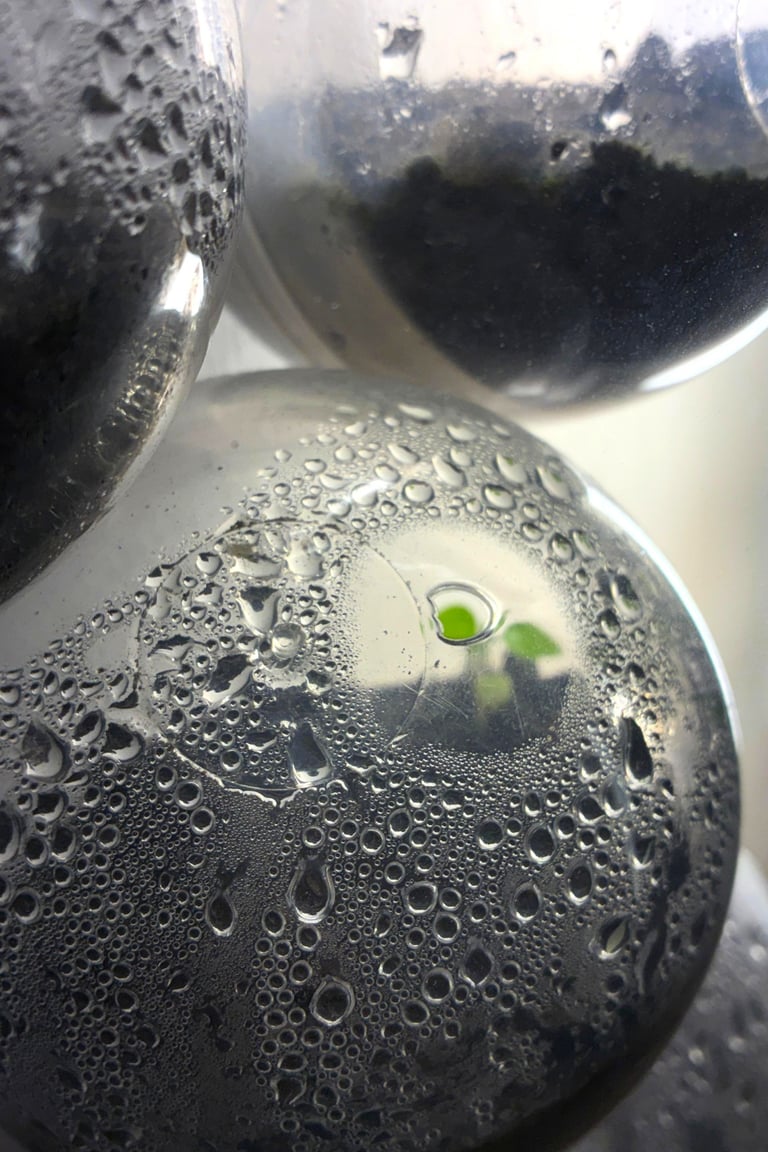
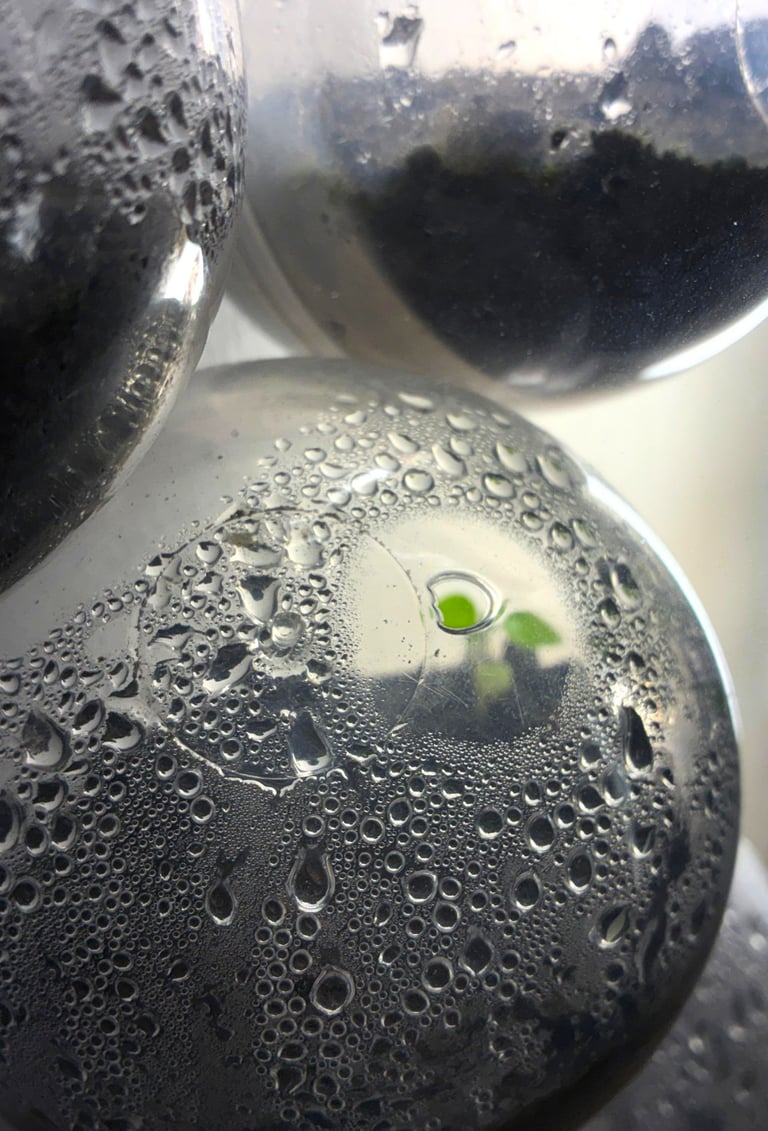
This intervention develops from Capofortuna, a previous series in which soil collected personally from an old hemp mill is transformed into merchandise and made available for purchase through a vending machine. With Guardare ma non toccare the gesture of appropriation is interrupted. The spheres are no longer accessible or purchasable: they remain closed behind glass, offered only to the gaze. Irony gives way to a contemplative dimension, in which the distance between subject and object is no longer merely formal, but becomes structural. This shift marks a concrete loss, not only of physical access to the material, but also of the very possibility of belonging. What was once direct experience becomes mediated vision, filtered by the logic of management, ownership, and consumption. Physical and experiential inaccessibility to reality becomes inevitable: we are enclosed in our own bubble of perception and destined for isolation, even if we are wandering in the same sea of hyperreality, imprisoned in the mirror of the virtual.
Guardare ma non toccare, 2025, soil of pulper, polypropylene capsules, environmental dimensions. Installation view and detail at Piccola Galleria, Bologna. Courtesy the artist. Photo Marco Erpete.
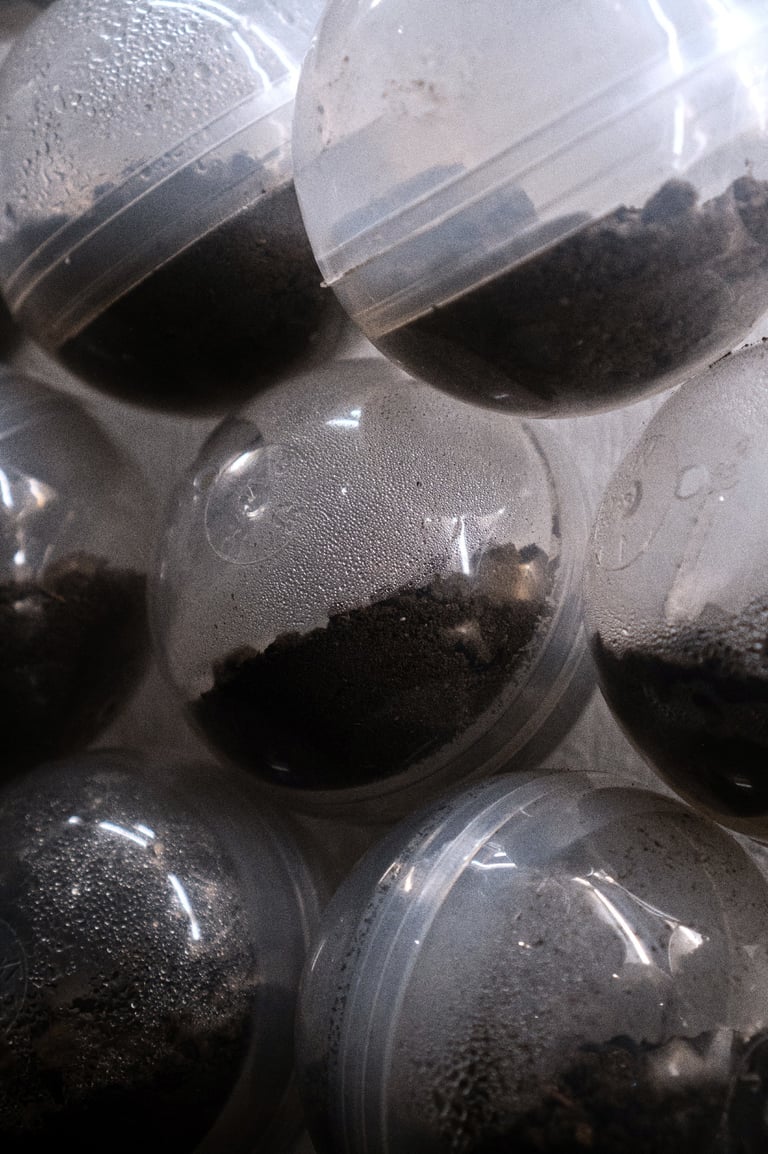
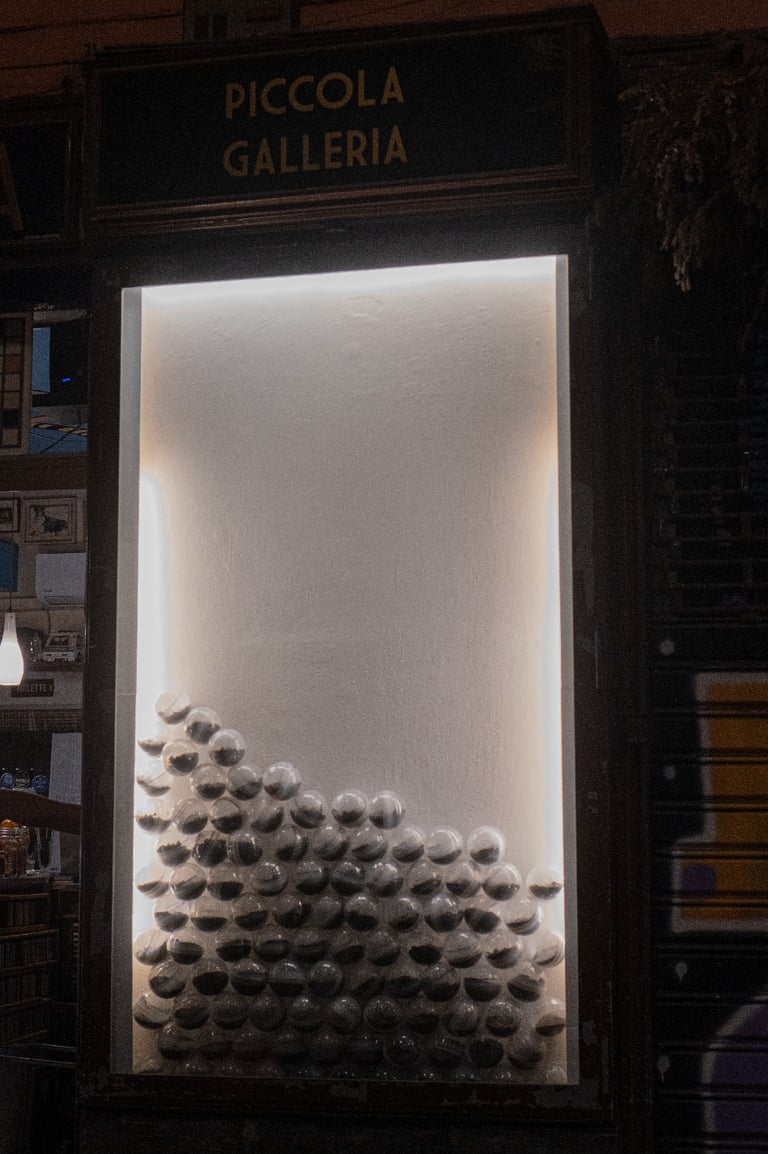
Guardare ma non toccare, 2025, soil of pulper, polypropylene capsules, environmental dimensions. Installation view and detail at Piccola Galleria, Bologna. Courtesy the artist. Photo Marco Erpete.
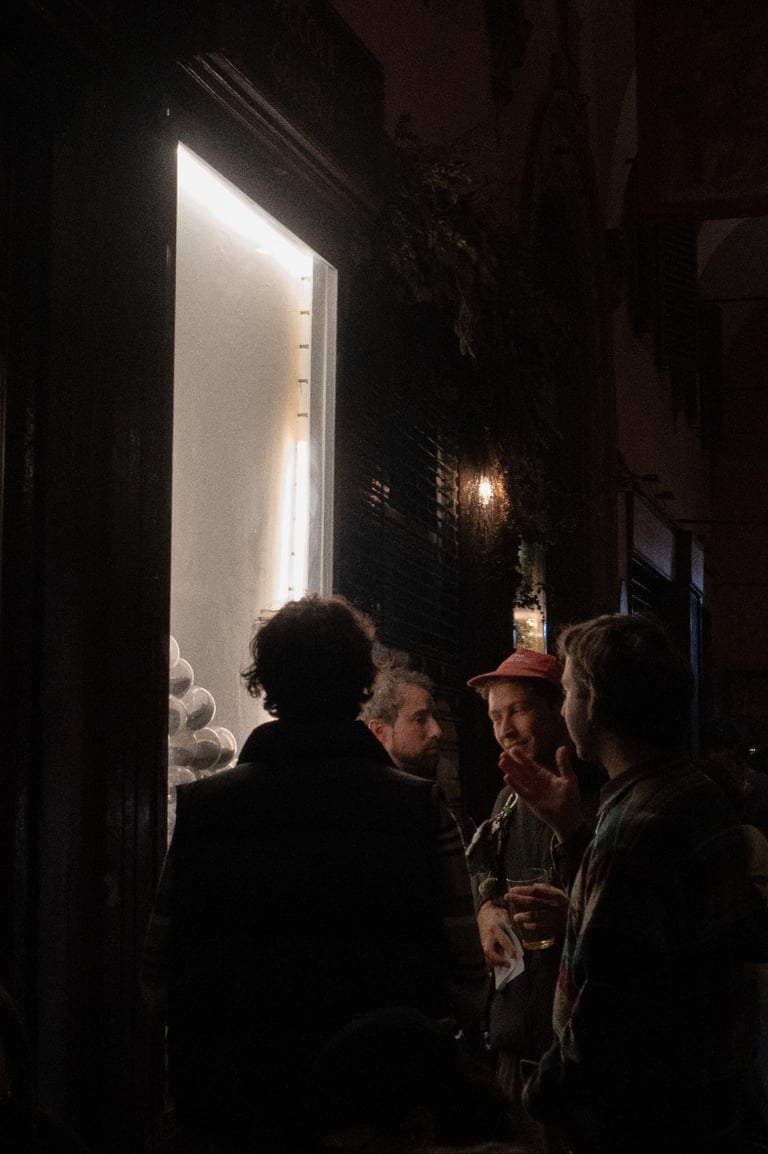
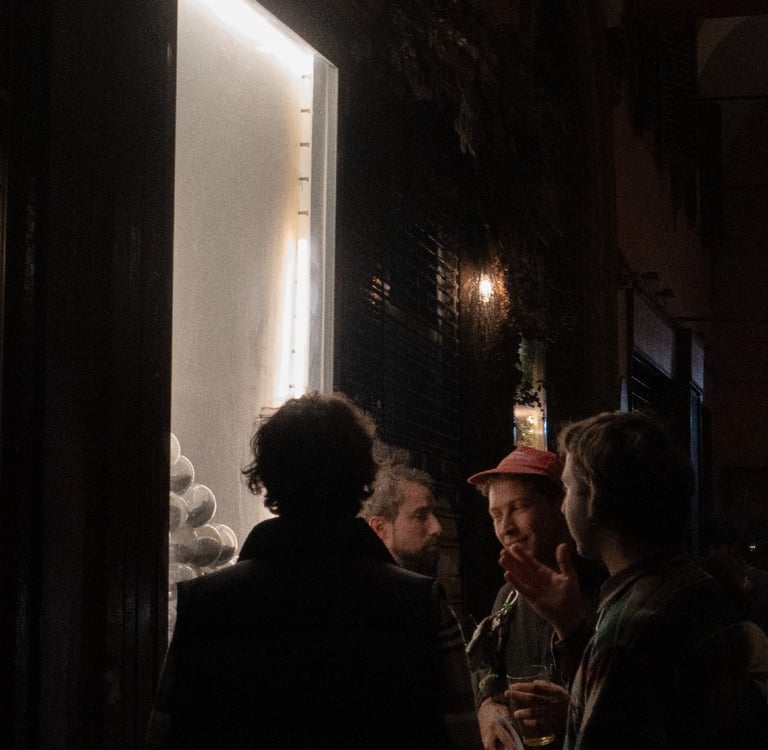
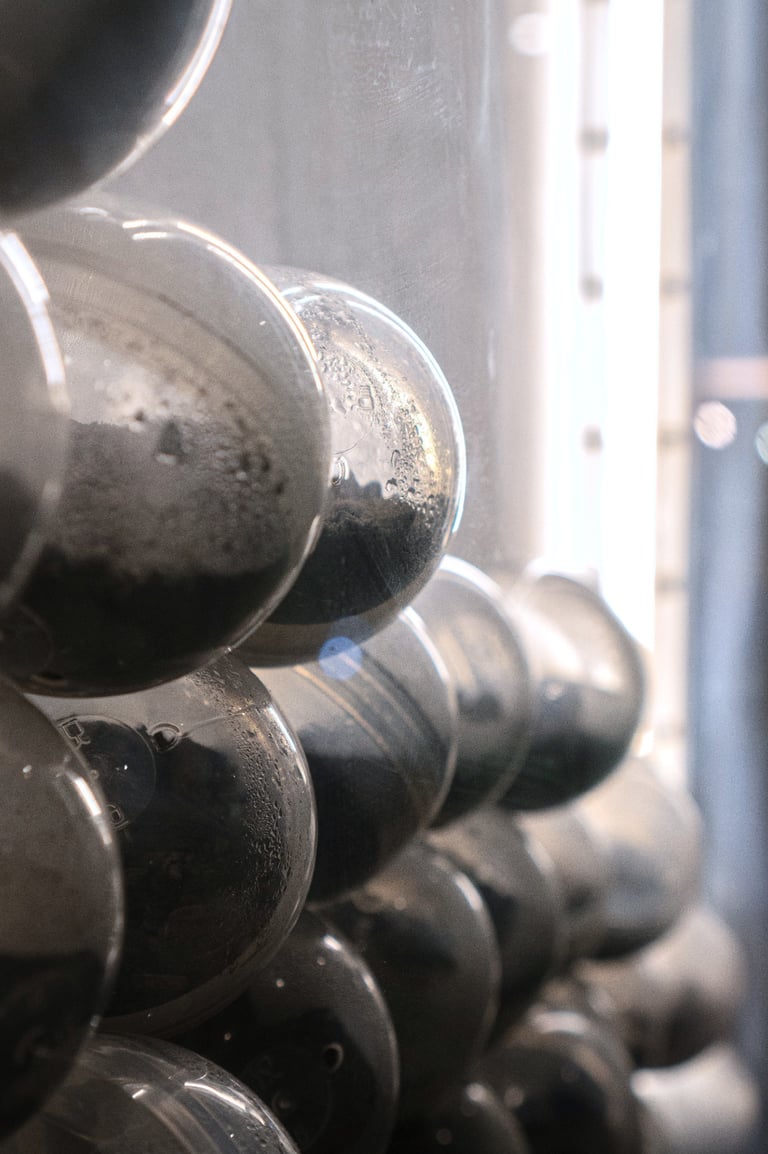
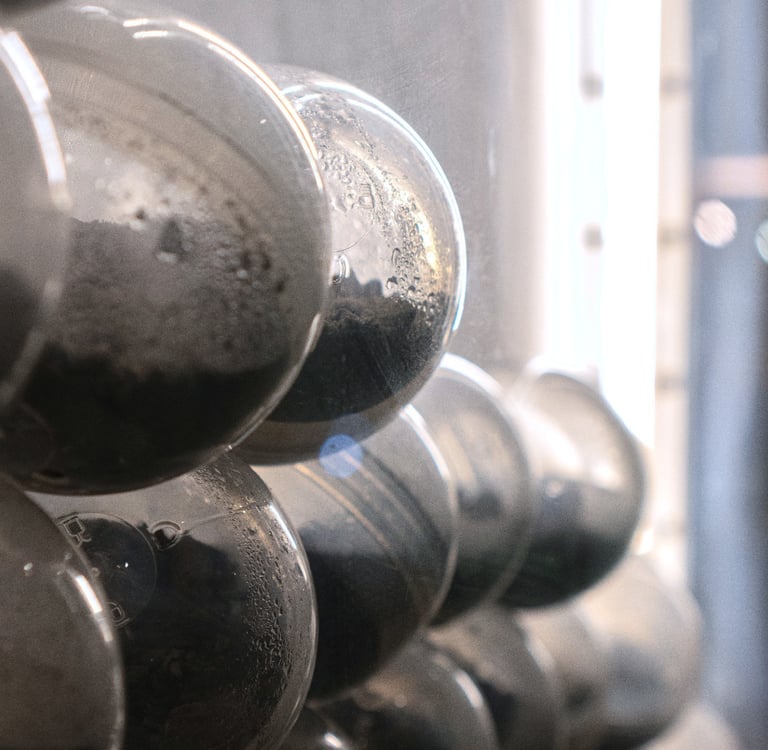
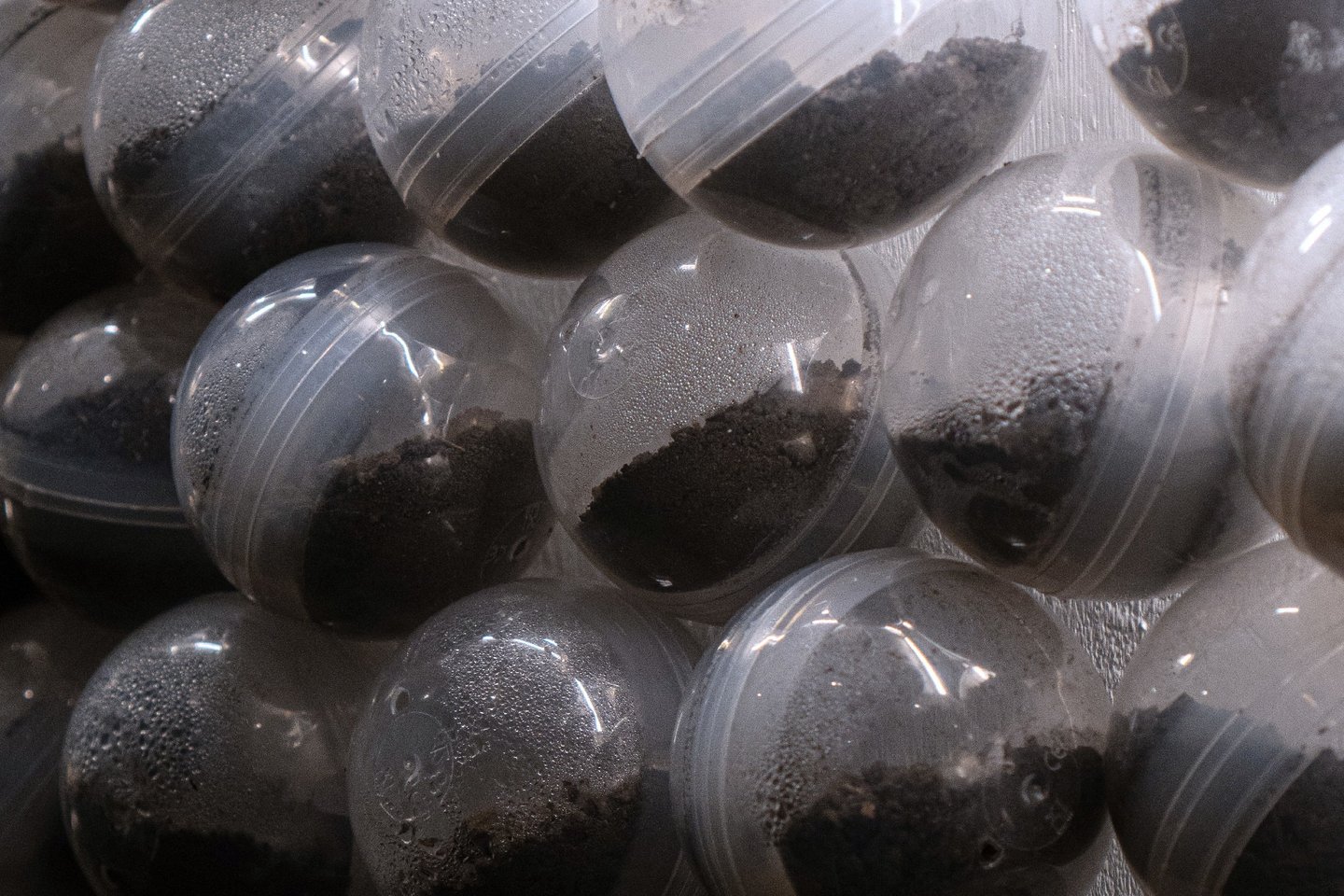
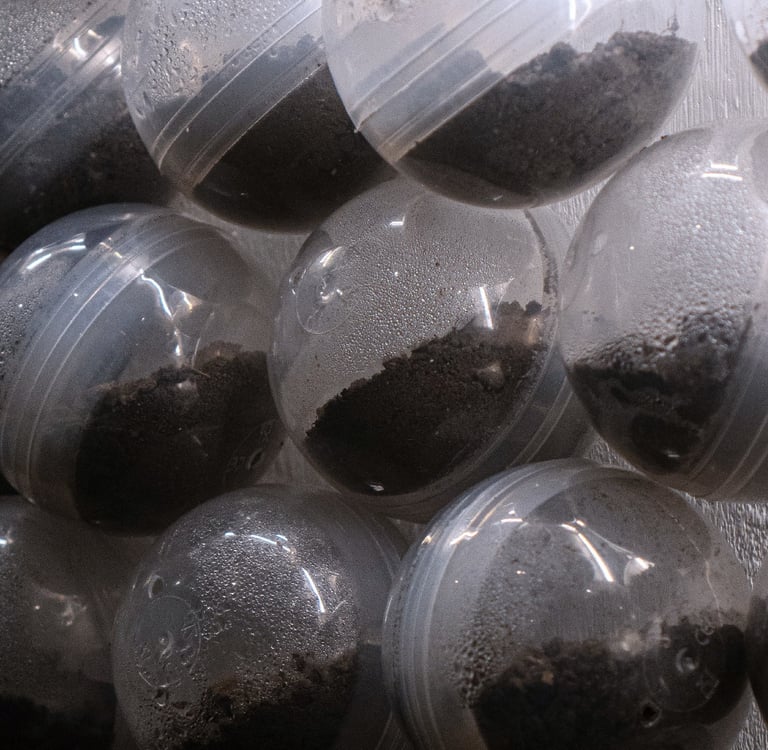
Guardare ma non toccare, 2025, detail, soil of pulper, polypropylene capsules, environmental dimensions. Courtesy the artist. Photo Marco Erpete.
Guardare ma non toccare, 2025, soil of pulper, polypropylene capsules, environmental dimensions. Installation view and detail at Piccola Galleria, Bologna. Courtesy the artist. Photo Marco Erpete.
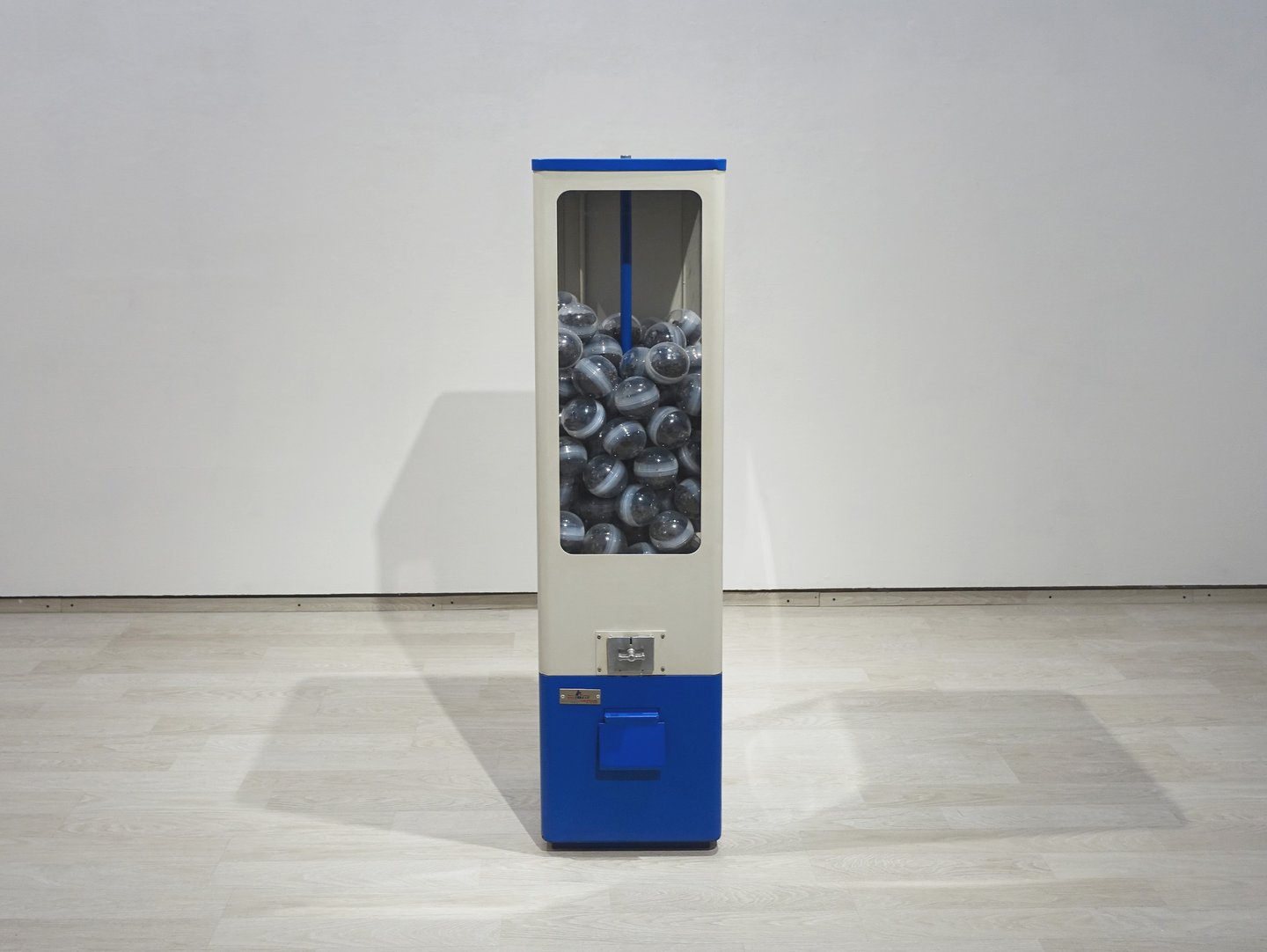
CAPOFORTUNA, series, soil of pulper, polypropylene capsules, steel and plexiglass vending machine, various dimensions.
Capofortuna ironises the ease with which today we are able to “buy” a clean conscience: it only takes a few seconds, a mechanical gesture, and we feel at peace with the planet. In a system dominated by the instantaneousness of consumerism, even the relationship with the environment can be reduced to a brief experience, a prêt-à-porter relief. The installation acts as a critical lens on the habits of contemporaneity, in which eco-anxiety can be sublimated into small self-absolving rituals, where the soil itself becomes a pseudo-therapeutic vending machine gadget. By packaging the climate emergency as a commodity with a nostalgic character, the simple act of “picking up the ball” becomes, at the same time, a game and a little deception: a sop, a green placebo that reminds us how easy it is to sell the idea of salvation and how much more difficult it is, instead, to take responsibility for cultivating it.
Capofortuna, 2025, soil of pulper, polypropylene capsules, steel and plexiglass vending machine, 162 × 40 × 44 cm. Courtesy the artist.
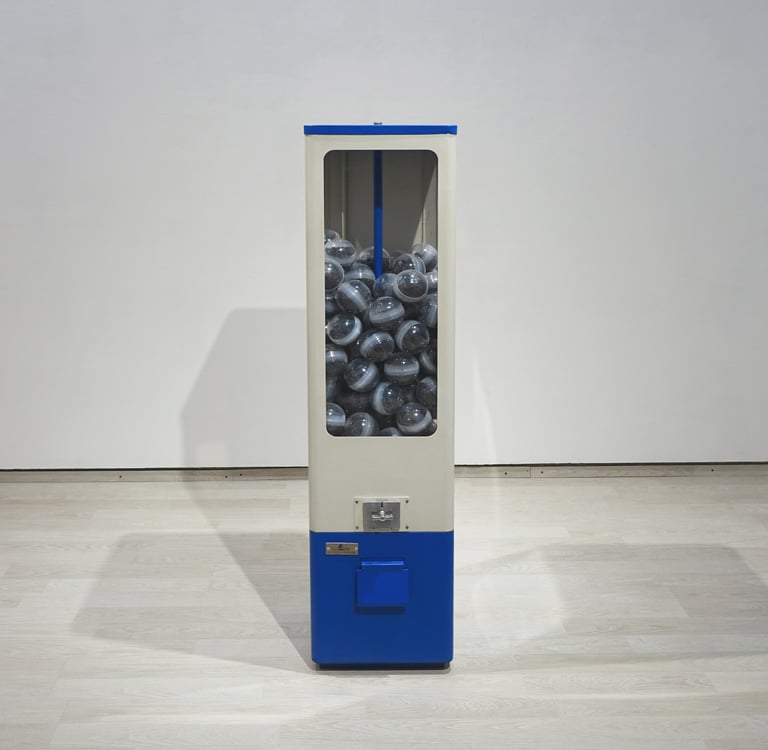
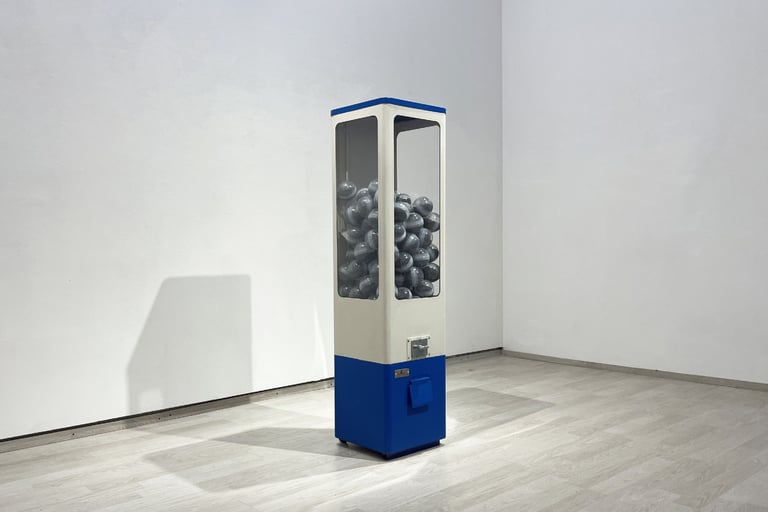
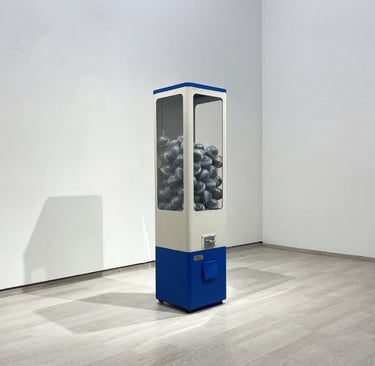
Capofortuna, 2025, soil of pulper, polypropylene capsules, steel and plexiglass vending machine, 162 × 40 × 44 cm. Courtesy the artist.
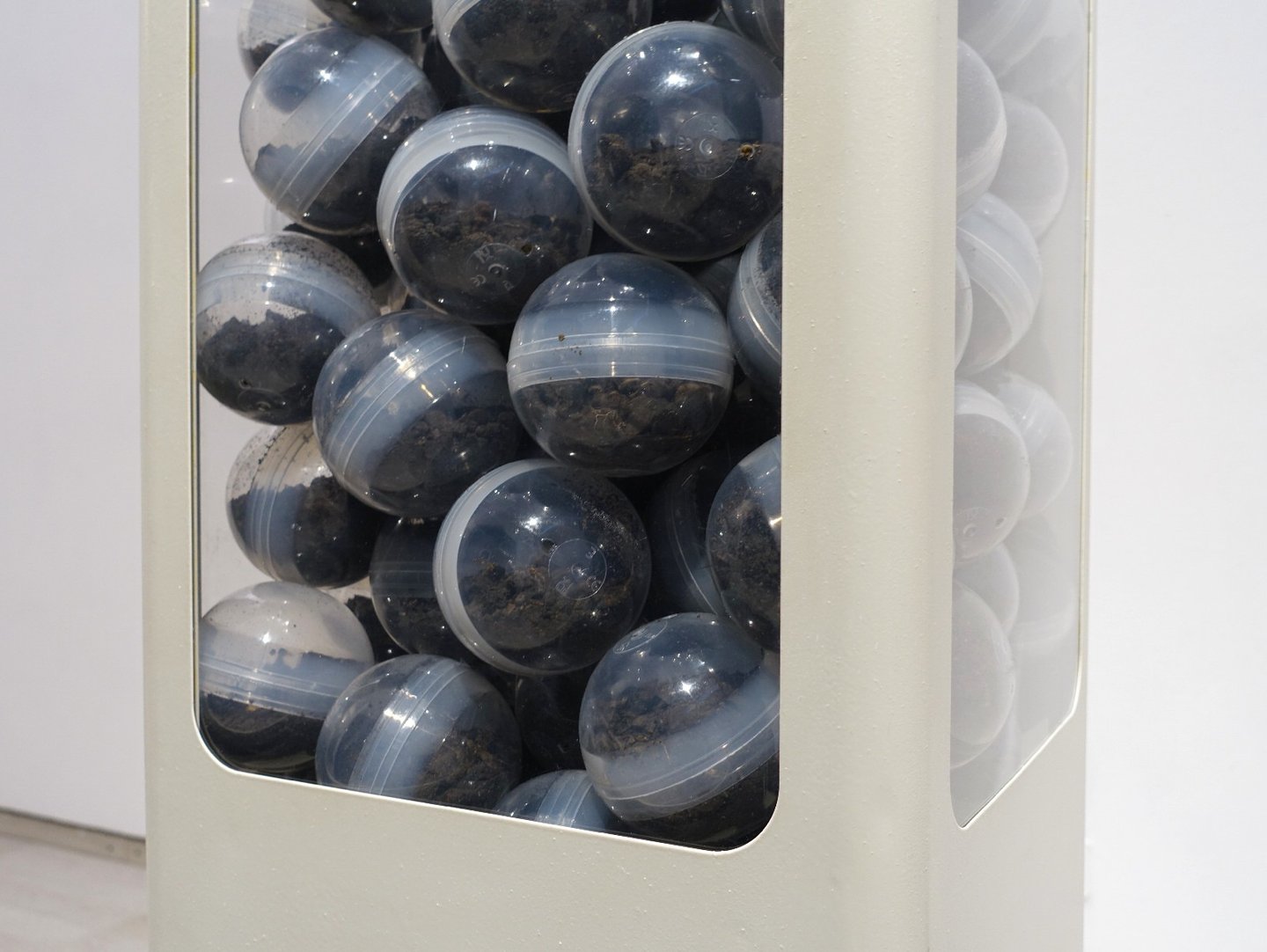
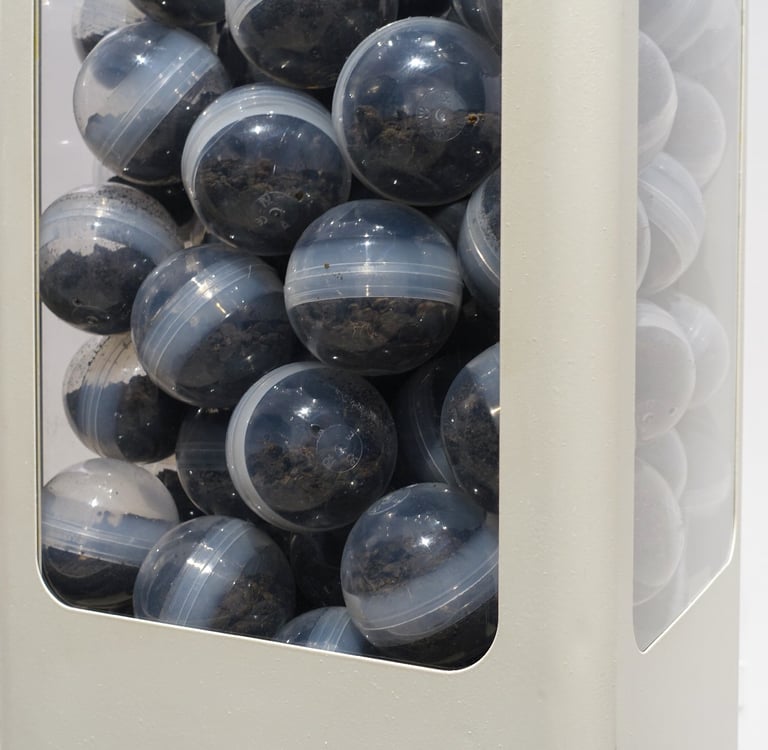
Capofortuna, 2025, detail, soil of pulper, polypropylene capsules, steel and plexiglass vending machine, 162 × 40 × 44 cm. Courtesy the artist.
Capofortuna, 2025, installation view and detail, soil of pulper, polypropylene capsules, steel and plexiglass vending machine, 155 × 40 × 44 cm. Courtesy the artist. Photo Luca Rubertà.
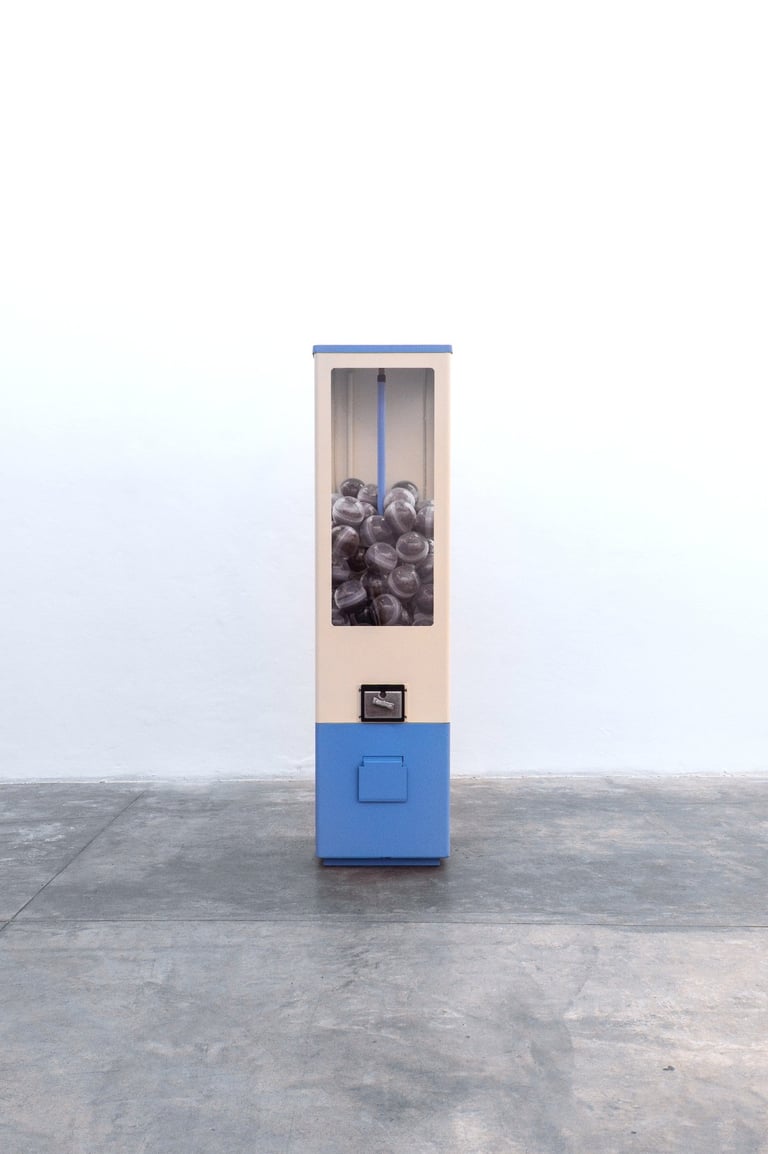
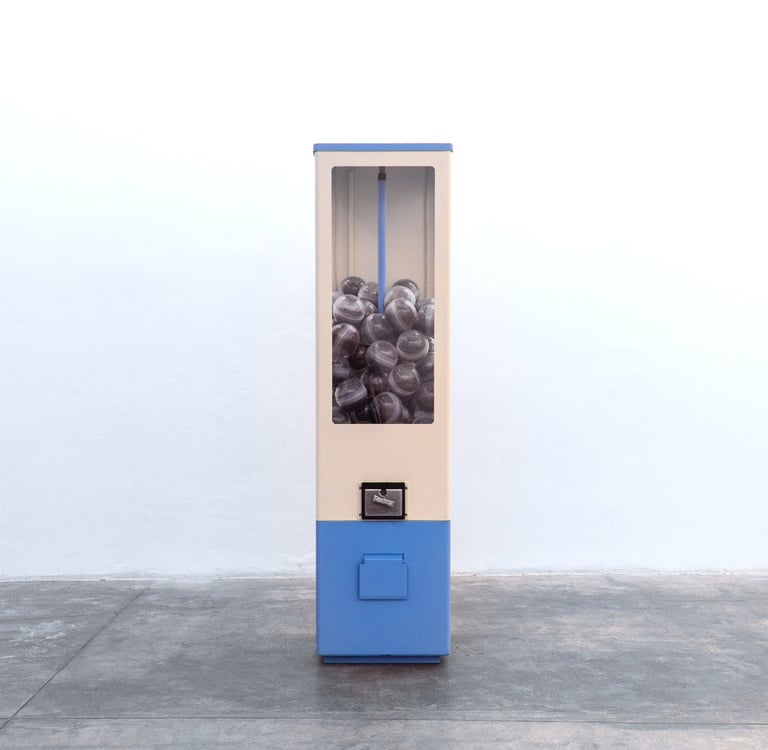
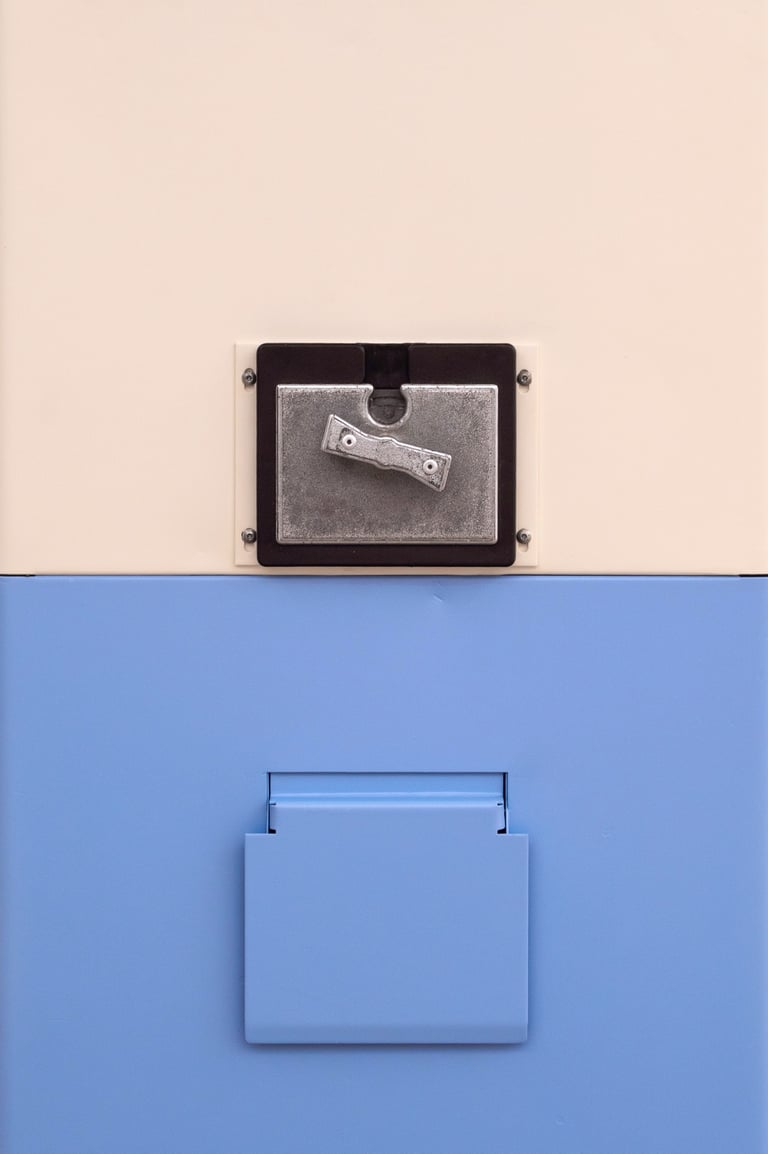
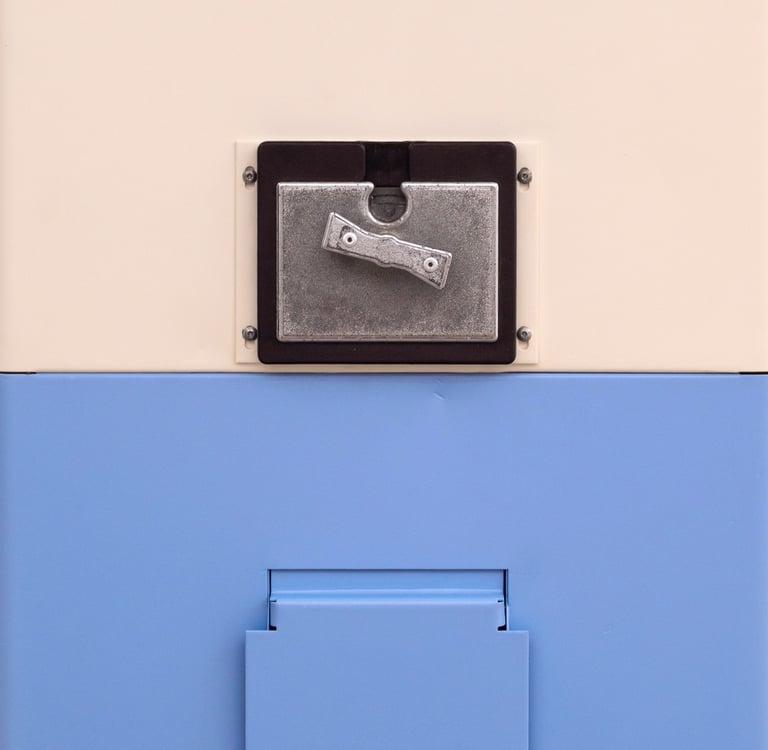
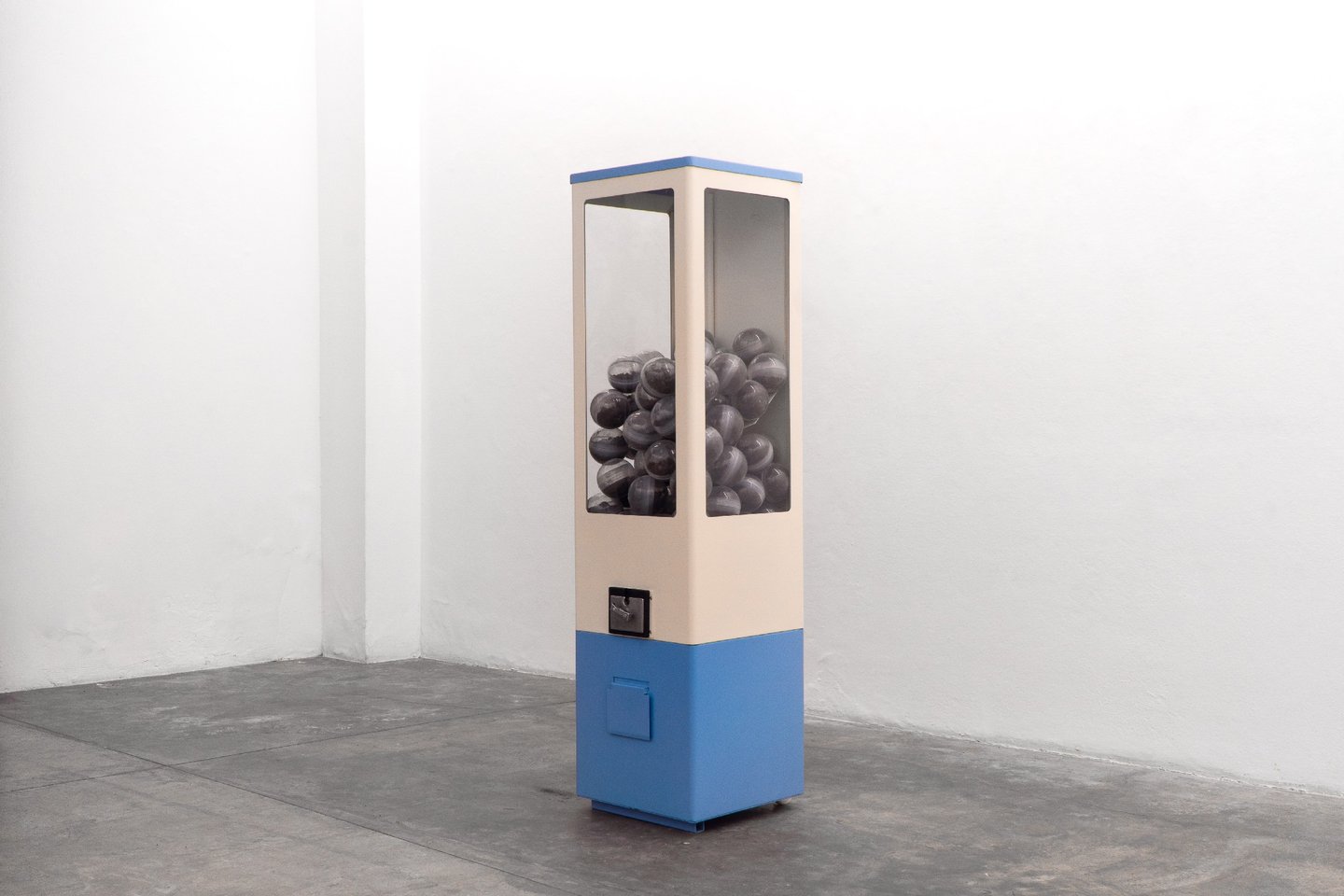
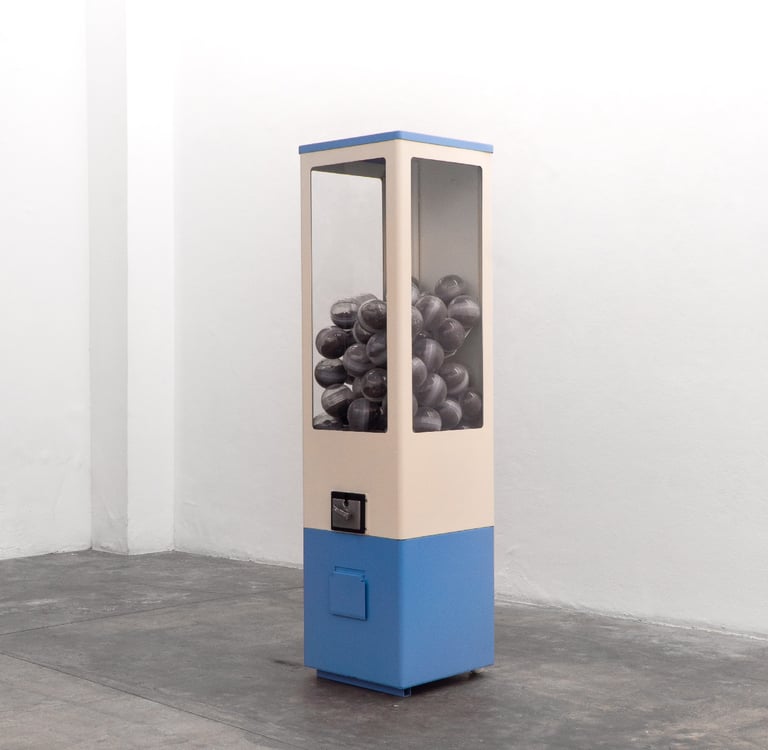
Capofortuna, 2025, soil of pulper, polypropylene capsules, steel and plexiglass vending machine, 155 × 40 × 44 cm. Courtesy the artist. Photo Luca Rubertà.
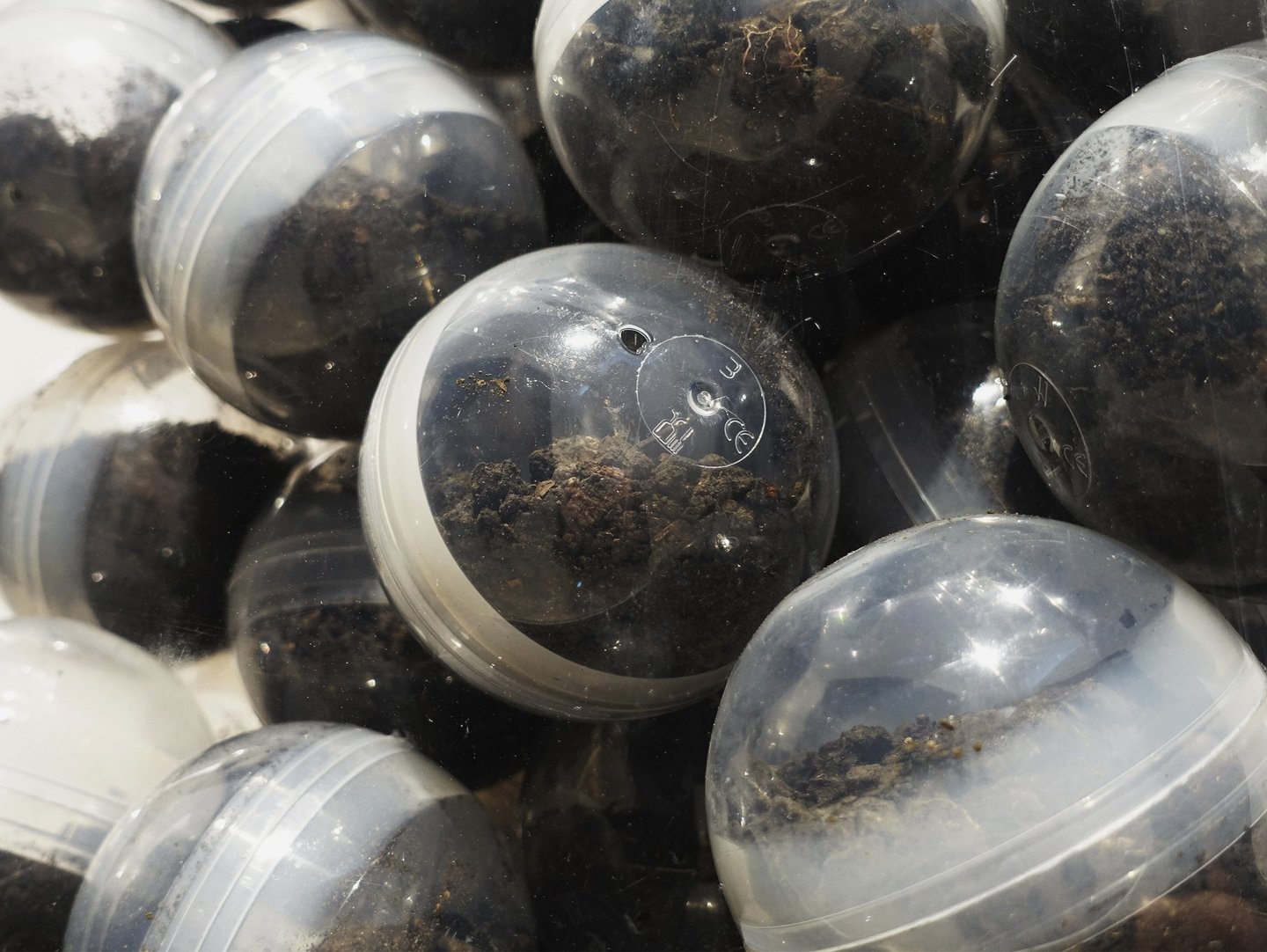
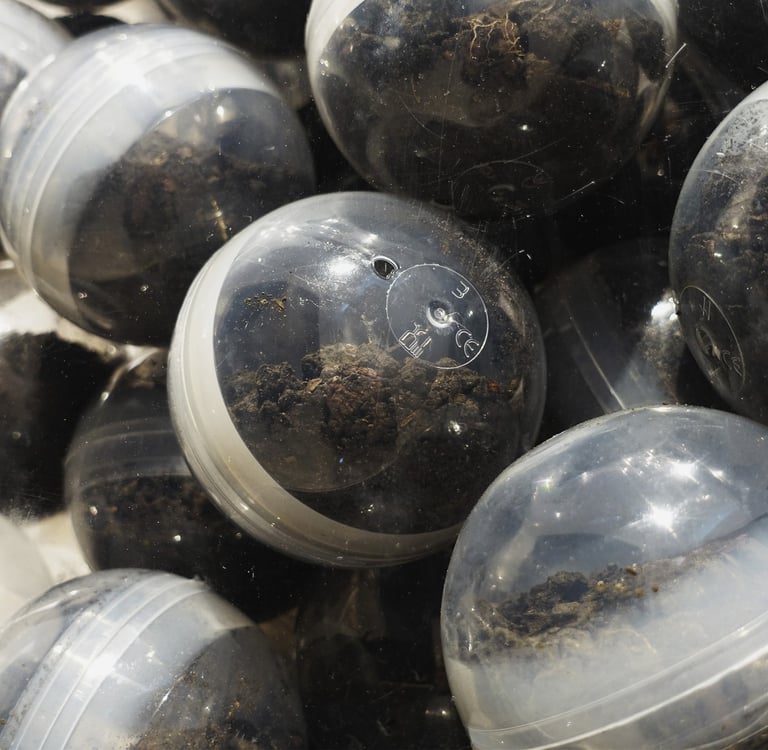
Capofortuna, 2025, detail, soil of pulper, polypropylene capsules, steel and plexiglass vending machine, 162 × 40 × 44 cm. Courtesy the artist.
ALMAC'È, curated by Fabrizio Contarino, Espai Souvenir, Barcelona.
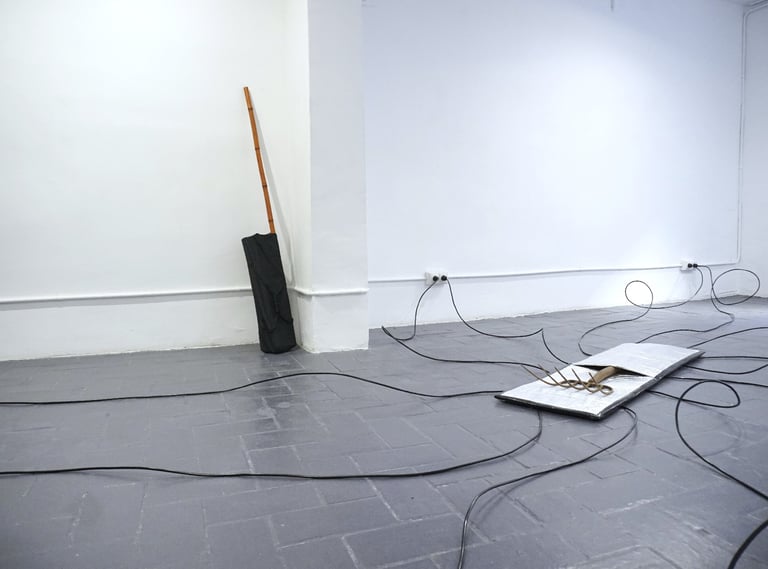
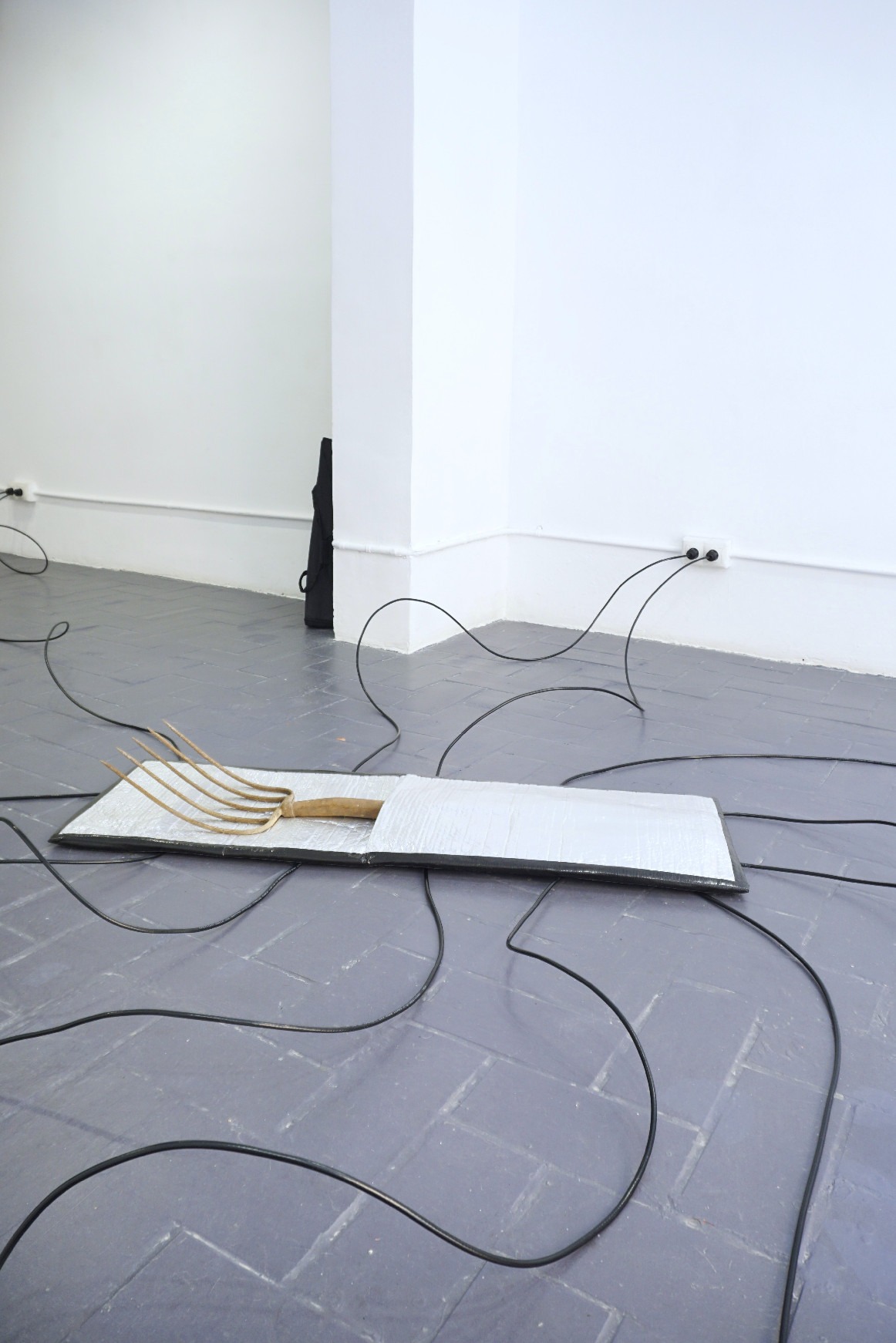
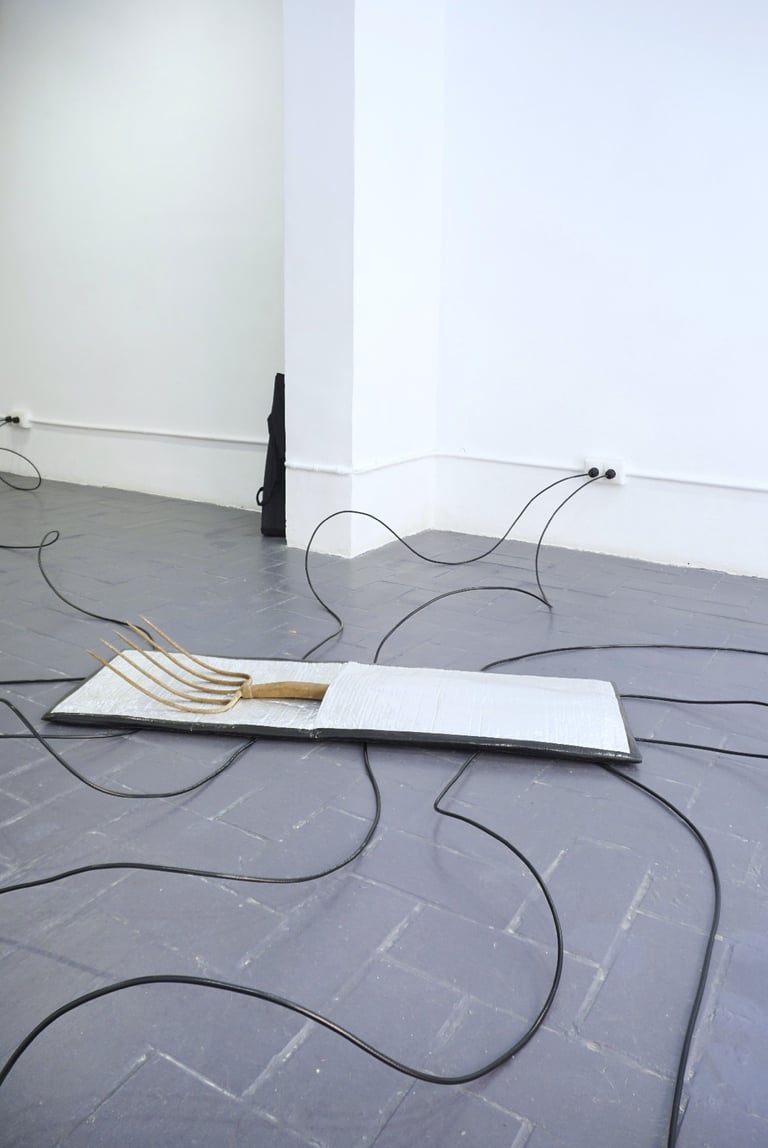
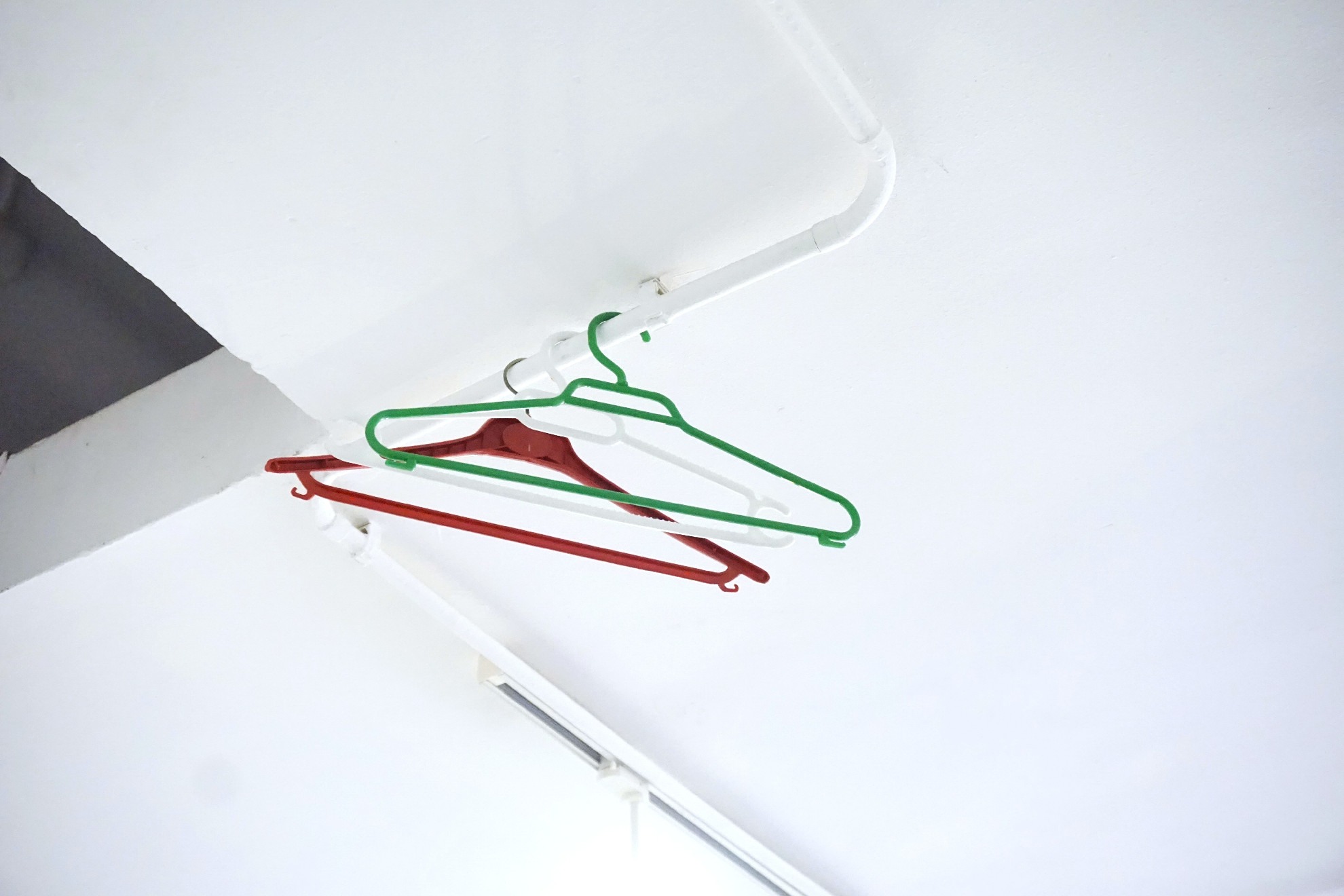
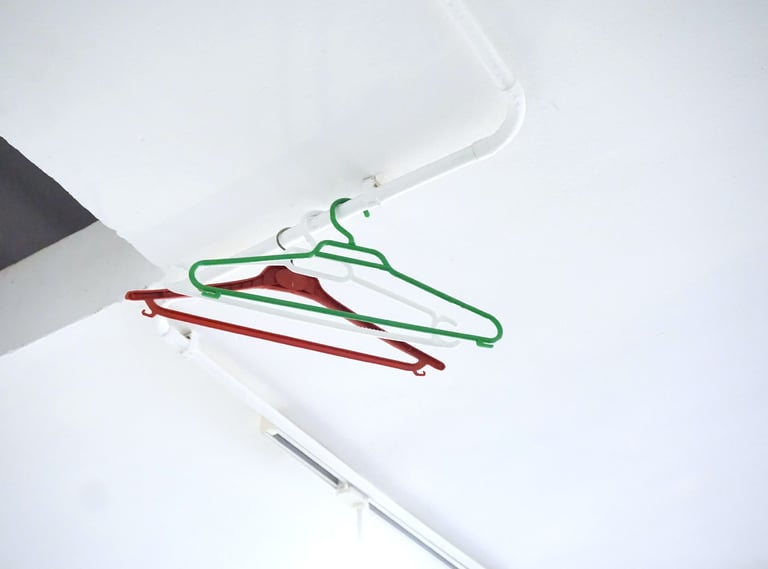
Almac’è is a play on words between the Spanish word “almacén” (“warehouse”) and the Italian verb “esserci”, it can be translated as “there is soul”. With this installation work the artist tried to attribute subjectivity to the objects recovered from the Espai Souvenir warehouse, in an attempt to instil in them forms of characterisation, a continuity at the level of interiority or the presence of a vital force. The focus is placed on the agency of these elements to restore a sense of inner presence and own will. The ordinary perception of more or less everyday objects gives way to a more direct experience, as every time we are surprised to talk to the computer that crashes or the car we drive. Even today, in the rapid and interconnected scenario of turbocapitalism, faded forms of animism survive which, despite everything, allow us to imagine new relations between the human and non-human worlds..
Almac'è, 2025, mixed media, variable dimensions. Installation view at Espai Souvenir, Barcelona. Courtesy Espai Souvenir. Photo Fabrizio Contarino.
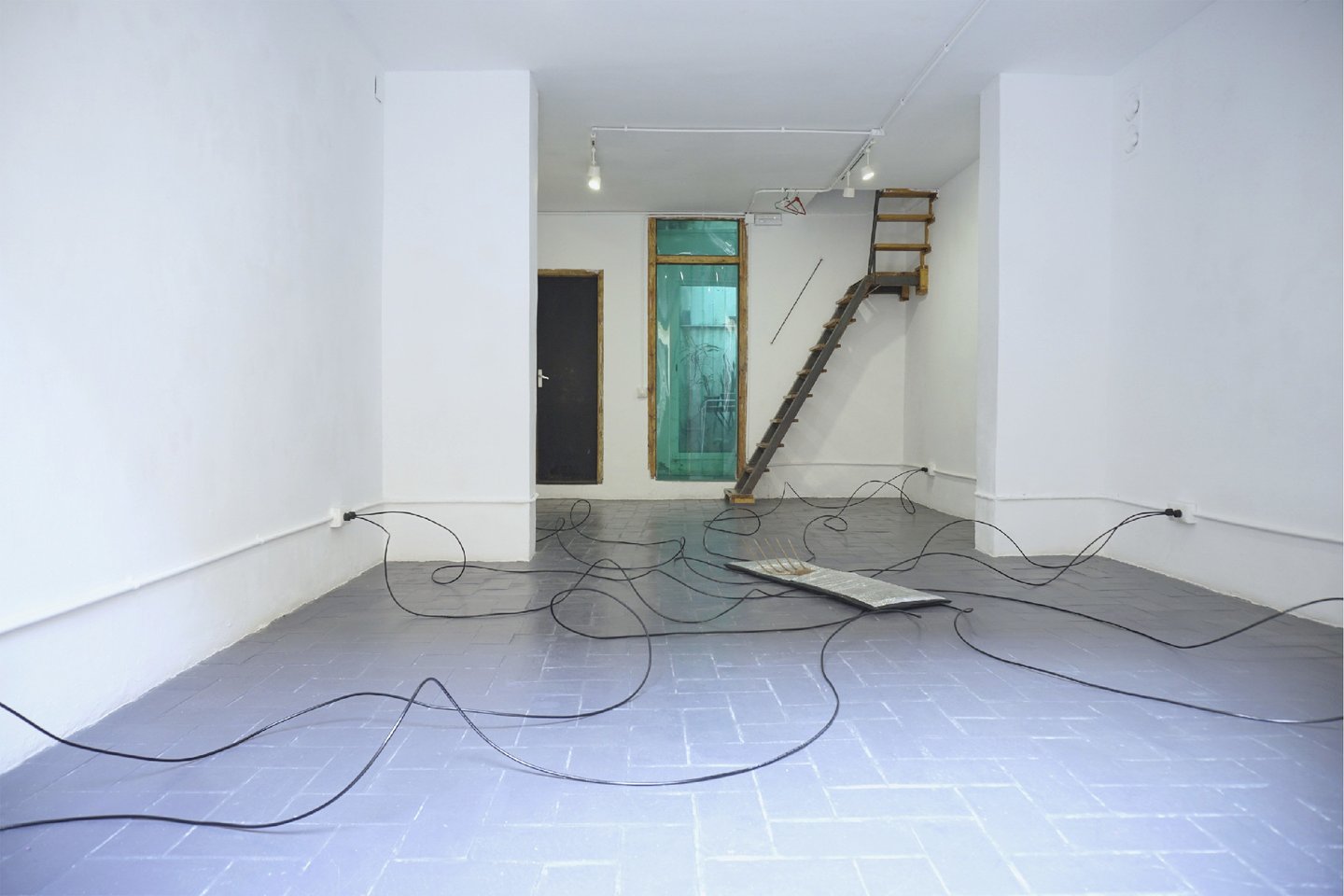
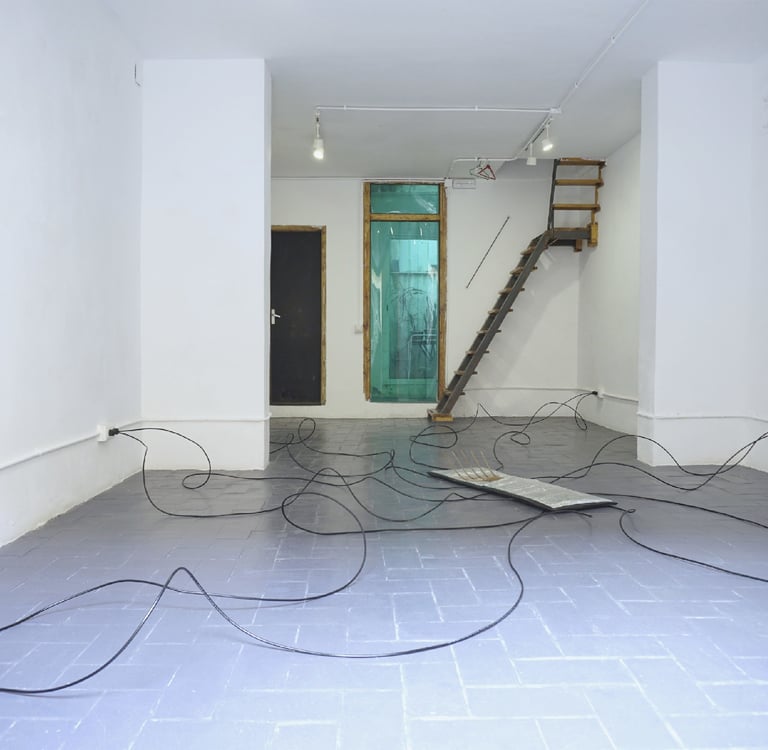
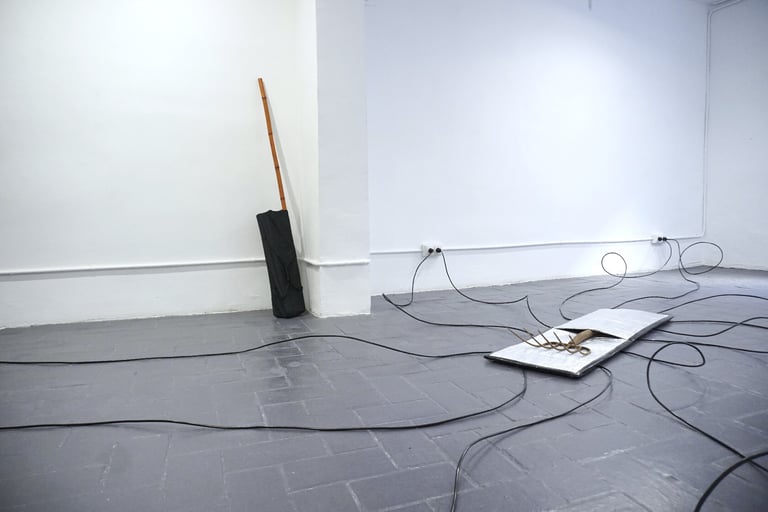
Almac'è, 2025, mixed media, variable dimensions. Installation view at Espai Souvenir, Barcelona. Courtesy Espai Souvenir. Photo Fabrizio Contarino.
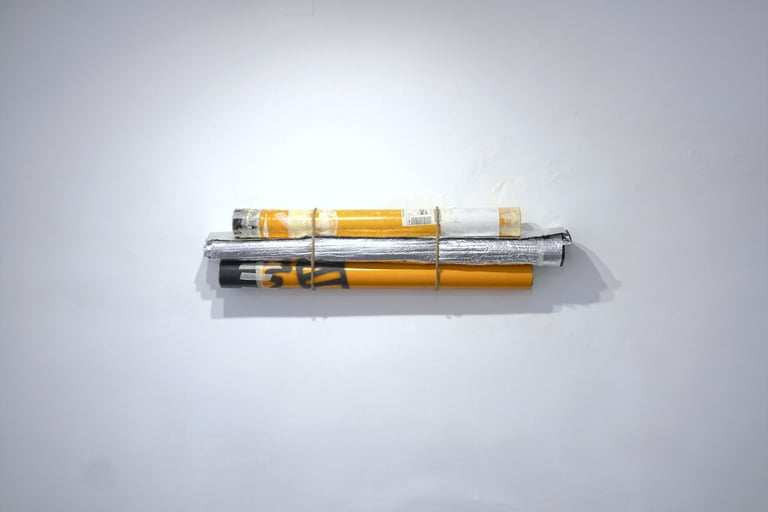
Almac'è, 2025, mixed media, variable dimensions. Installation view at Espai Souvenir, Barcelona. Courtesy Espai Souvenir. Photo Fabrizio Contarino.
Almac'è, 2025, detail and installation view, mixed media, variable dimensions. Courtesy Espai Souvenir. Photo Fabrizio Contarino.
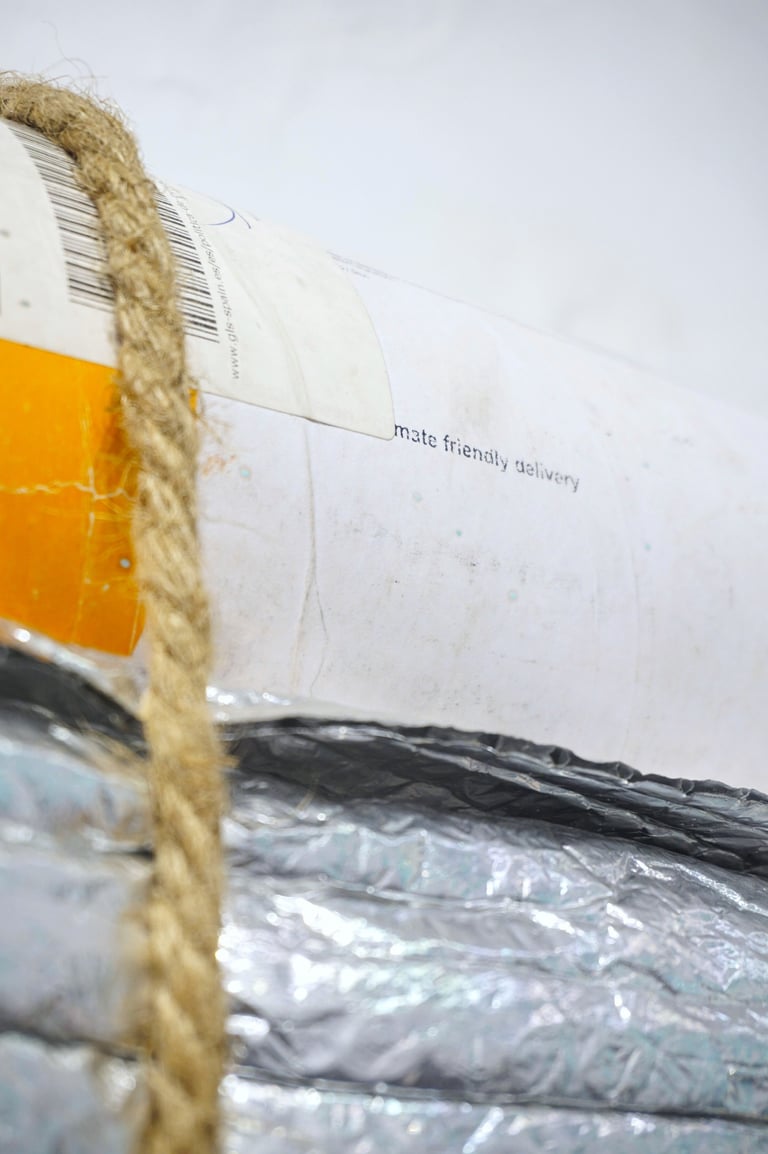
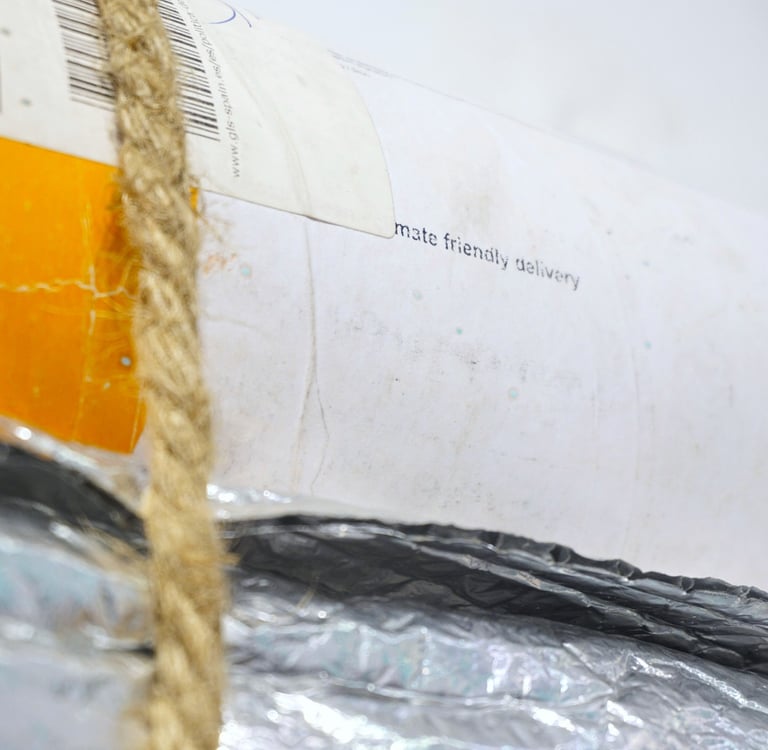
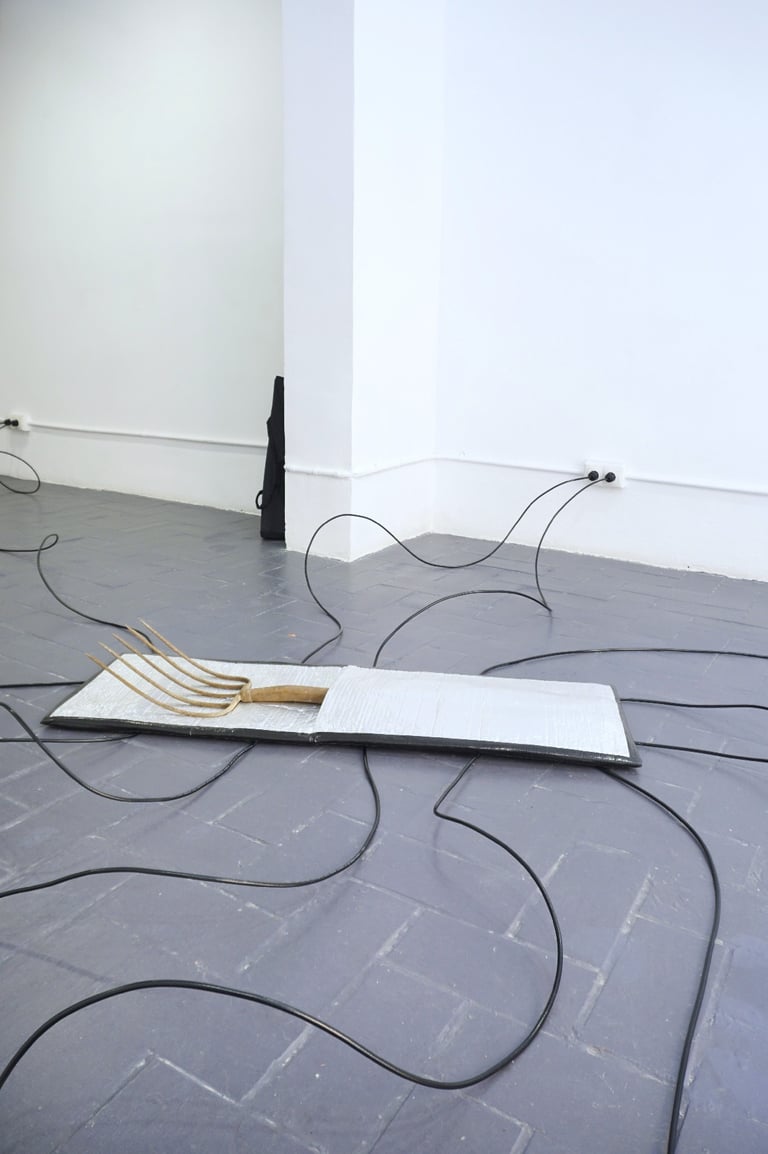
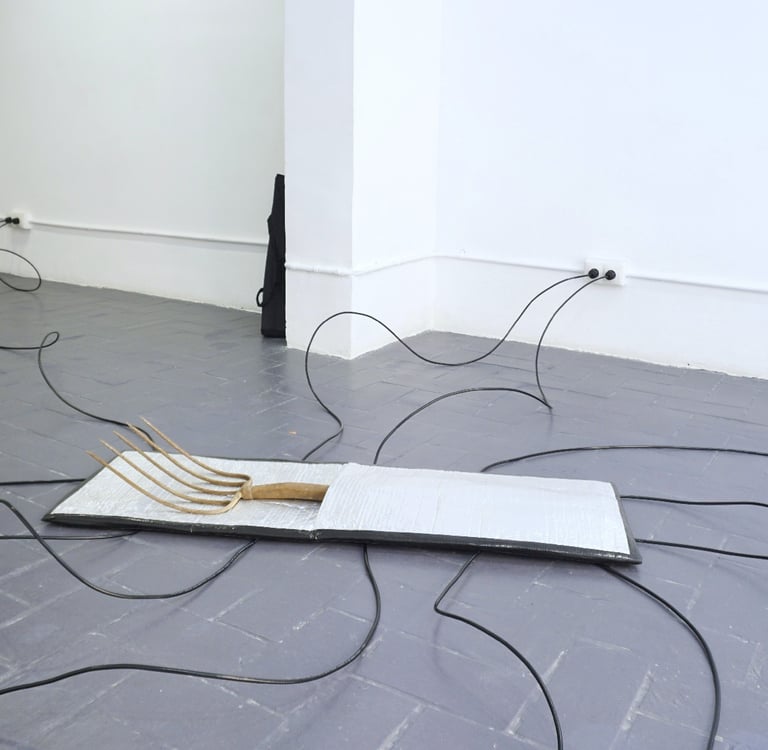
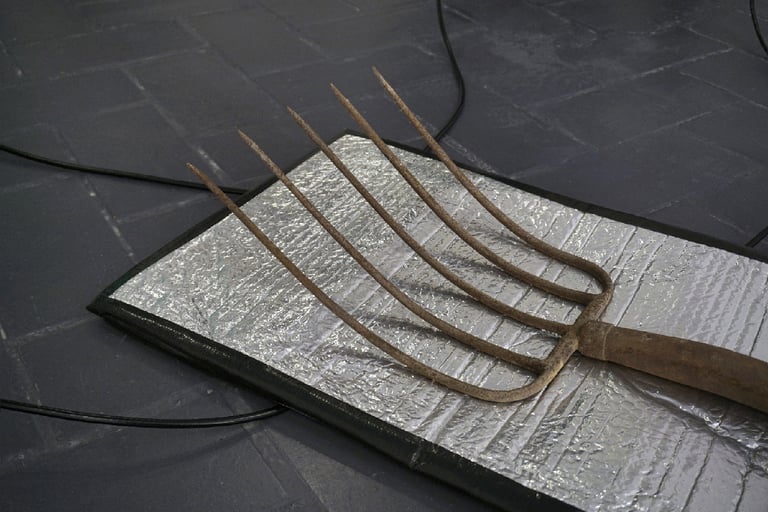
Almac'è, 2025, detail, mixed media, variable dimensions. Courtesy Espai Souvenir. Photo Fabrizio Contarino.
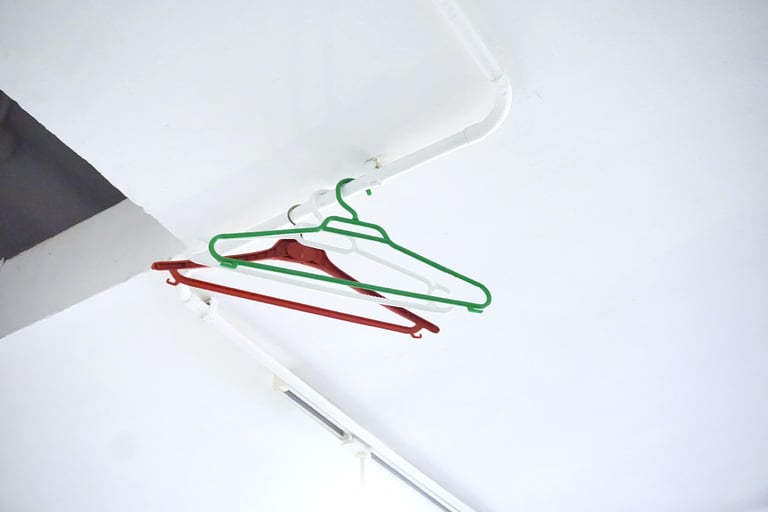
Almac'è, 2025, detail, mixed media, variable dimensions. Courtesy Espai Souvenir. Photo Fabrizio Contarino.
CINQUE GNEFRI A ZONZO, curated by Antonio Rocca, Rocca Albornoz, Narni.
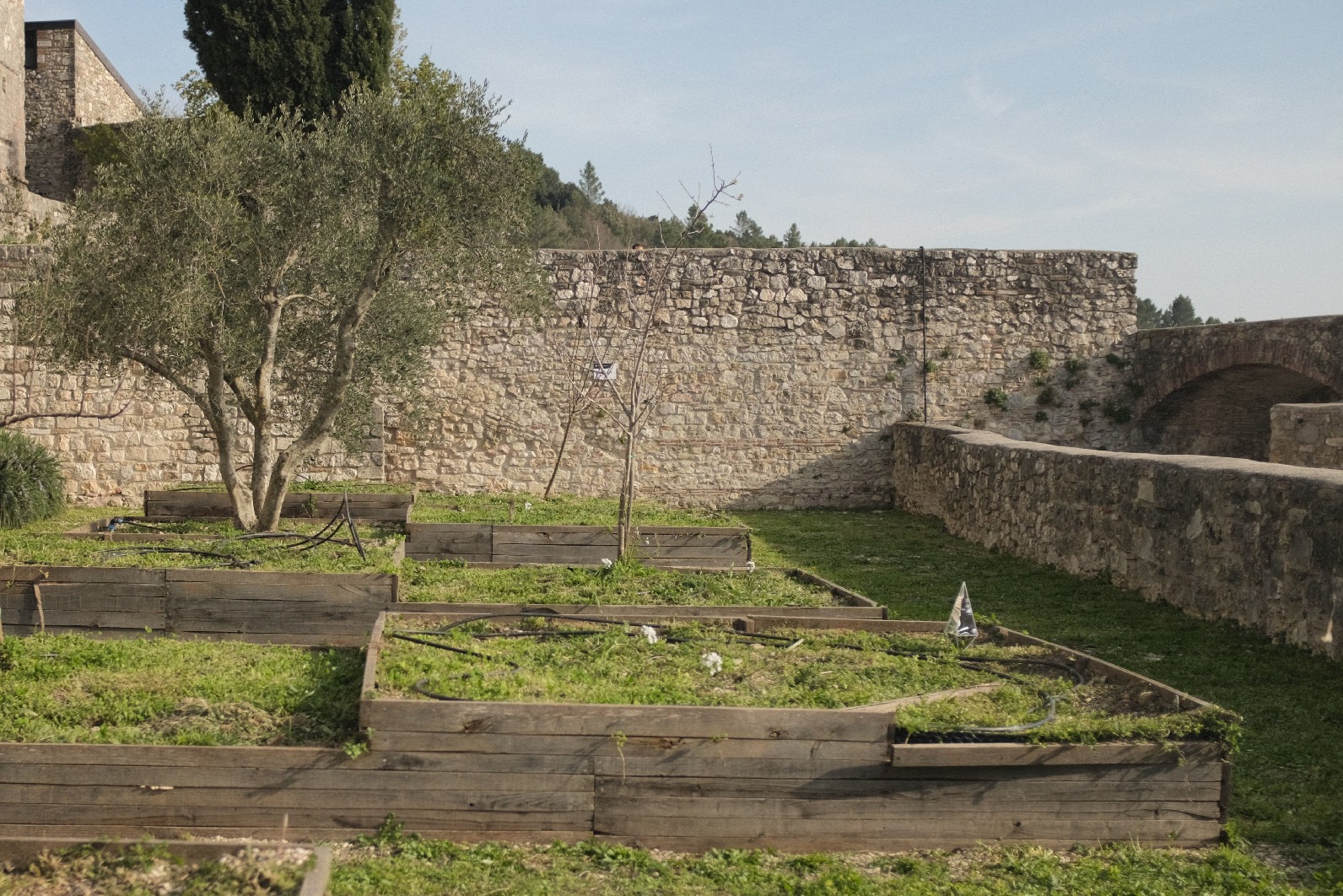
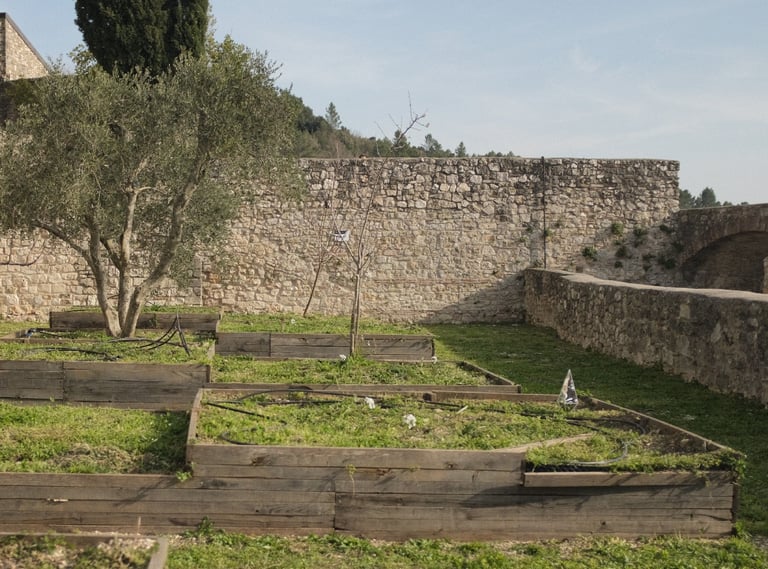
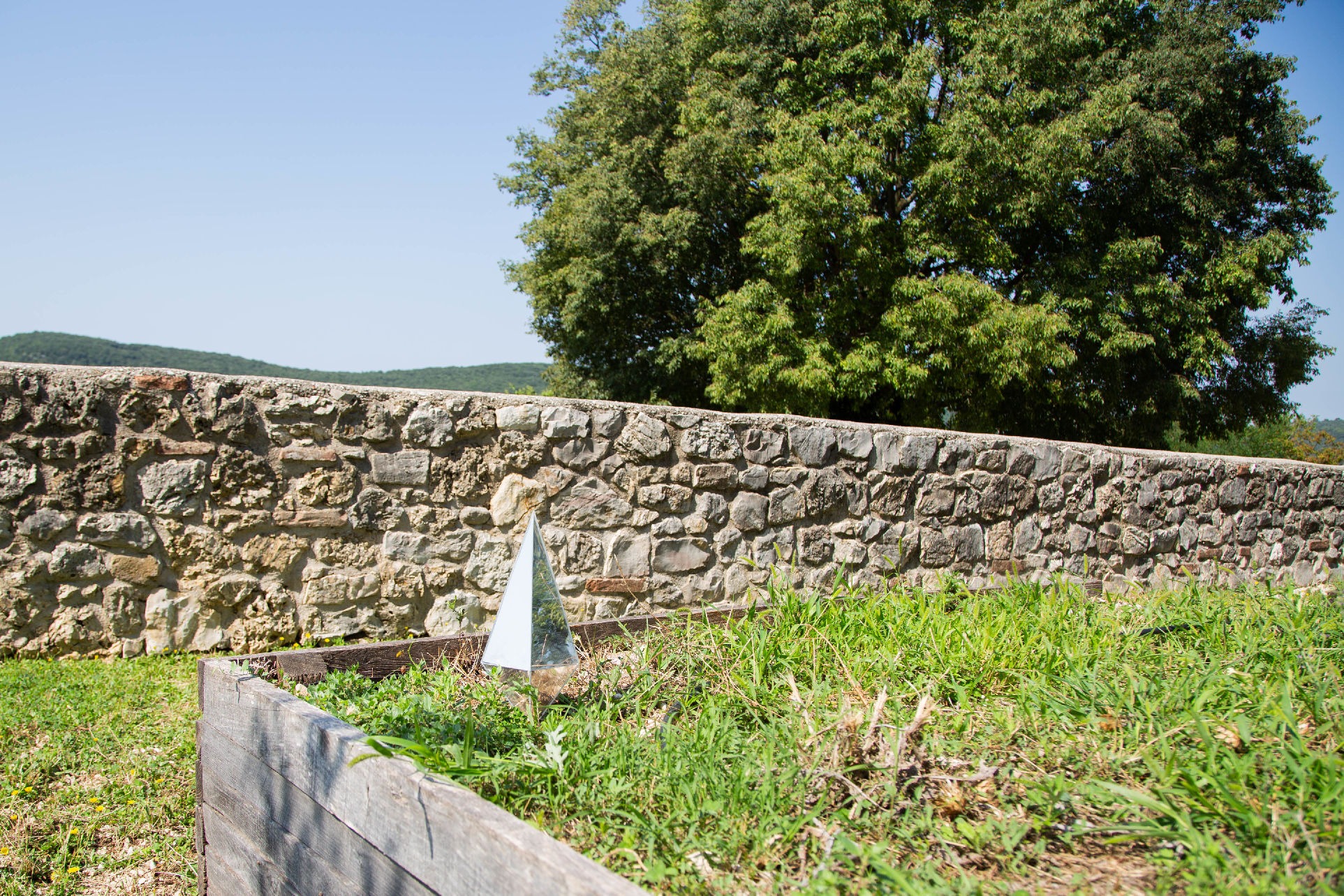
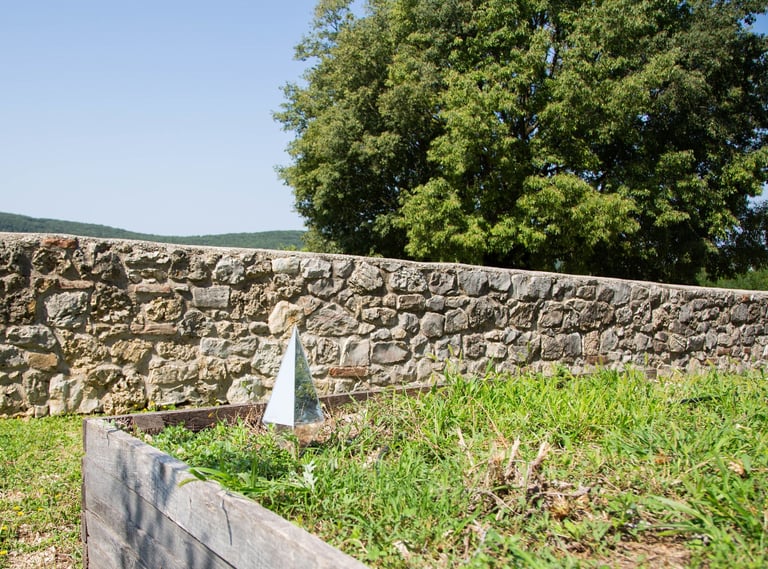
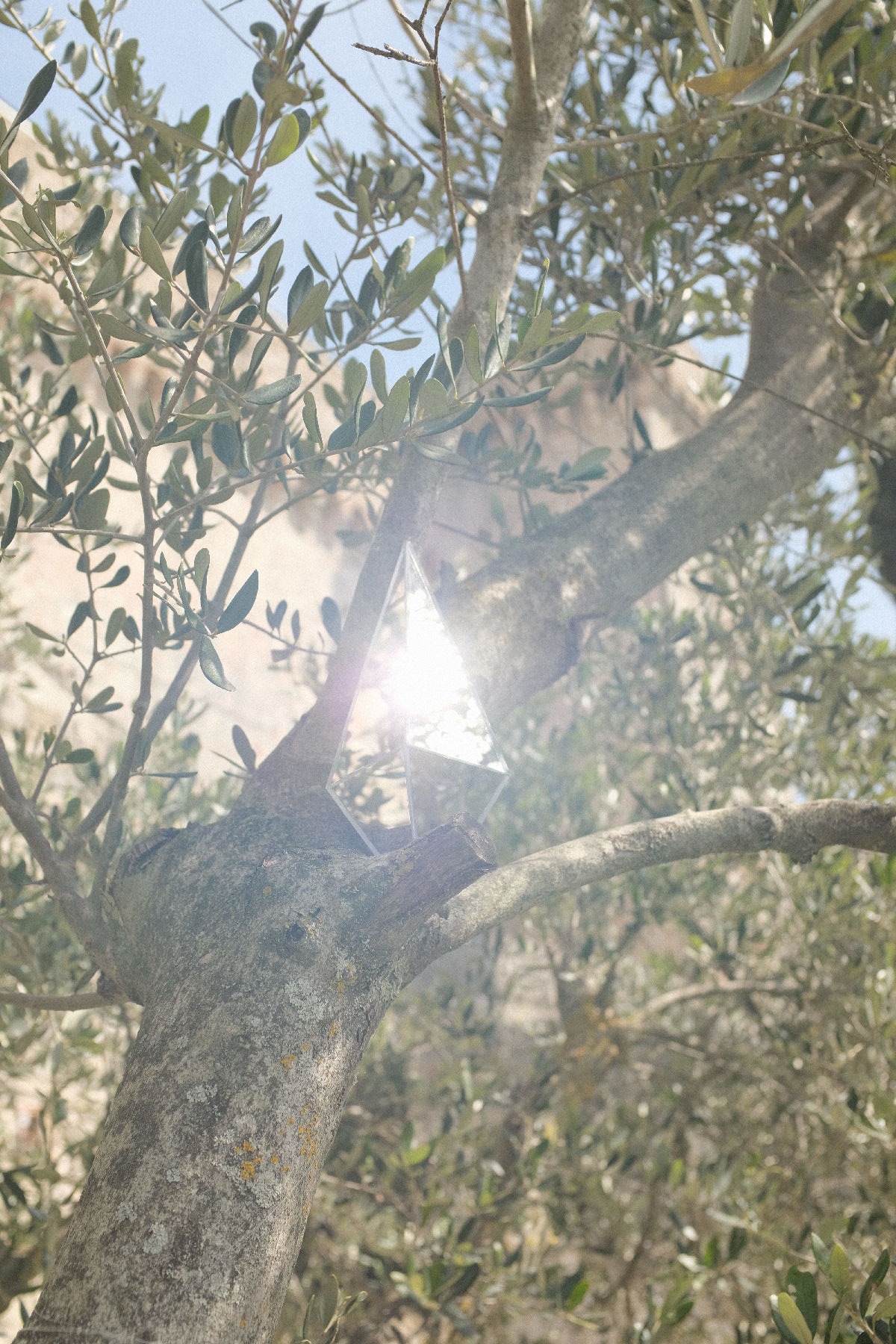
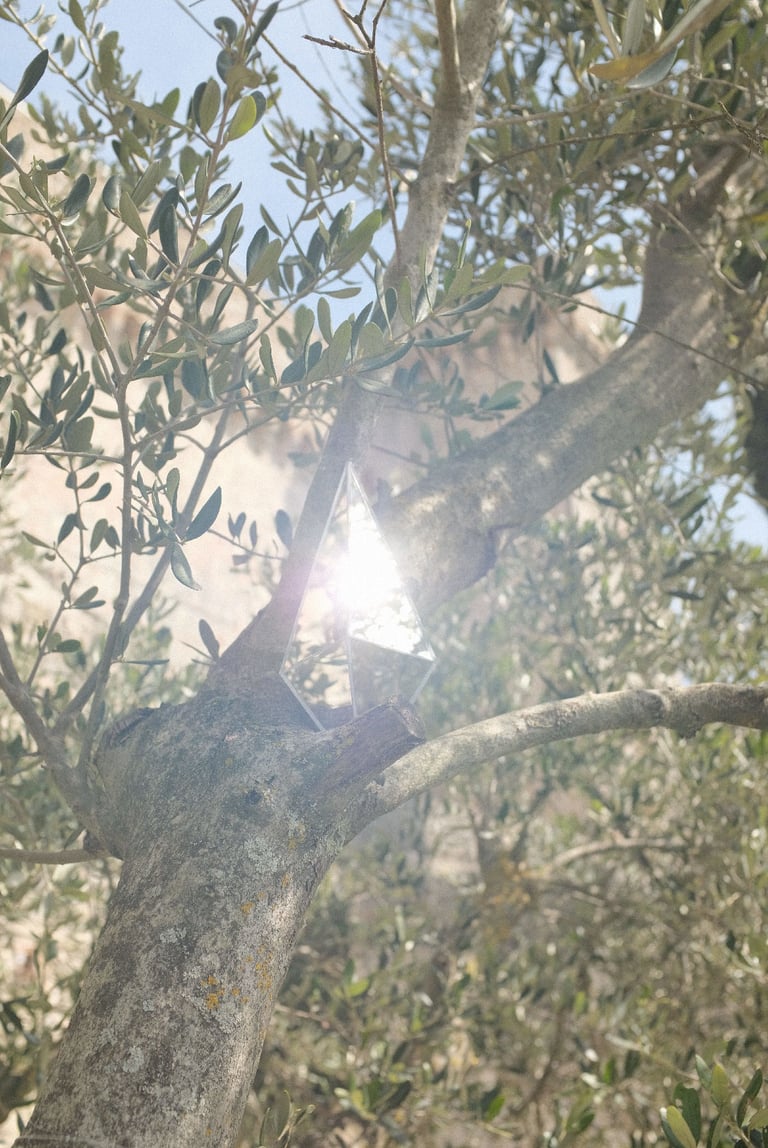
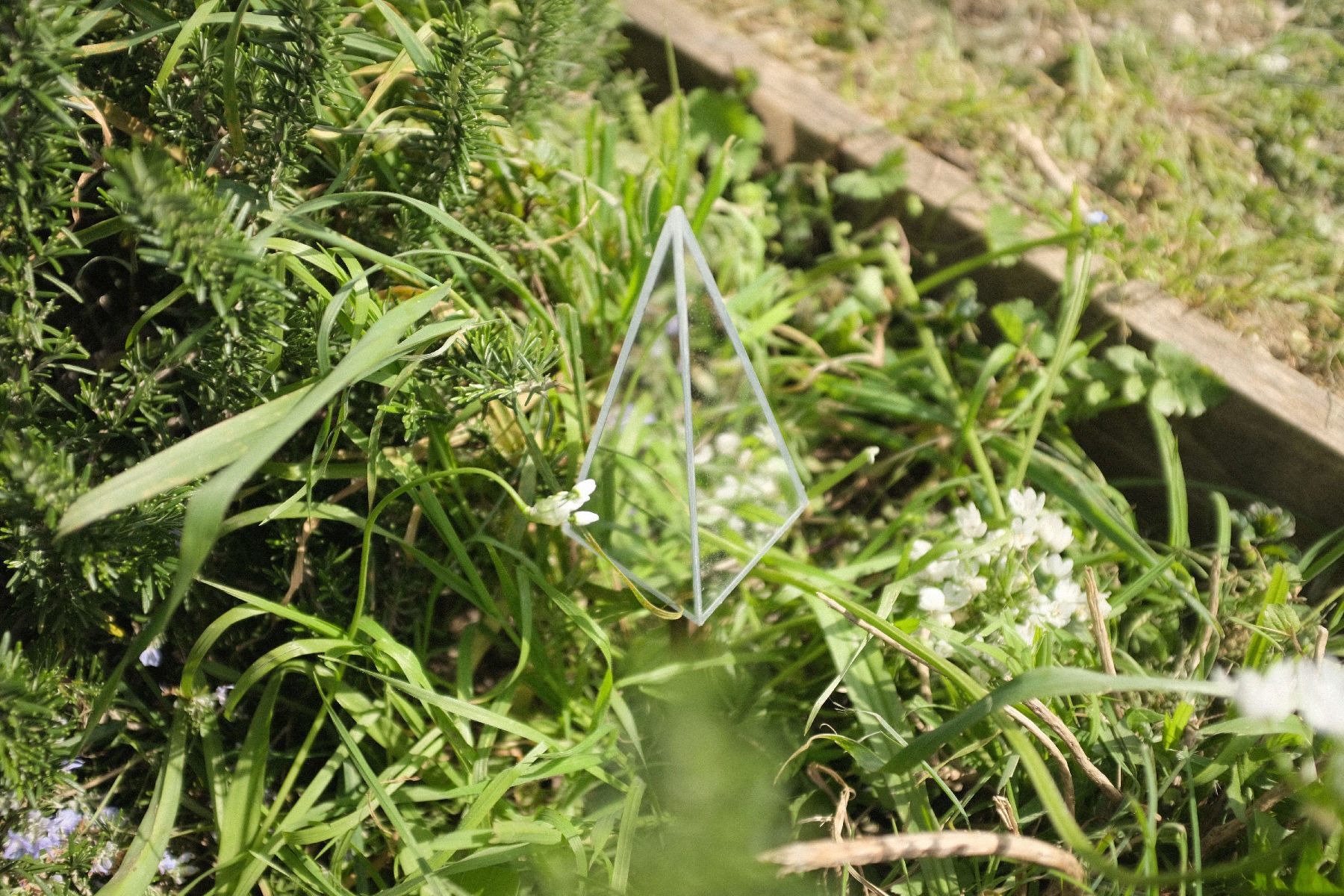
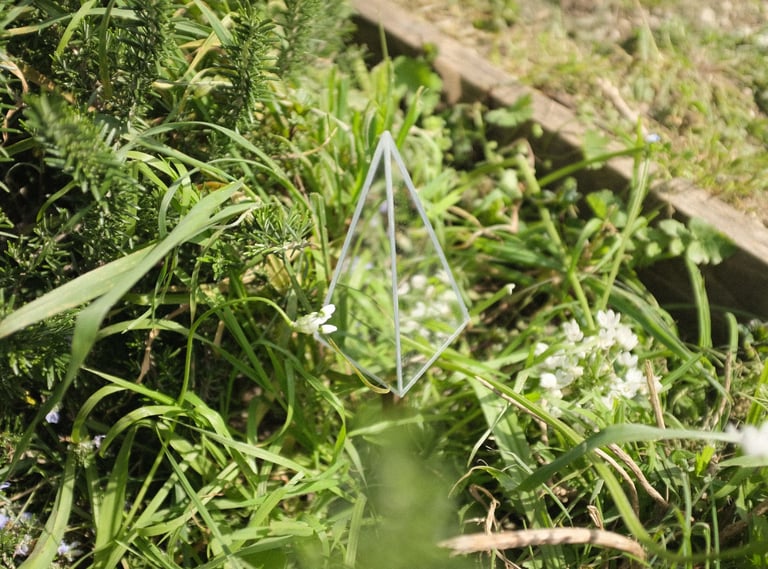
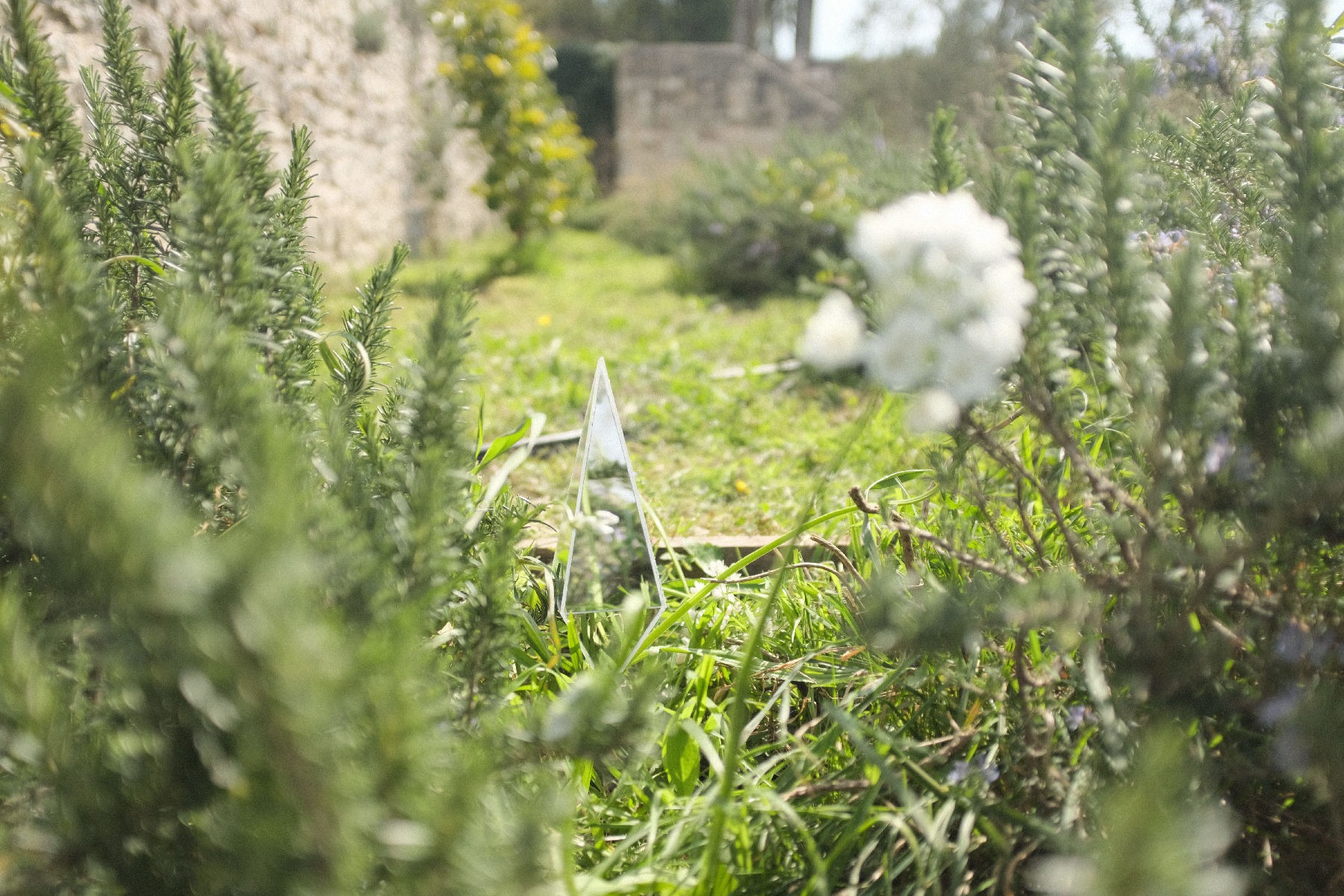
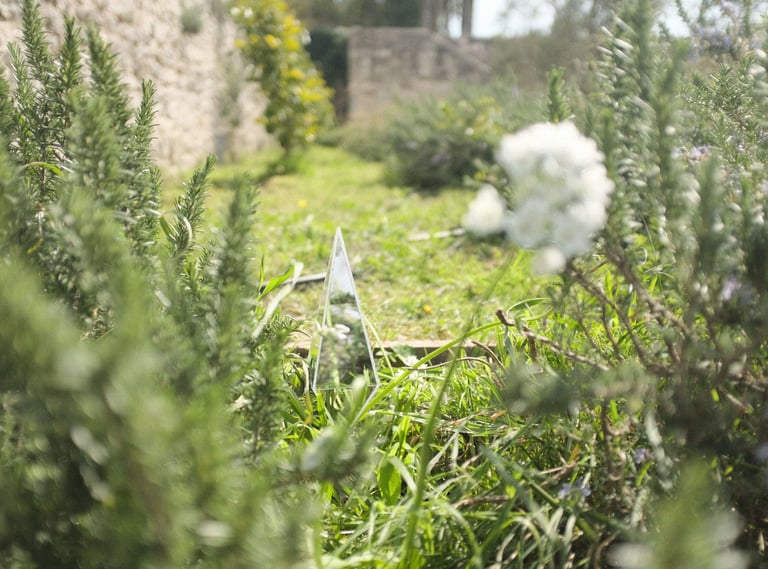
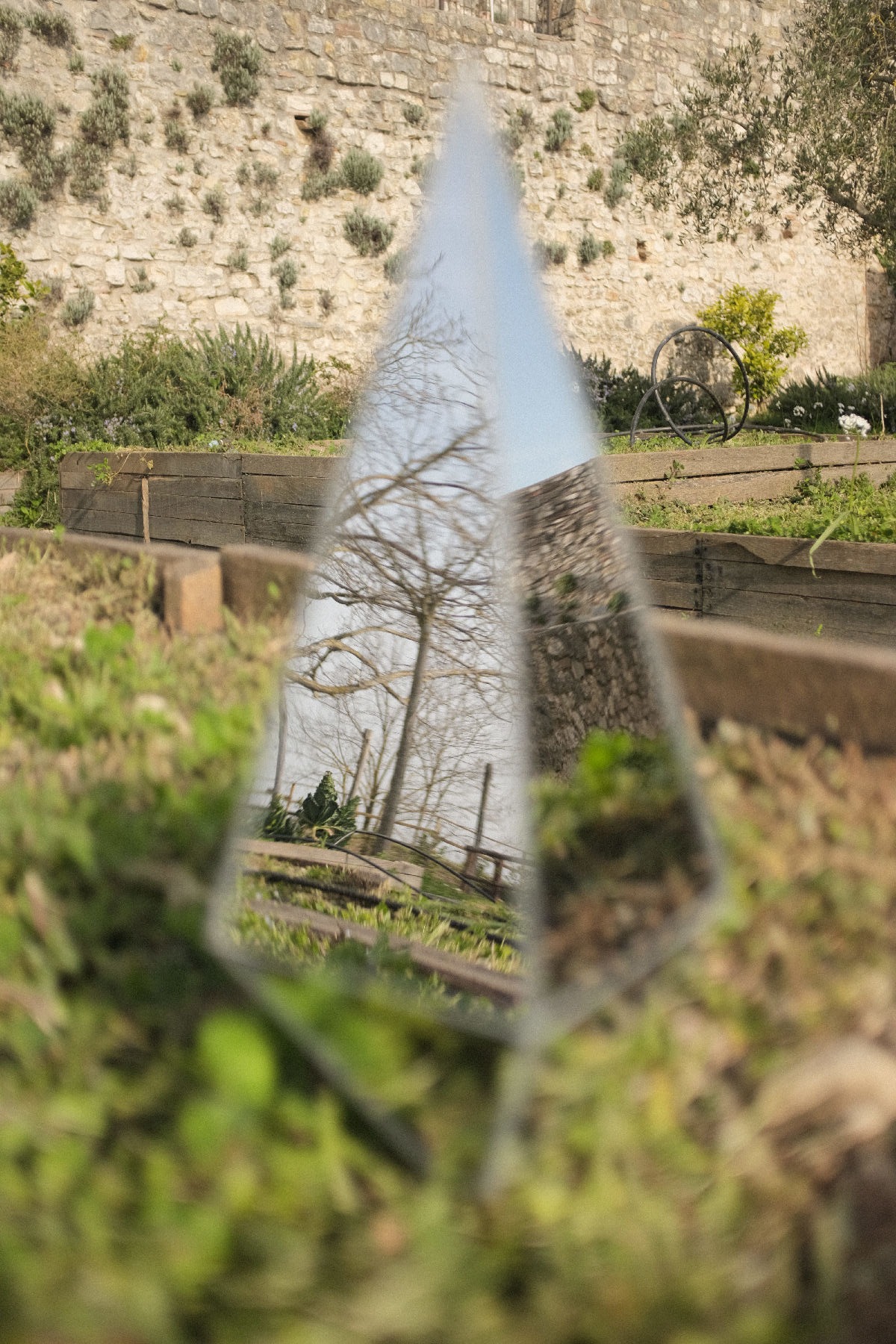
According to local popular tradition, the “gnefro” is a legendary shape-shifting creature, often described as a pixie, who is used to play tricks and pranks on wayfarers. It usually lives in small or large groups near the Marmore Waterfall, Piediluco Lake and along the Nera River, which flows a few steps away from the Fortress of Narni. This installation in the area of the gardens exploits the reflection of sunlight to recall the ethereal dimension of these elemental spirits. Cinque gnefri a zonzo invites to explore and observe with curiosity the space, understood both as architecture and as landscape, in search of the five sculptures and the pleasure of discovery. It is an exhortation to stop, to get out of the incessant productive time that is gradually colonizing leisure time and to enter a magical and playful dimension.
Cinque gnefri a zonzo, 2025, silver mirrored plexiglass, variable dimensions. Installation view at Rocca Albornoz, Narni. Courtesy the artist. Photo Jonathan Soliman Awadalla.
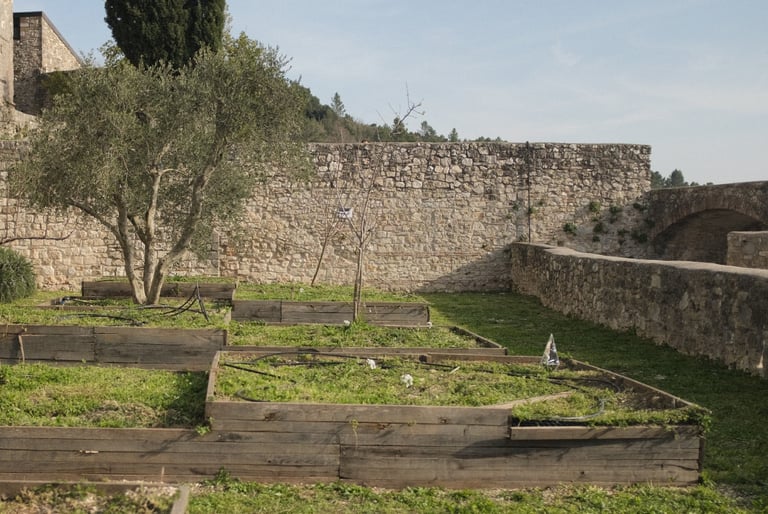
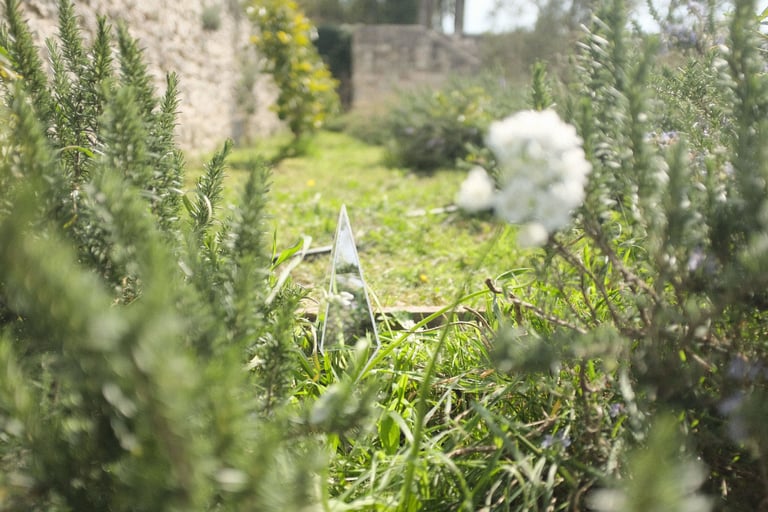
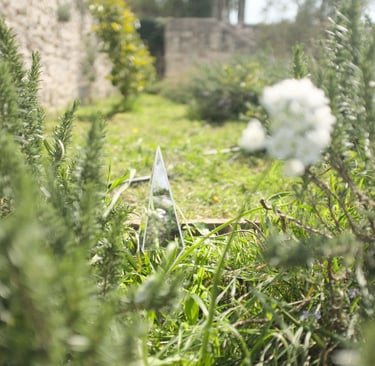
Cinque gnefri a zonzo, 2025, silver mirrored plexiglass, variable dimensions. Installation view at Rocca Albornoz, Narni. Courtesy the artist. Photo Jonathan Soliman Awadalla.
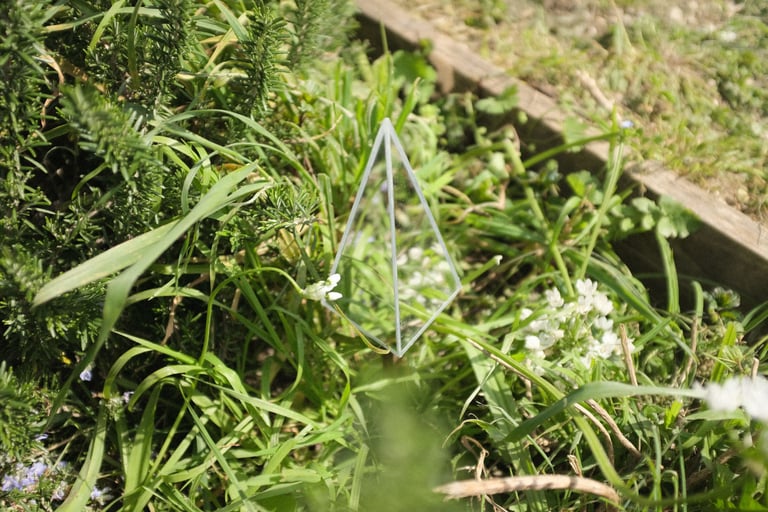
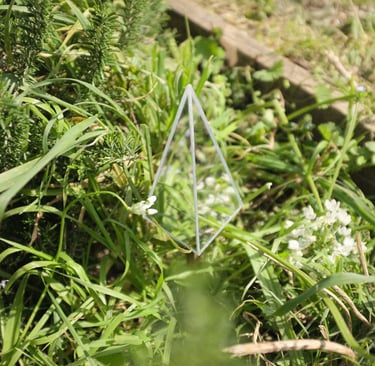
Cinque gnefri a zonzo, 2025, detail, silver mirrored plexiglass, variable dimensions. Courtesy the artist. Photo Jonathan Soliman Awadalla.
Cinque gnefri a zonzo, 2025, details, silver mirrored plexiglass, variable dimensions. Courtesy the artist. Photo Jonathan Soliman Awadalla.
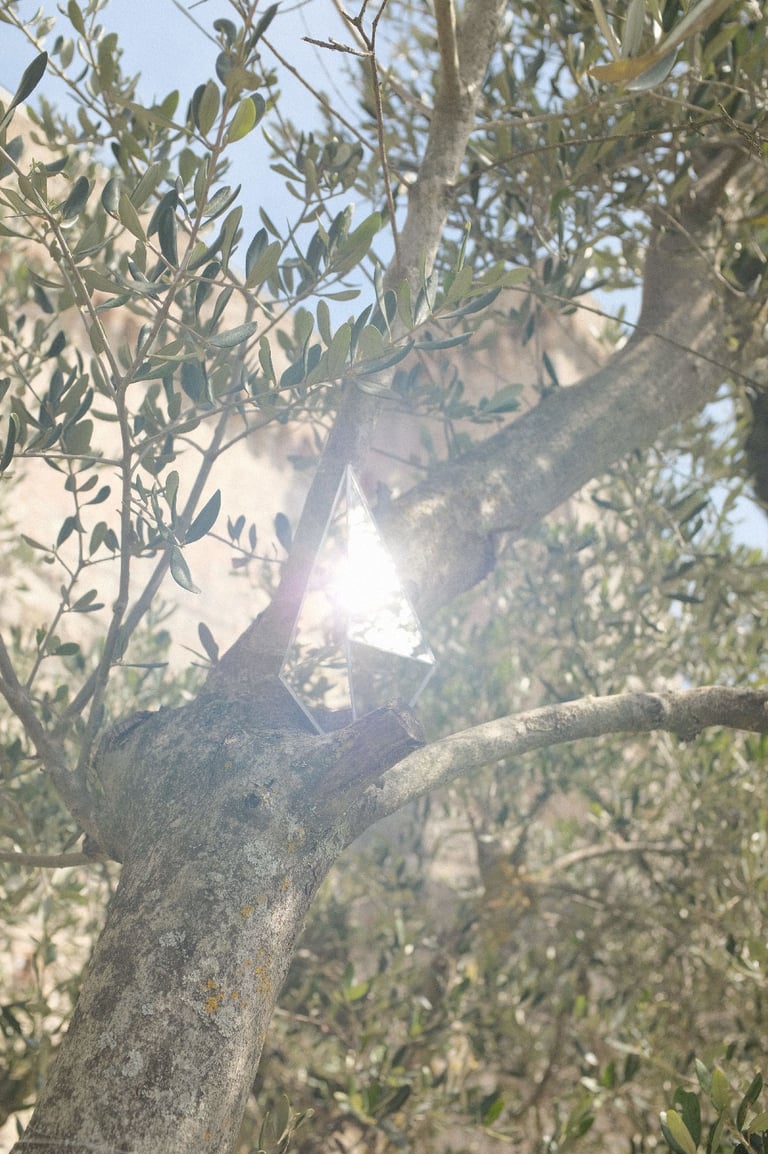
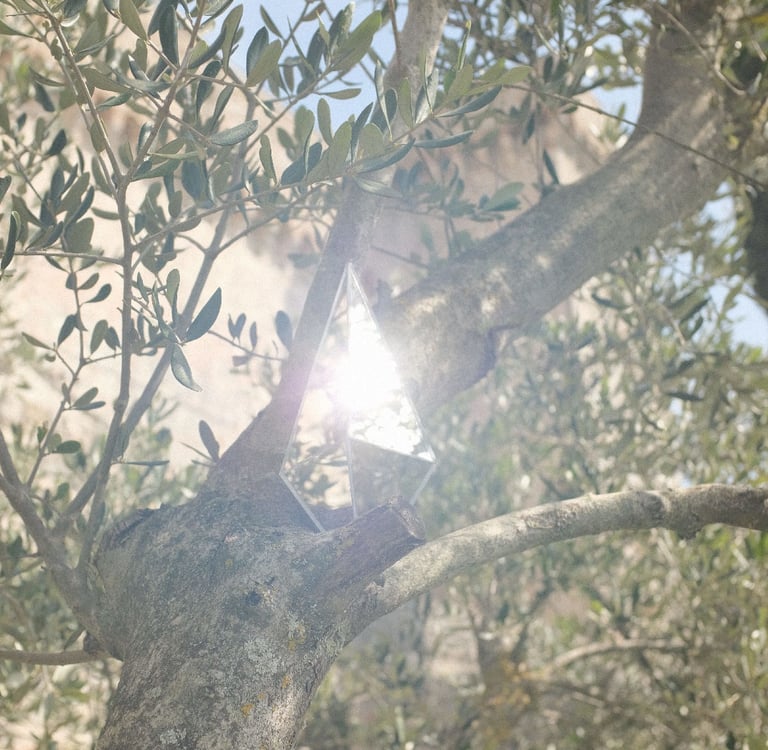
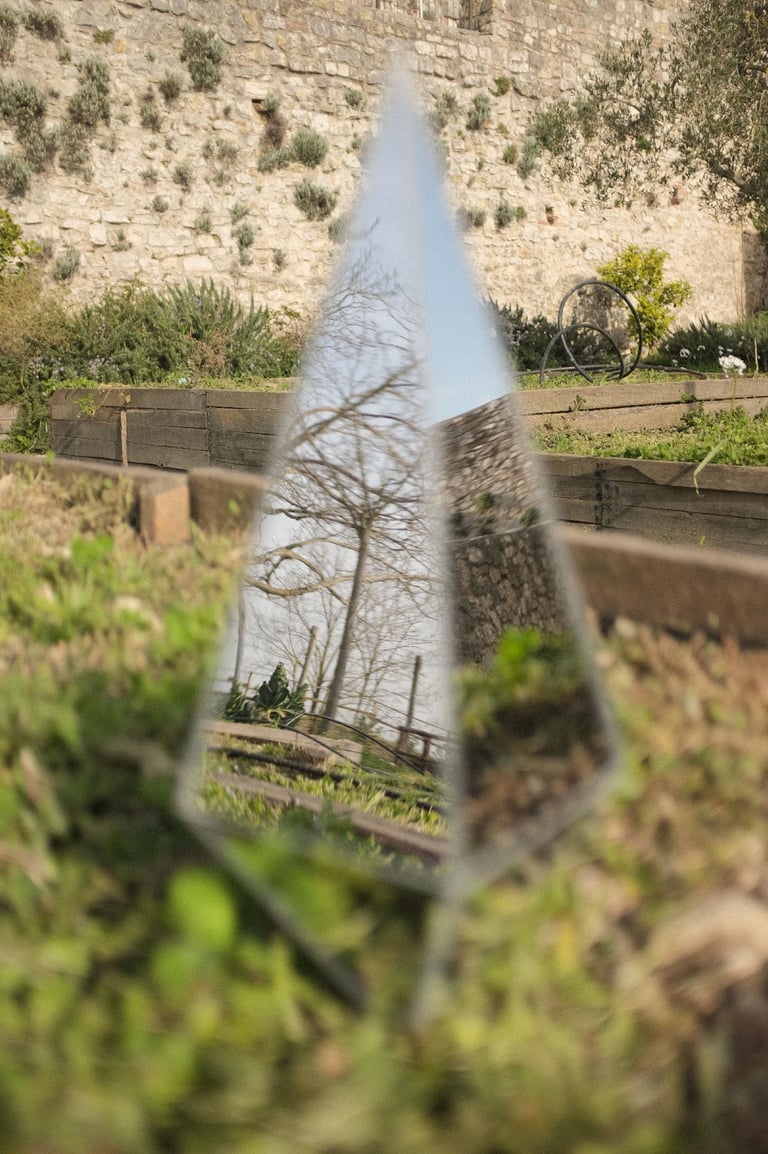
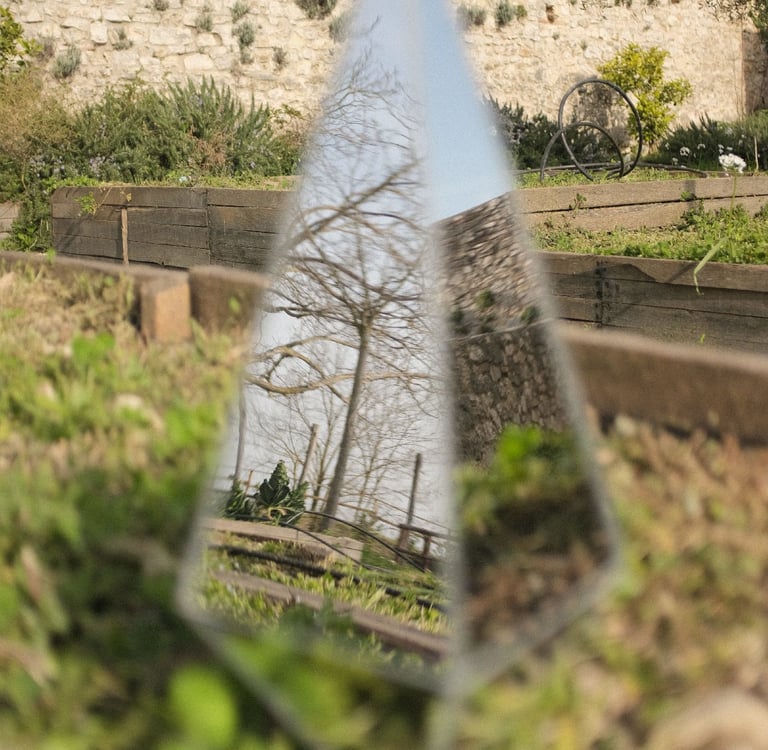
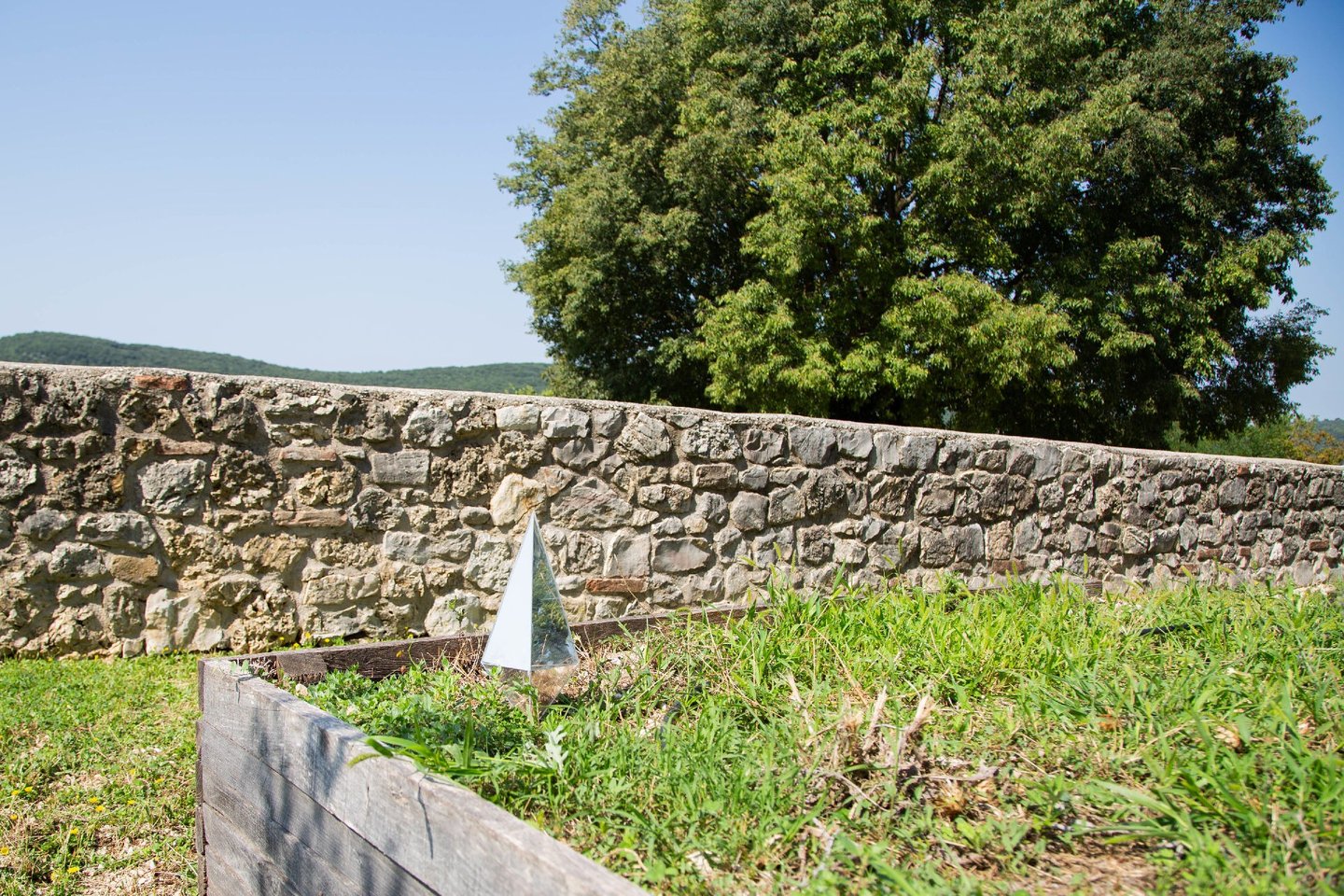
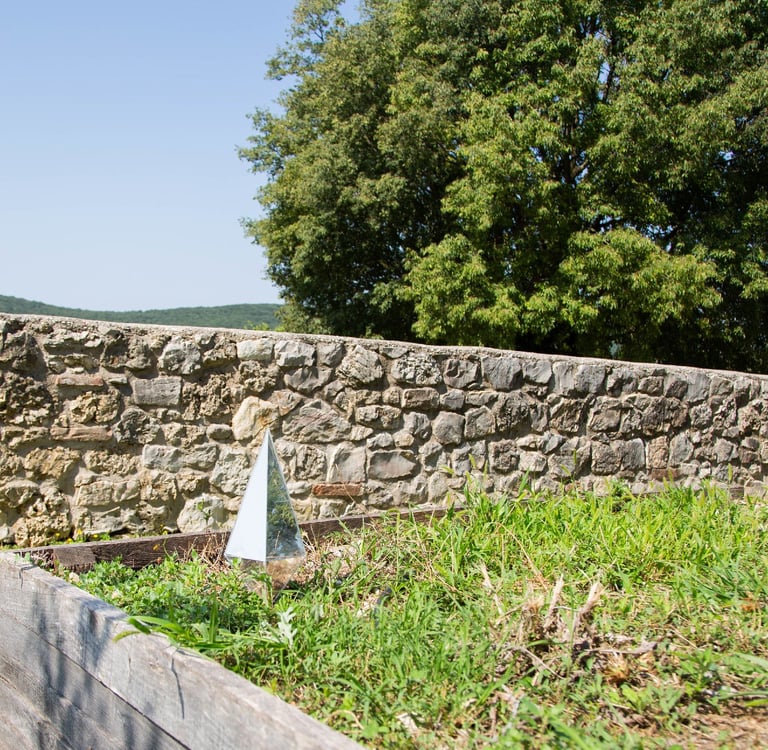
Cinque gnefri a zonzo, 2025, silver mirrored plexiglass, variable dimensions. Installation view at Rocca Albornoz, Narni. Courtesy the artist. Photo Tanita Gennari.
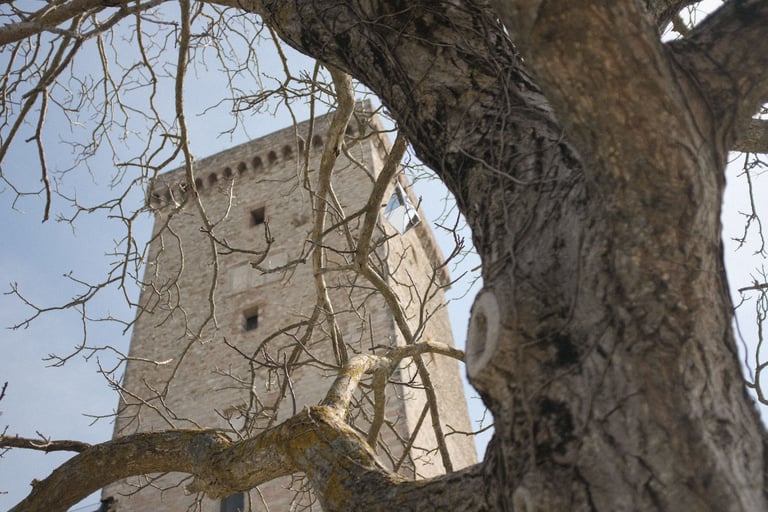
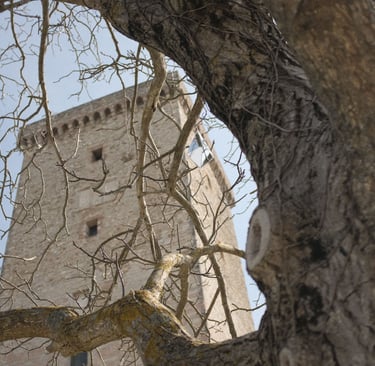
Cinque gnefri a zonzo, 2025, silver mirrored plexiglass, variable dimensions. Installation view at Rocca Albornoz, Narni. Courtesy the artist. Photo Jonathan Soliman Awadalla.
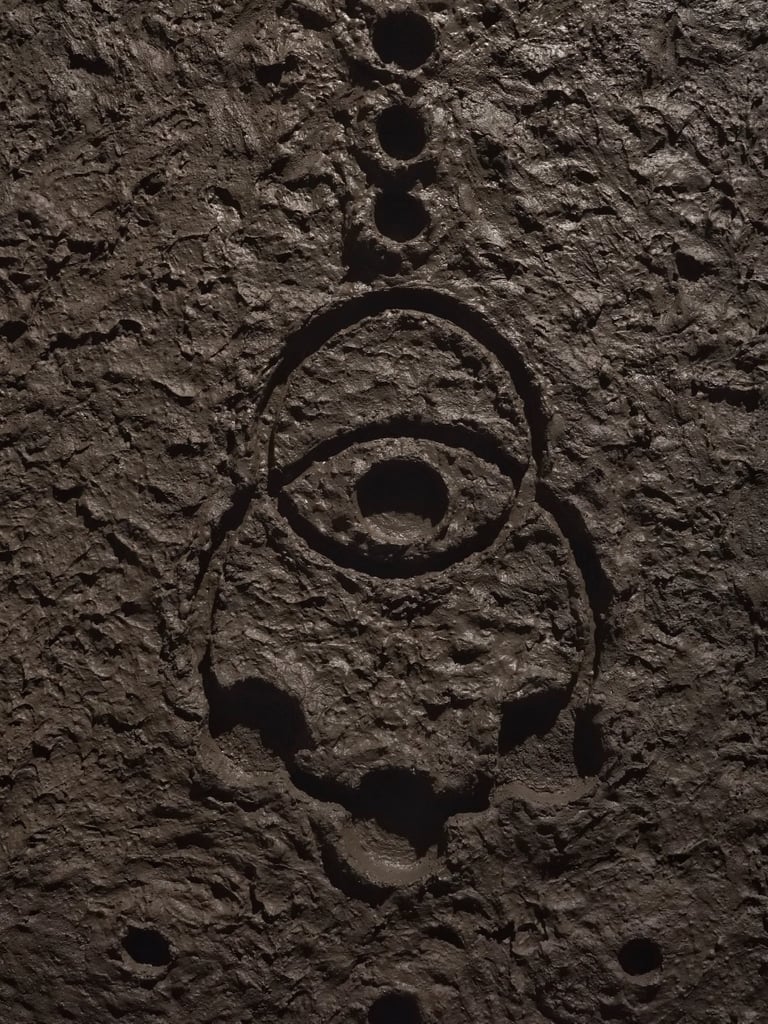
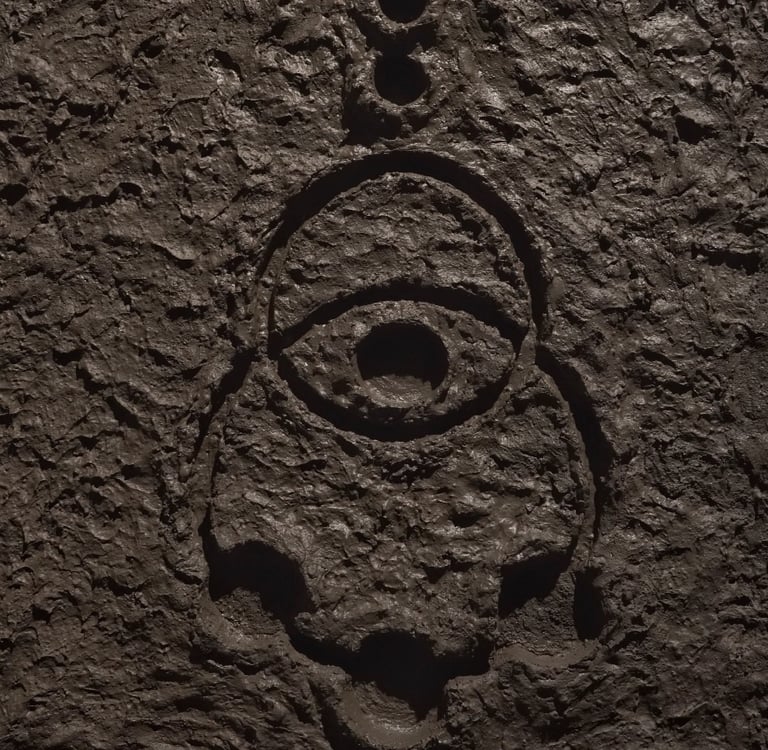
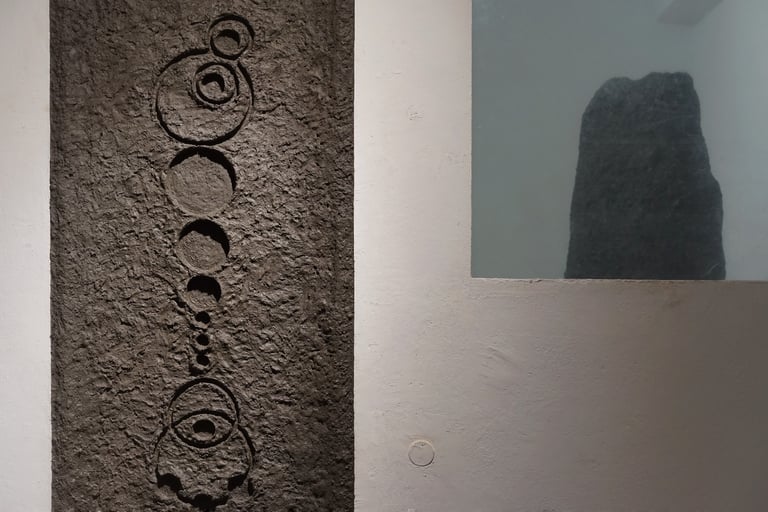
WHEN AND WHERE I LOST MY OTHER EYE?, Cattedra Caccioni, ABABO Academy of Fine Arts of Bologna.
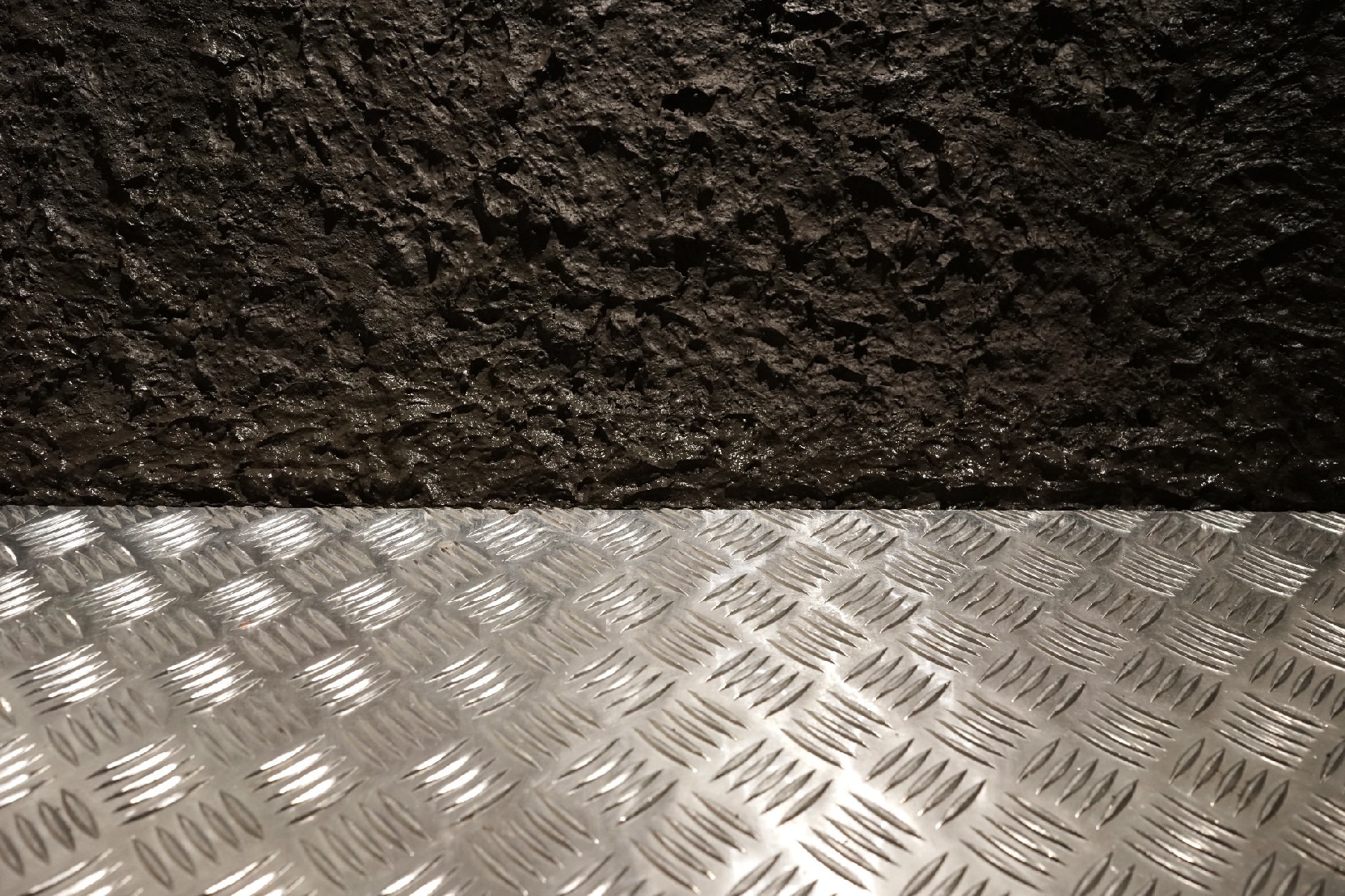
This installation work attempts a new connotation of the pre-existing space, transforming it into a kind of aseptic laboratory in which an extraterrestrial discovery is quarantined and studied. What/who is alien if we drifted so far apart from the ground beneath our feet that we came to objectify and analyse it in a cold and detached manner? The use of soil collected from an old hemp pulper becomes a sign of a radical deconstruction to return to the essential and to lighten the perception by excessive, misleading superstructures. The last vestige of the otherworldly and supernatural lurks in the unknown and the extraterrestrial, as it persists in a grey area beyond the reach of the watchful eye of consumerism. The choice of blocking the fruition, suspending it and making the work located behind inaccessible, is intended to refer to the isolation required of the initiate, to preserve the subjective and personal sacredness of the inner dimension/time.
When and where I lost my other eye?, 2025, mixed media, environmental dimensions. Installation view at Cattedra Caccioni, ABABO. Courtesy the artist.
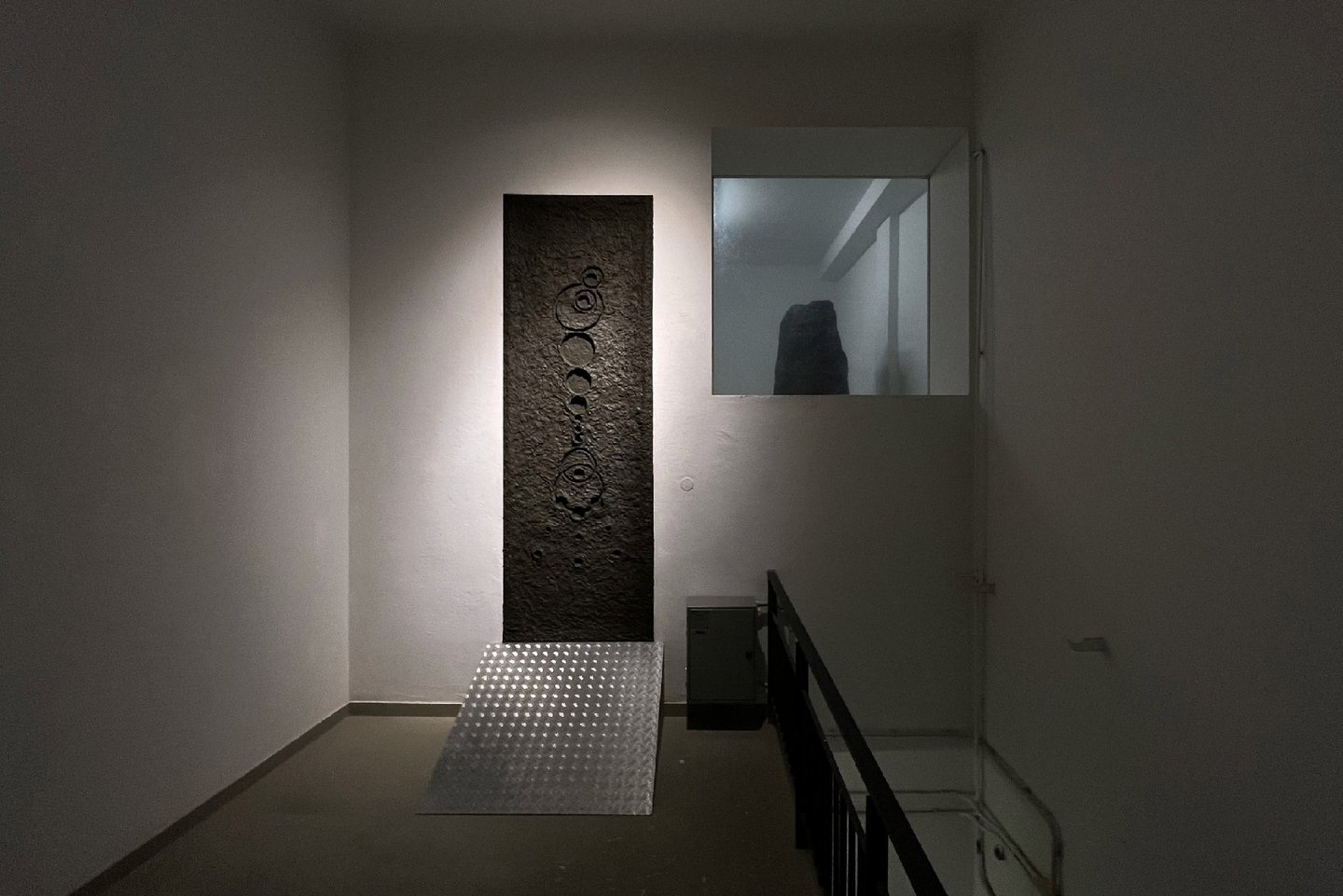
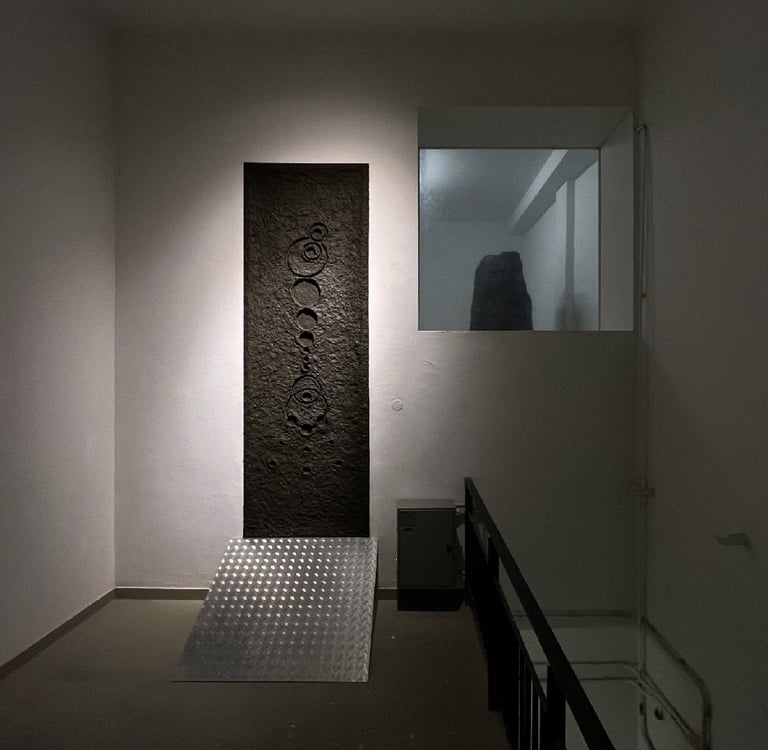
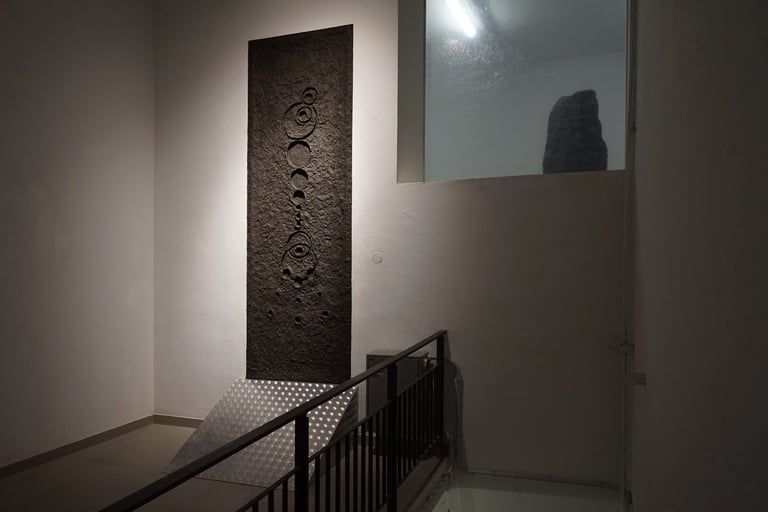
When and where I lost my other eye?, 2025, mixed media, environmental dimensions. Installation view at Cattedra Caccioni, ABABO. Courtesy the artist.
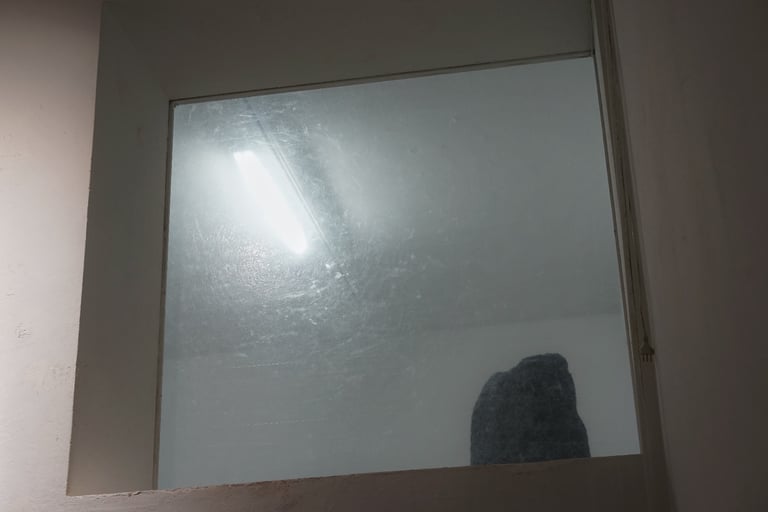
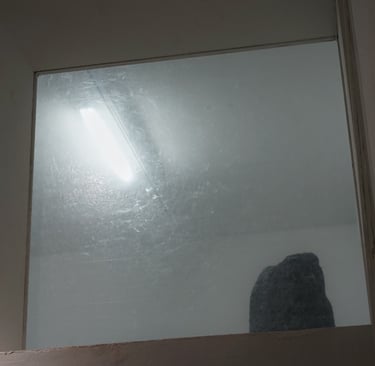
When and where I lost my other eye?, 2025, detail, mixed media, environmental dimensions. Courtesy the artist.
When and where I lost my other eye?, 2025, details, mixed media, environmental dimensions. Courtesy the artist.
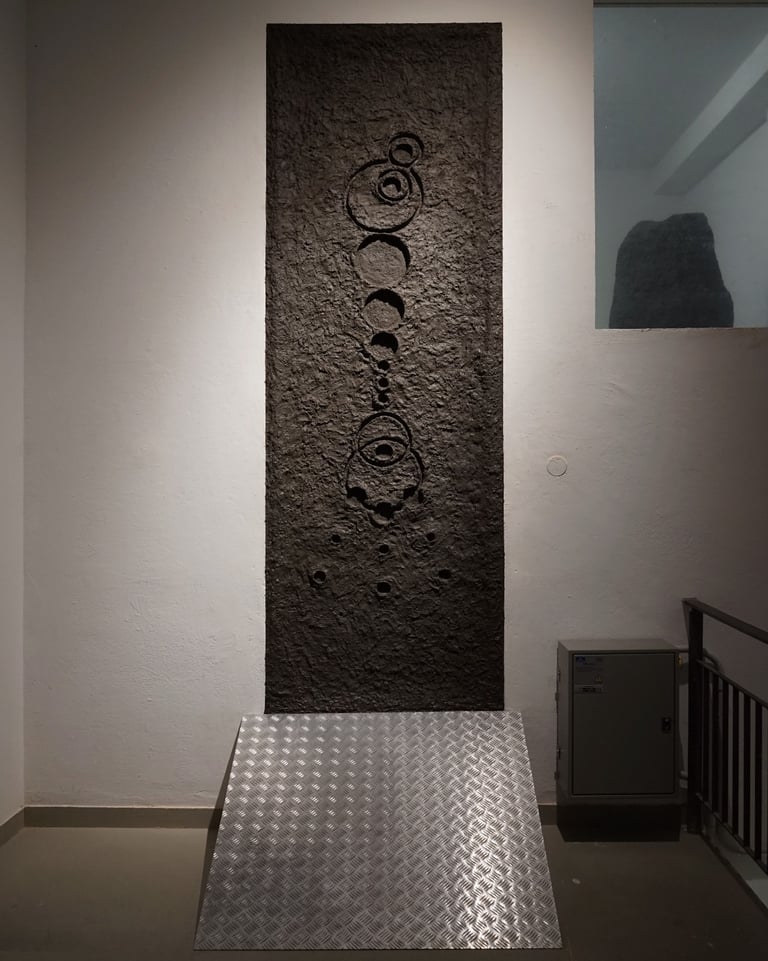
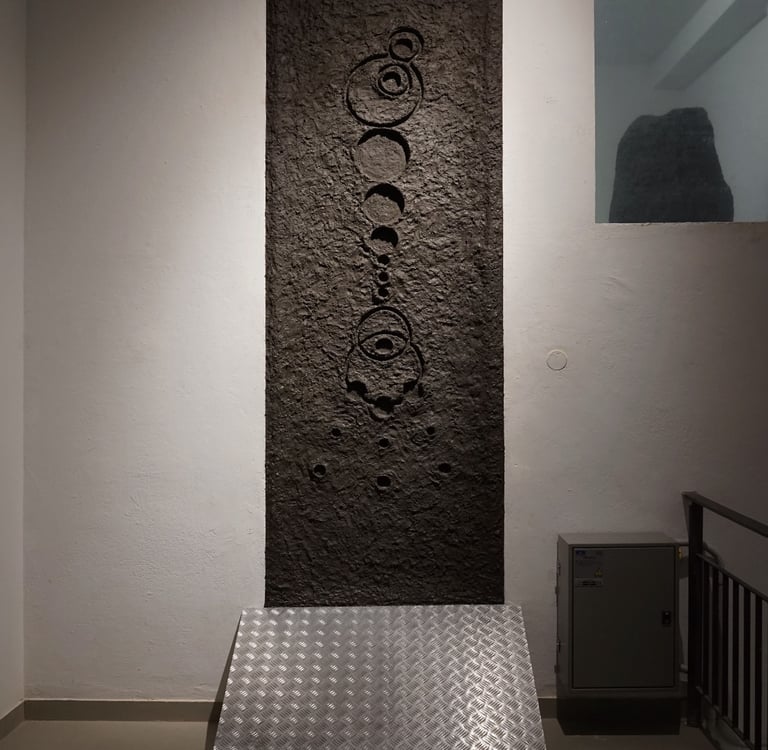
When and where I lost my other eye?, 2025, detail, mixed media, environmental dimensions. Courtesy the artist.
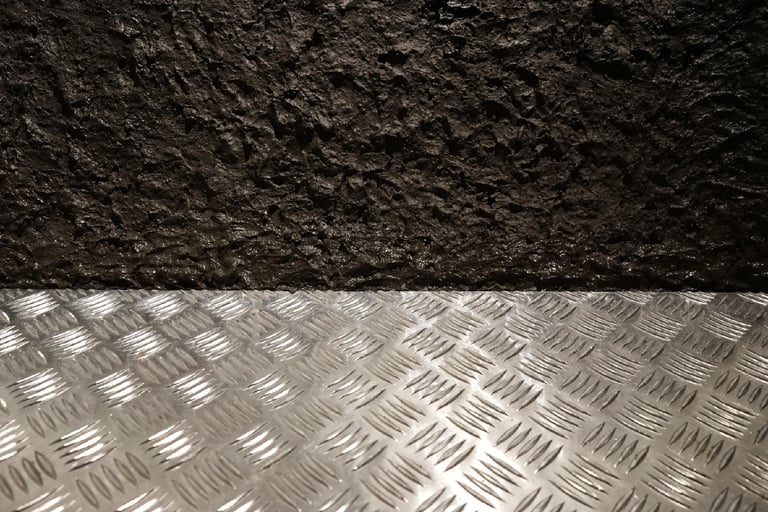
When and where I lost my other eye?, 2025, detail, mixed media, environmental dimensions. Courtesy the artist.
THROUGH THE UNKNOWN REMEMBERED GATE, curated by Massimo Bartolini, Giovanni Gamberi and Corrado Gagliano, Via del Guasto, Bologna.
Thanks to the contribution of archaeoacoustics, it was discovered that the specific architecture of ancient sacred sites was capable of channelling sound and directly influencing those present, inducing non-ordinary perceptions, visions and states of consciousness. The space under the grate in which the installation is located acts as a resonance chamber for the constant playing of tones between 90 and 120 Hz, the same frequency range found in numerous prehistoric places of worship. This particular spatial configuration can refer to the descent, from where one is to a deeper point in the underground, as well as its opposite, that is, an ascension of the subsurface and the non-visible which returns from under ground/under skin. The installation’s location aims to challenge conventional ways of engagement with the work, highlighting the superstructural patina that distorts our perception and experience of both the present and the past.
Through the unknown remembered gate, 2025, soil of pulper, 35 min audio loop, variable dimensions. Installation view at Via del Guasto, Bologna. Courtesy the artist. Photo Luca Rubertà.
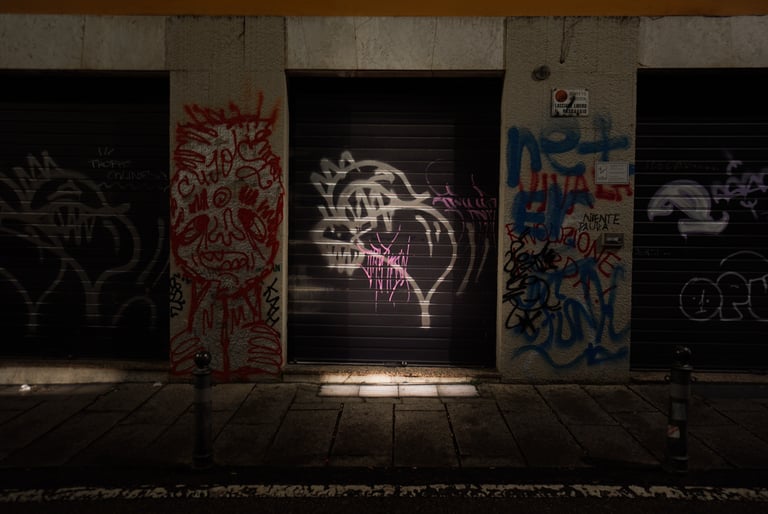
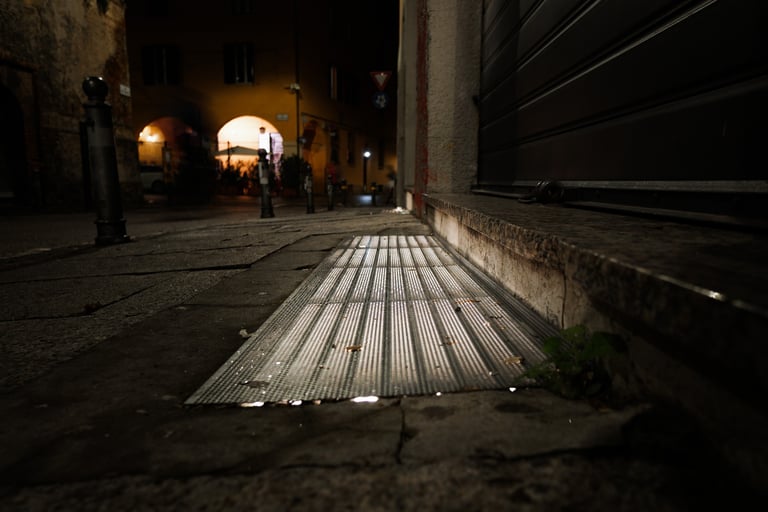
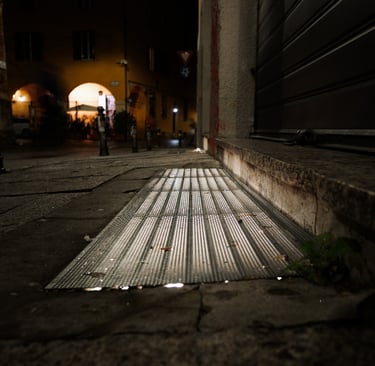
Through the unknown remembered gate, 2025, soil of pulper, 35 min audio loop, variable dimensions. Installation view at Via del Guasto, Bologna. Courtesy the artist. Photo Luca Rubertà.
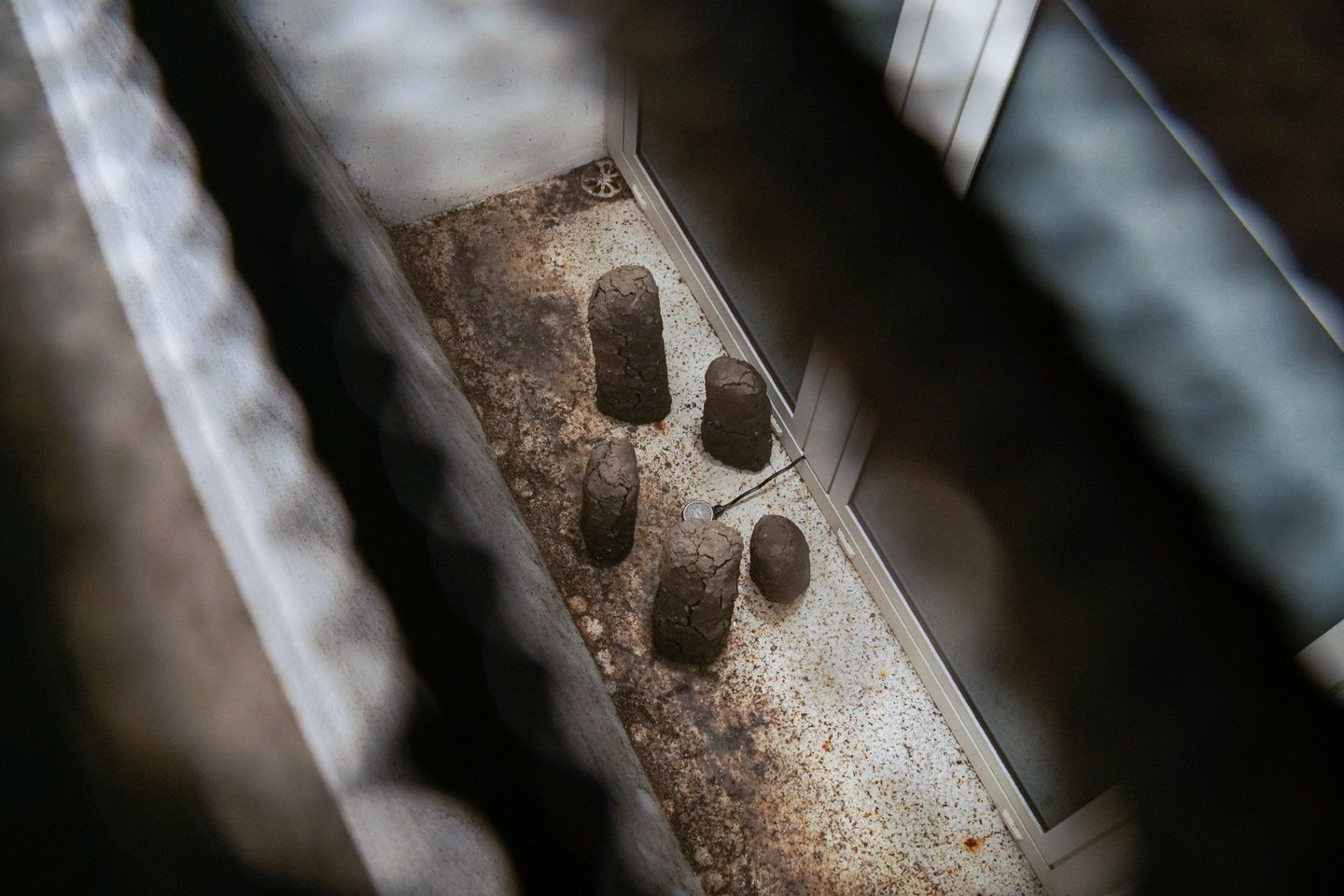
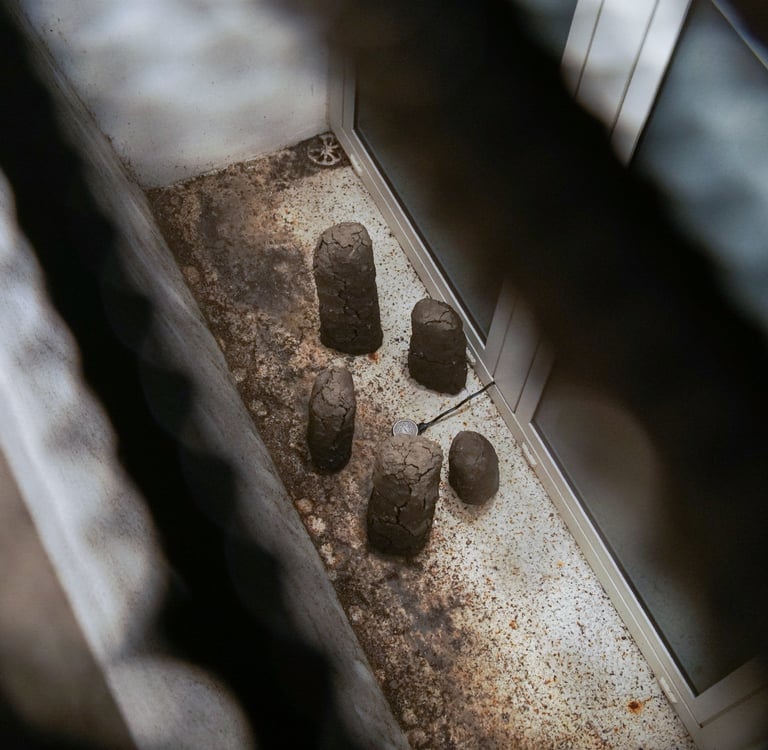
Through the unknown remembered gate, 2025, soil of pulper, 35 min audio loop, variable dimensions. Installation view at Via del Guasto, Bologna. Courtesy the artist. Photo Luca Rubertà.
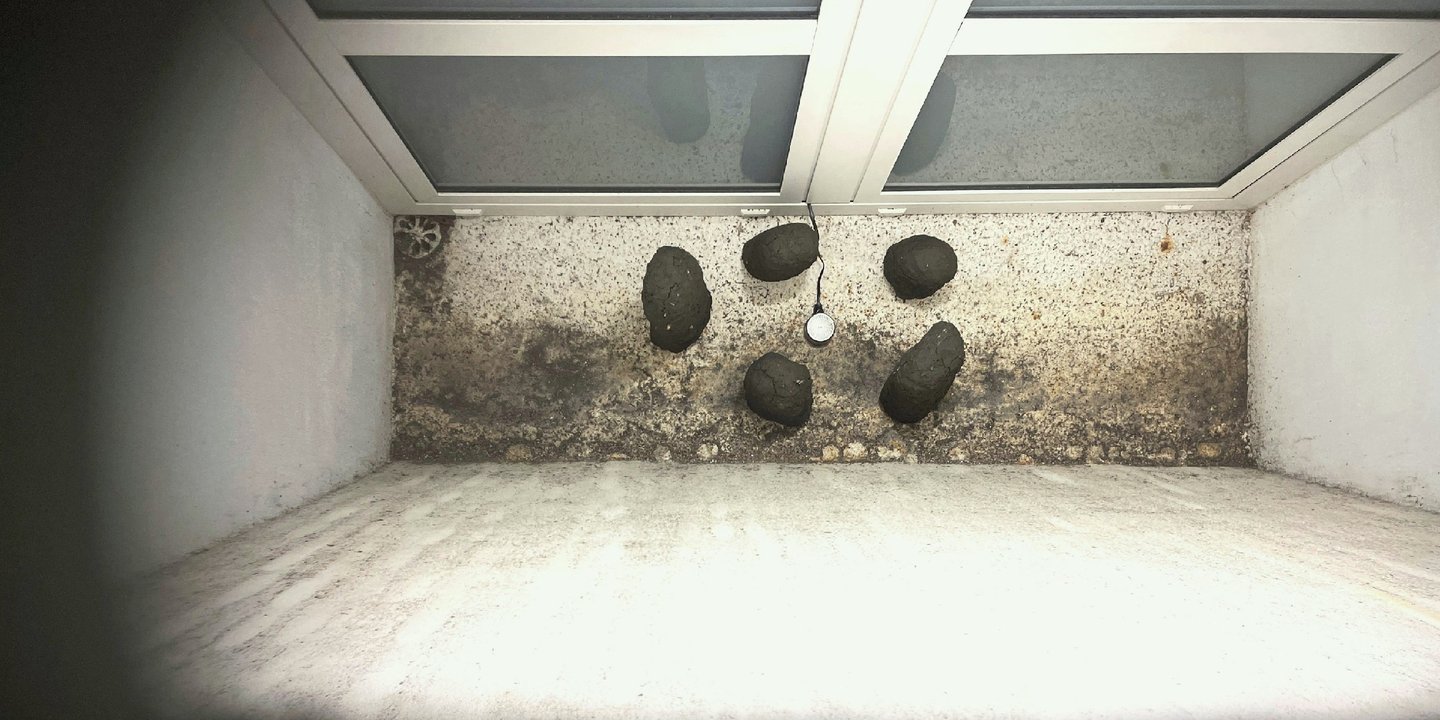
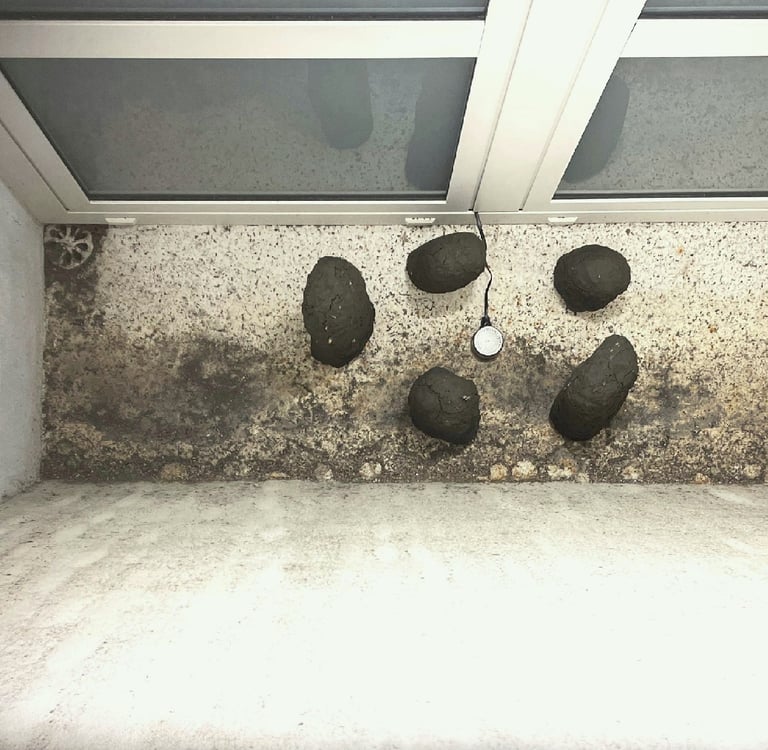
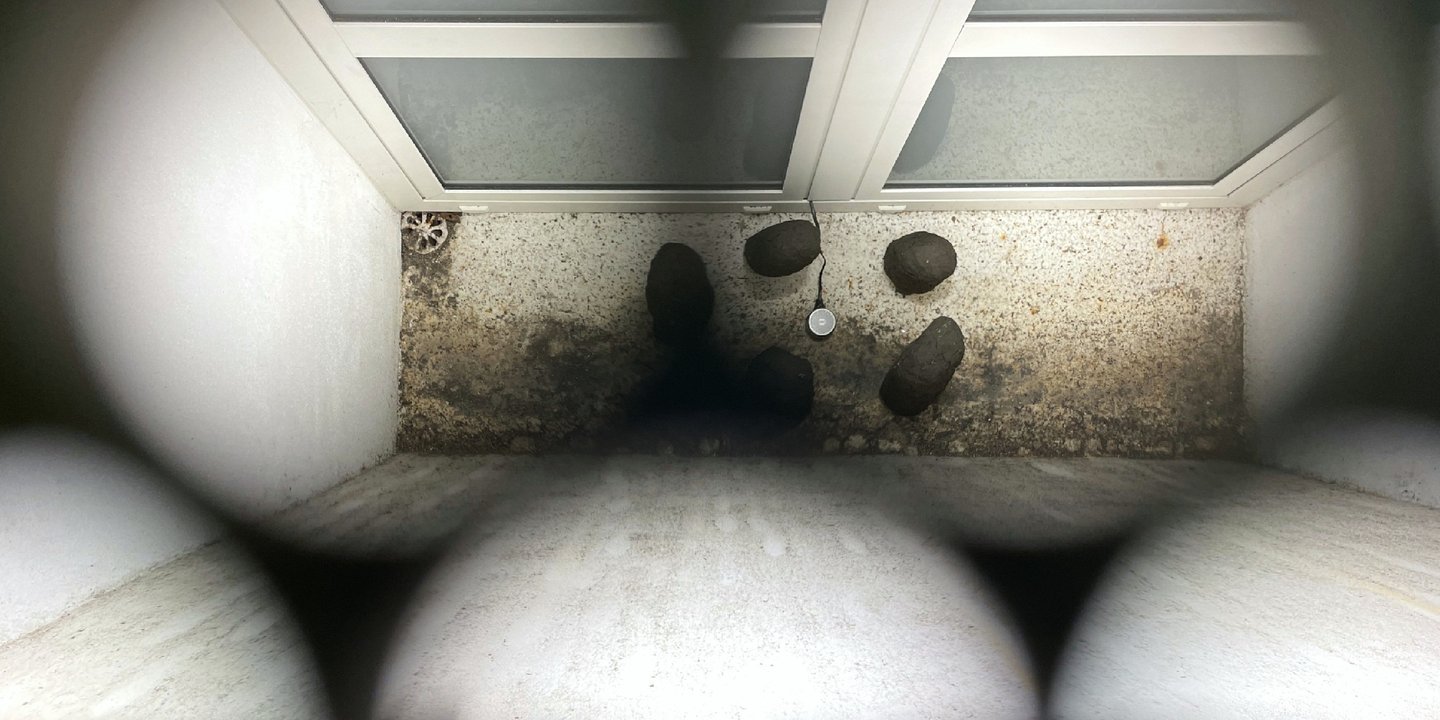
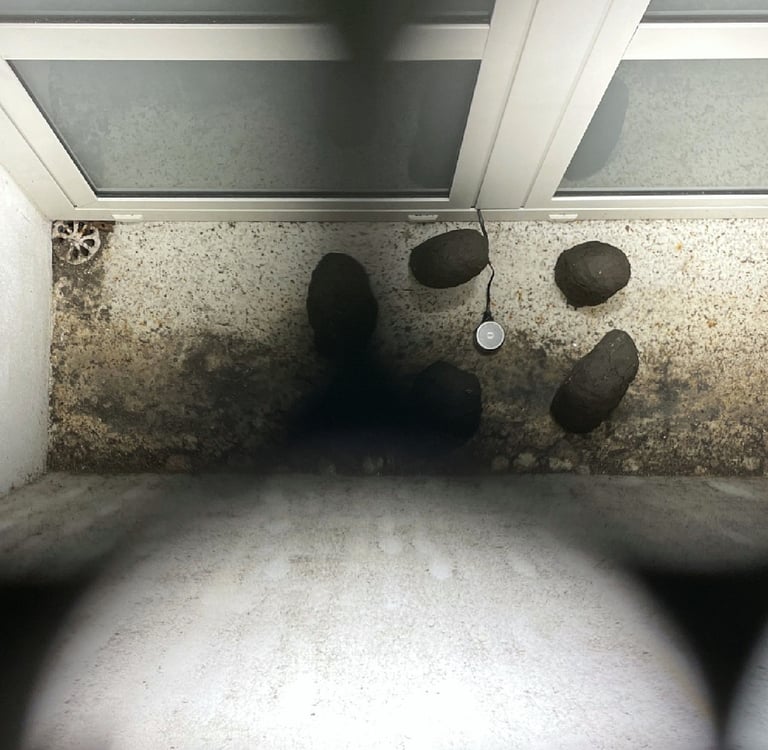
Through the unknown remembered gate, 2025, details, soil of pulper, 35 min audio loop, variable dimensions. Courtesy the artist.
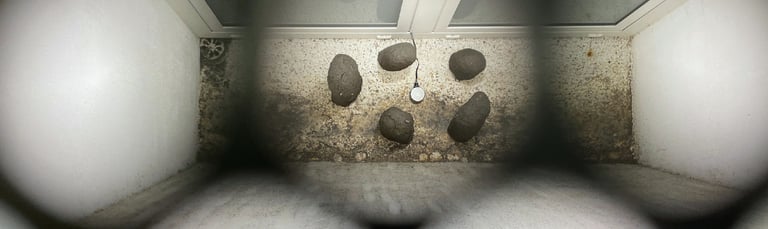
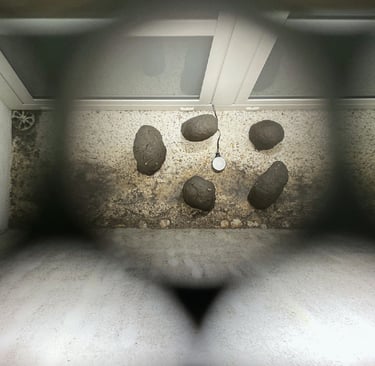
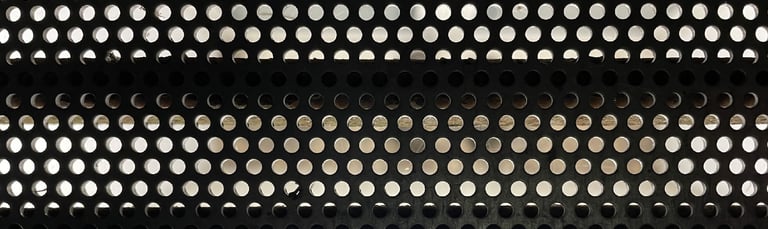
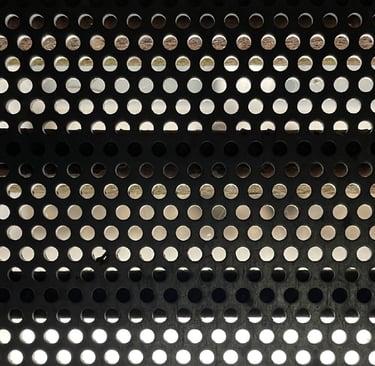
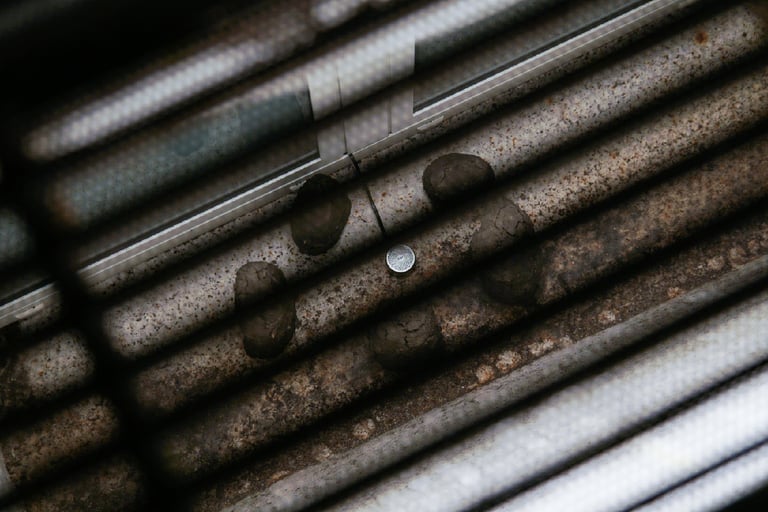
Through the unknown remembered gate, 2025, detail, soil of pulper, 35 min audio loop, variable dimensions. Courtesy the artist. Photo Luca Rubertà.
LE FRAGOLE NON CRESCONO SOLO D'AUTUNNO, CambiaMenti Festival, Spazio Bianco DumBO, Bologna.
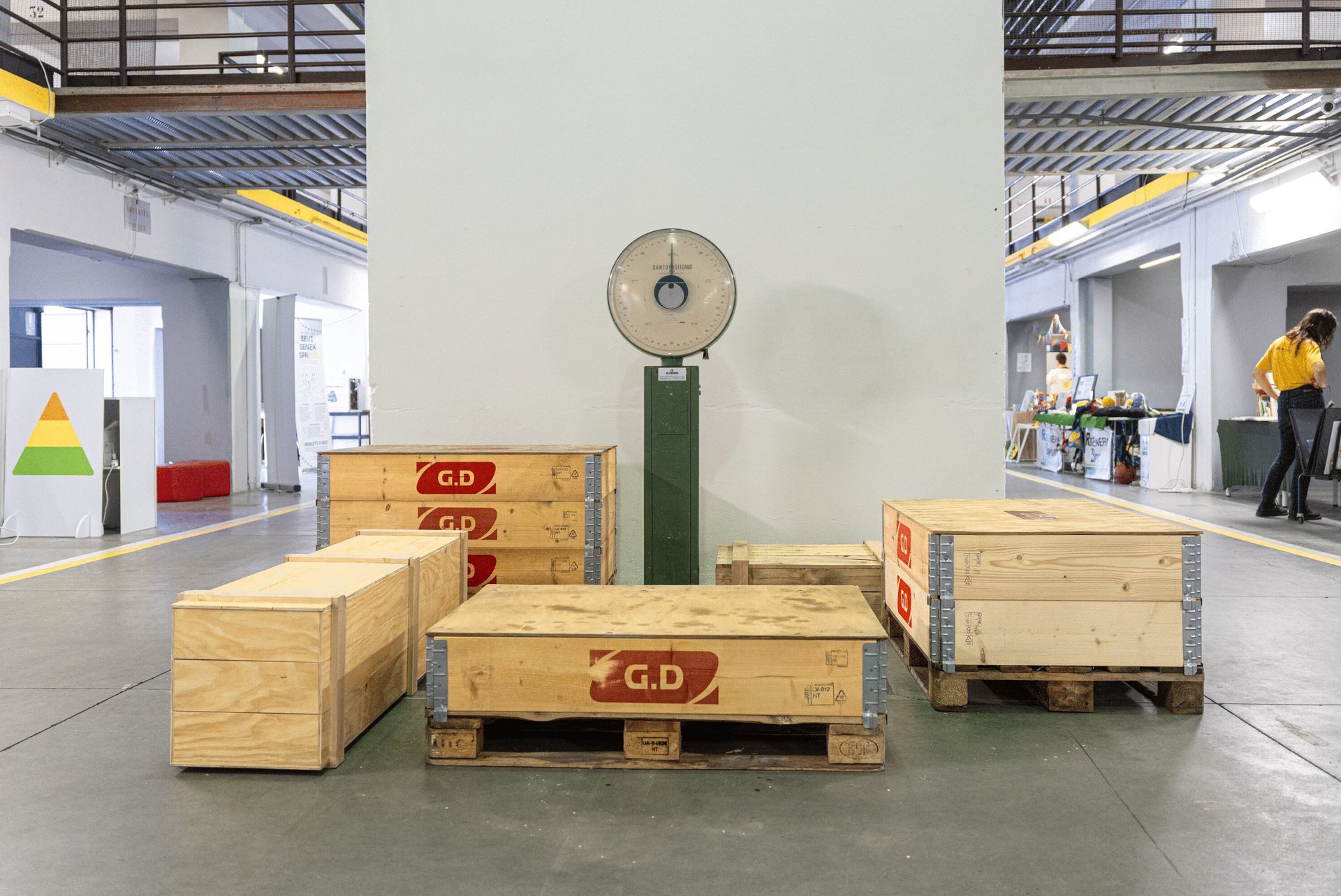
This work stems from the investigation of the processes of appropriation and commodification of natural resources implemented by global capitalism and their impact on the state of decay of the planet. Artistic production participates in the same logic of exploitation of the Earth. With Le fragole non crescono solo d’autunno, the artist intends to reflect on the possibility of operating in a sustainable way, perhaps this time uncovering less reassuring questions. Is sustainability still an aspiration? The archiving of past attempts and elements previously used in his installations, arranged around the platform of an underground floor scale, represent the contradictions between the purpose and the end of these now defunct presences. There remains the opportunity to say goodbye to everything that hoped not to end up like that.
Le fragole non crescono solo d'autunno, 2024, mixed media, variable dimensions. Installation view at Spazio Bianco DumBO, Bologna. Courtesy the artist. Photo Mattia Belletti.
2024
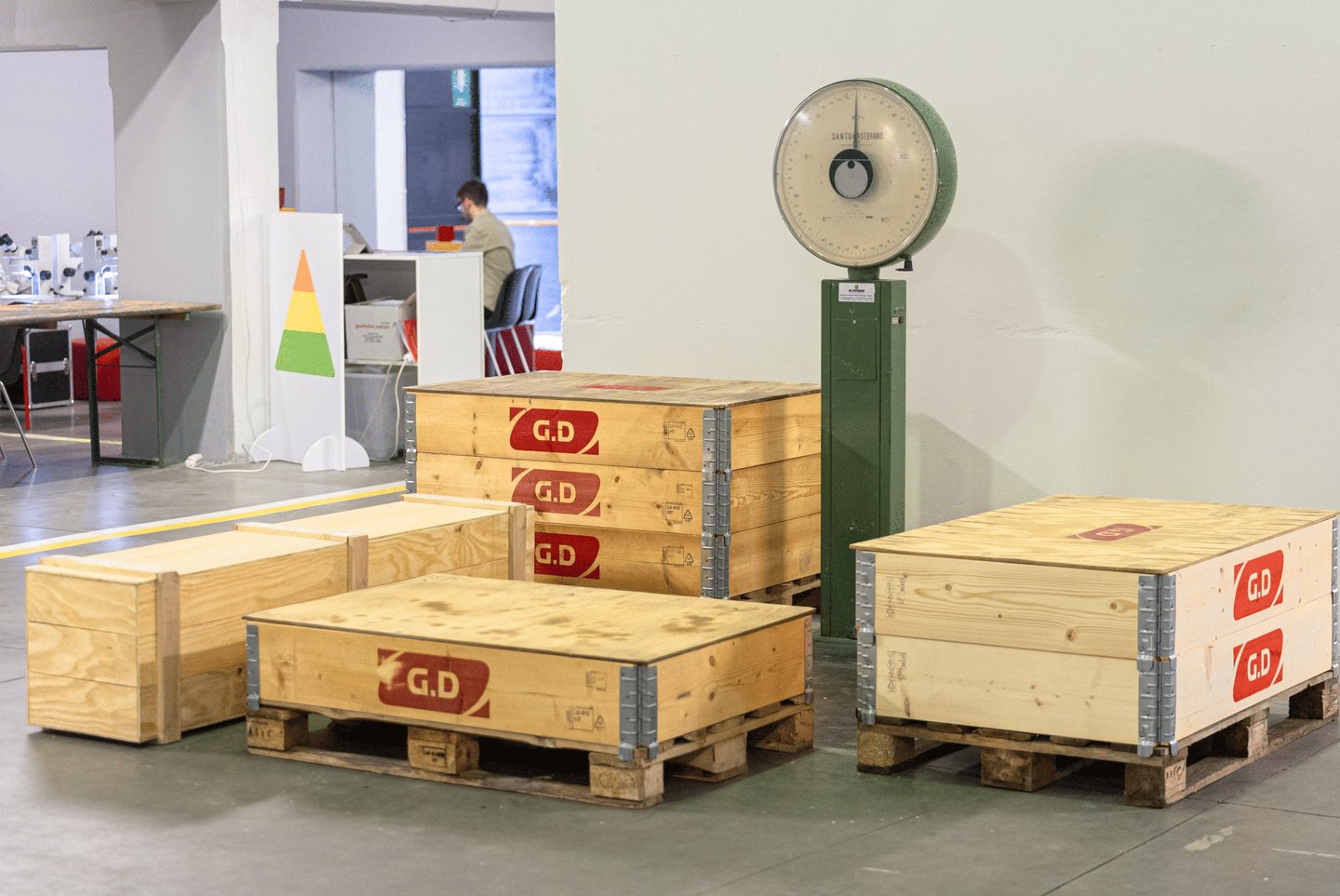
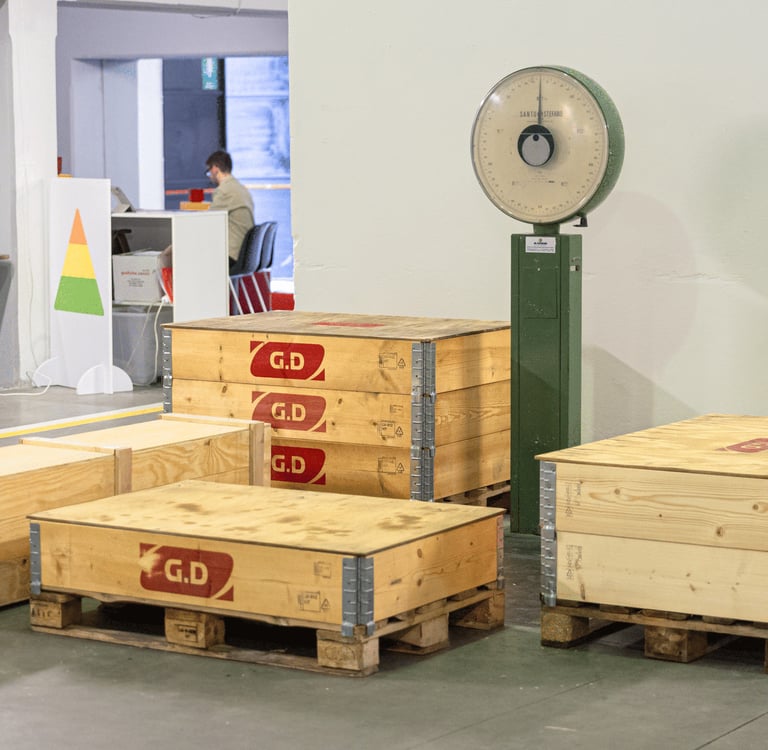
Le fragole non crescono solo d'autunno, 2024, mixed media, variable dimensions. Installation view at Spazio Bianco DumBO, Bologna. Courtesy the artist. Photo Mattia Belletti.
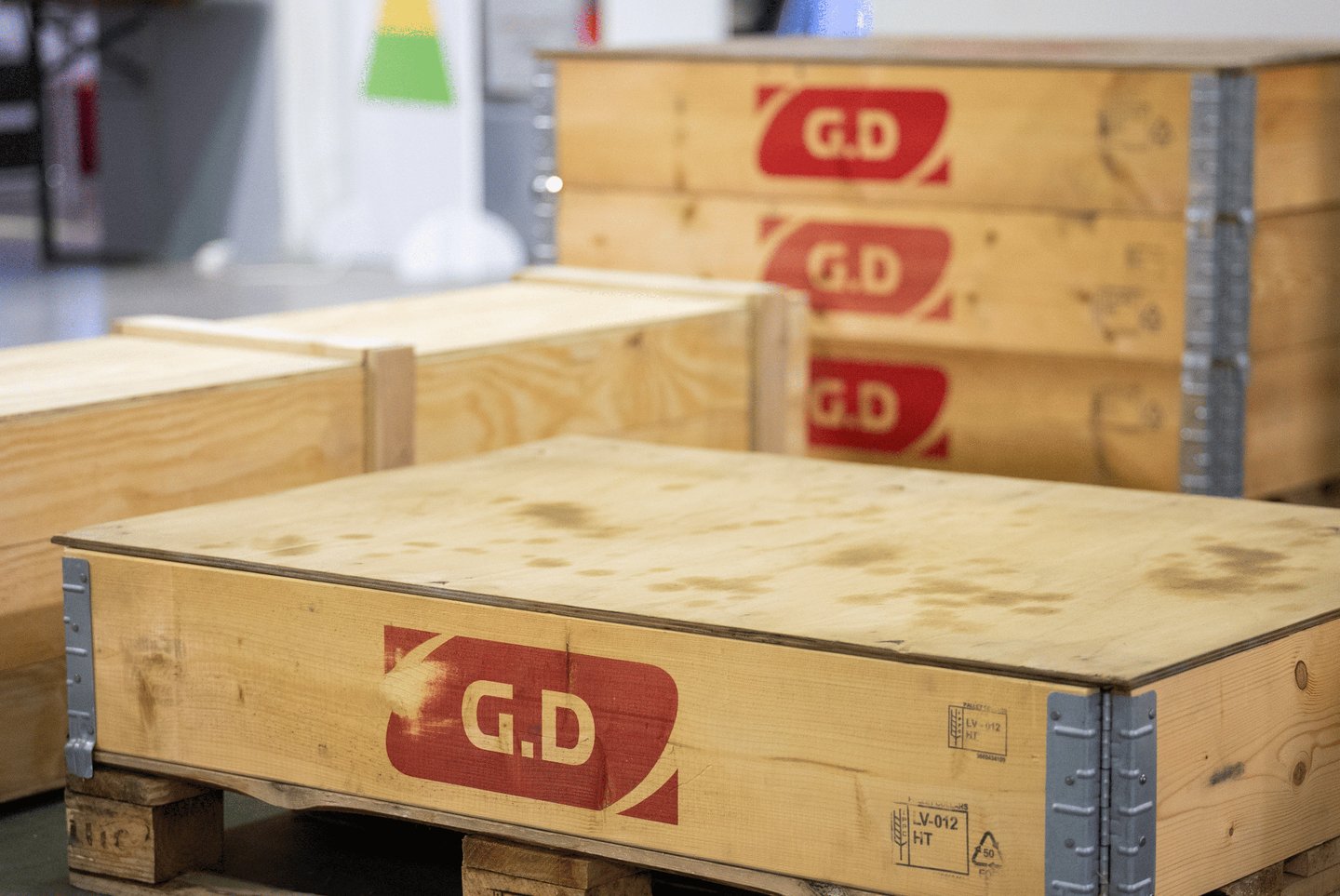
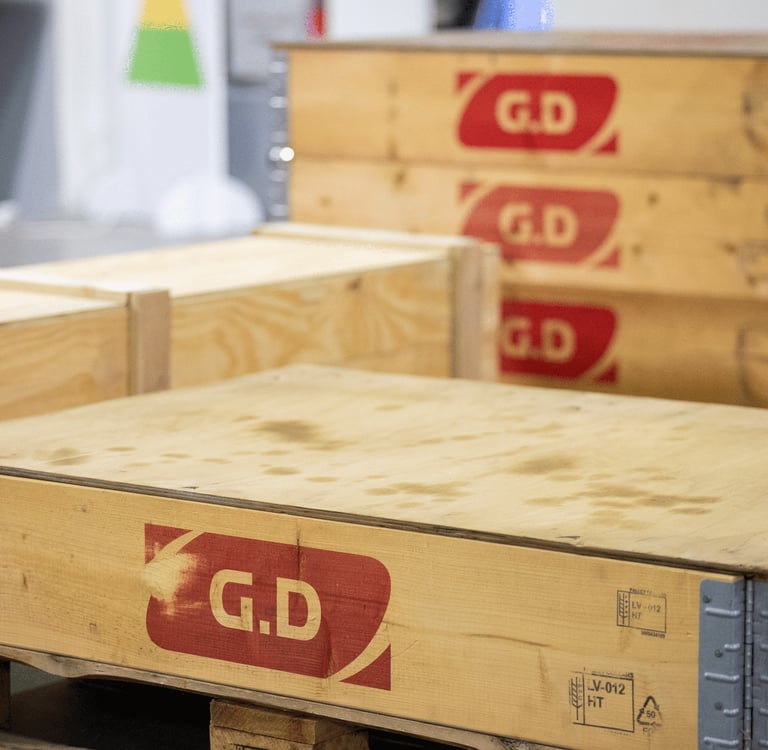
Le fragole non crescono solo d'autunno, 2024, detail, mixed media, variable dimensions. Courtesy the artist. Photo Mattia Belletti.
Le fragole non crescono solo d'autunno, 2024, details, mixed media, variable dimensions. Courtesy the artist. Photo Mattia Belletti.
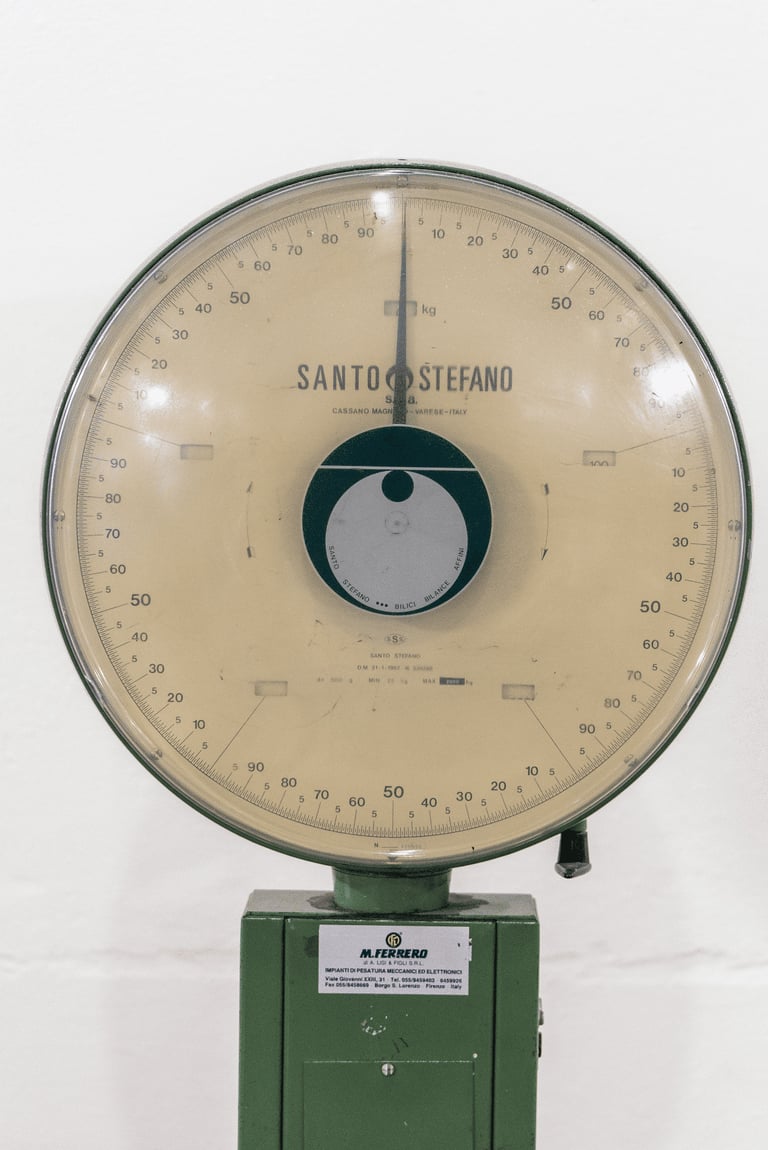
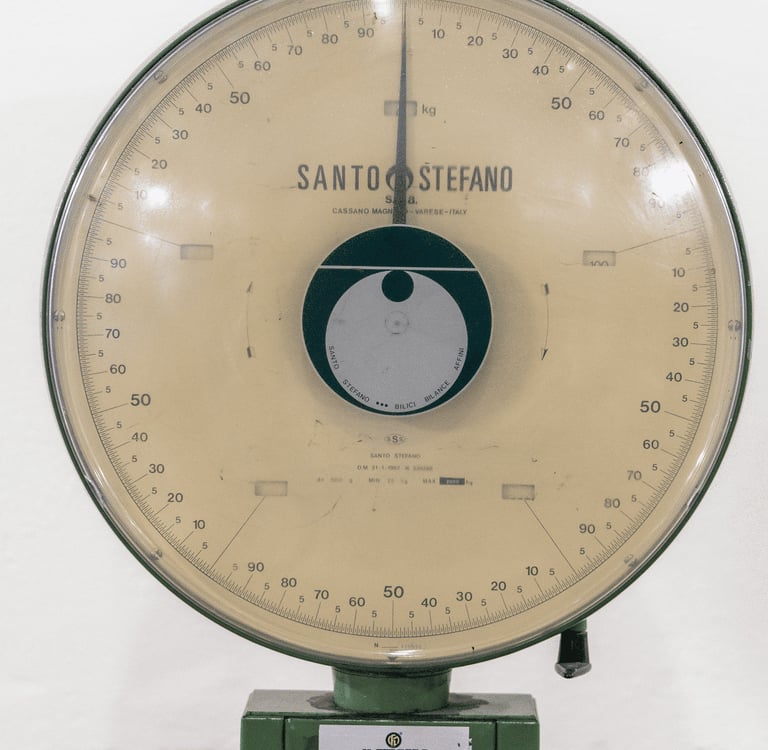
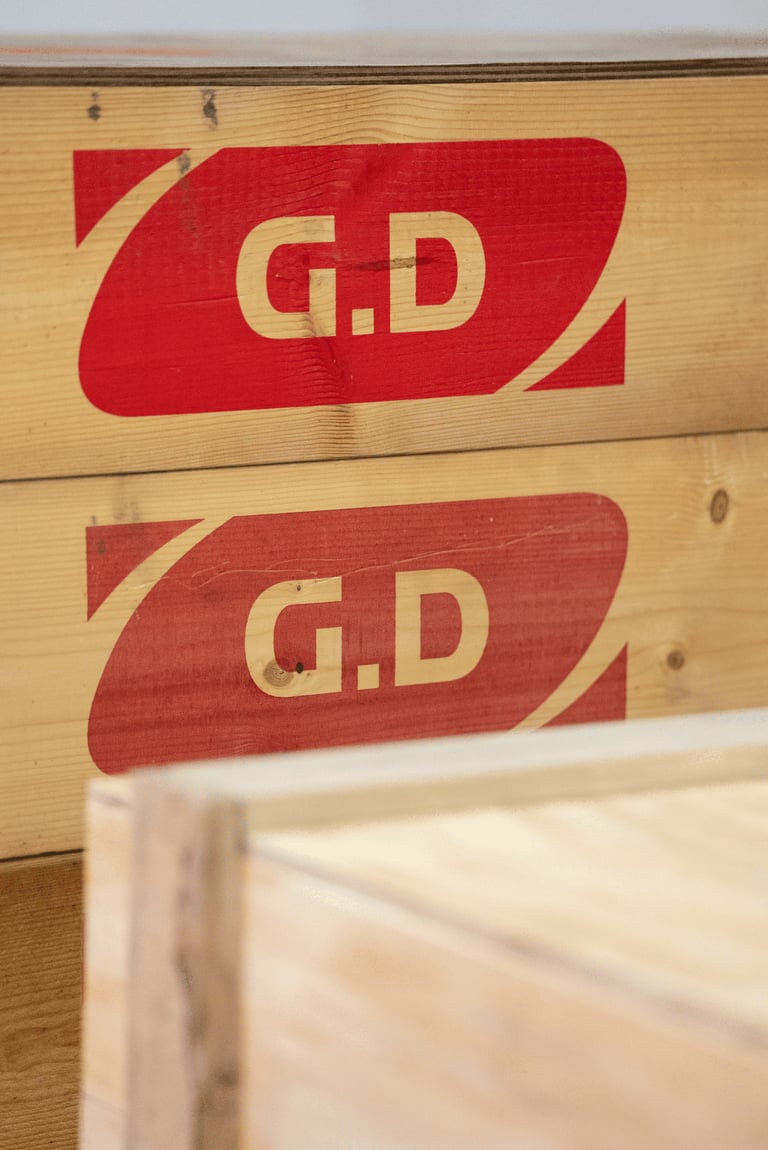
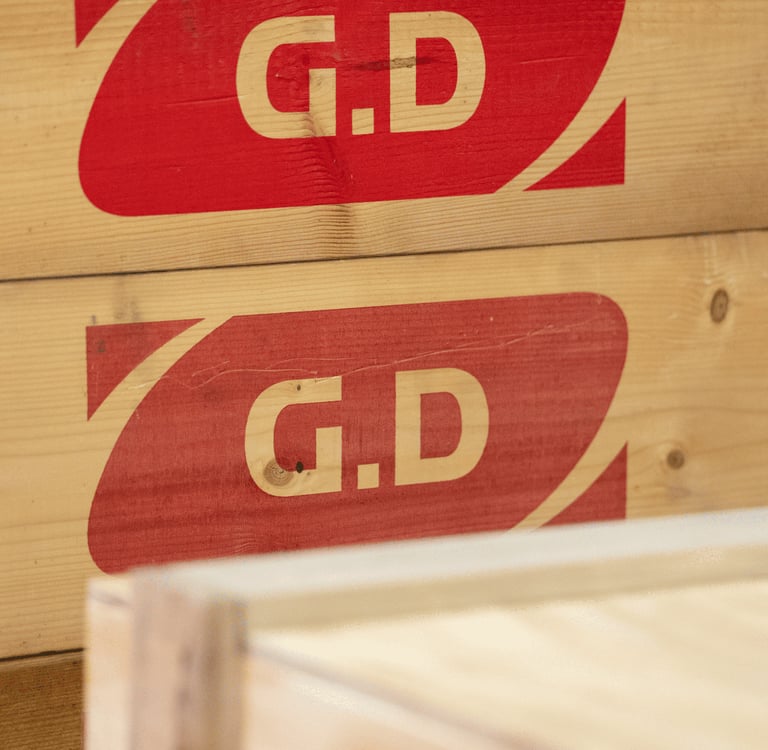
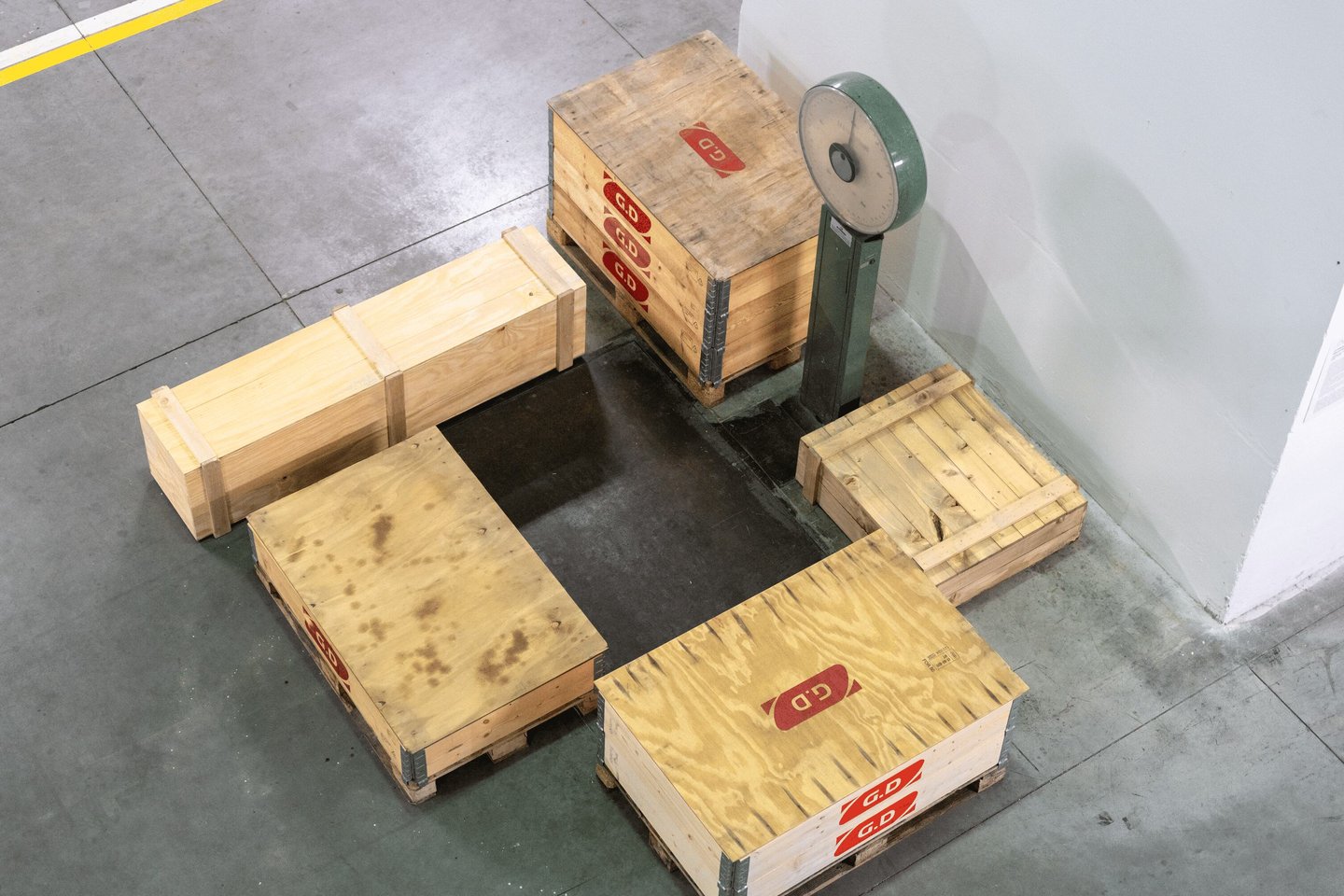
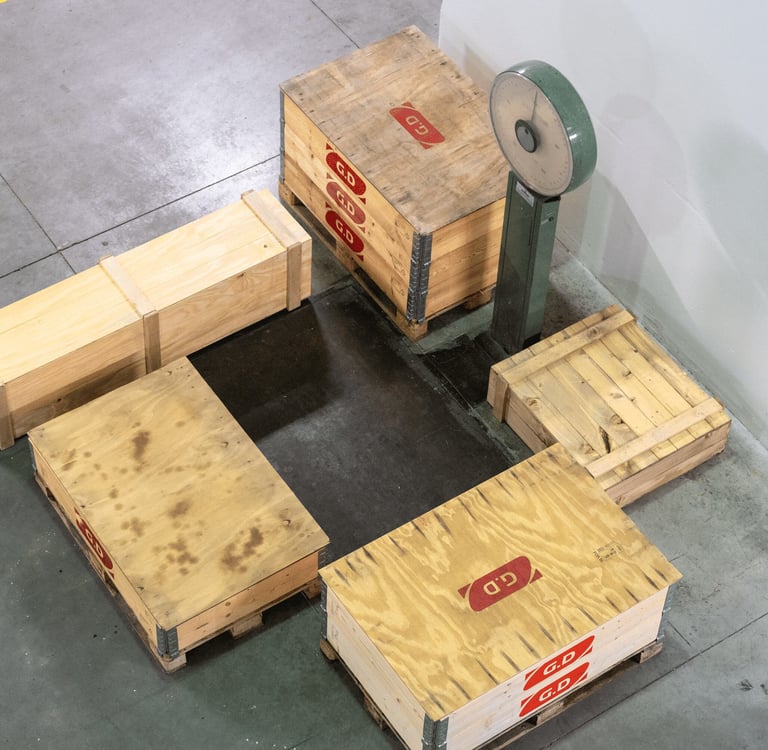
Le fragole non crescono solo d'autunno, 2024, mixed media, variable dimensions. Installation view at Spazio Bianco DumBO, Bologna. Courtesy the artist. Photo Mattia Belletti.
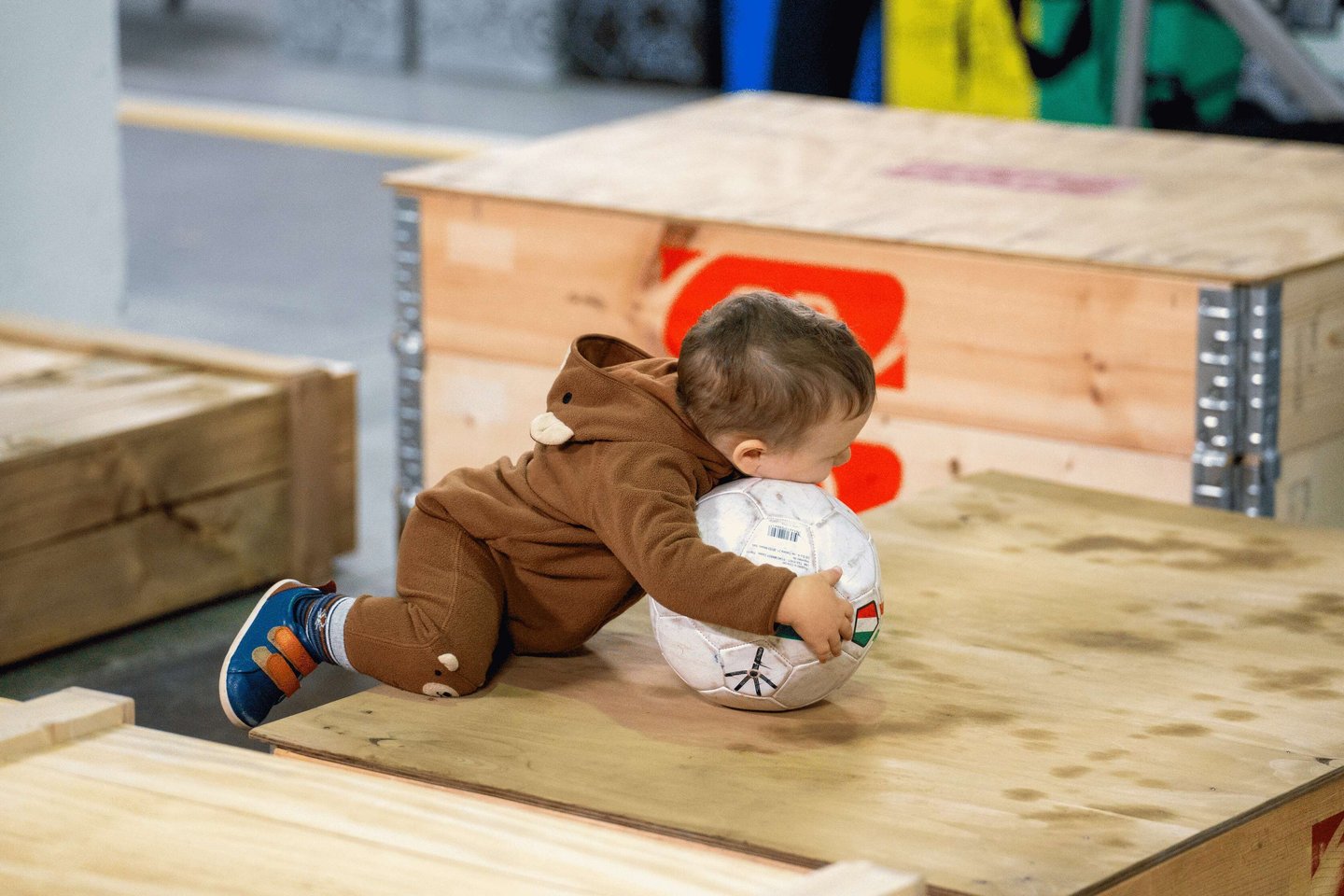
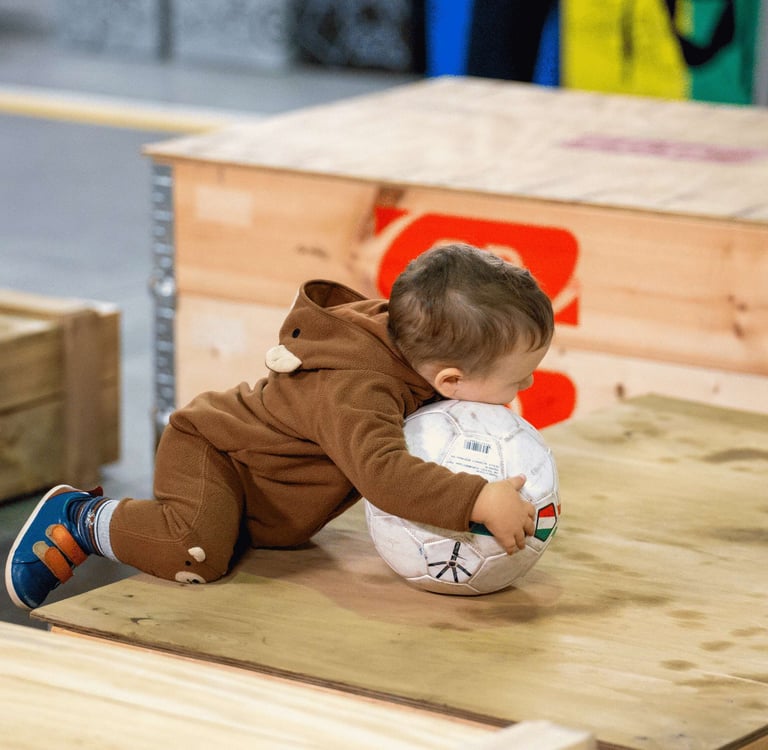
Le fragole non crescono solo d'autunno, 2024, detail, mixed media, variable dimensions. Courtesy the artist. Photo Mattia Belletti.
VERSO CASA, curated by Danilo Paris and Nicola Nitido, Festival dell’Arte Nomadica, Chiesa di Santa Lucia, Ferentino.
Verso casa was made with the soil collected from the Ferentino countryside and it focuses on the story of the mystery of a forgotten world: the animistic world characterised by a numinous and kinaesthetic relationship with the natural environment. The work is placed in a space that no longer exists or in a time that is not yet. Its indeterminacy is not only temporal between a distant past and a possible near future, but also spatial: the installation is ideally located in a limbo halfway between the church and the mountain/forest. There is a strong correspondence between the ambiguity of the temporal and physical dimensions, which expand the space of fruition and ensure a multiple reading by the participating observer, who, depending on his or her personal experiences and perceptions, can choose the direction in which he or she wishes to return.
.
Verso casa, 2024, soil, 220 × 50 × 50 cm. Installation view at Chiesa di Santa Lucia, Ferentino. Courtesy the artist.
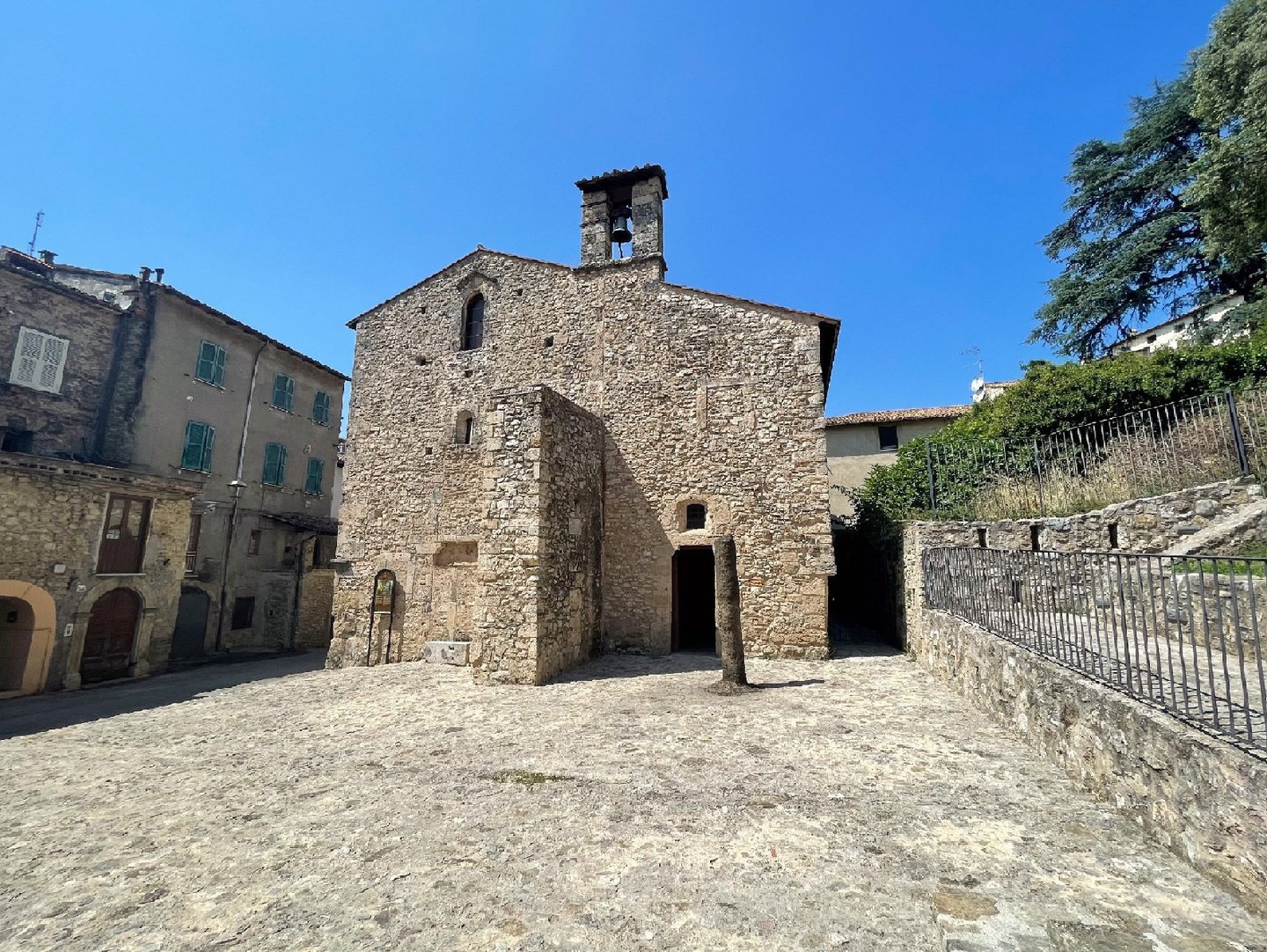
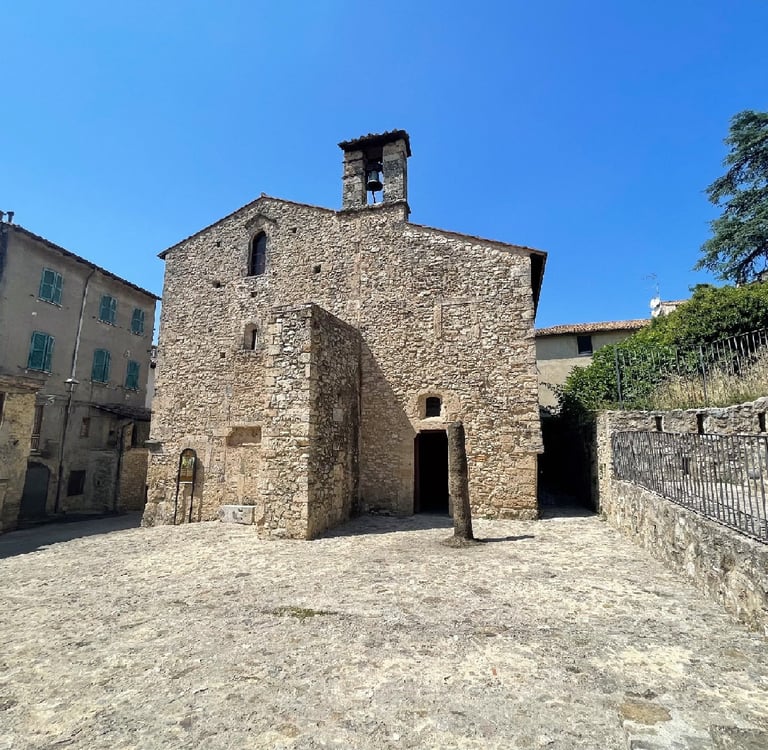
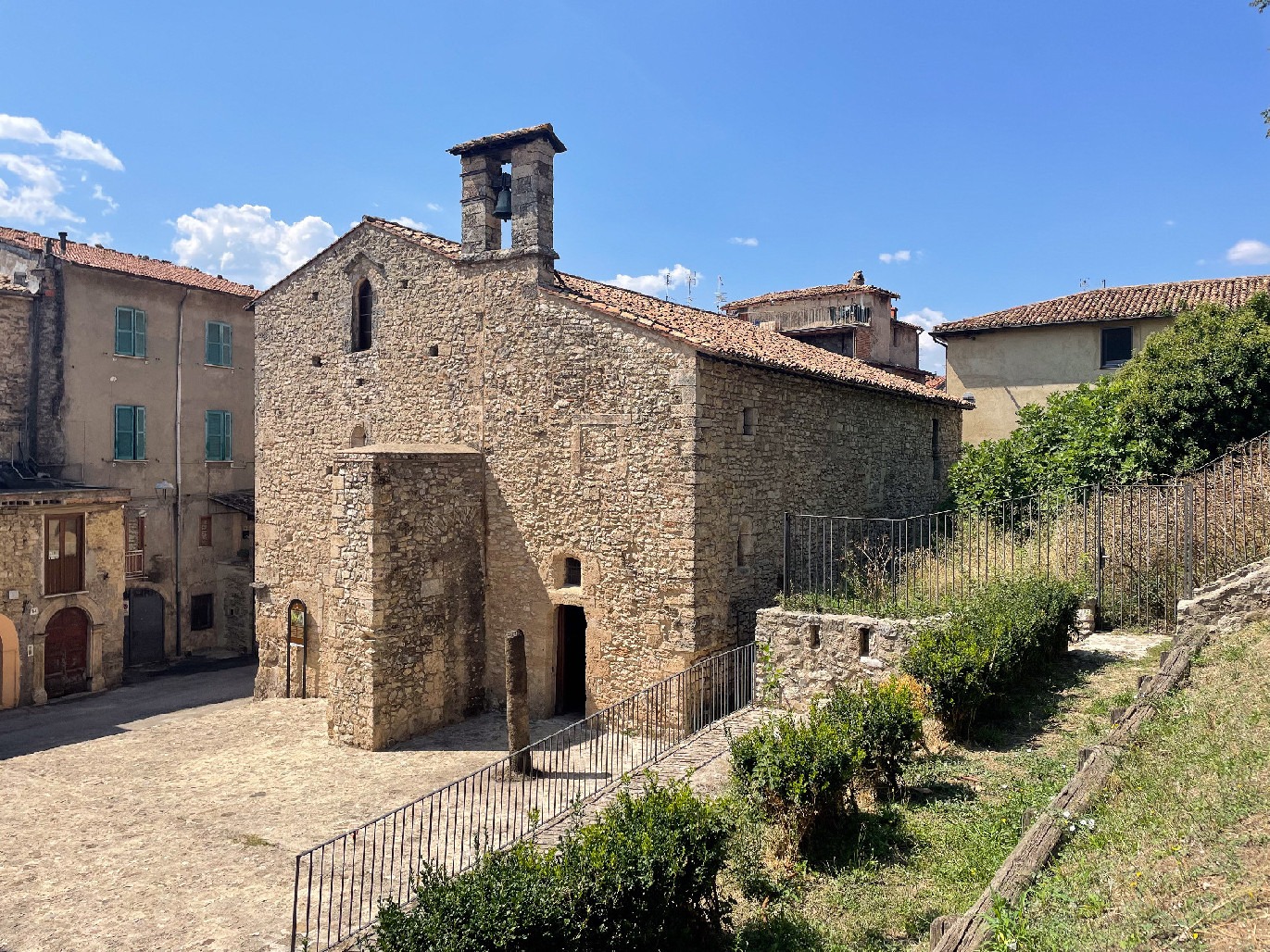
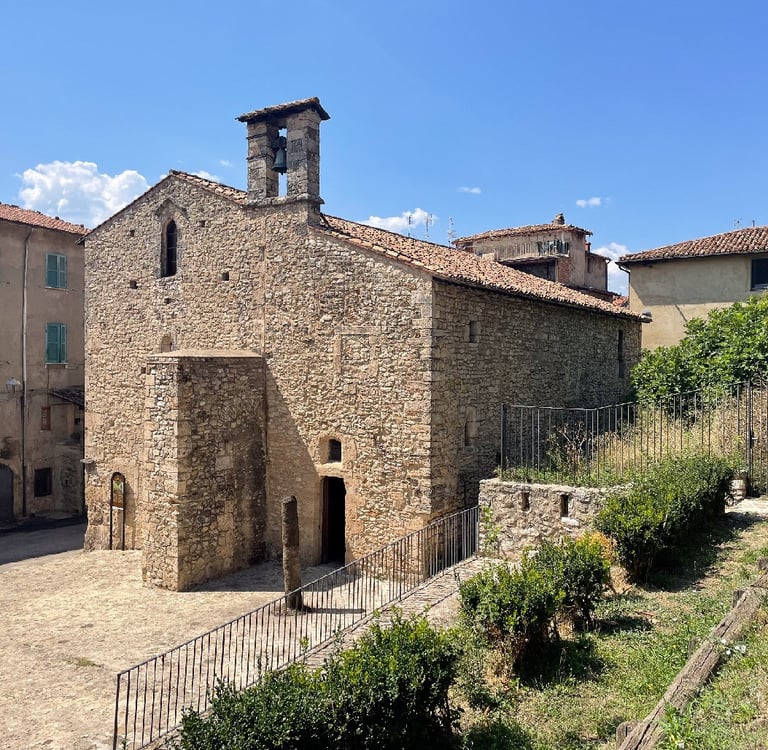
Verso casa, 2024, soil, 220 × 50 × 50 cm. Installation view at Chiesa di Santa Lucia, Ferentino. Courtesy the artist.
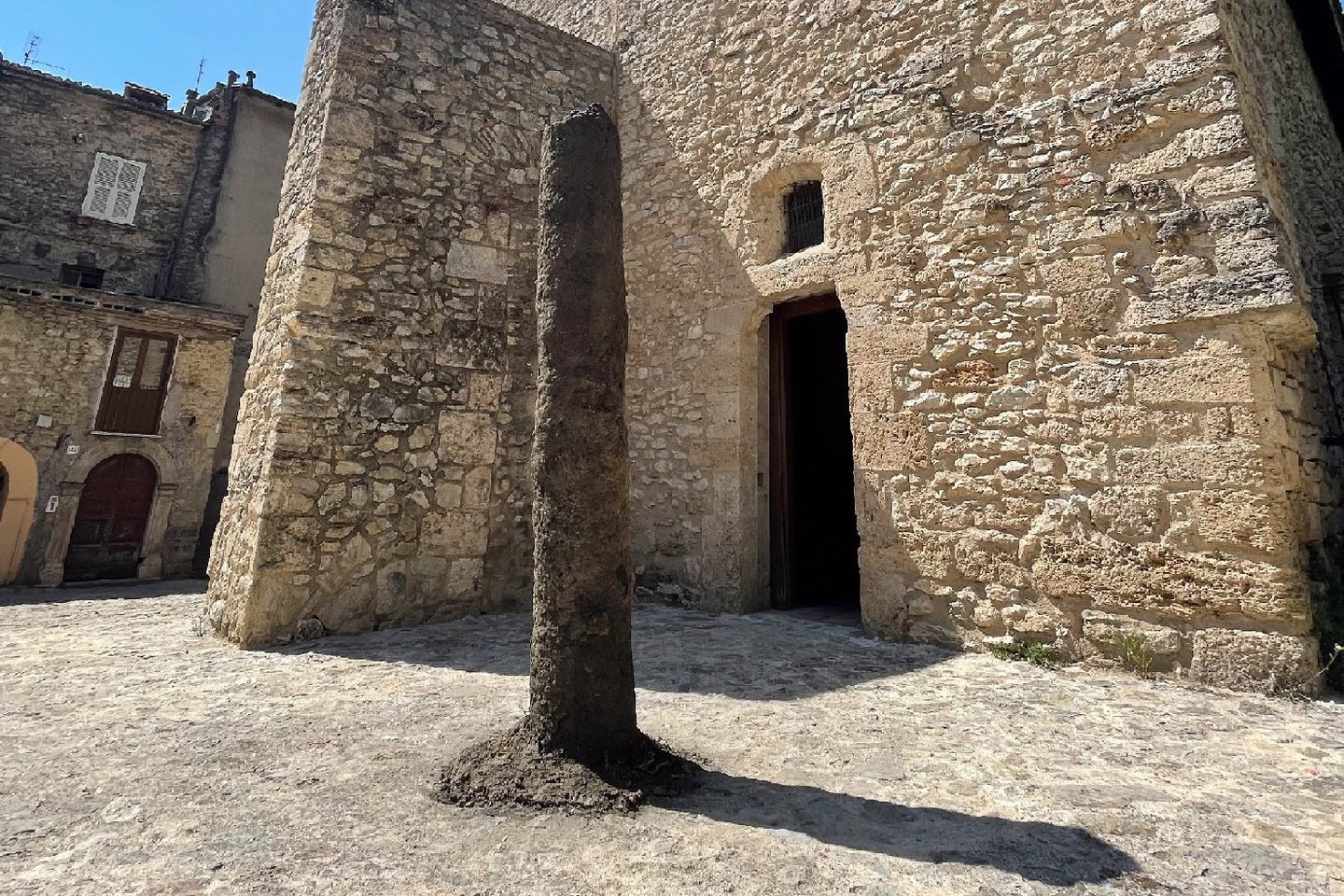
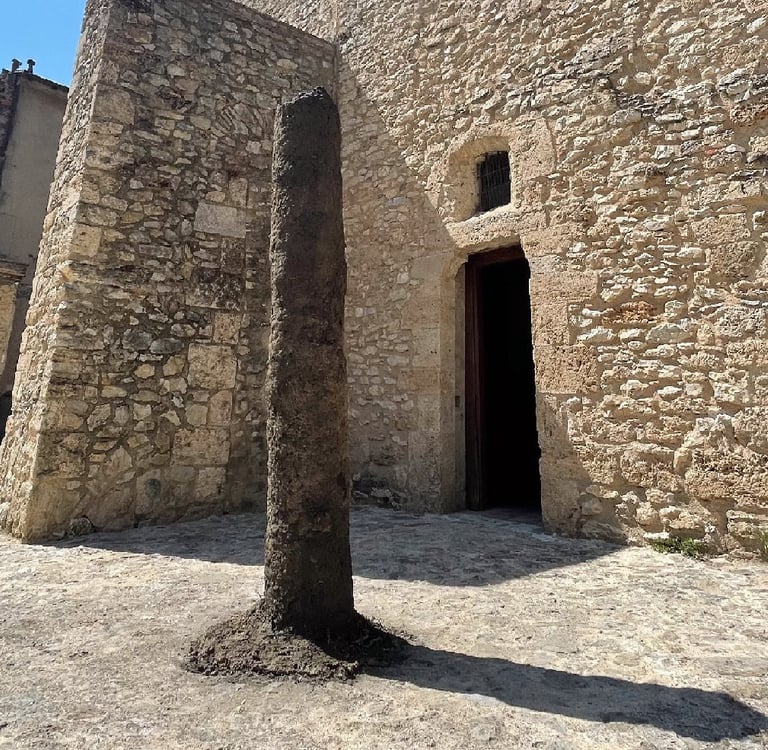
Verso casa, 2024, soil, 220 × 50 × 50 cm. Installation view at Chiesa di Santa Lucia, Ferentino. Courtesy the artist.
Verso casa, 2024, soil, 220 × 50 × 50 cm. Installation view and detail at Chiesa di Santa Lucia, Ferentino. Courtesy the artist.
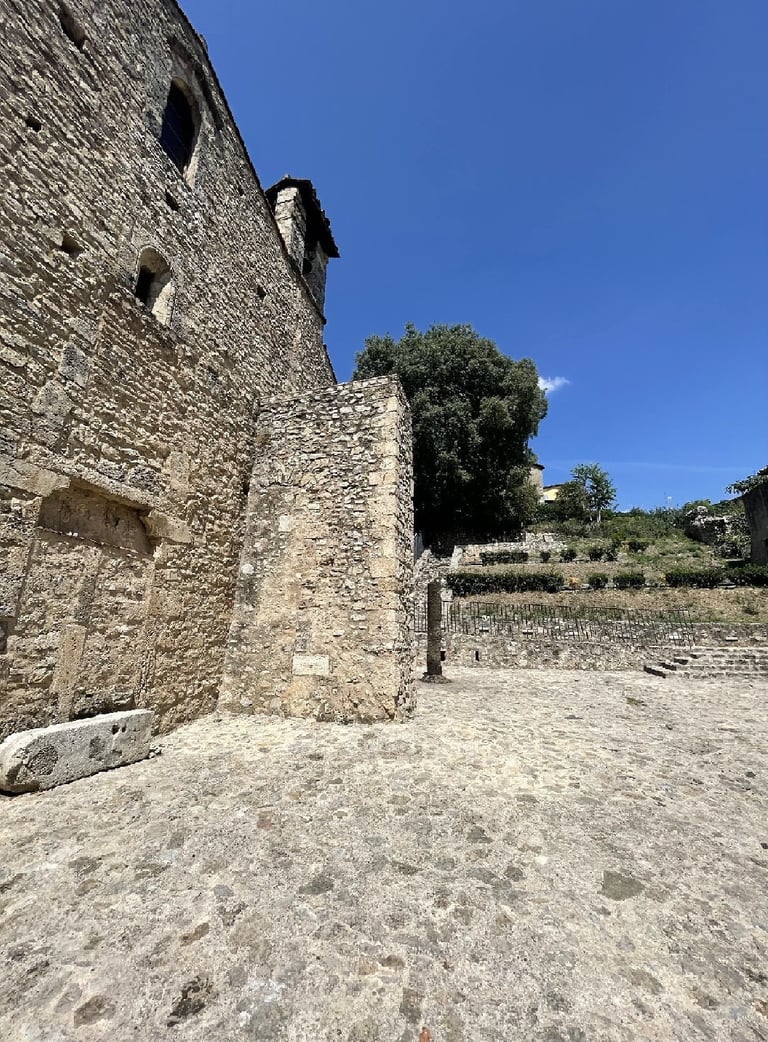
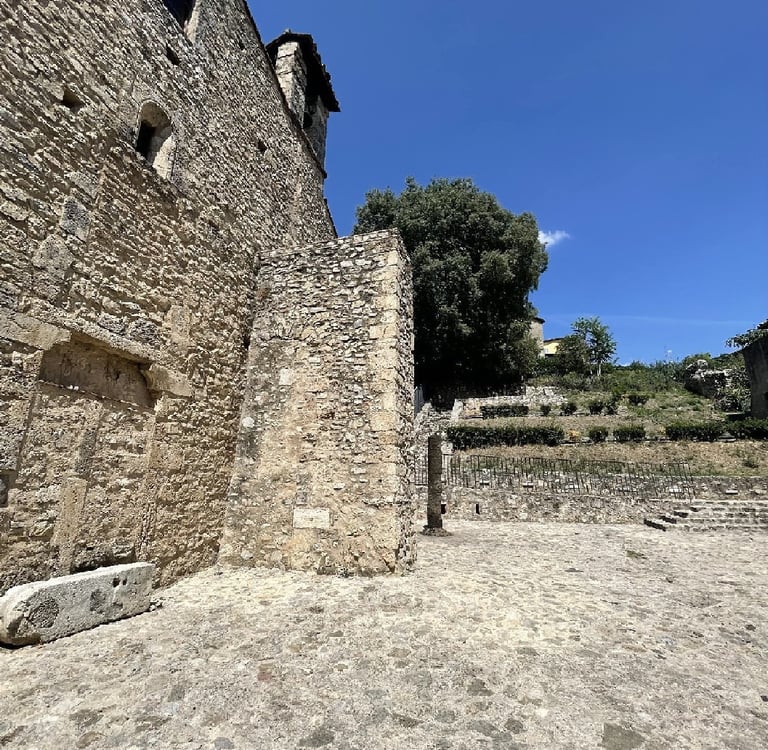
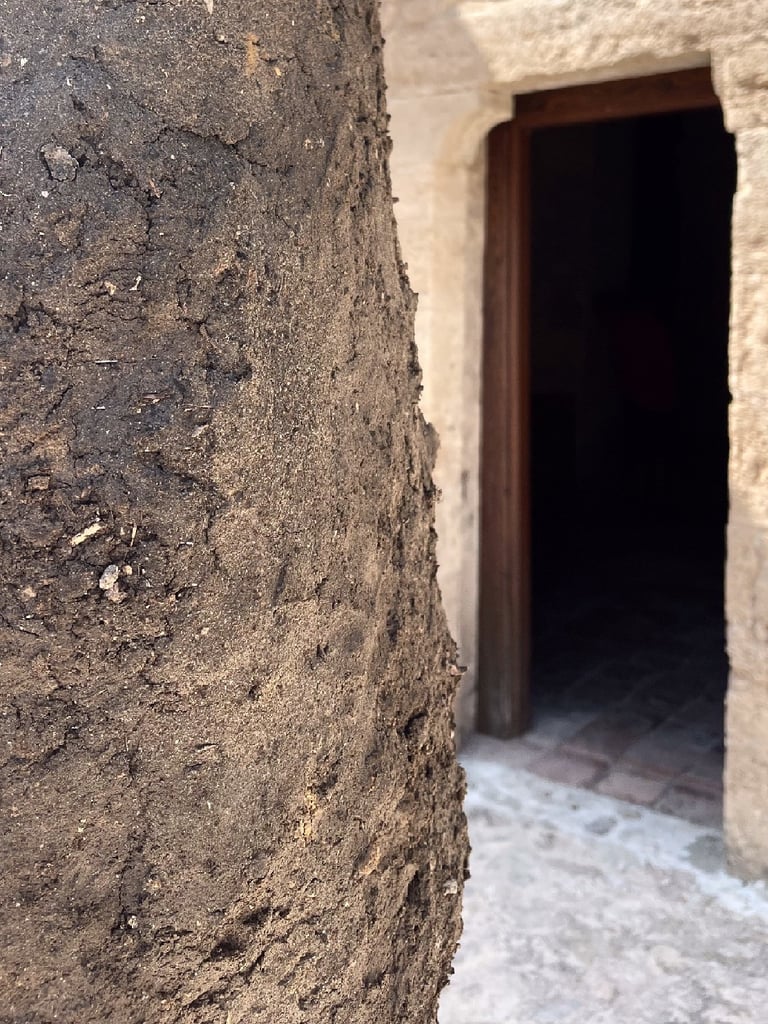
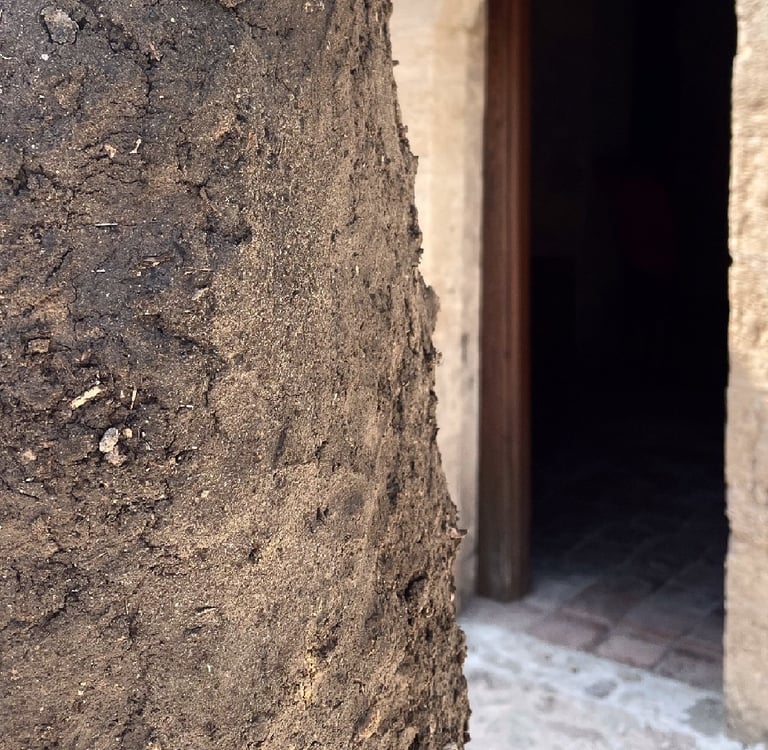
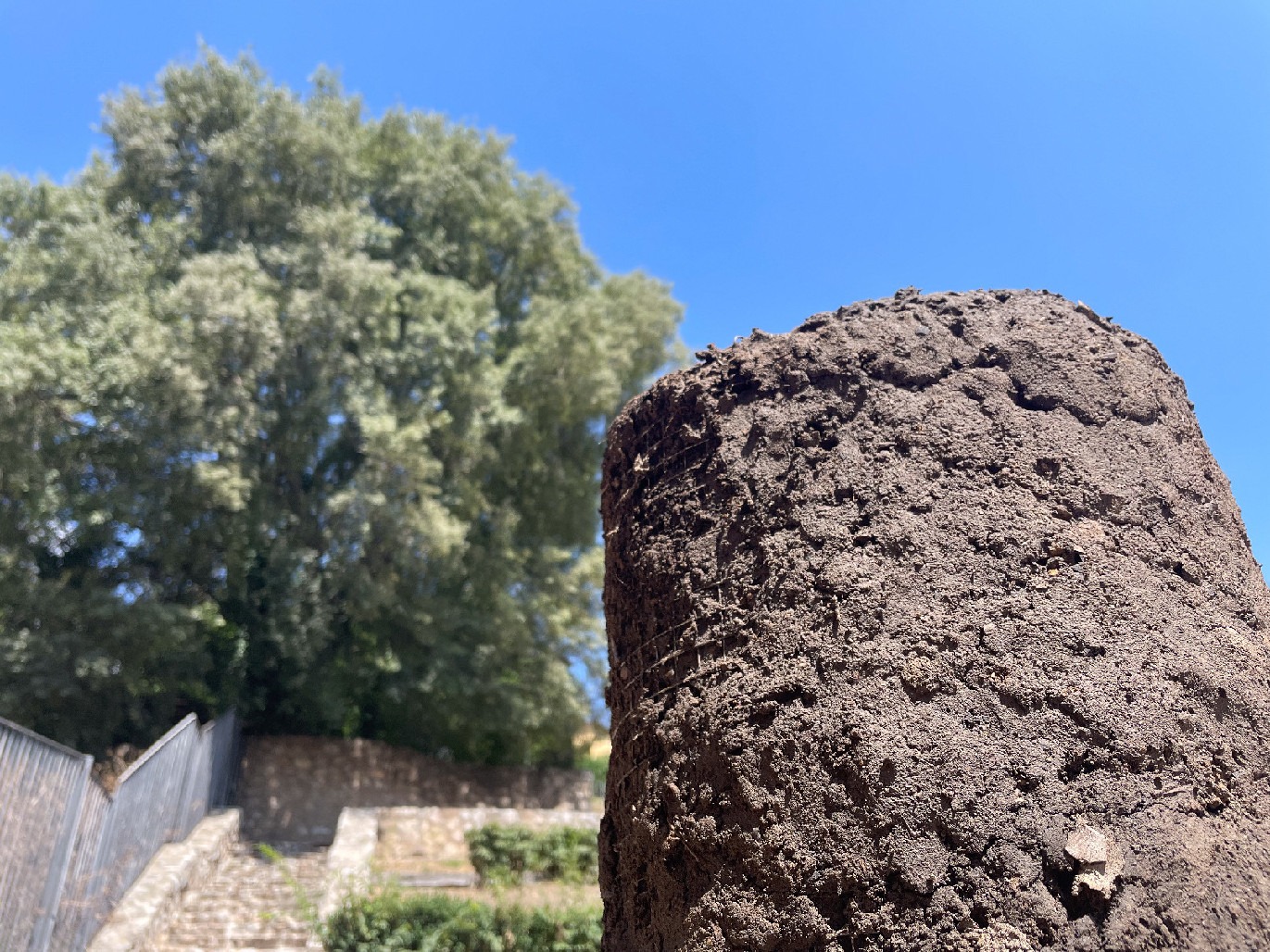
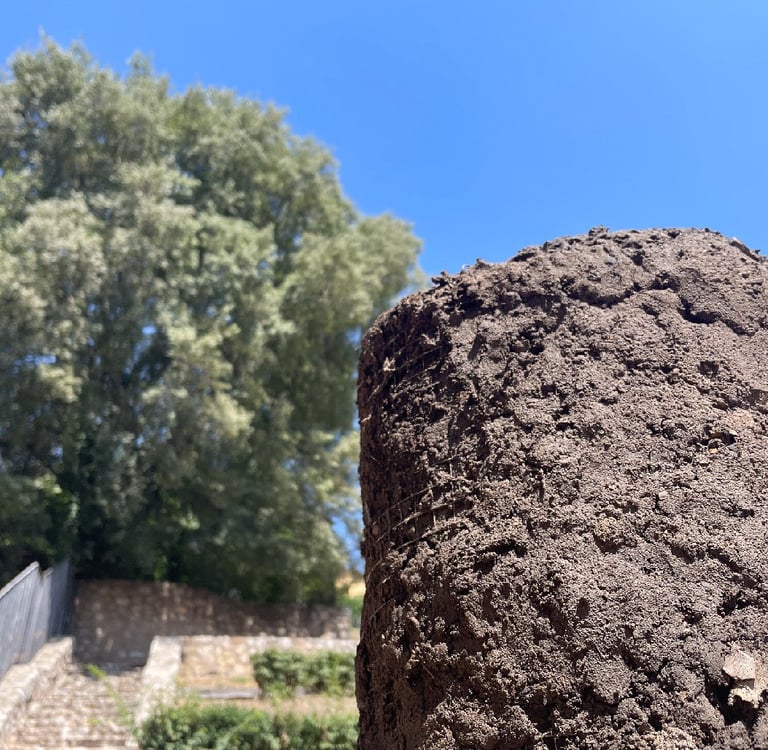
Verso casa, 2024, detail, soil, 220 × 50 × 50 cm. Courtesy the artist.
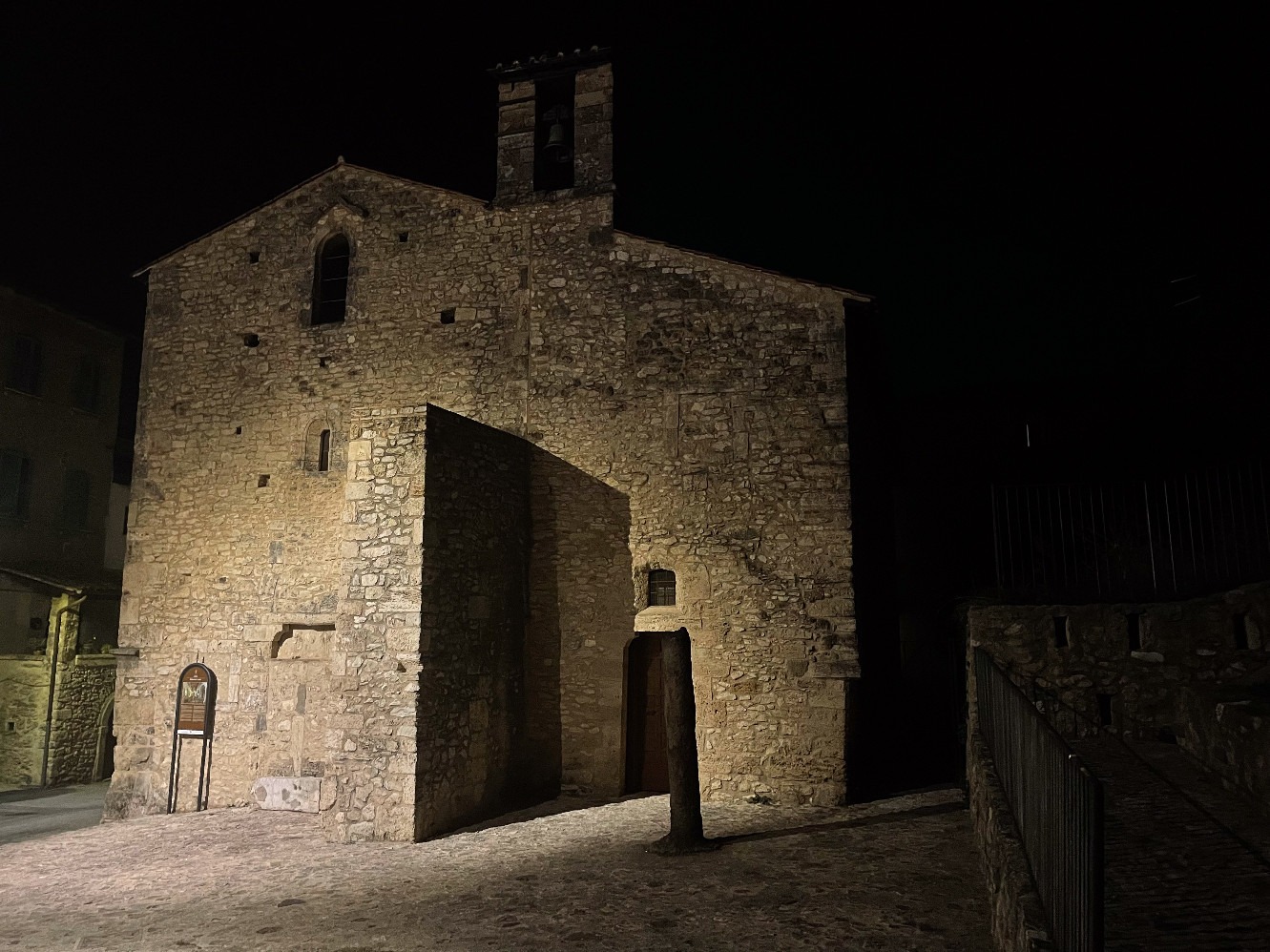
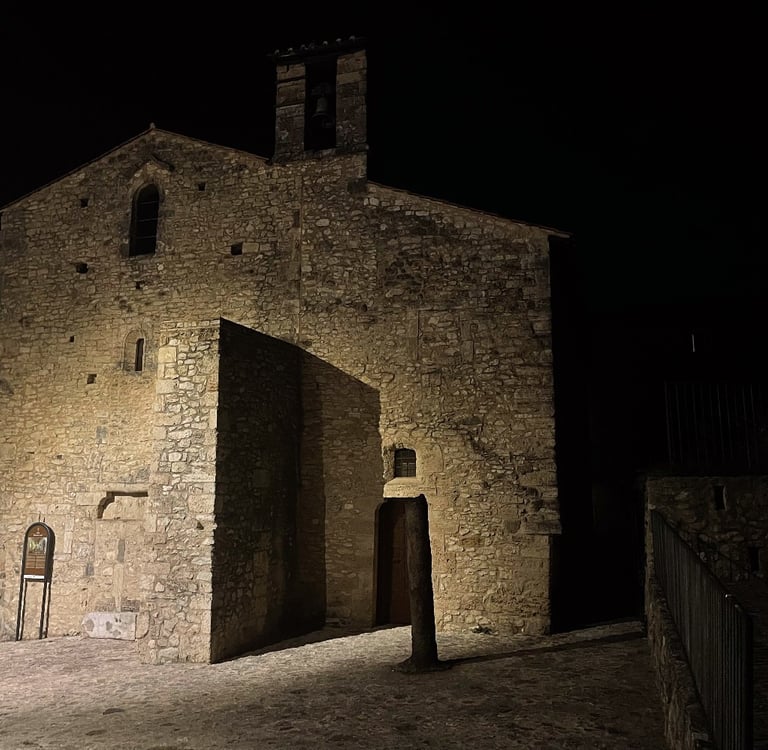
Verso casa, 2024, soil, 220 × 50 × 50 cm. Installation view at Chiesa di Santa Lucia, Ferentino. Courtesy the artist.
DECOLONIZING LOCAL SPOTS, curated by Carmen Lorenzetti, Opentour, Arco Iris R, Bologna.
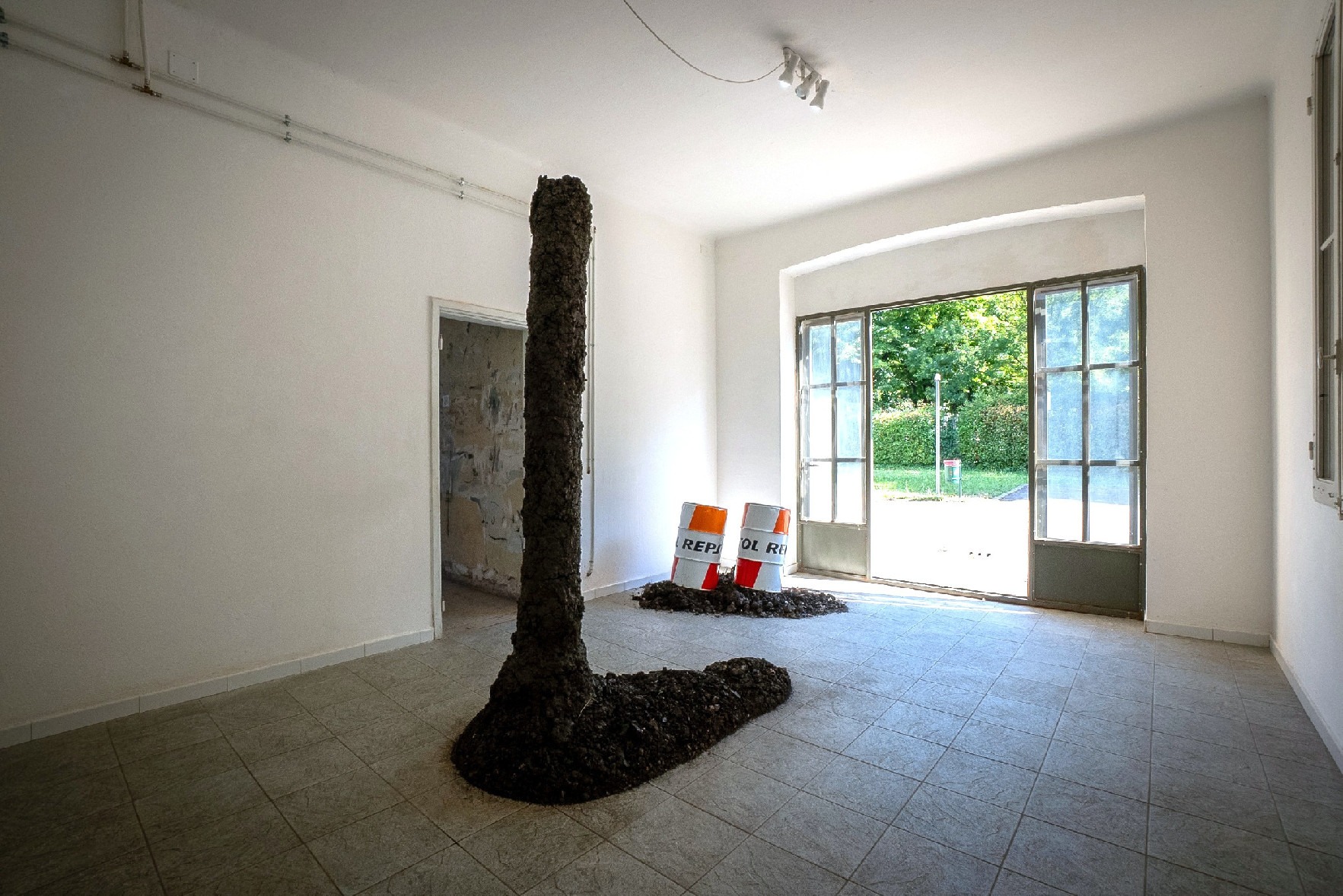
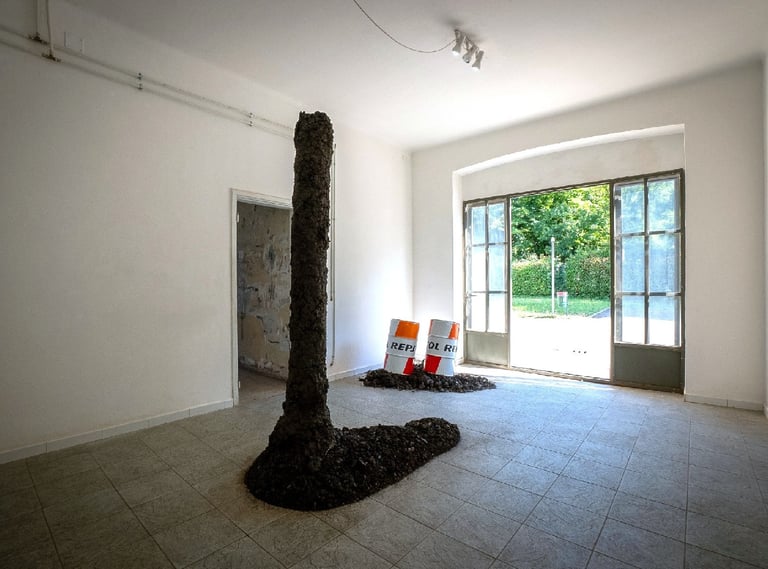
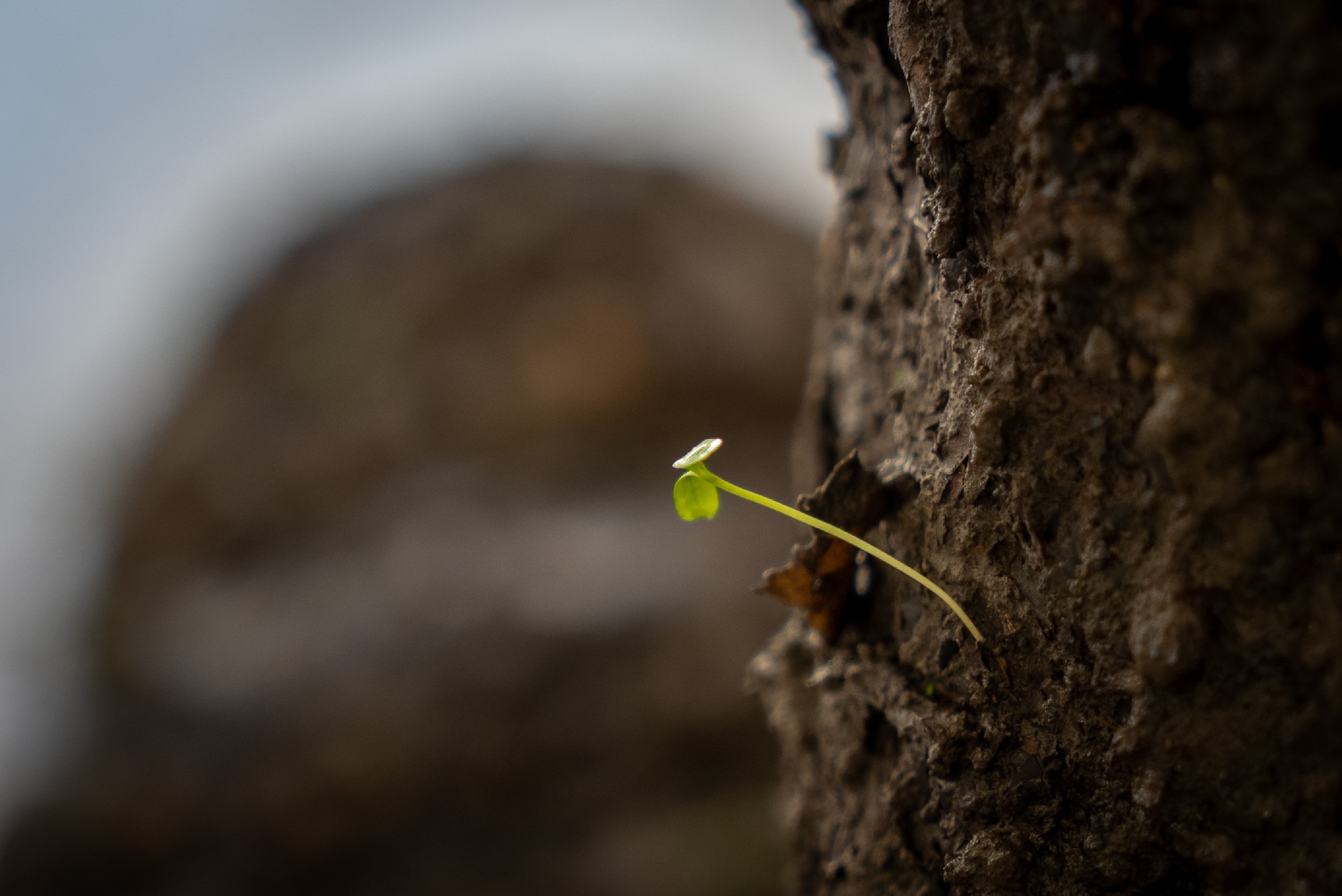
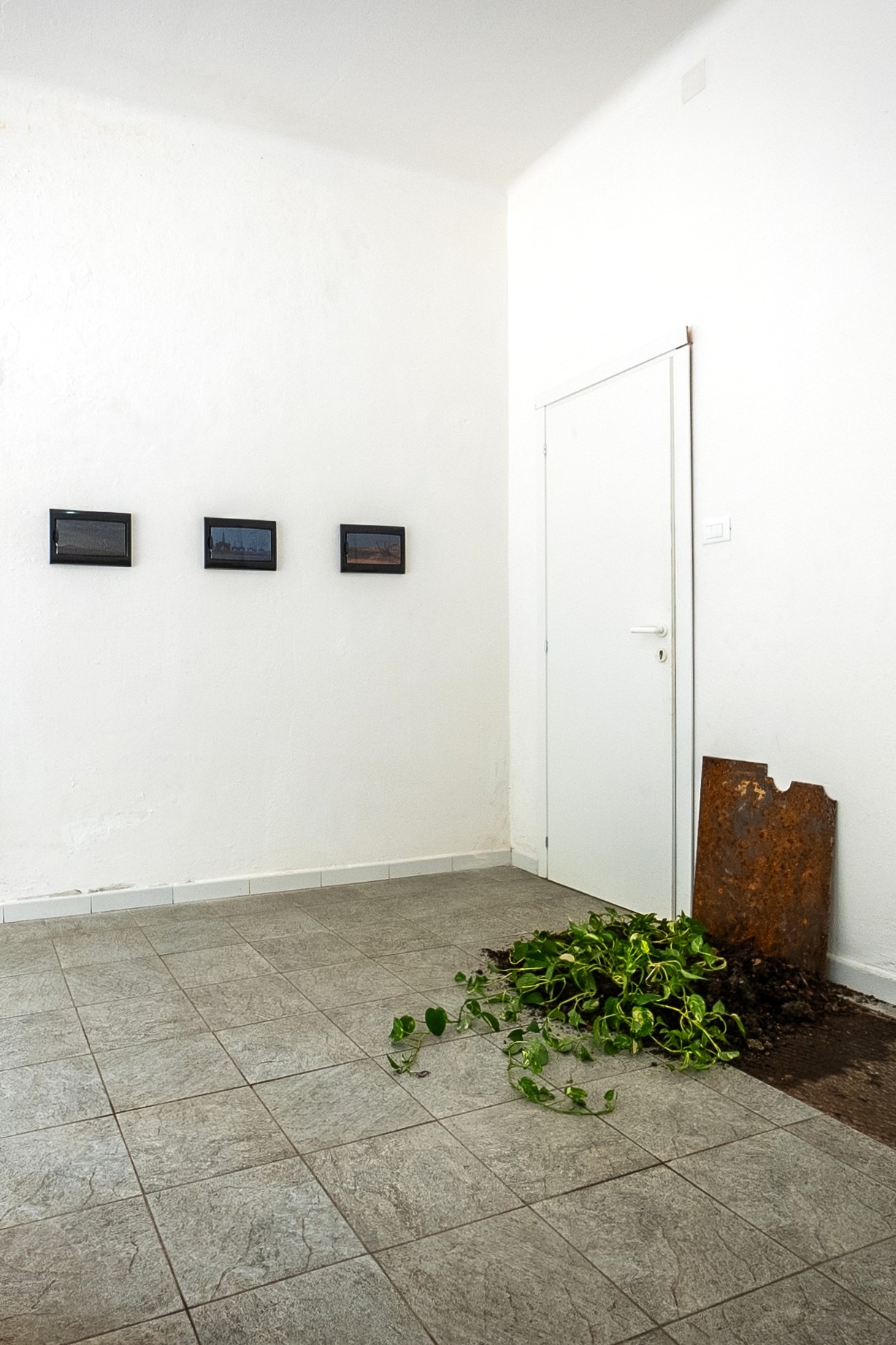
While we witness the destruction of entire ecosystems in the form of exploitation and appropriation of natural resources, in its artistic representation and media communication nature appears healthy, lush and fertile. The reversal between reality and aesthetisation aims to draw attention to the damage that the technocapitalist system is causing to the planet. The indefiniteness of the biological processes of transformation that characterise the exhibition reflects the unpredictability of the effects of the environmental crisis, but also the ambiguous position that human beings are taking in this regard. The installation in the exhibition was accompanied by several side events of conviviality and sociability such as DJ sets, an episode of the Burro podcast, a final workshop and performative happenings in which sprouts and mushrooms grown spontaneously from the soil were donated to visitors.
Decolonizing Local Spots, 2024, mixed media, variable dimensions. Installation view at Arco Iris R, Bologna. Courtesy the artist. Photo Luca Rubertà.
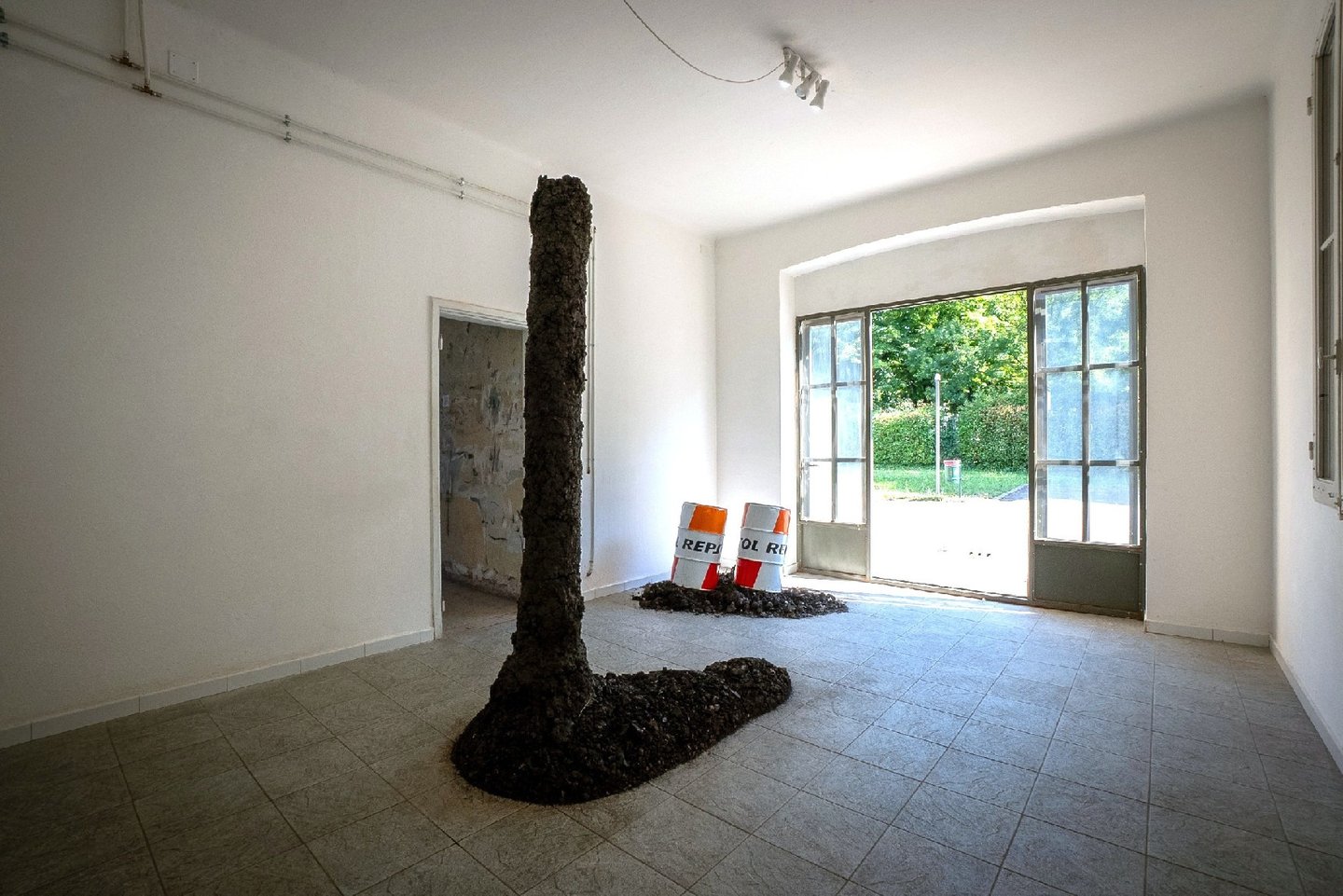
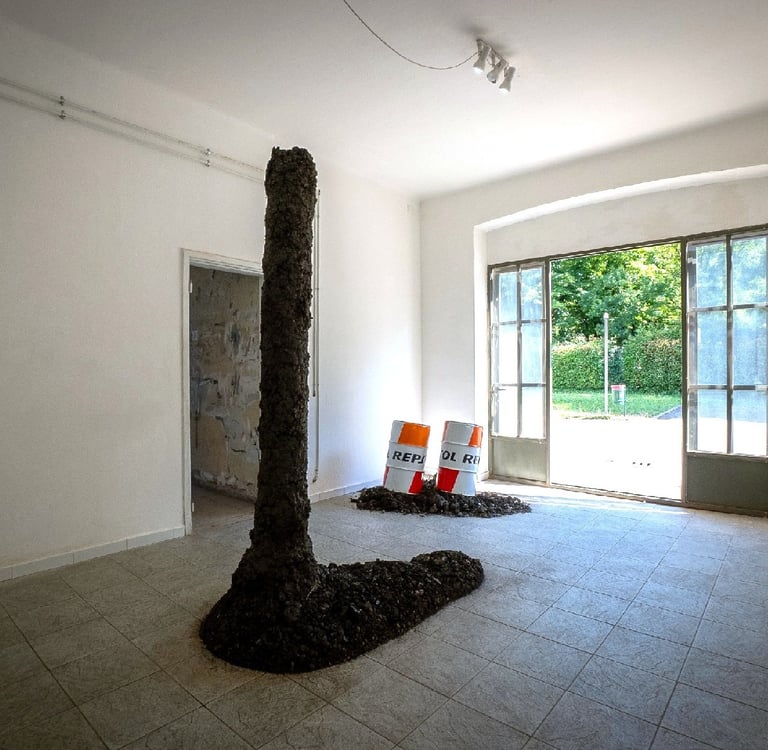
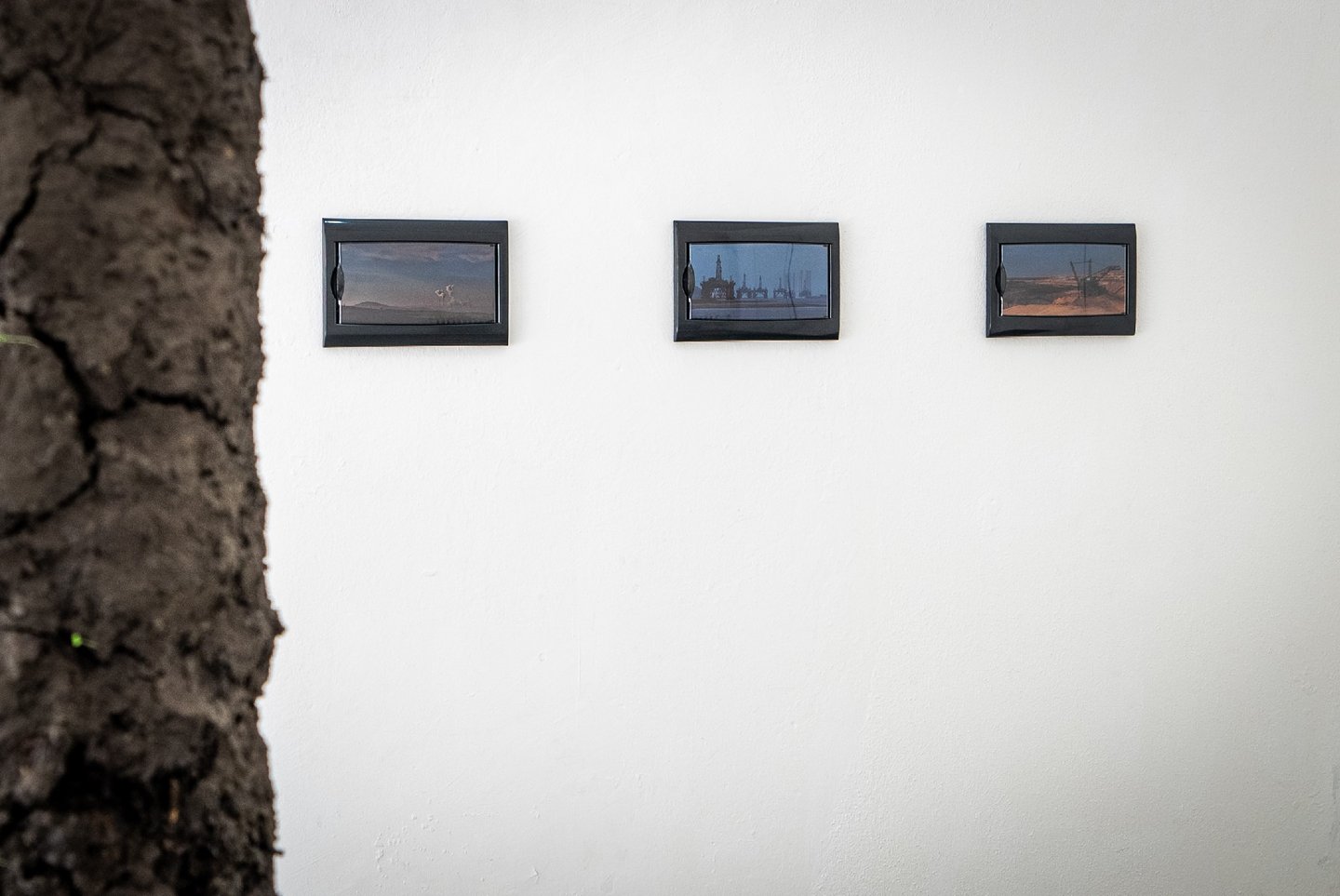
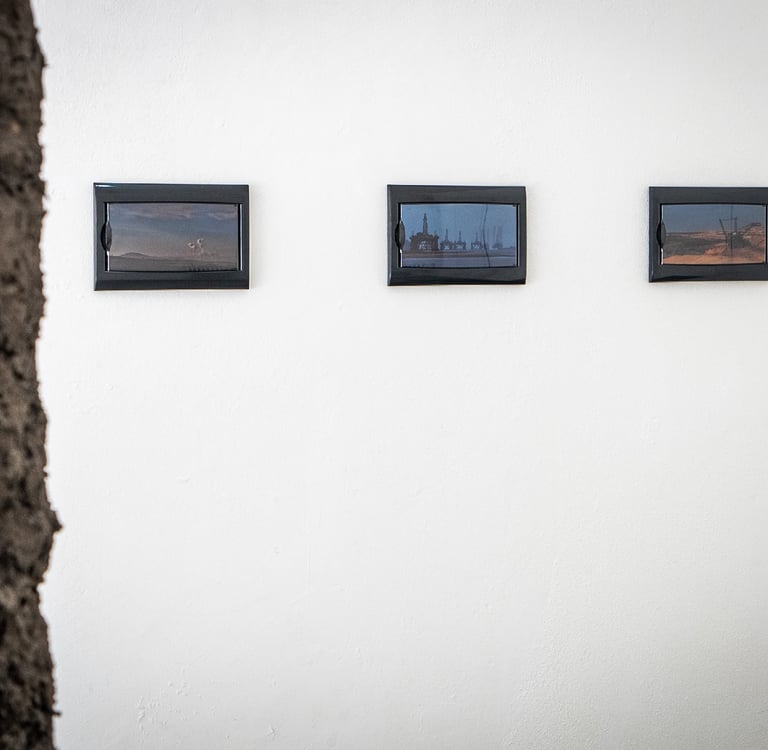
Decolonizing Local Spots, 2024, mixed media, variable dimensions. Installation view at Arco Iris R, Bologna. Courtesy the artist. Photo Luca Rubertà.
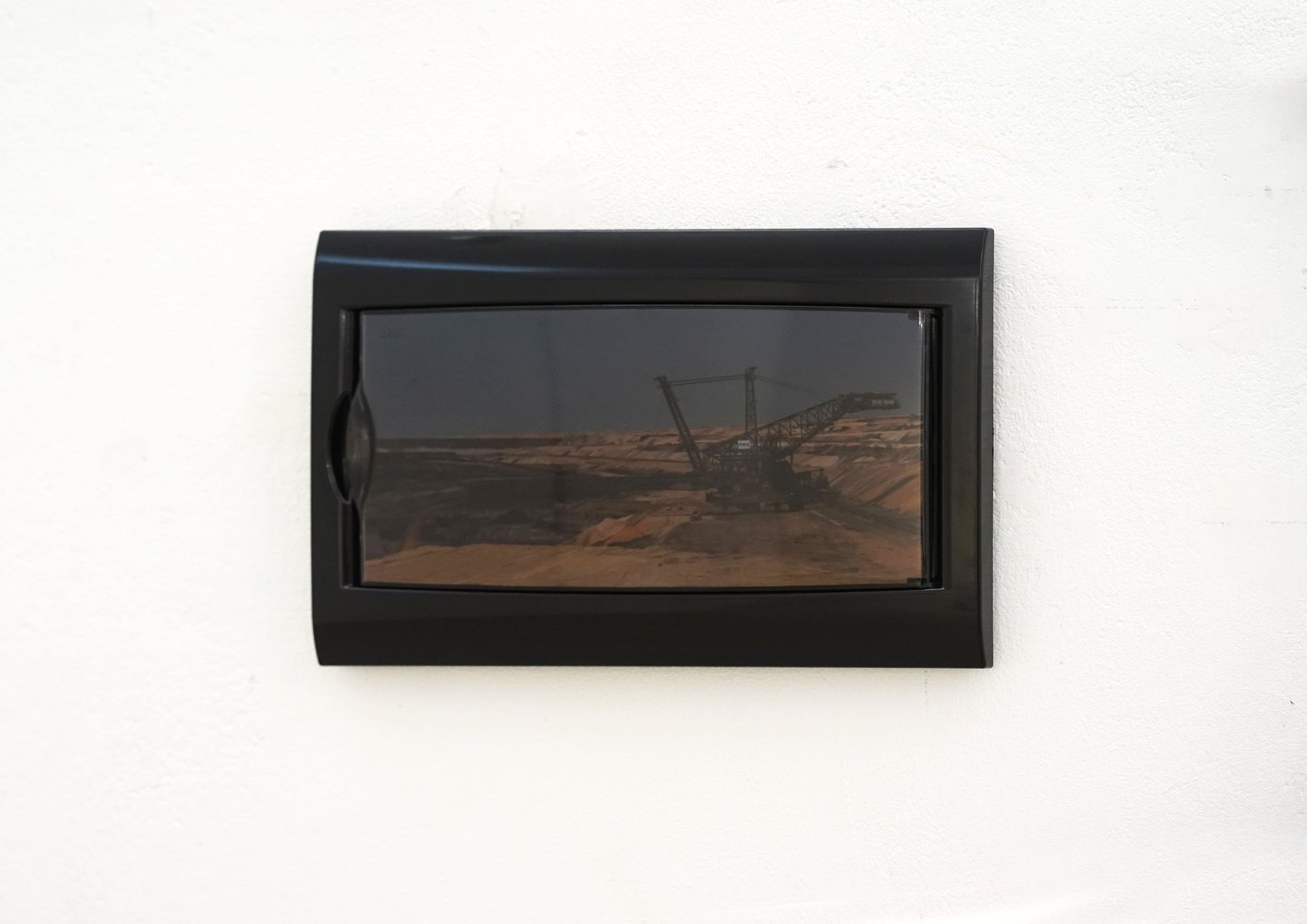
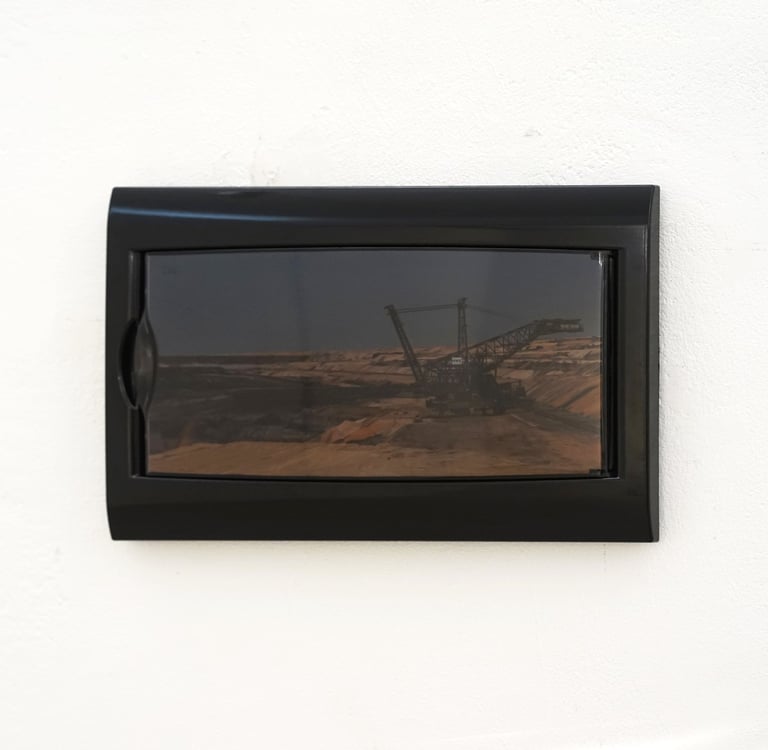
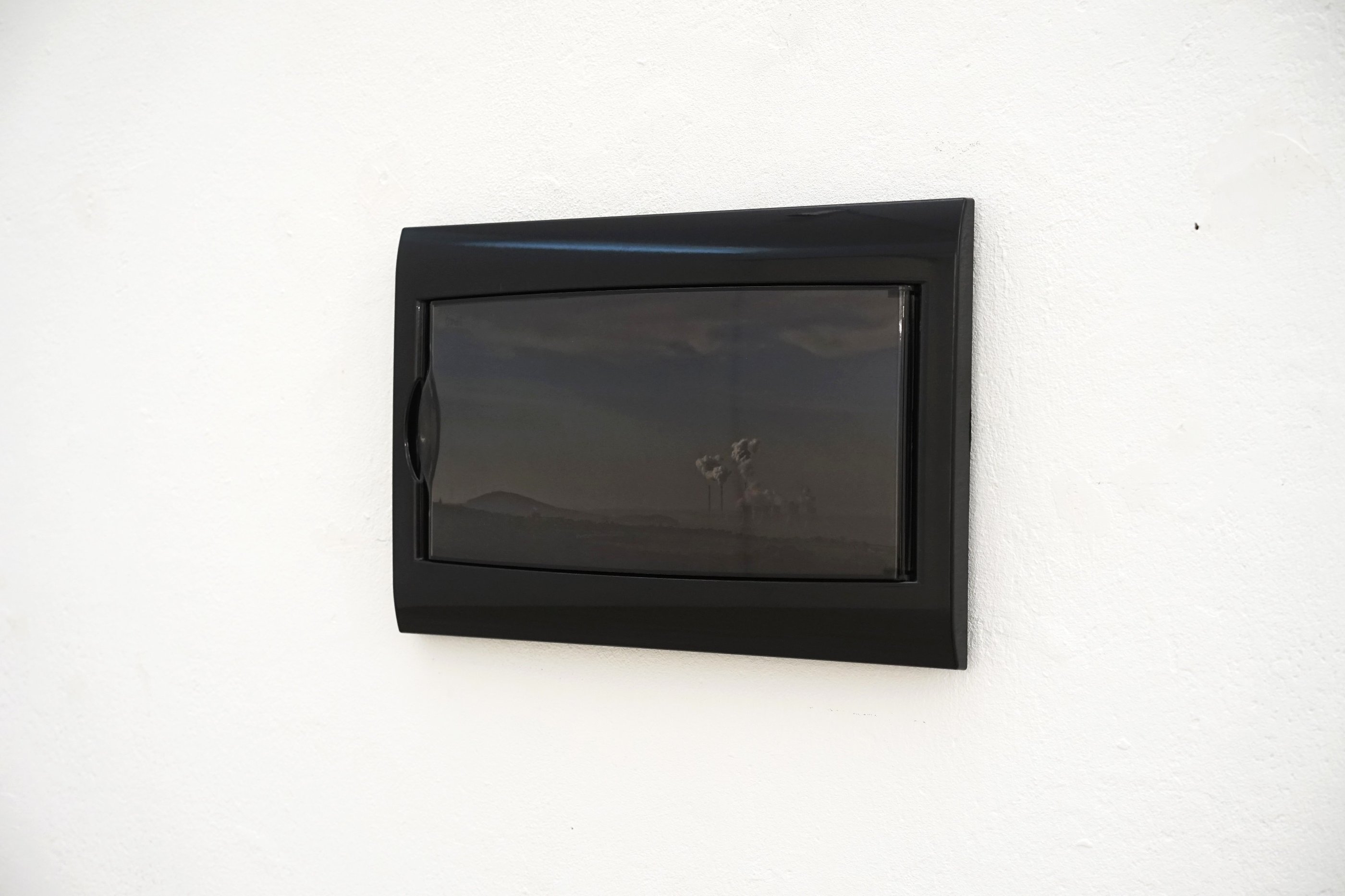
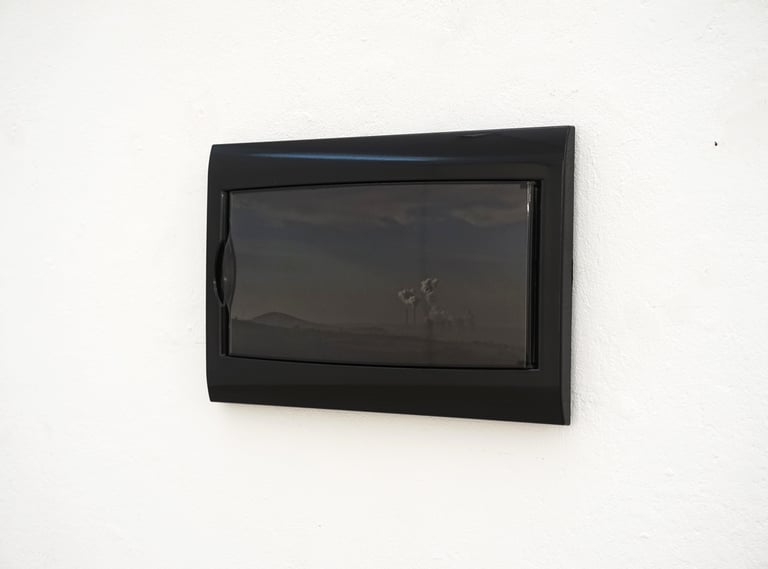
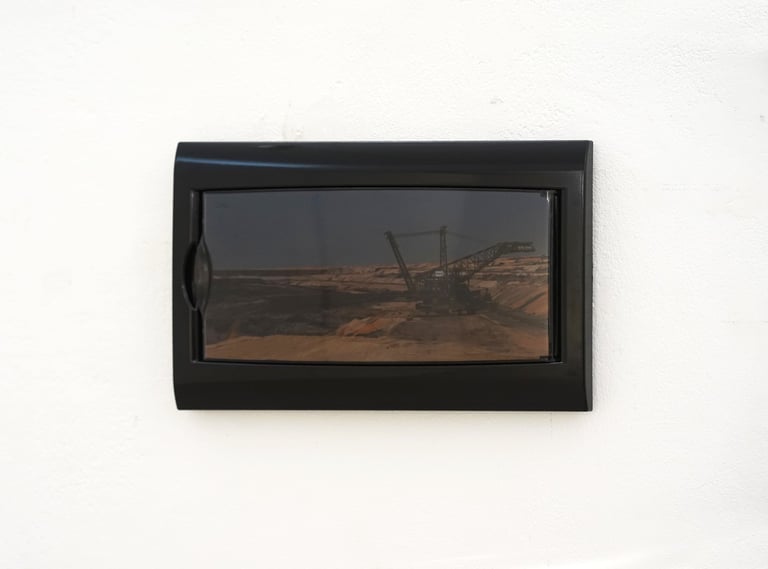
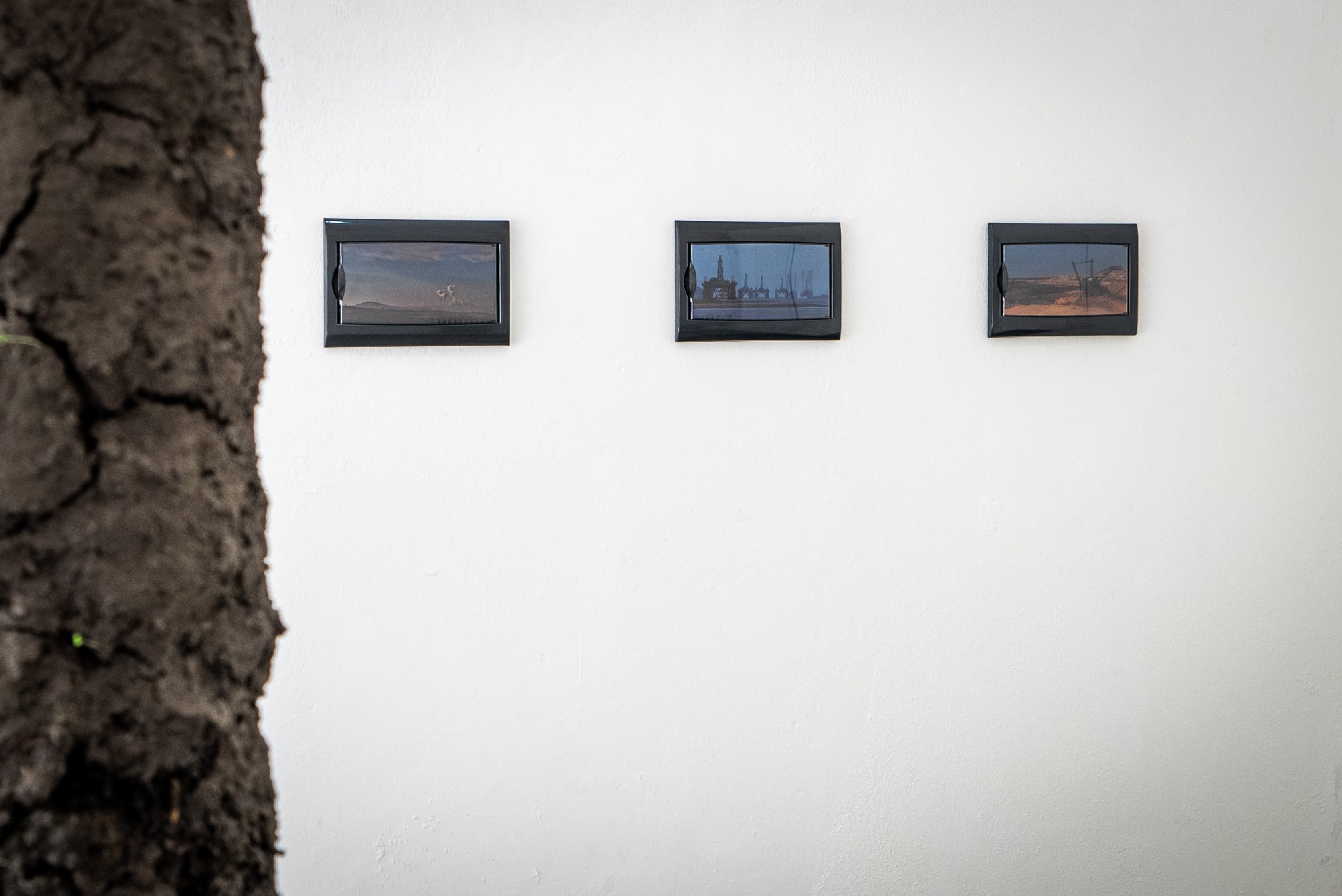
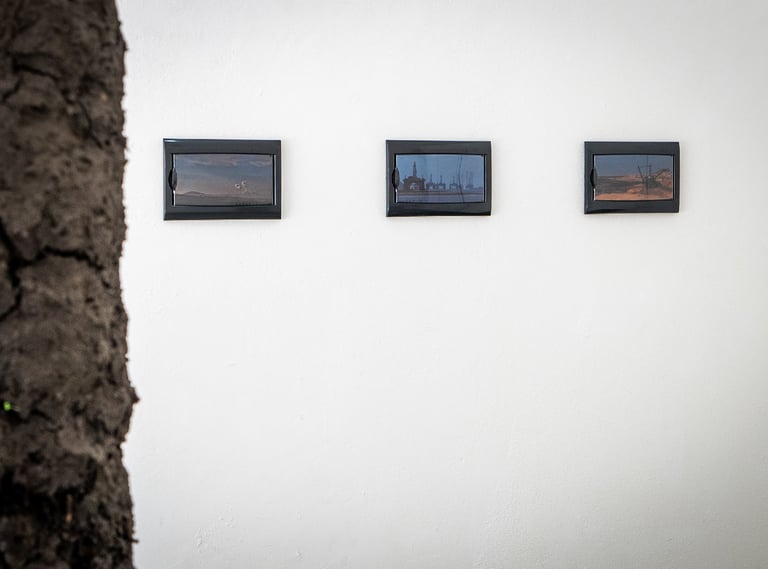
Dark Media, 2024, recessed electrical panel, pigment print, 21,5 × 32 × 3 cm. Courtesy the artist. Photo Luca Rubertà.
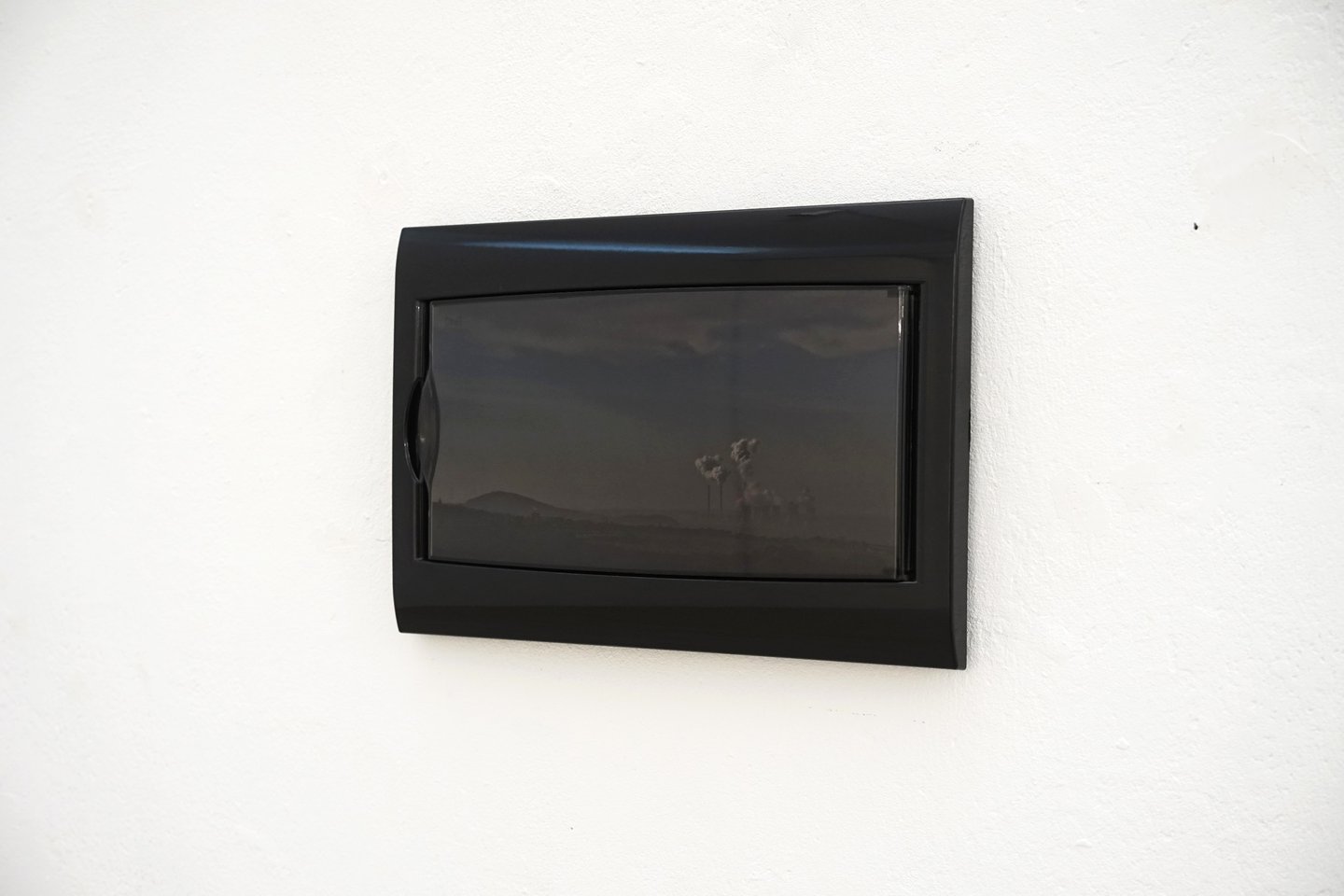
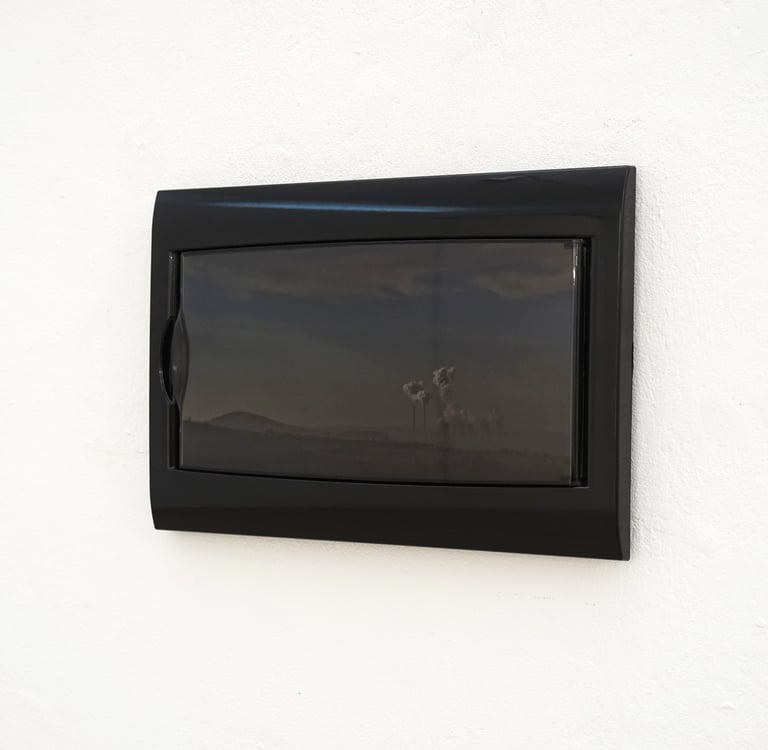
Dark Media, 2024, recessed electrical panel, pigment print, 21,5 × 32 × 3 cm. Courtesy the artist. Photo Luca Rubertà.
Decolonizing Local Spots, 2024, detail and installation view, mixed media, variable dimensions. Courtesy the artist. Photo Luca Rubertà.
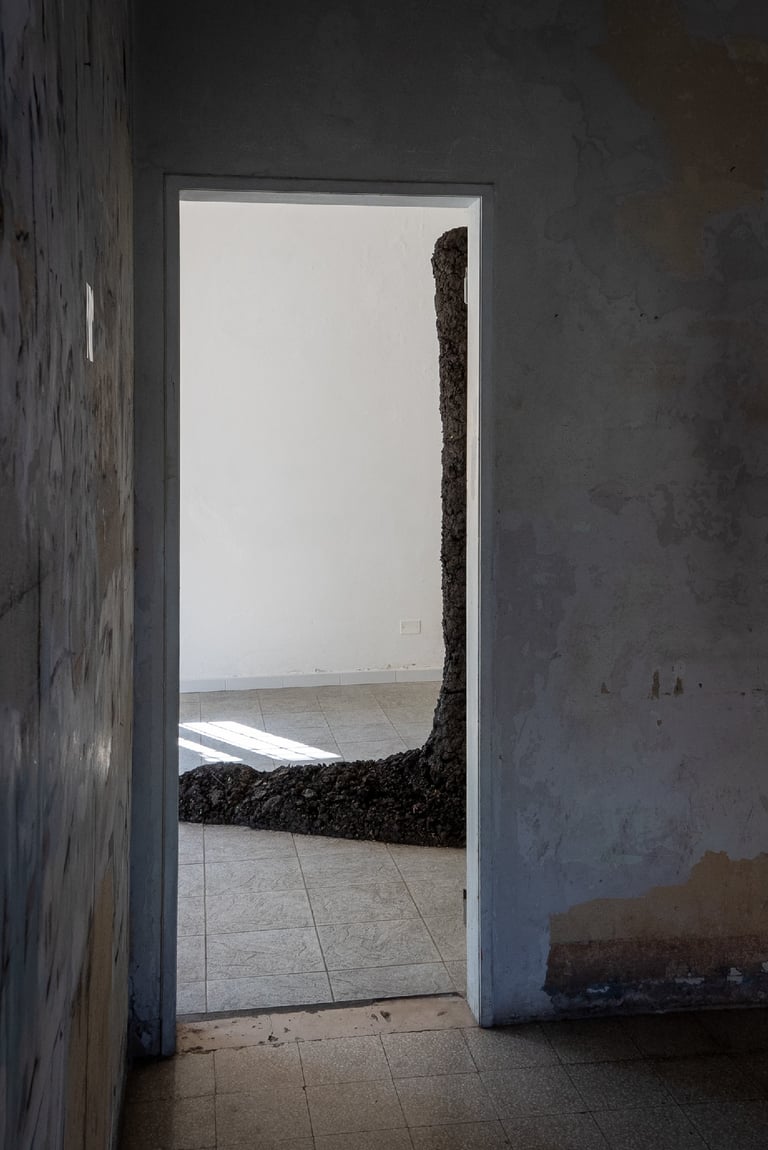
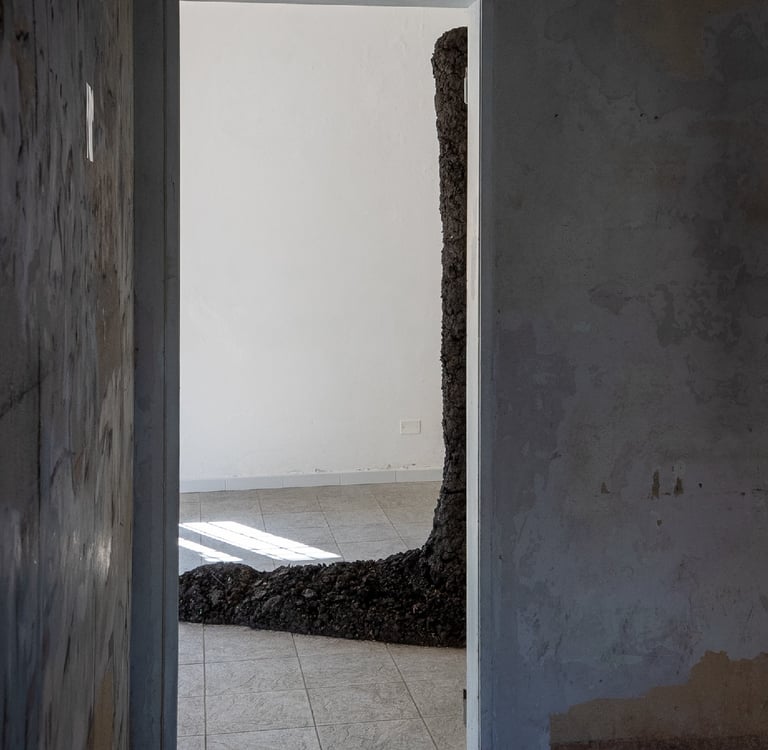
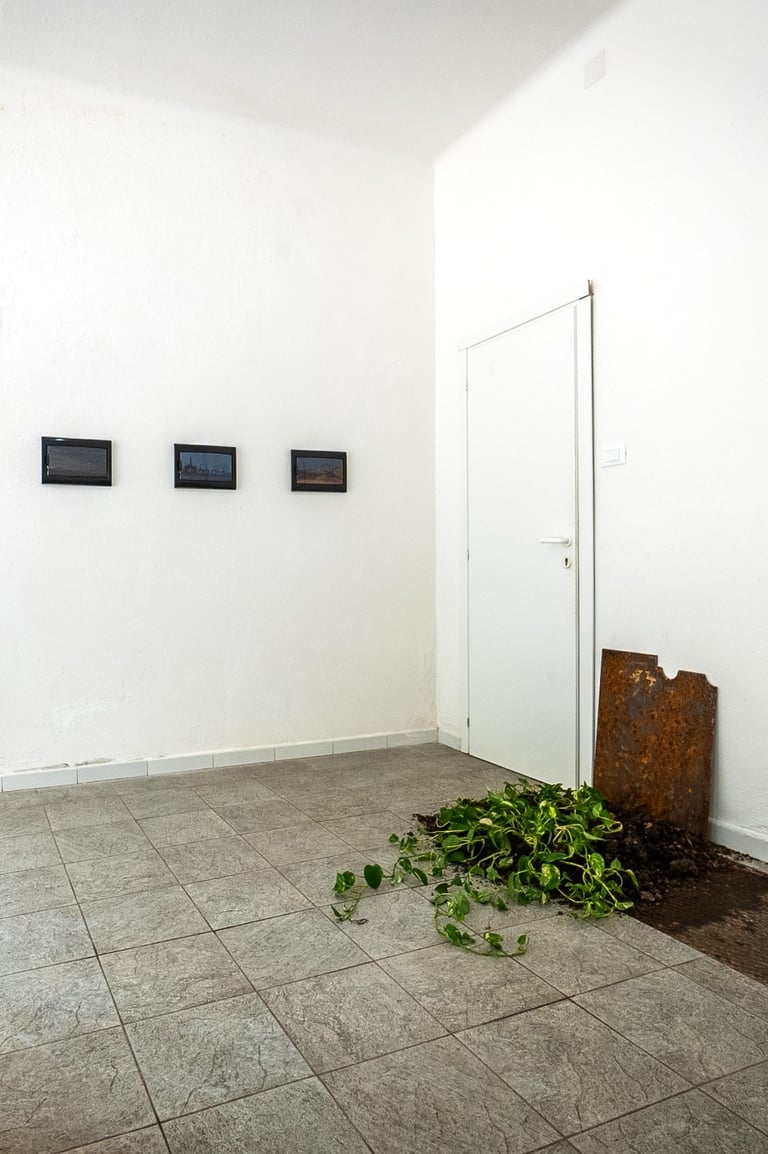
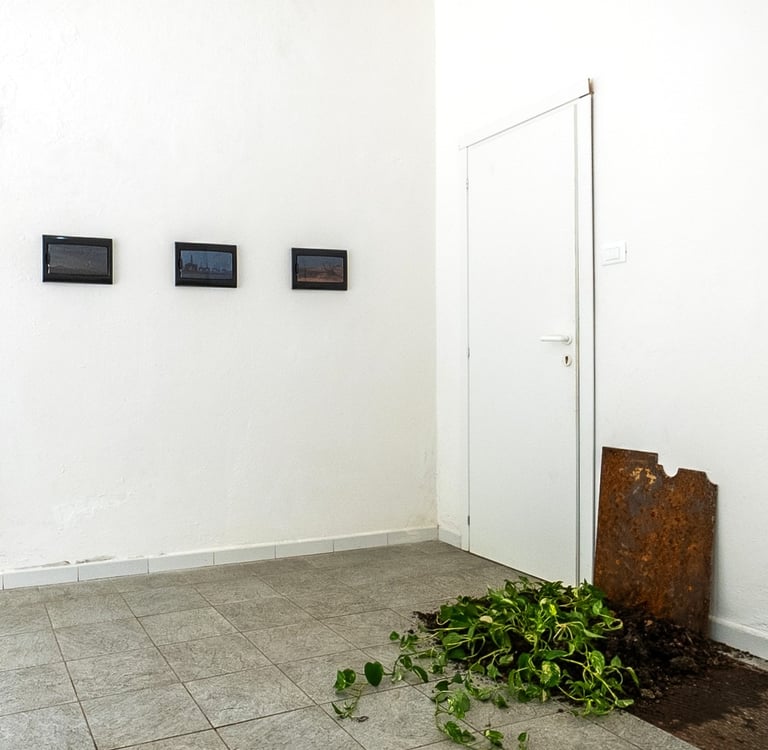
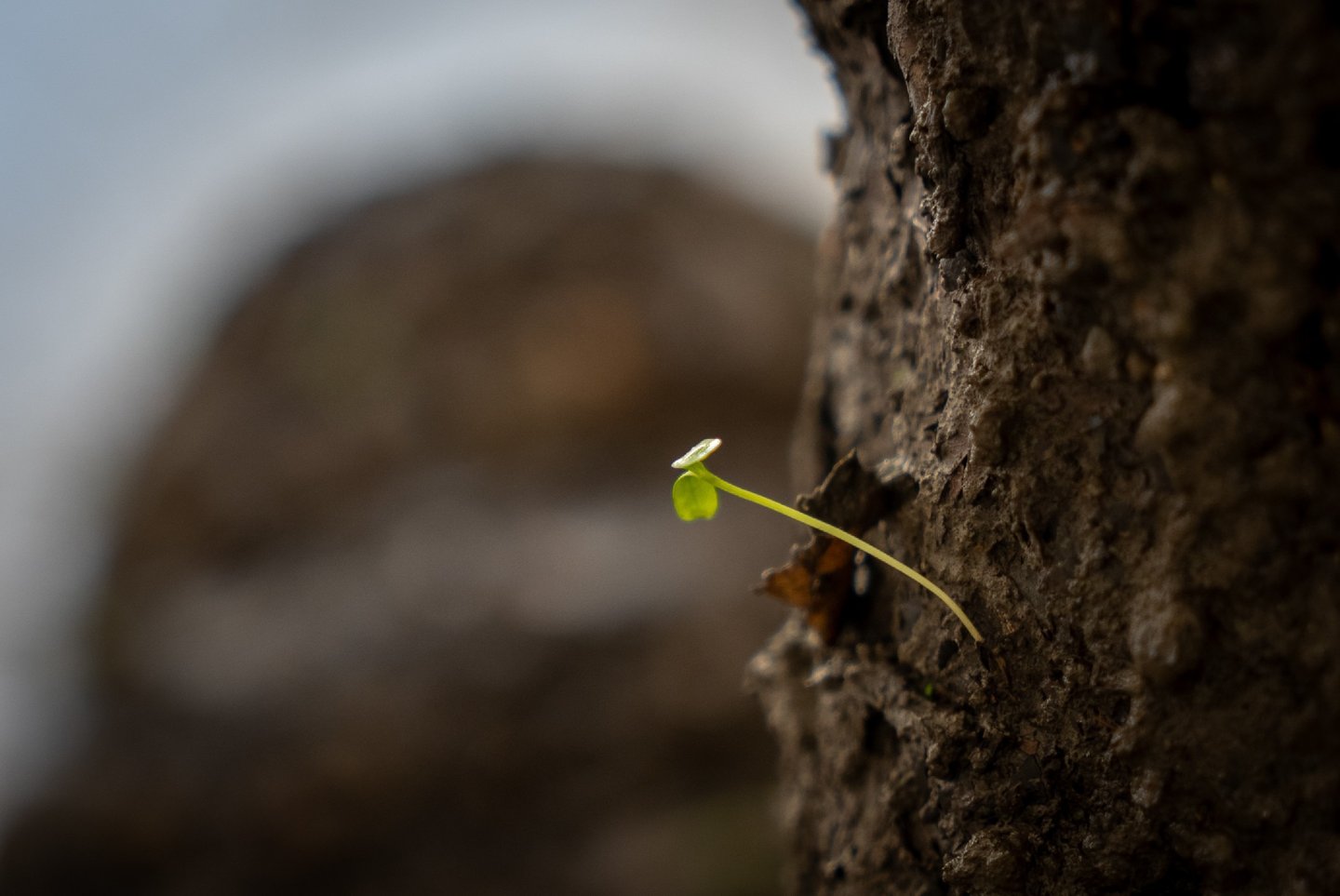
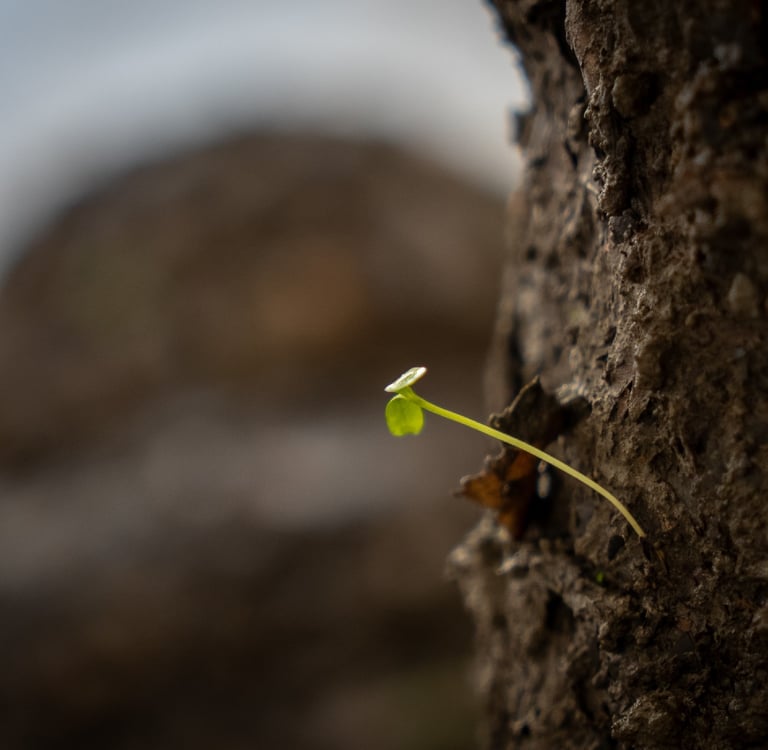
Decolonizing Local Spots, 2024, detail, mixed media, variable dimensions. Courtesy the artist. Photo Luca Rubertà.
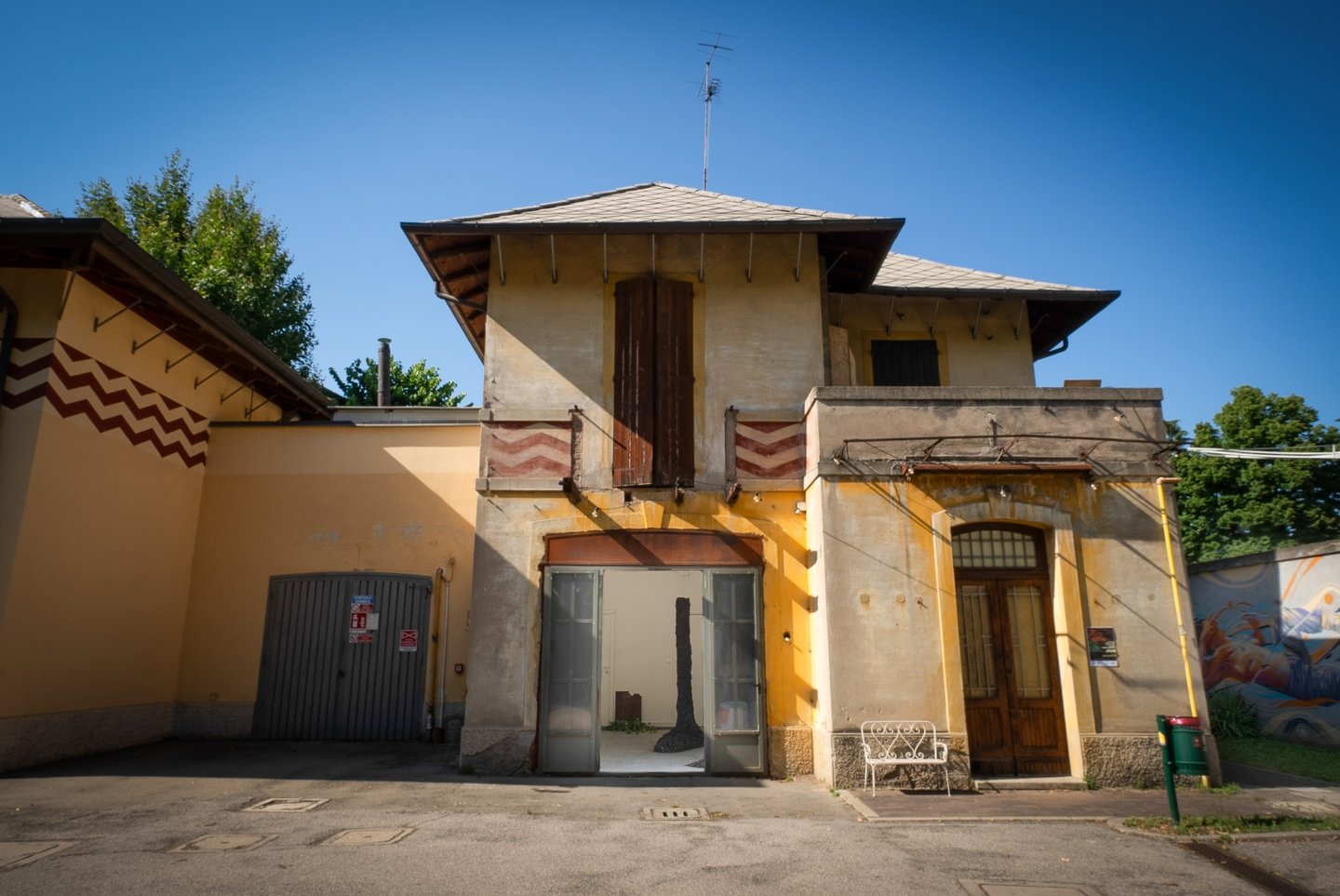
Decolonizing Local Spots, 2024, mixed media, variable dimensions. Installation view at Arco Iris R, Bologna. Courtesy the artist. Photo Luca Rubertà.
2026
PRIMO BALBETTIO, curated by Ado Brandimarte, Ascoli Piceno Art Week, Piazza San Gregorio, Ascoli.
Ascoli is known as the “city of talking stones” because of the hundreds of mottos, proverbs, aphorisms and symbols carved into the portals and historic walls of its buildings. With Primo balbettio, I created a contemporary petroglyph cold-engraved onto the main façade, integrating the millennial Ascoli tradition of “talking stones” with the languages and materials of our time. Instead of using the classic local travertine, I chose plaster and concrete as the surfaces on which to intervene, creating a temporal bridge between prehistoric rock carvings and the current urban context. The concentric circles or discs carved above the entrance have, for centuries, held apotropaic significance, that is an ancestral superstitious belief in protecting the home and welcoming those who enter. These elementary marks become infinitely evocative symbols, fantastical manifestations of the repressed need for magic and superstition, of the absence in the personal and collective imagination of mystery and the absurd, and of the research to encounter the unpredictable.


Primo balbettio, 2026, detail, petroglyph on plaster and concrete, environmental dimensions. Courtesy DACS. Photo Daniele Castelli.
.
Primo balbettio, 2026, detail, petroglyph on plaster and concrete, environmental dimensions. Courtesy DACS. Photo Daniele Castelli.
Primo balbettio, 2026, petroglyph on plaster and concrete, environmental dimensions. Installation view at Piazza San Gregorio, Ascoli. Courtesy DACS. Photo Daniele Castelli.
Primo balbettio, 2026, petroglyph on plaster and concrete, environmental dimensions. Installation view at Piazza San Gregorio, Ascoli. Courtesy DACS. Photo Daniele Castelli.

Primo balbettio, 2026, petroglyph on plaster and concrete, environmental dimensions. Installation view at Piazza San Gregorio, Ascoli. Courtesy DACS. Photo Daniele Castelli.

Primo balbettio, 2026, detail, petroglyph on plaster and concrete, environmental dimensions. Courtesy DACS. Photo Daniele Castelli.


Primo balbettio, 2026, detail, petroglyph on plaster and concrete, environmental dimensions. Courtesy DACS. Photo Daniele Castelli.
GIURIAMO SU COSA (DISERTORI), curated by Luca Caccioni, Opentour, P420 Gallery, Bologna.
This work belongs to the Disertori cycle and can be summarized as a linguistic research; specifically, it investigates the deconstruction of language in order to explore its fundamentals. The elementary sign, the elemental form, and the use of soil are deeply connected to this deconstruction, understood as the stammering of language and the nullification of its performative character, of its operativity, that is, the capacity of language to become politics and of politics to become metaphor, image, commonplace, myth. The sculptures placed on the floor become walk-through structures, habitable spaces, oases of perception but not of meaning. We could talk about of silent architectures, in that they lack a fixed narrative or explanation that imposes a single, predetermined experience of the work. The archaeology of the sign that accompanies the Disertori aims, rather, to investigate the fundamentals of language, leaving open new perceptual and visionary possibilities. The eleven sculptural elements that make up the installation refer to nothing but themselves, taking the form of contradictory presence, silent and loquacious at the same time, like thresholds, passages, places of boundary, and openings toward new personal imaginaries.


Giuriamo su cosa (Disertori), 2026, soil of pulper, beeswax, variable dimensions. Installation view at P420 Gallery, Bologna. Courtesy the artist. Photo Marco Erpete and Leonardo Quaglieri.
.
Giuriamo su cosa (Disertori), 2026, detail, soil of pulper, beeswax, variable dimensions. Courtesy the artist. Photo Marco Erpete and Leonardo Quaglieri.
Giuriamo su cosa (Disertori), 2026, soil of pulper, beeswax, variable dimensions. Installation view at P420 Gallery, Bologna. Courtesy the artist. Photo Marco Erpete and Leonardo Quaglieri.
Giuriamo su cosa (Disertori), 2026, soil of pulper, beeswax, variable dimensions. Installation view at P420 Gallery, Bologna. Courtesy the artist. Photo Marco Erpete and Leonardo Quaglieri.


Giuriamo su cosa (Disertori), 2026, soil of pulper, beeswax, variable dimensions. Installation view at P420 Gallery, Bologna. Courtesy the artist. Photo Marco Erpete and Leonardo Quaglieri.


Giuriamo su cosa (Disertori), 2026, detail, soil of pulper, beeswax, variable dimensions. Courtesy the artist. Photo Marco Erpete and Leonardo Quaglieri.

Giuriamo su cosa (Disertori), 2026, detail, soil of pulper, beeswax, variable dimensions. Courtesy the artist. Photo Marco Erpete and Leonardo Quaglieri.
2025
DECONSTRUCTIO ET DECODIFICATIO, curated by Pietro Marini and Giorgia Baroncelli, Biennial of Contemporary Mosaic, Edicola di Porta Adriana, Ravenna.
Through the use of coloured bubble wrap, the surface of the newspaper is transformed into a decorative pattern reminiscent of luxury and high fashion products, displayed for contemplation but removed from reading. What is offered to the eye is an aestheticised surface that retains light and refracts reality, but does not reveal it. In this dialectic between transparency and concealment, the installation invite to recognise our position as powerless observers, fascinated by its sparkling surface but unable to penetrate the complexity of reality: spectators of a world we can no longer decode. The newspapers, wrapped in their shiny packaging, become testimonies to a void, evidence that only records our absence. The apparent harmony conceals a profound dissonance, an irreparable rift between reality, its representation and its perception. The newsstand becomes the semantic architecture of this tension, a place where the language of consumption meets that of memory, and where the artistic gesture is transformed into an exercise in perceptual awareness.
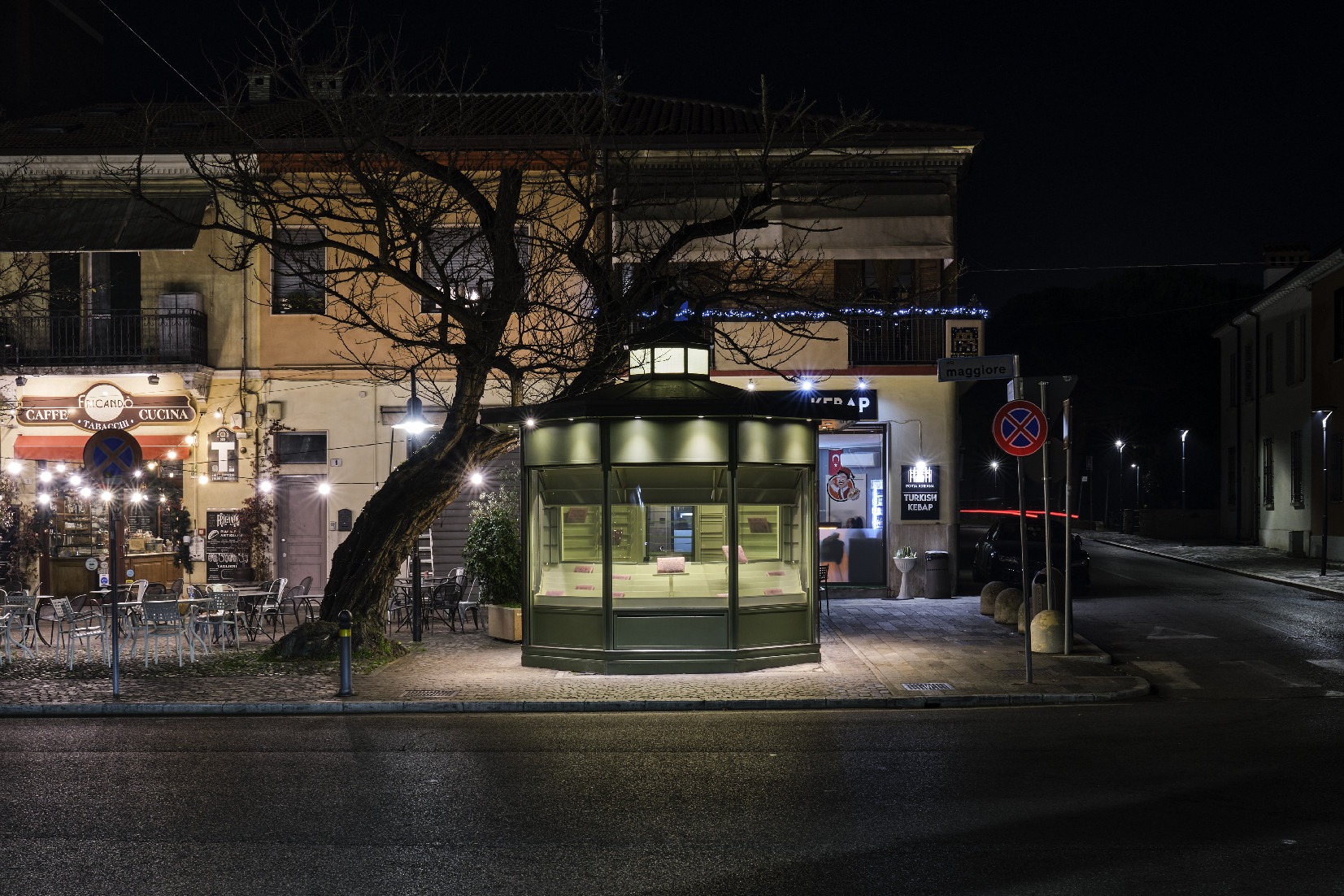
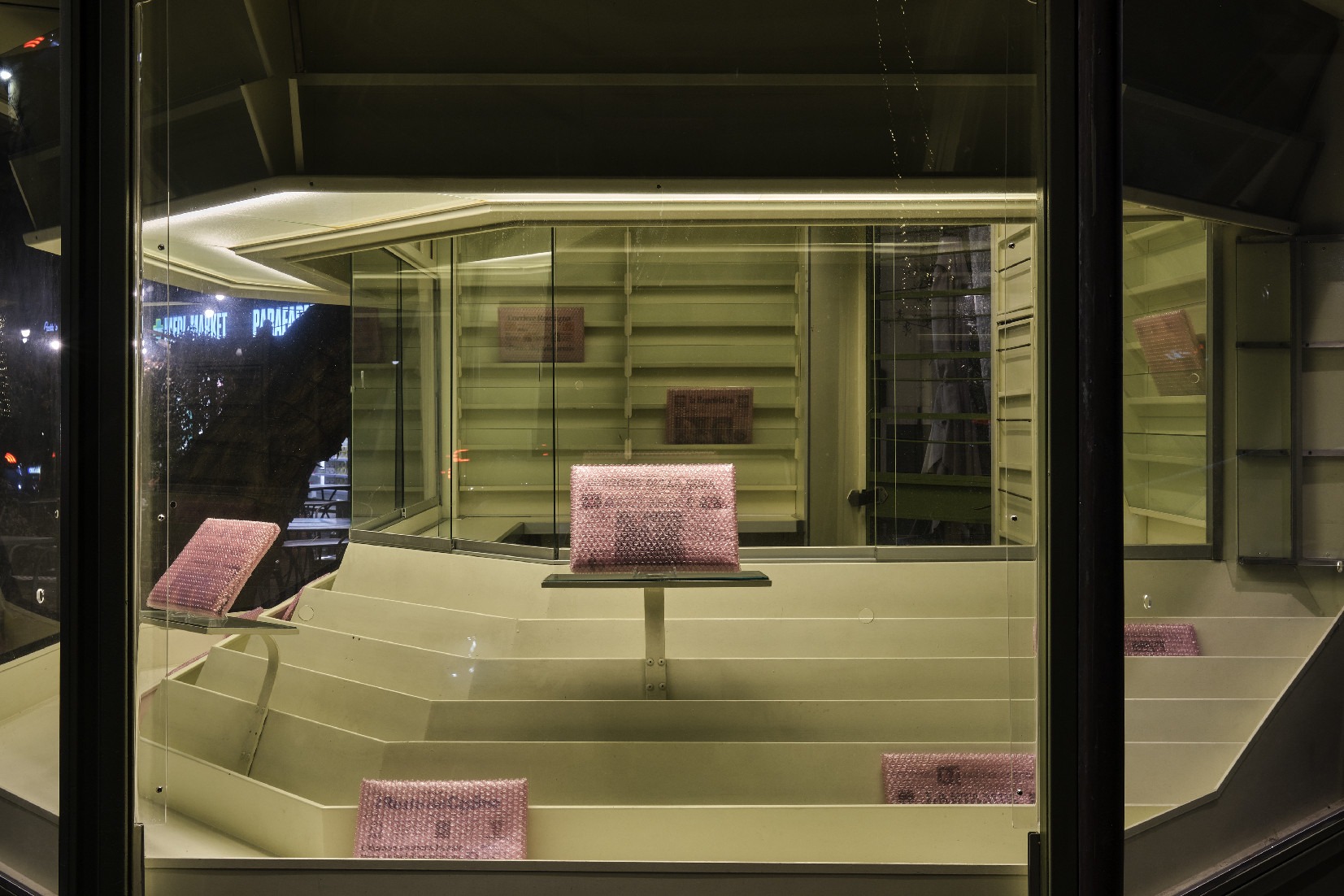
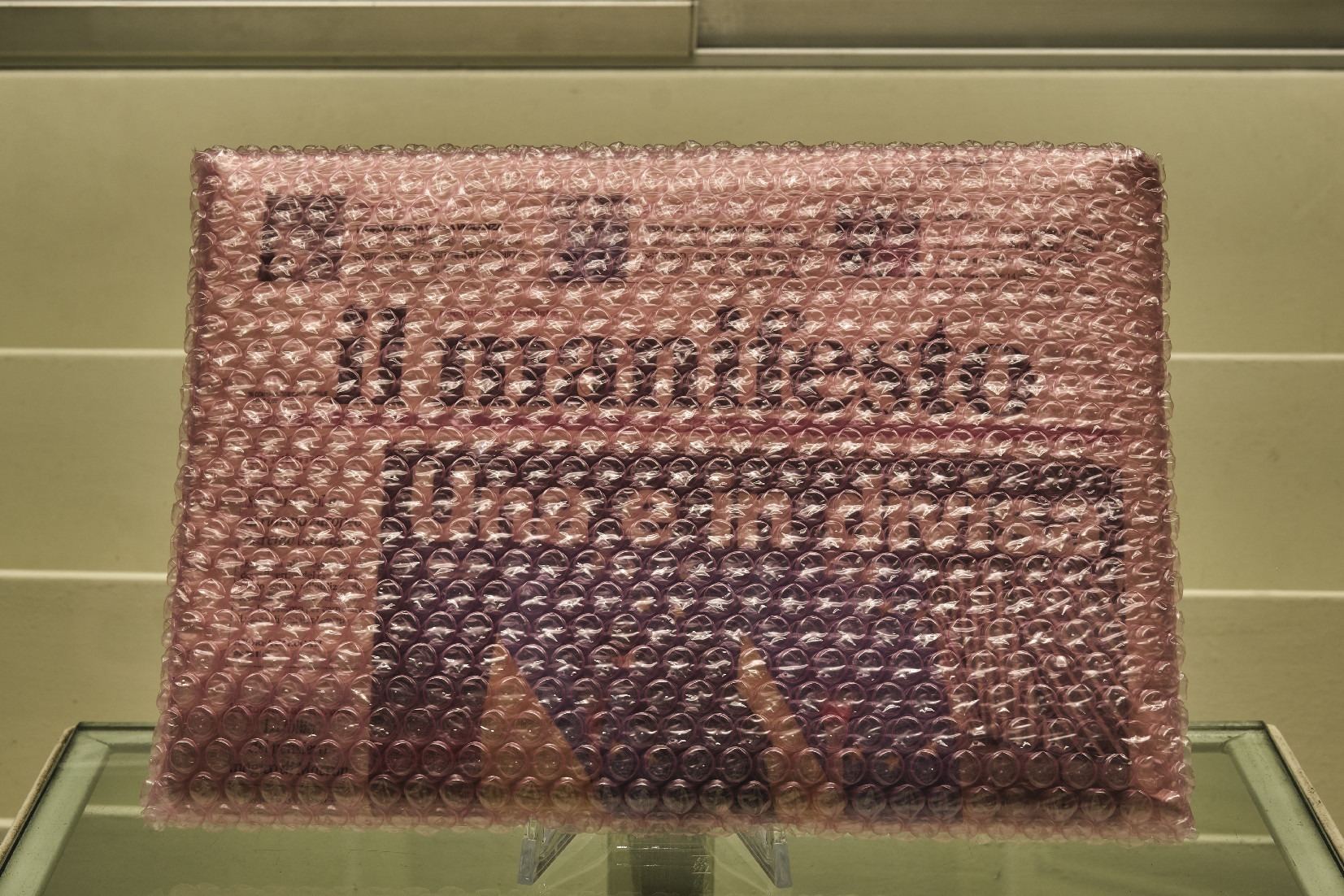
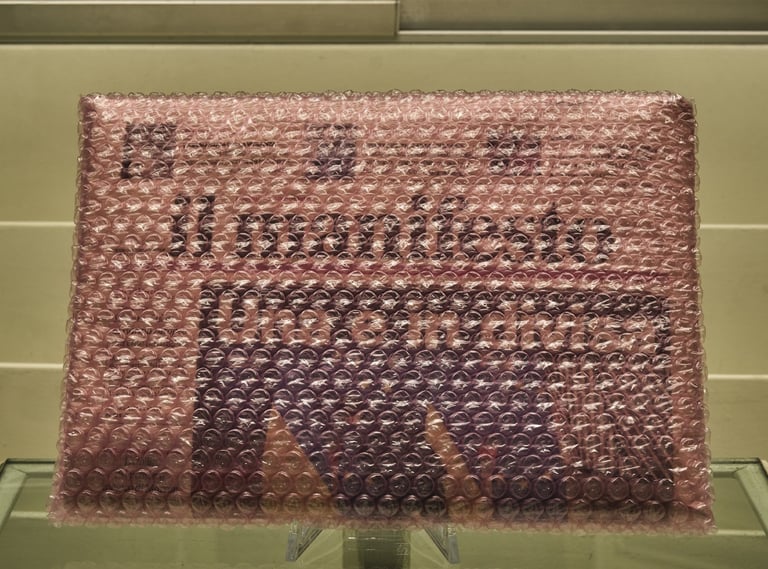
Deconstructio et decodificatio, 2025, detail, newspapers, bubble wrap, variable dimensions. Courtesy the artist. Photo Lorenzo Pasini.
.
.
Deconstructio et decodificatio, 2025, newspapers, bubble wrap, variable dimensions. Installation view at Edicola di Porta Adriana, Ravenna. Courtesy the artist. Photo Lorenzo Pasini.
Deconstructio et decodificatio, 2025, newspapers, bubble wrap, variable dimensions. Installation view at Edicola di Porta Adriana, Ravenna. Courtesy the artist. Photo Lorenzo Pasini.
Deconstructio et decodificatio, 2025, newspapers, bubble wrap, variable dimensions. Installation view at Edicola di Porta Adriana, Ravenna. Courtesy the artist. Photo Lorenzo Pasini.
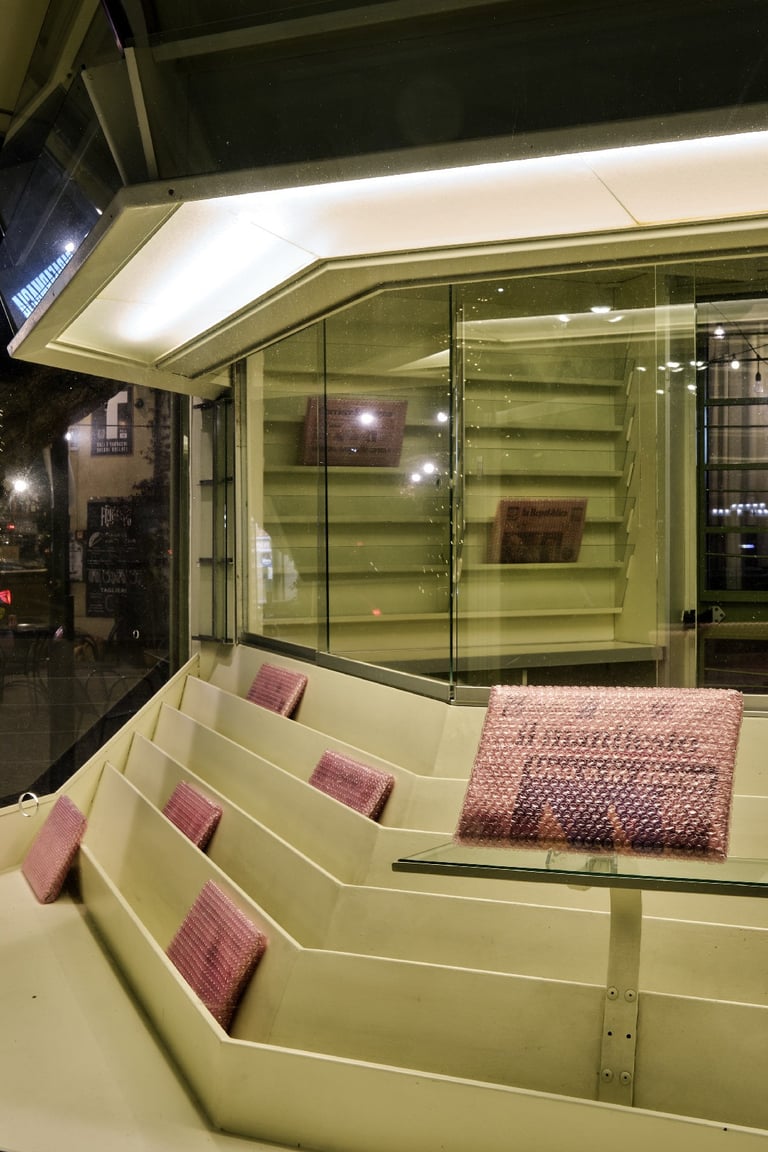
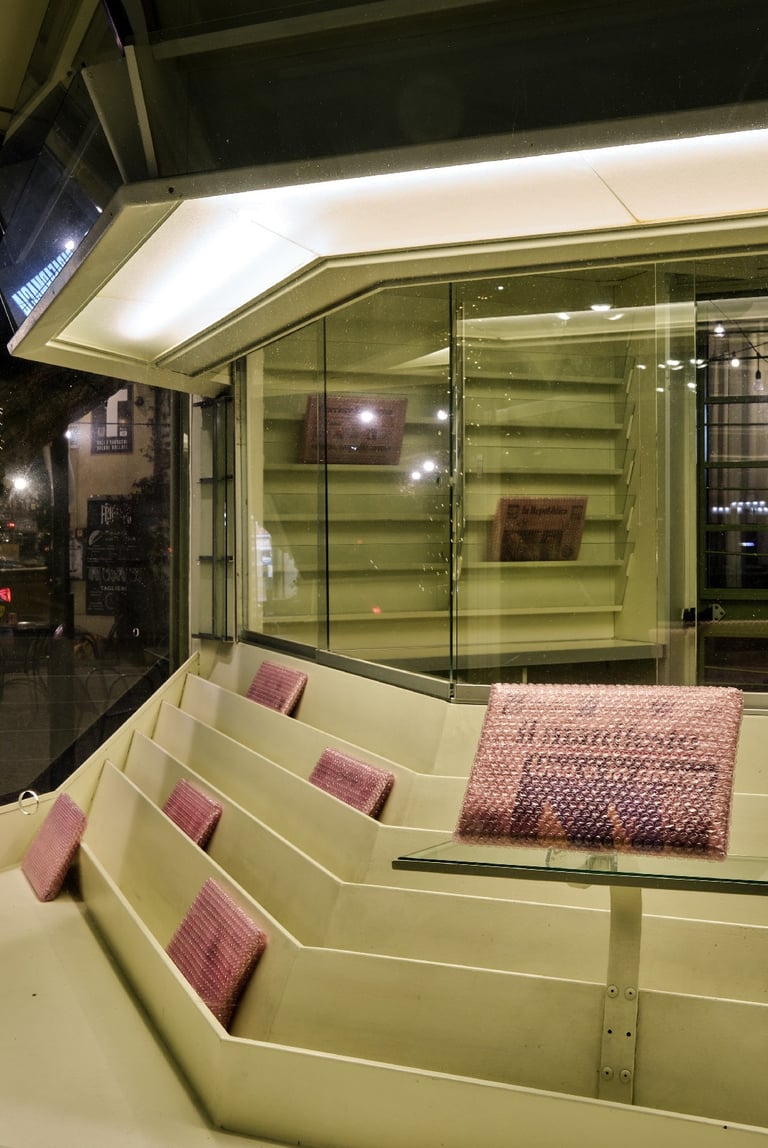
Deconstructio et decodificatio, 2025, detail, newspapers, bubble wrap, variable dimensions. Courtesy the artist. Photo Lorenzo Pasini.
.
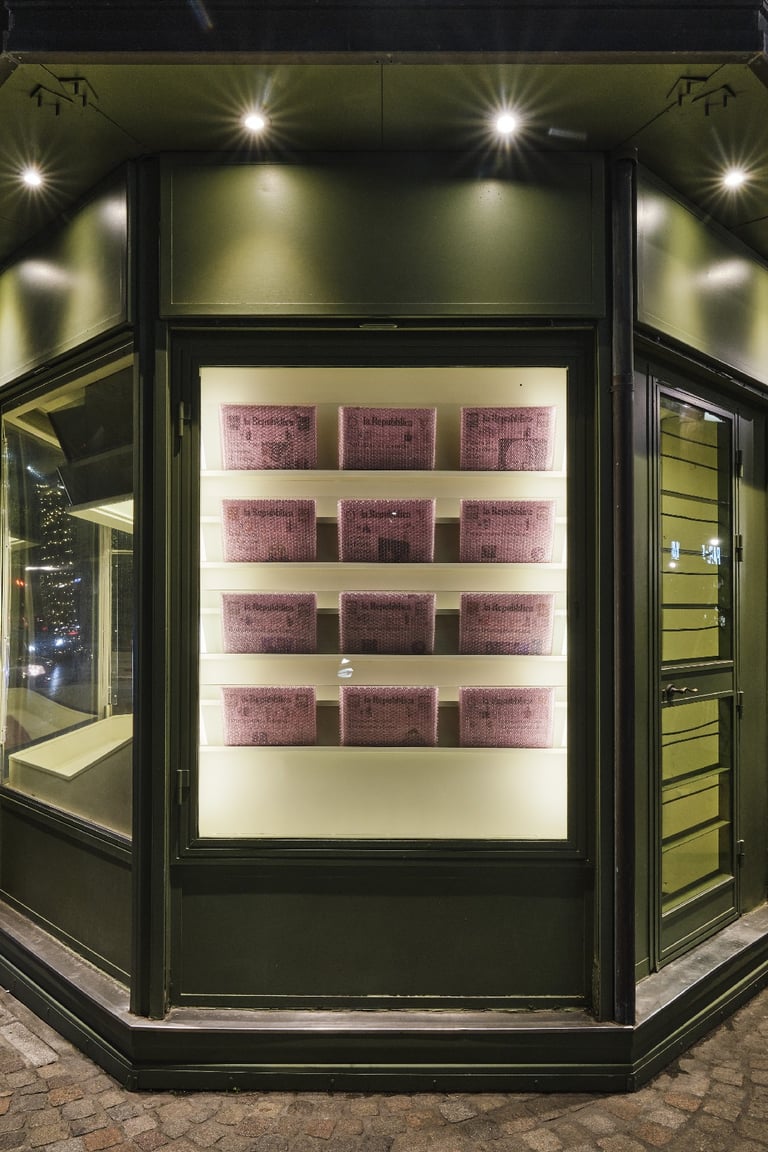
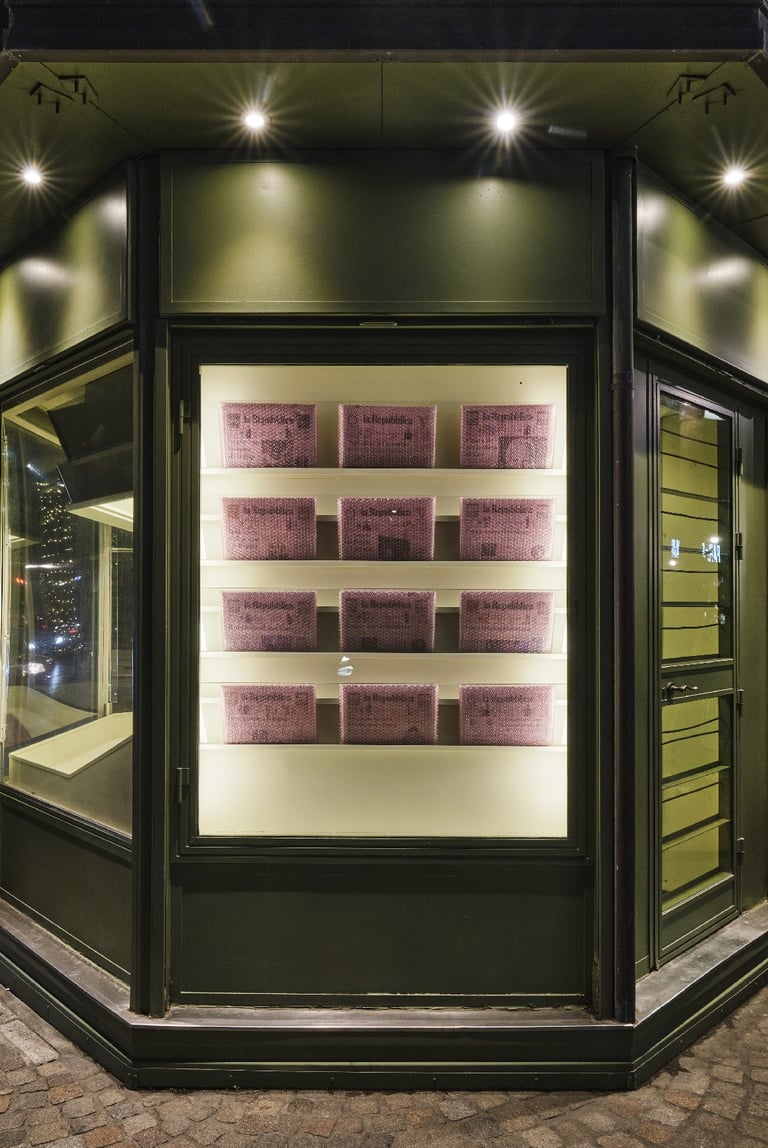
Deconstructio et decodificatio, 2025, newspapers, bubble wrap, variable dimensions. Installation view at Edicola di Porta Adriana, Ravenna. Courtesy the artist. Photo Lorenzo Pasini.
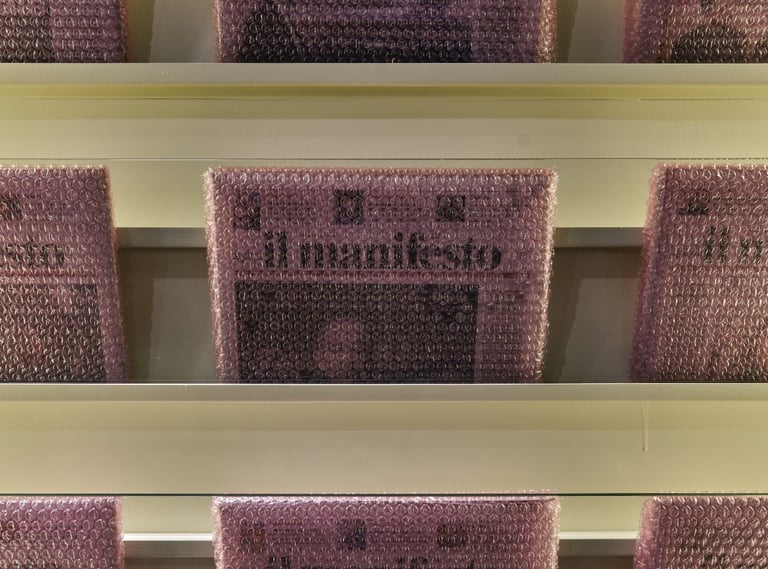
Deconstructio et decodificatio, 2025, detail, newspapers, bubble wrap, variable dimensions. Courtesy the artist. Photo Lorenzo Pasini.
GUARDARE MA NON TOCCARE, curated by Elisa Zanta, Piccola Galleria, Bologna.
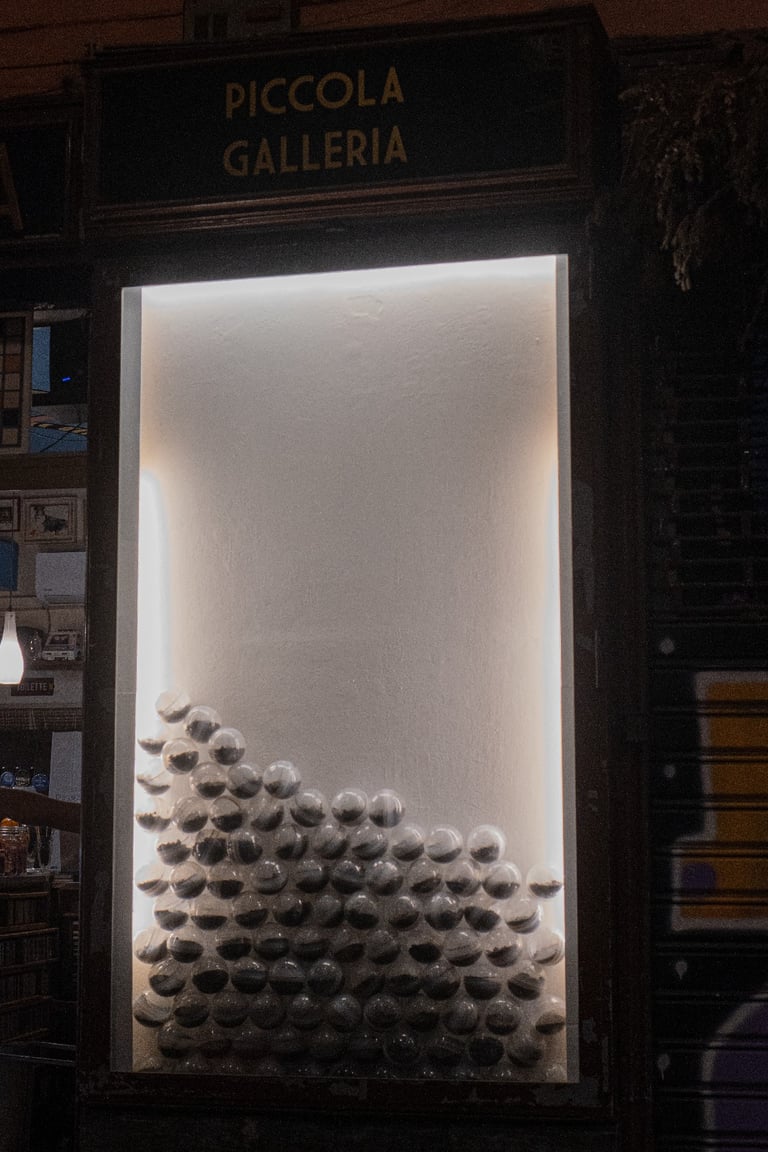
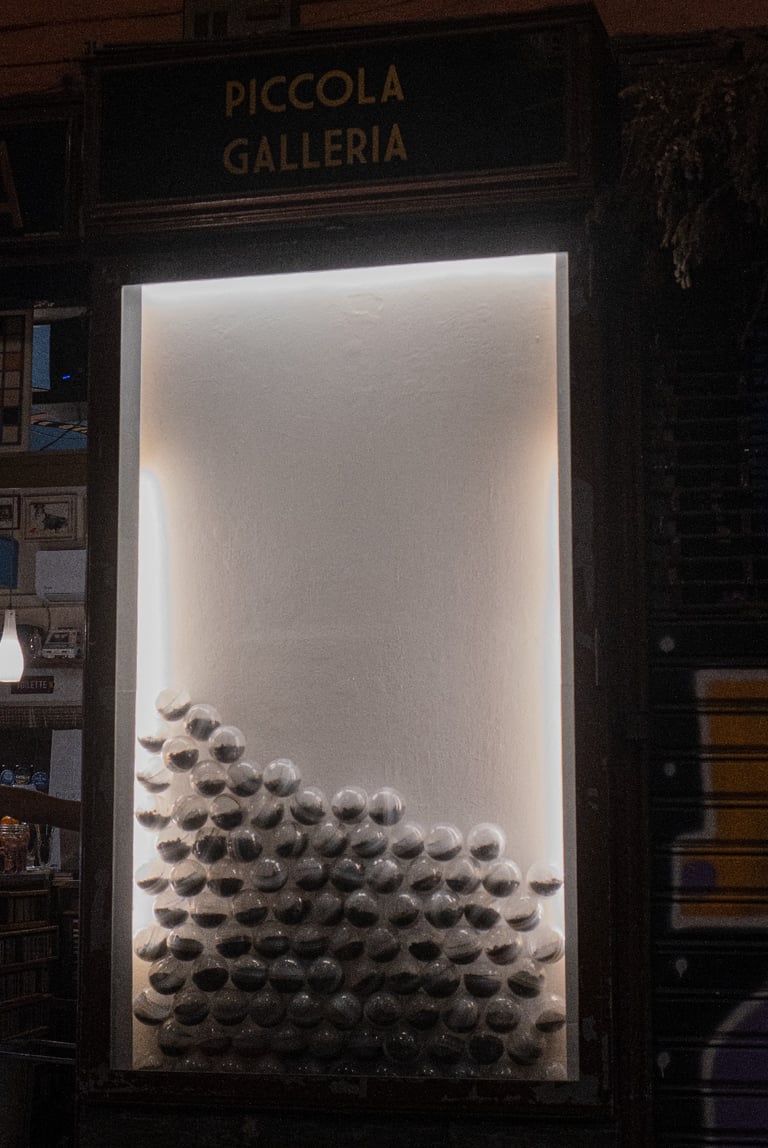
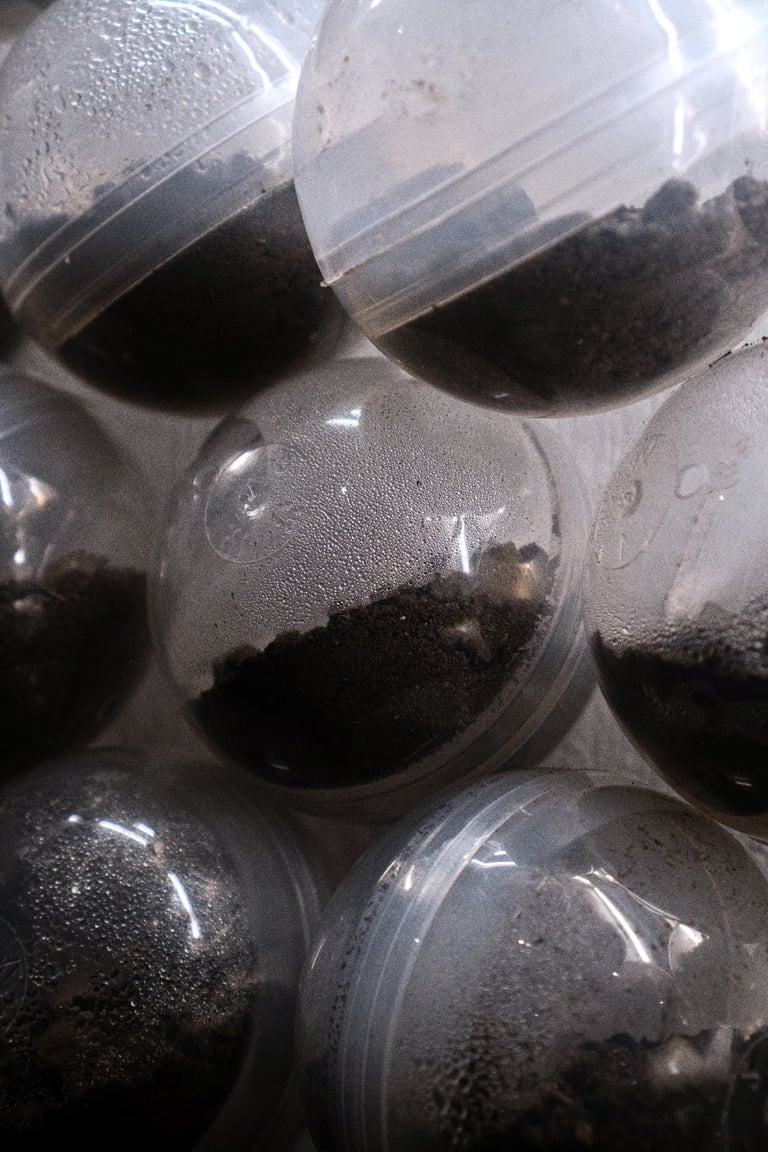
This intervention develops from Capofortuna, a previous series in which soil collected personally from an old hemp mill is transformed into merchandise and made available for purchase through a vending machine. With Guardare ma non toccare the gesture of appropriation is interrupted. The spheres are no longer accessible or purchasable: they remain closed behind glass, offered only to the gaze. Irony gives way to a contemplative dimension, in which the distance between subject and object is no longer merely formal, but becomes structural. This shift marks a concrete loss, not only of physical access to the material, but also of the very possibility of belonging. What was once direct experience becomes mediated vision, filtered by the logic of management, ownership, and consumption. Physical and experiential inaccessibility to reality becomes inevitable: we are enclosed in our own bubble of perception and destined for isolation, even if we are wandering in the same sea of hyperreality, imprisoned in the mirror of the virtual.
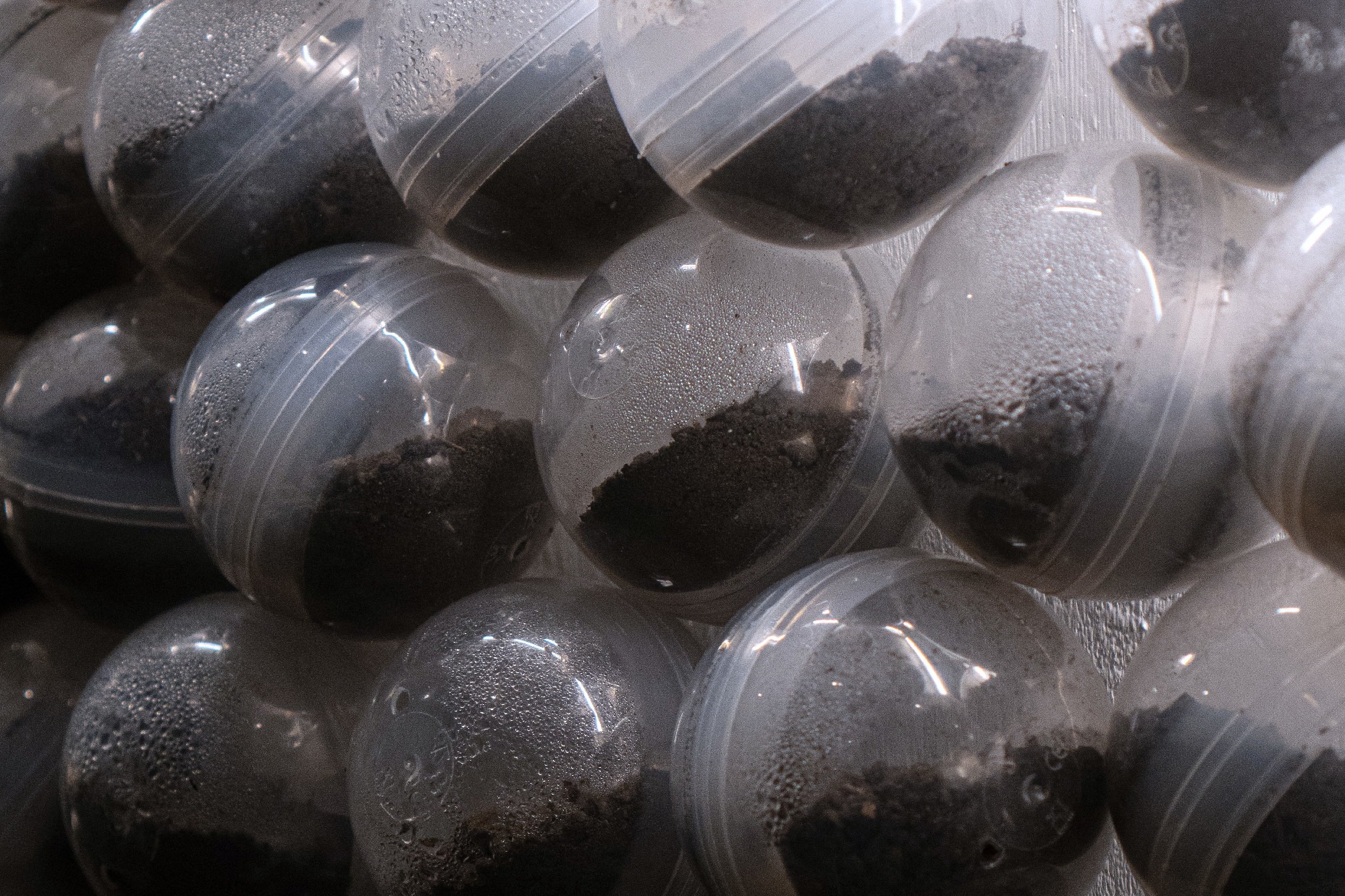
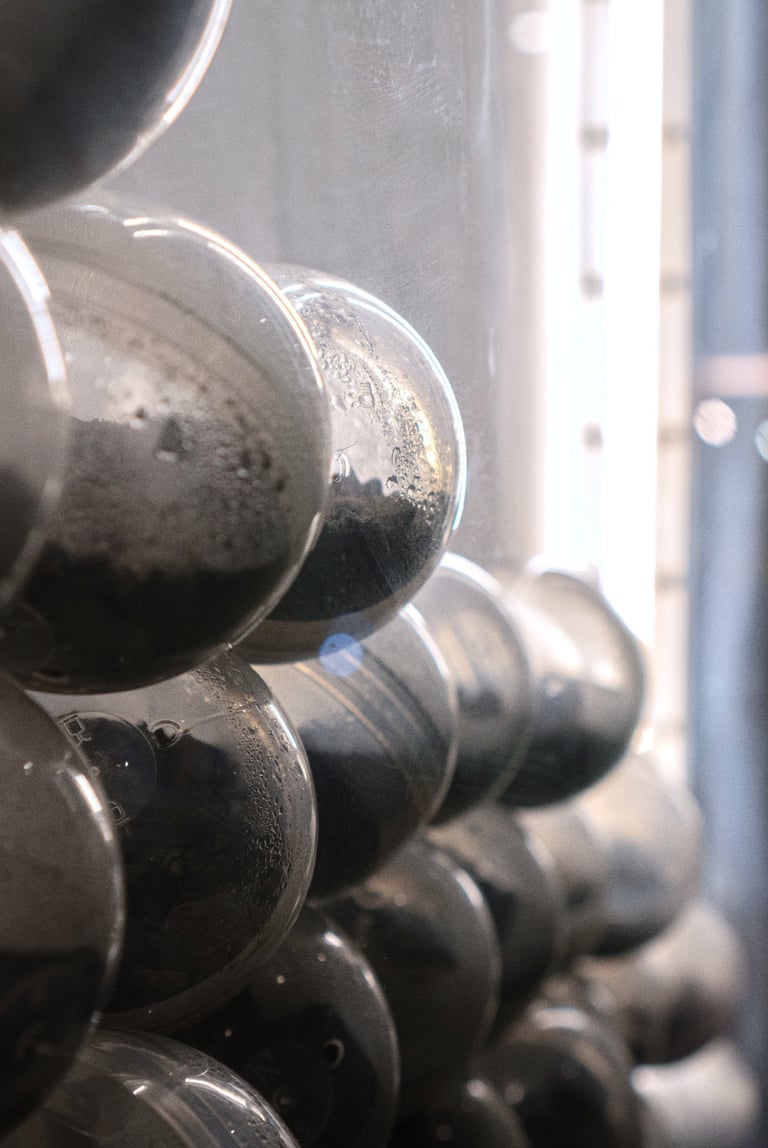
Guardare ma non toccare, 2025, soil of pulper, polypropylene capsules, environmental dimensions. Installation view at Piccola Galleria, Bologna. Courtesy the artist. Photo Marco Erpete.
.
Guardare ma non toccare, 2025, soil of pulper, polypropylene capsules, environmental dimensions. Installation view at Piccola Galleria, Bologna. Courtesy the artist. Photo Marco Erpete.
Guardare ma non toccare, 2025, detail, soil of pulper, polypropylene capsules, environmental dimensions. Courtesy the artist. Photo Marco Erpete.
.
Guardare ma non toccare, 2025, detail, soil of pulper, polypropylene capsules, environmental dimensions. Courtesy the artist. Photo Marco Erpete.
.
Guardare ma non toccare, 2025, detail, soil of pulper, polypropylene capsules, environmental dimensions. Courtesy the artist. Photo Marco Erpete.
.
Guardare ma non toccare, 2025, soil of pulper, polypropylene capsules, environmental dimensions. Installation view at Piccola Galleria, Bologna. Courtesy the artist. Photo Marco Erpete.
.
Guardare ma non toccare, 2025, detail, soil of pulper, polypropylene capsules, environmental dimensions. Courtesy the artist. Photo Marco Erpete.
CAPOFORTUNA, series, soil of pulper, polypropylene capsules, steel and plexiglass vending machine, various dimensions.
Capofortuna ironises the ease with which today we are able to “buy” a clean conscience: it only takes a few seconds, a mechanical gesture, and we feel at peace with the planet. In a system dominated by the instantaneousness of consumerism, even the relationship with the environment can be reduced to a brief experience, a prêt-à-porter relief. The installation acts as a critical lens on the habits of contemporaneity, in which eco-anxiety can be sublimated into small self-absolving rituals, where the soil itself becomes a pseudo-therapeutic vending machine gadget. By packaging the climate emergency as a commodity with a nostalgic character, the simple act of “picking up the ball” becomes, at the same time, a game and a little deception: a sop, a green placebo that reminds us how easy it is to sell the idea of salvation and how much more difficult it is, instead, to take responsibility for cultivating it.
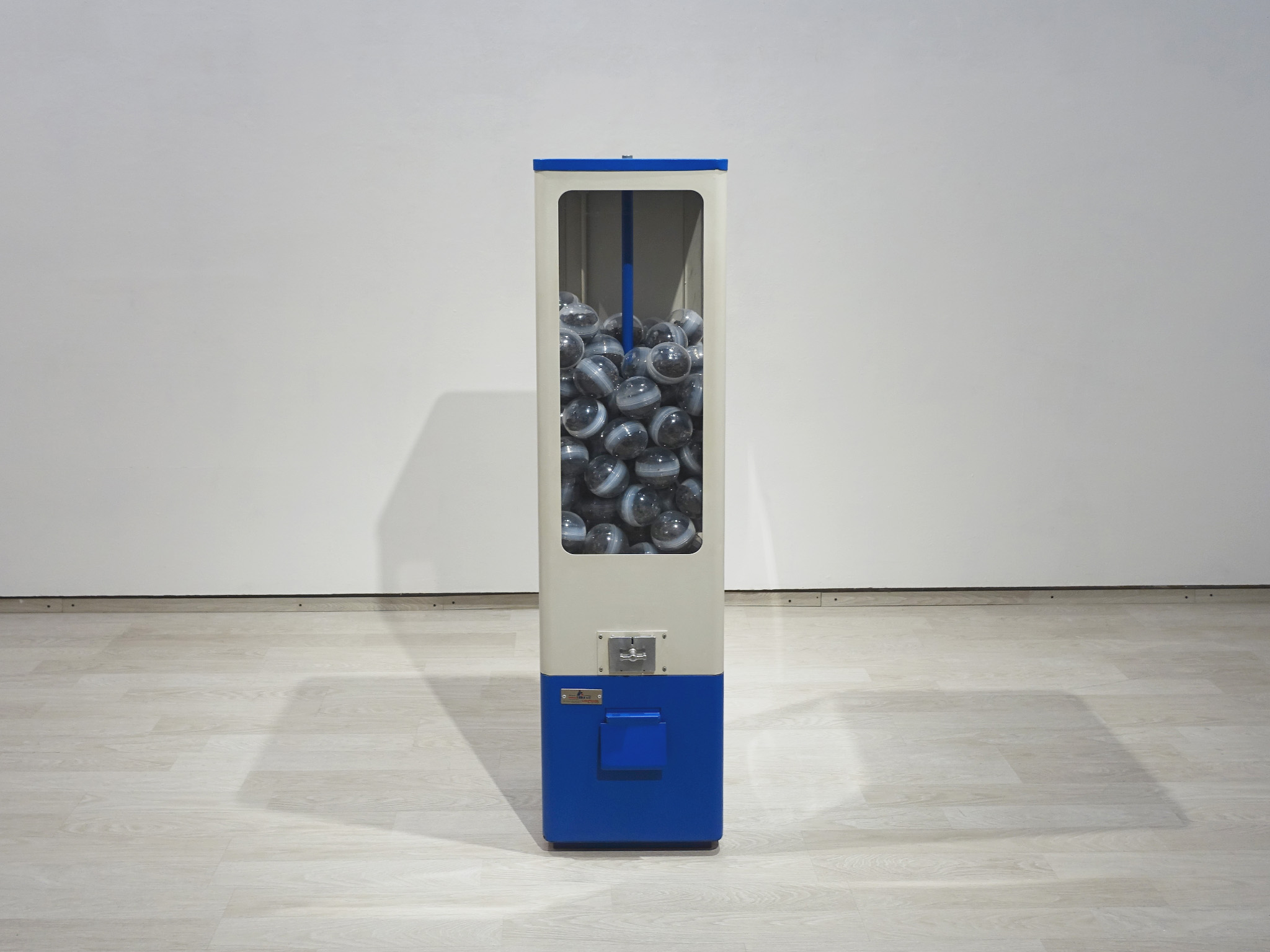
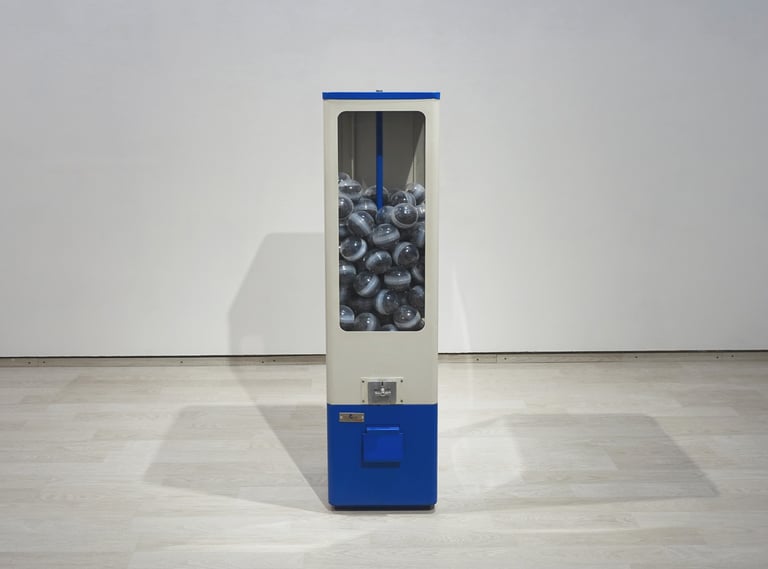
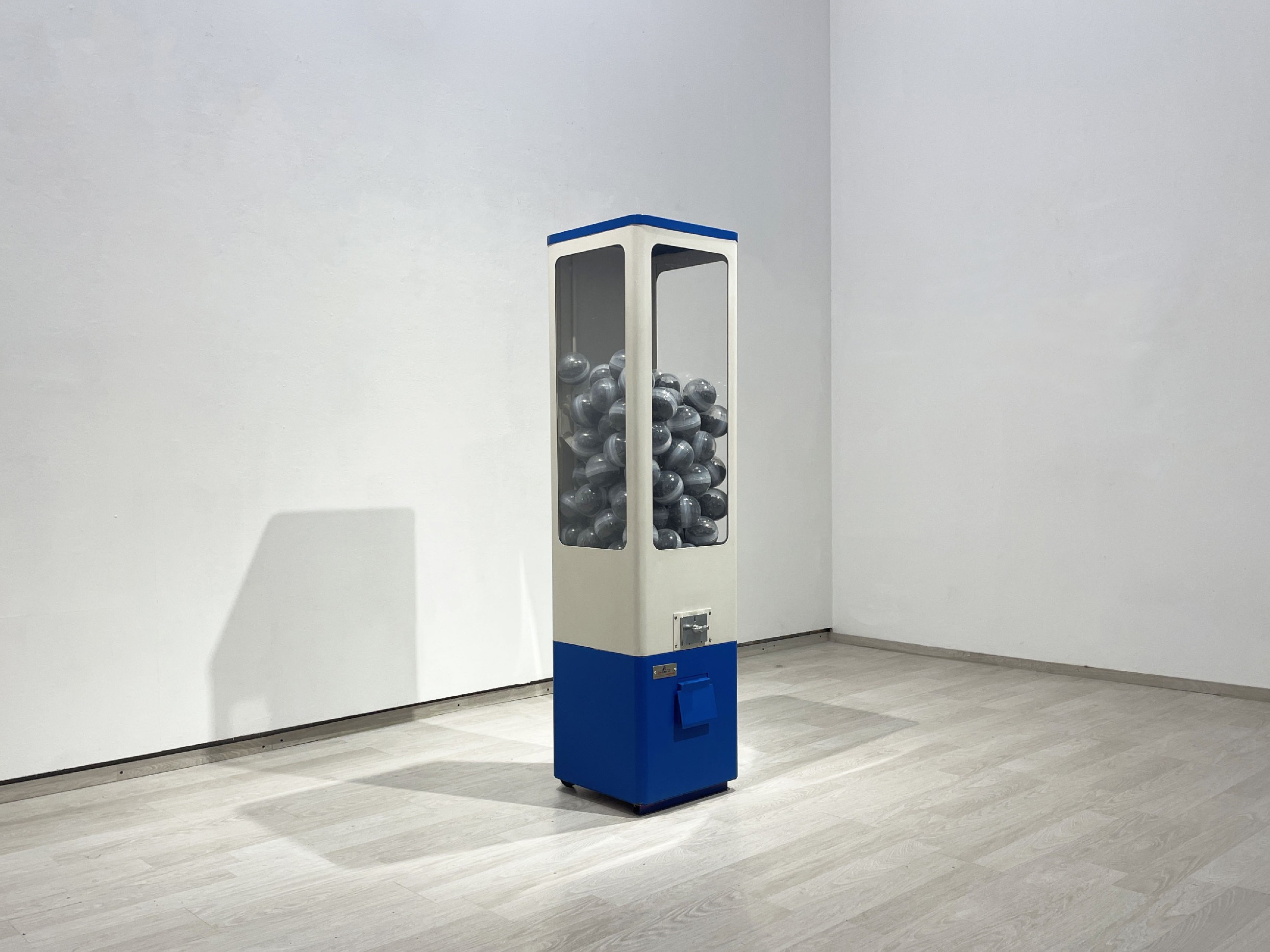
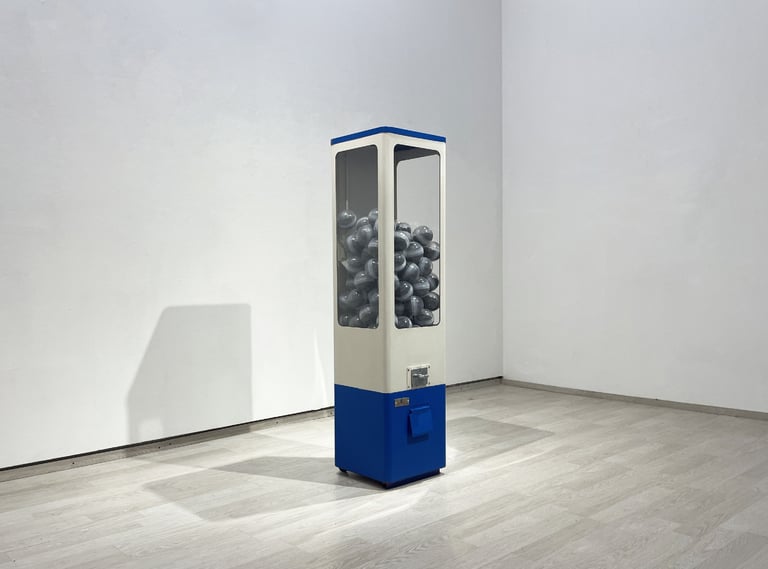
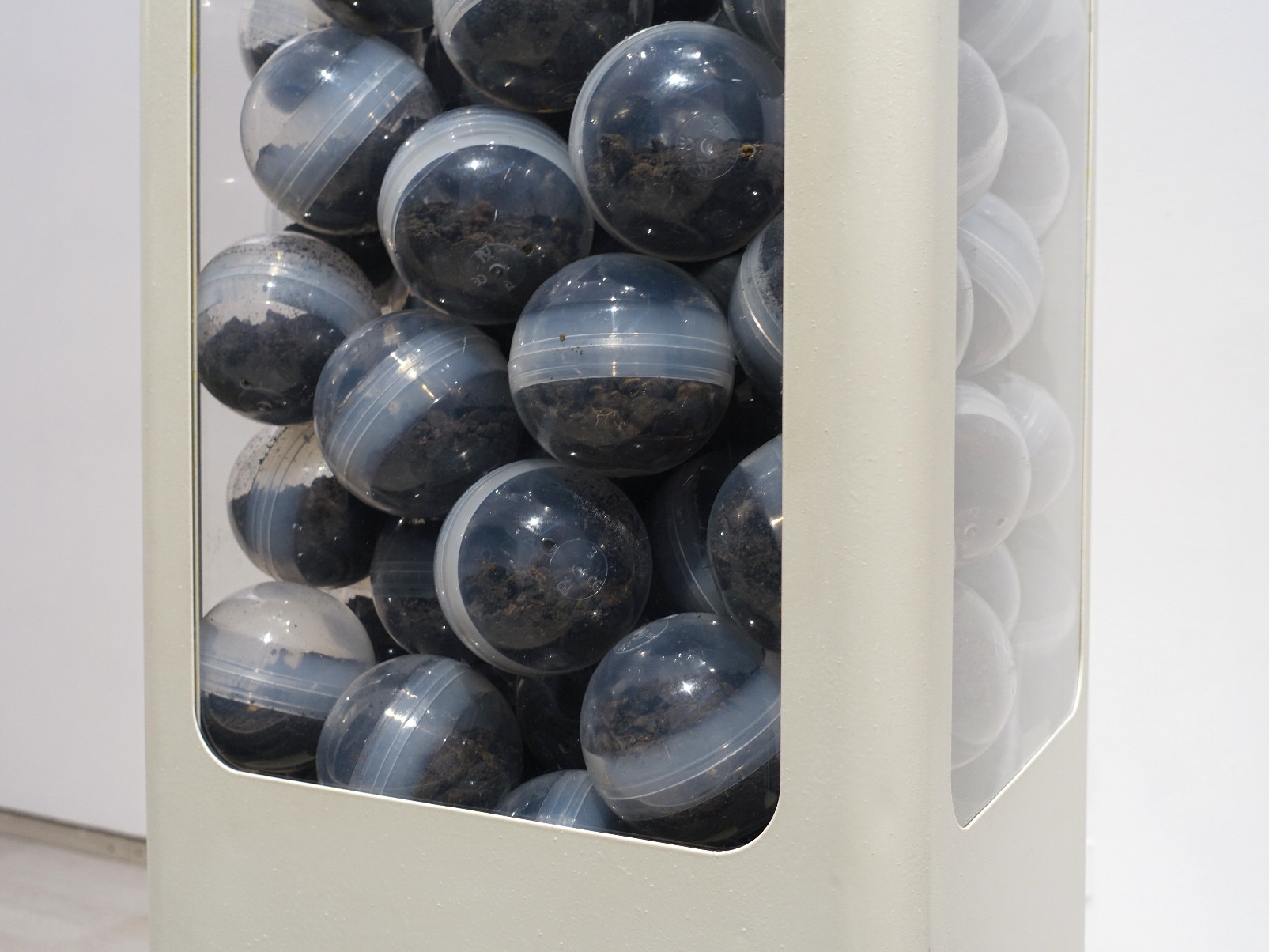
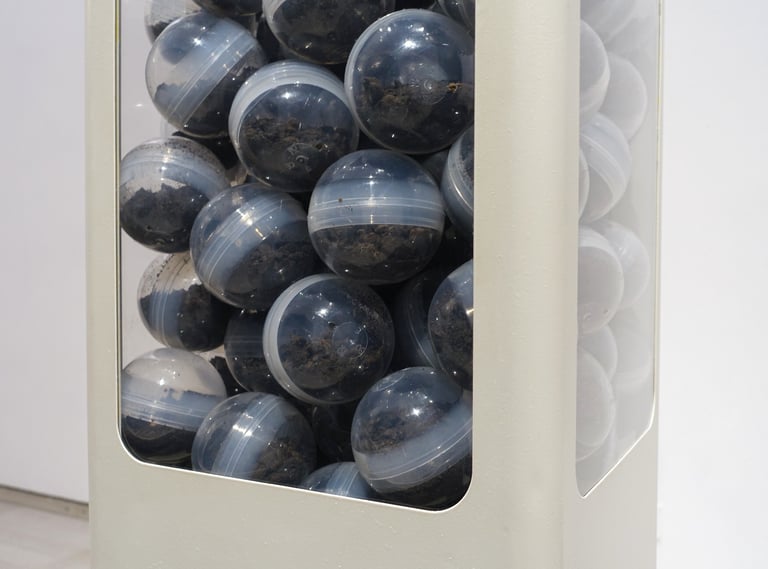
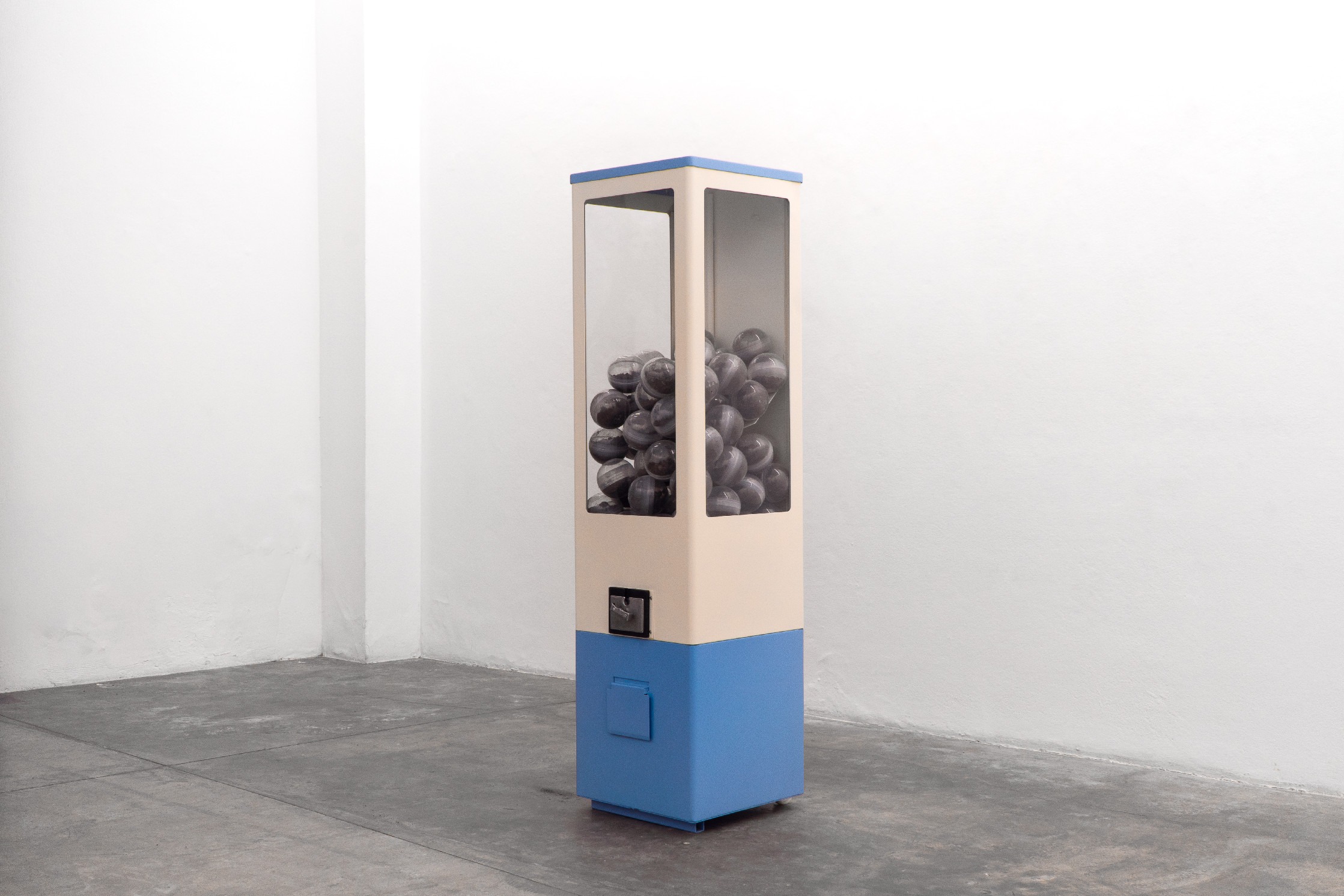
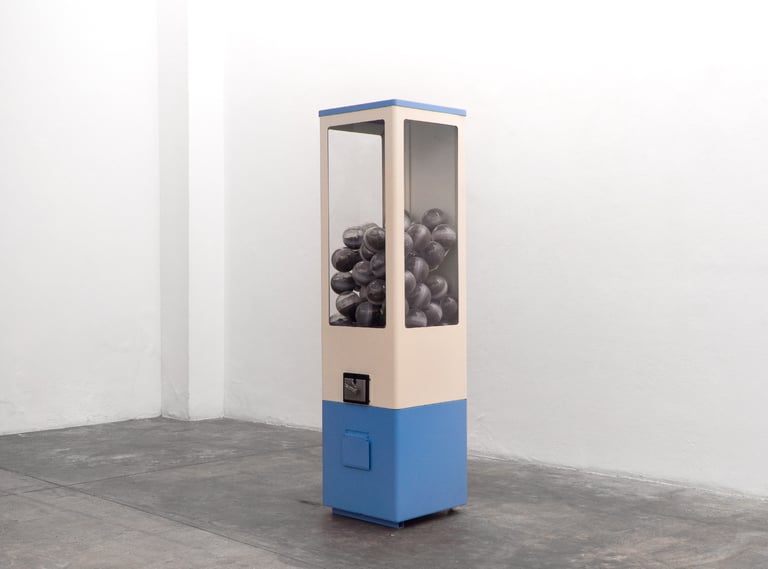
Capofortuna, 2025, soil of pulper, polypropylene capsules, steel and plexiglass vending machine, 155 × 40 × 44 cm. Courtesy the artist. Photo Luca Rubertà.
a
Capofortuna, 2025, detail, soil of pulper, polypropylene capsules, steel and plexiglass vending machine, 162 × 40 × 44 cm. Courtesy the artist.
.
Capofortuna, 2025, soil of pulper, polypropylene capsules, steel and plexiglass vending machine, 162 × 40 × 44 cm. Courtesy the artist.
.
Capofortuna, 2025, soil of pulper, polypropylene capsules, steel and plexiglass vending machine, 162 × 40 × 44 cm. Courtesy the artist.
.
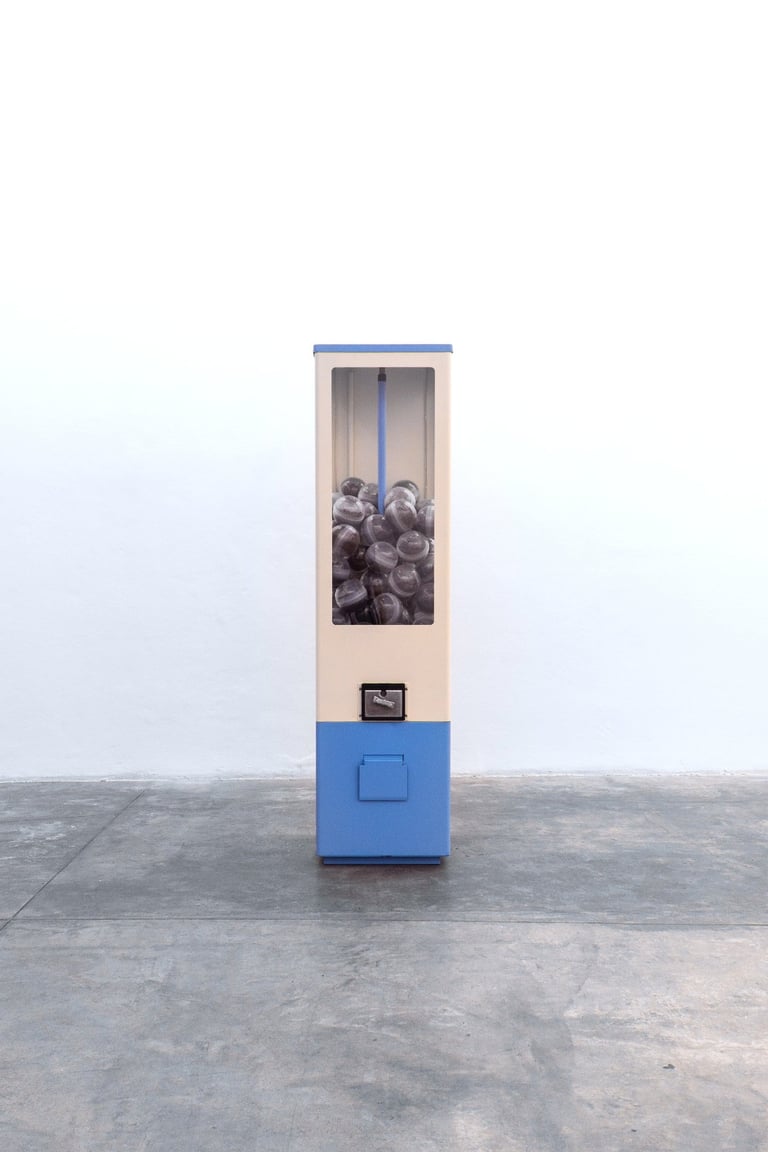
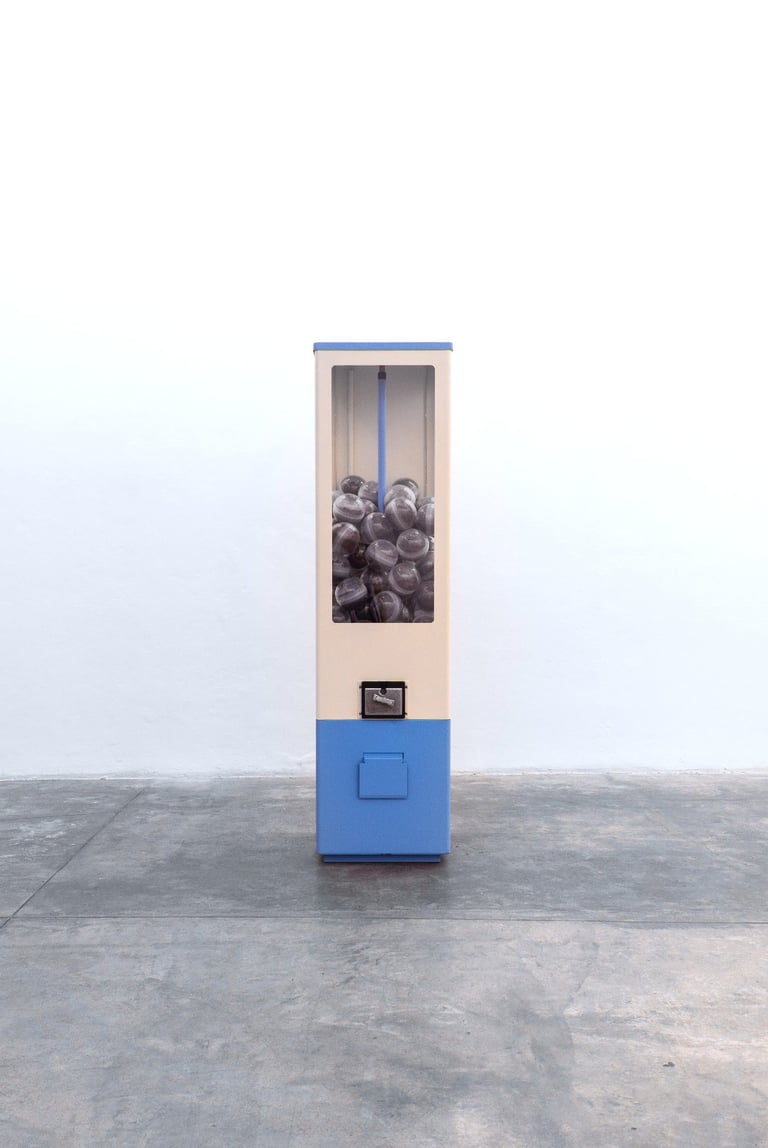
Capofortuna, 2025, soil of pulper, polypropylene capsules, steel and plexiglass vending machine, 155 × 40 × 44 cm. Courtesy the artist. Photo Luca Rubertà.
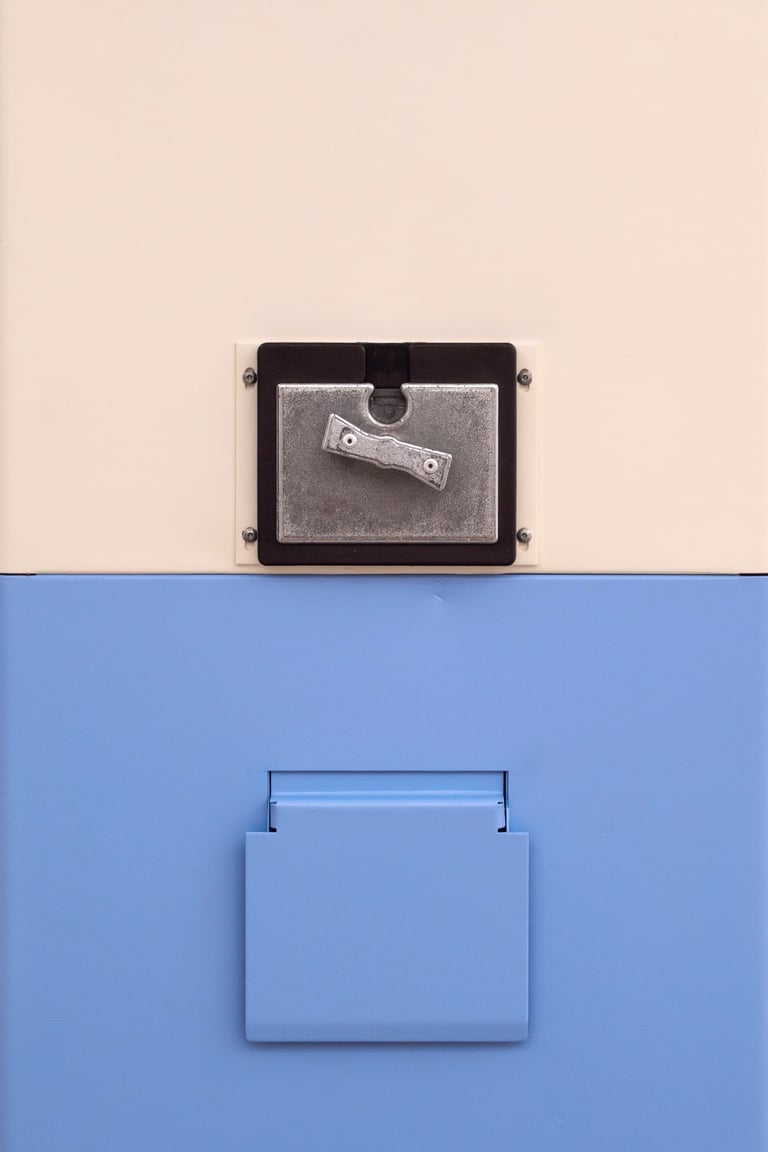
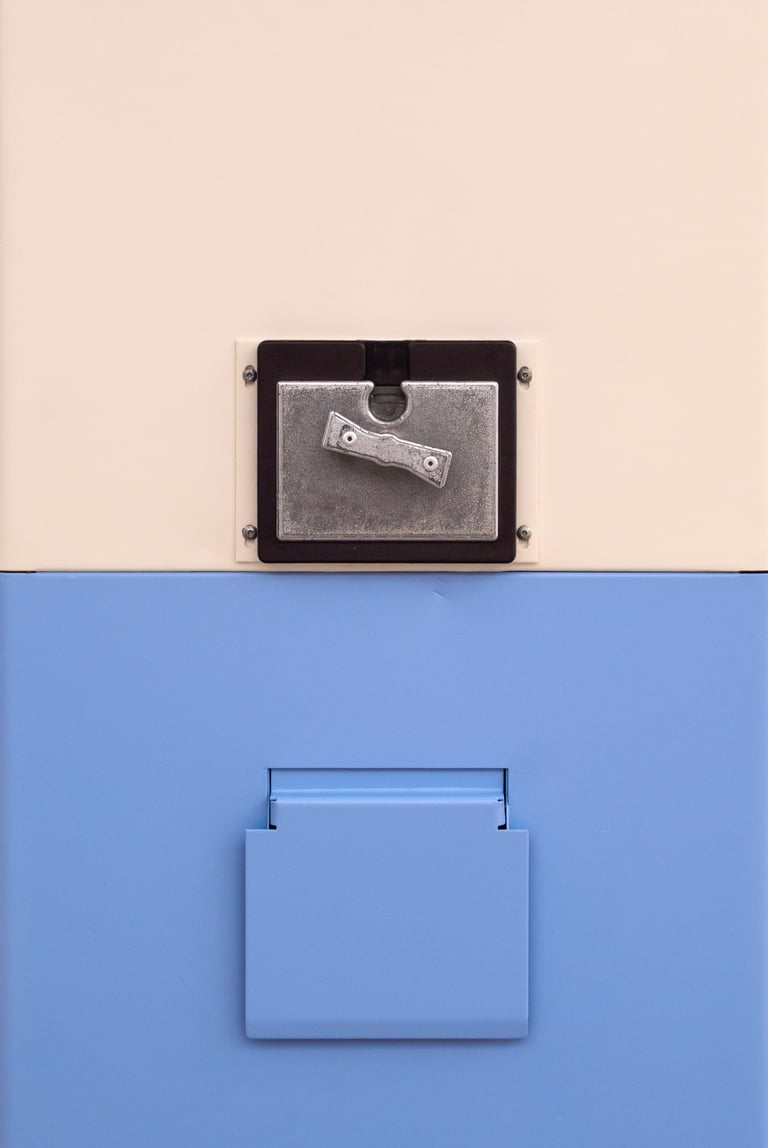
Capofortuna, 2025, detail, soil of pulper, polypropylene capsules, steel and plexiglass vending machine, 155 × 40 × 44 cm. Courtesy the artist. Photo Luca Rubertà.
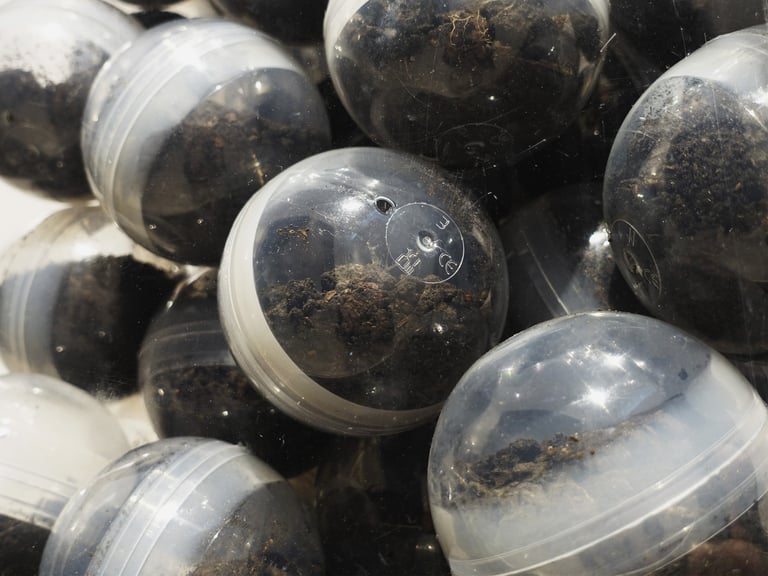
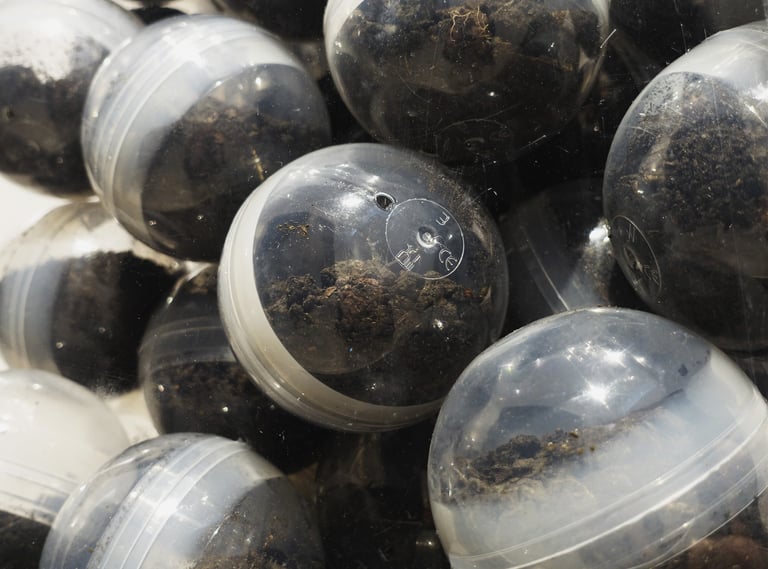
Capofortuna, 2025, detail, soil of pulper, polypropylene capsules, steel and plexiglass vending machine, 162 × 40 × 44 cm. Courtesy the artist.
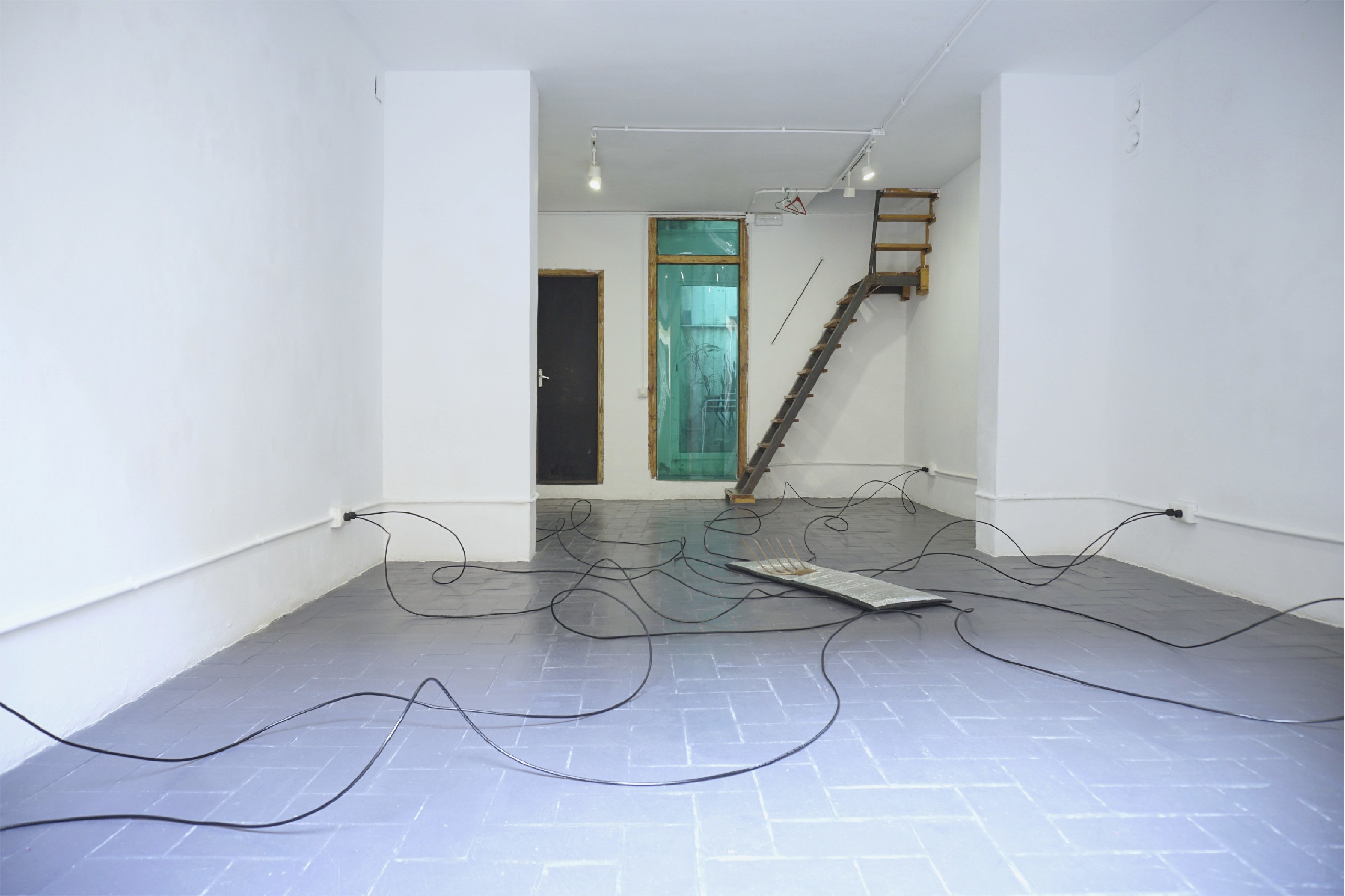
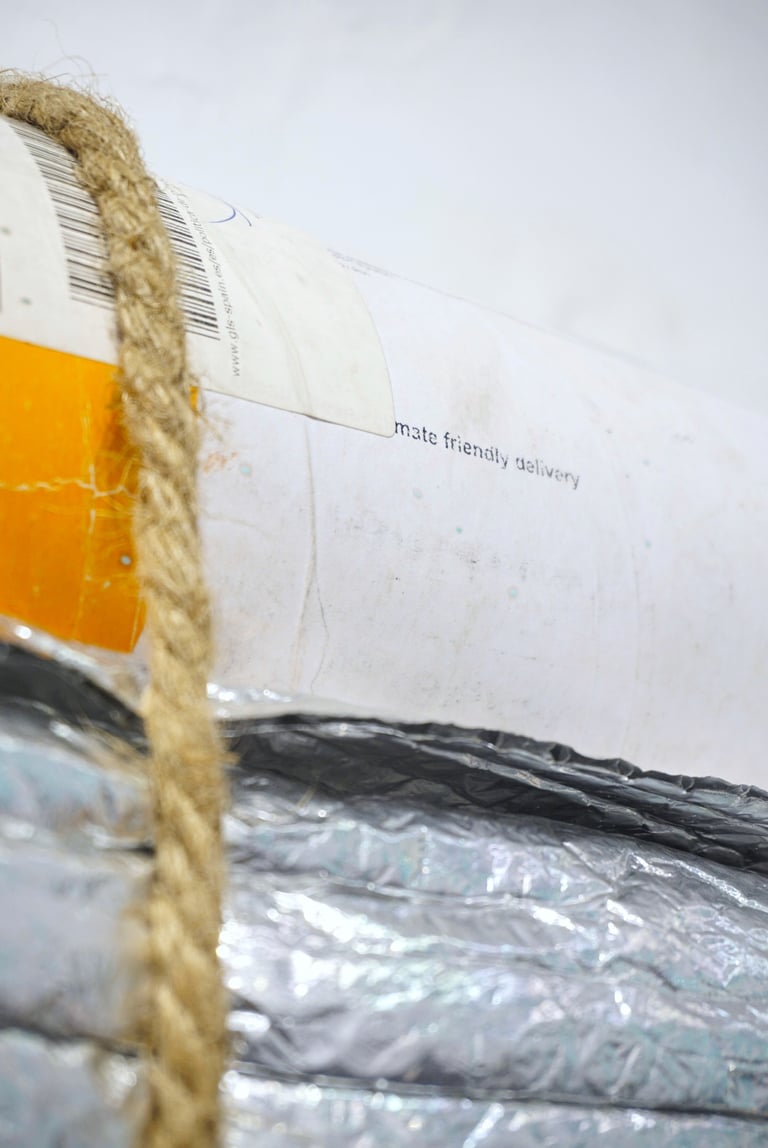
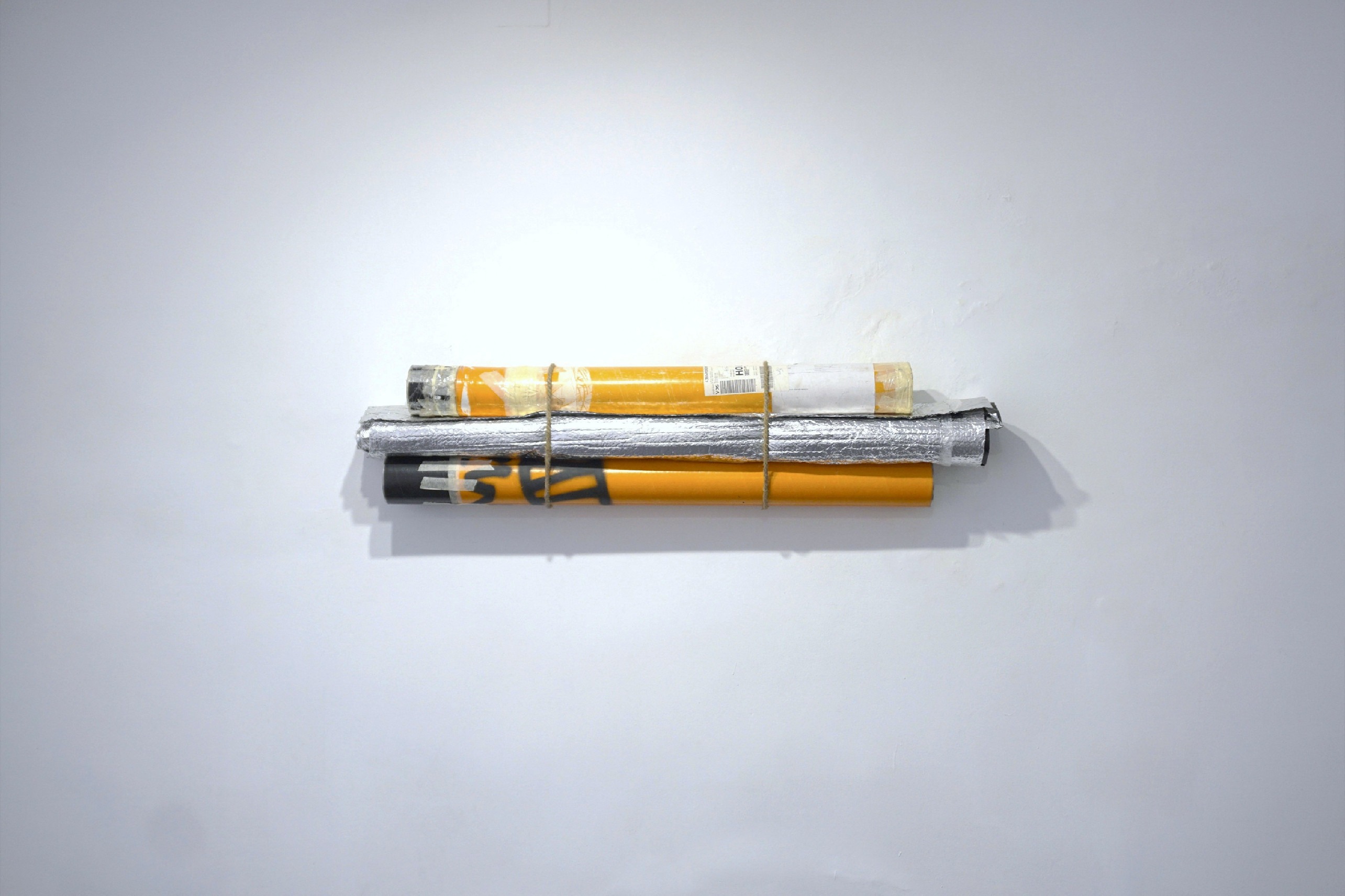
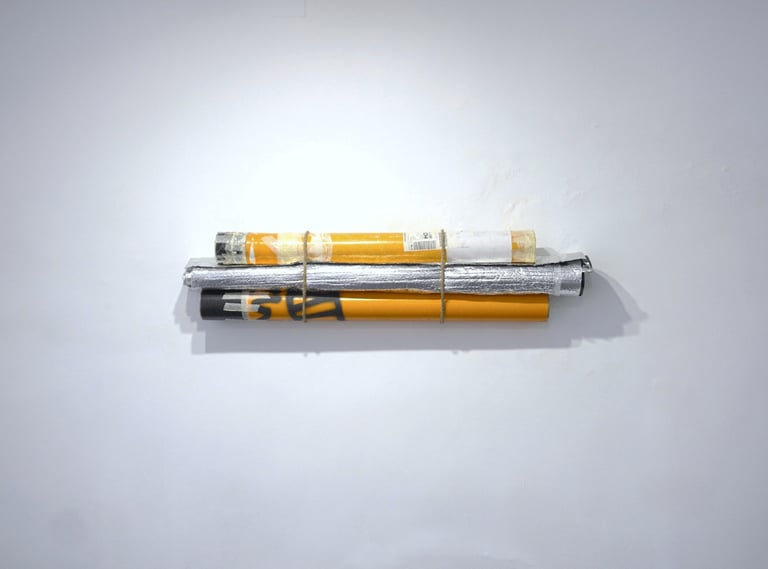
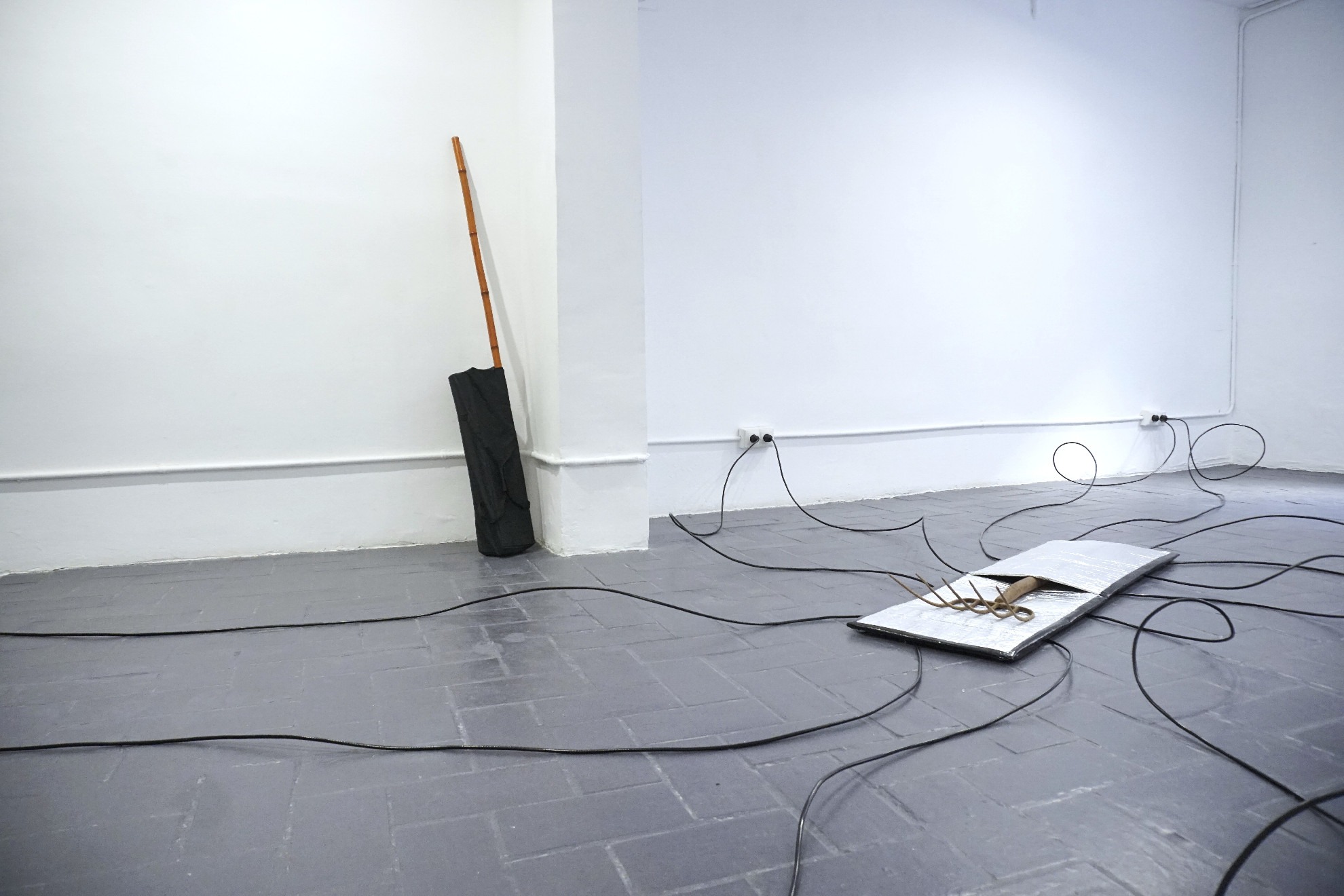
ALMAC'È, curated by Fabrizio Contarino, Espai Souvenir, Barcelona.
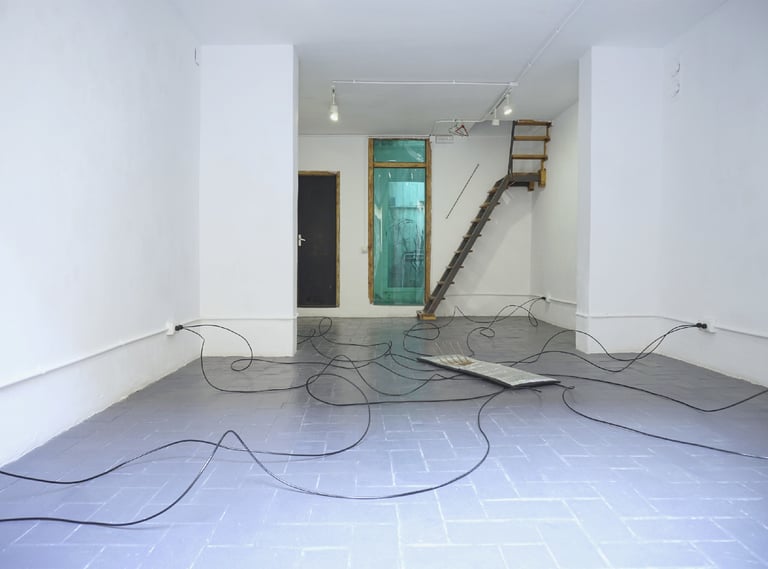
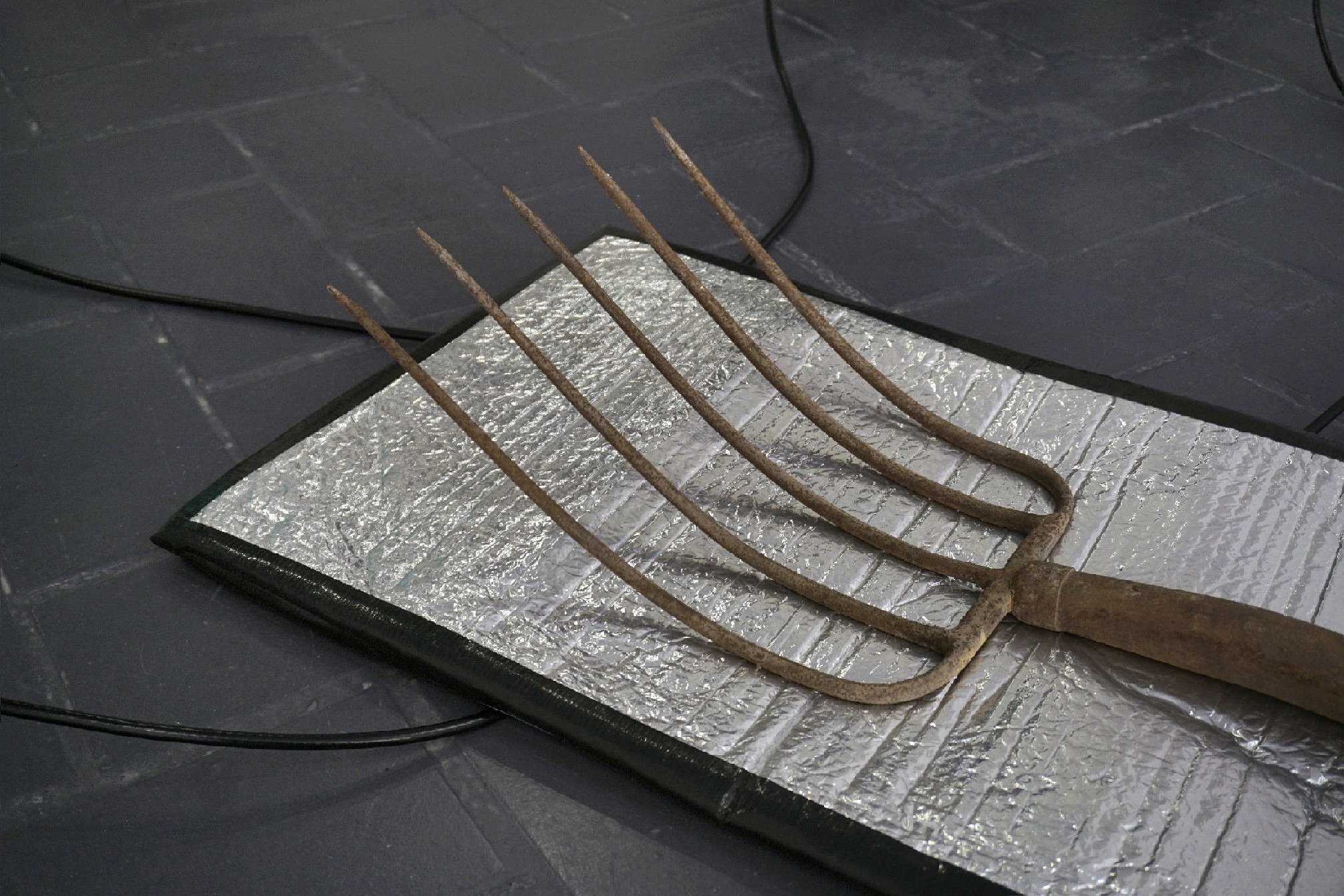
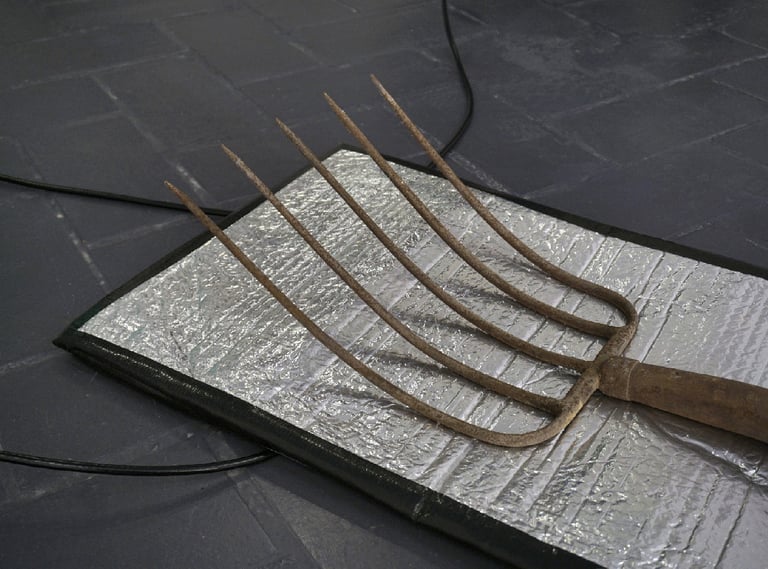
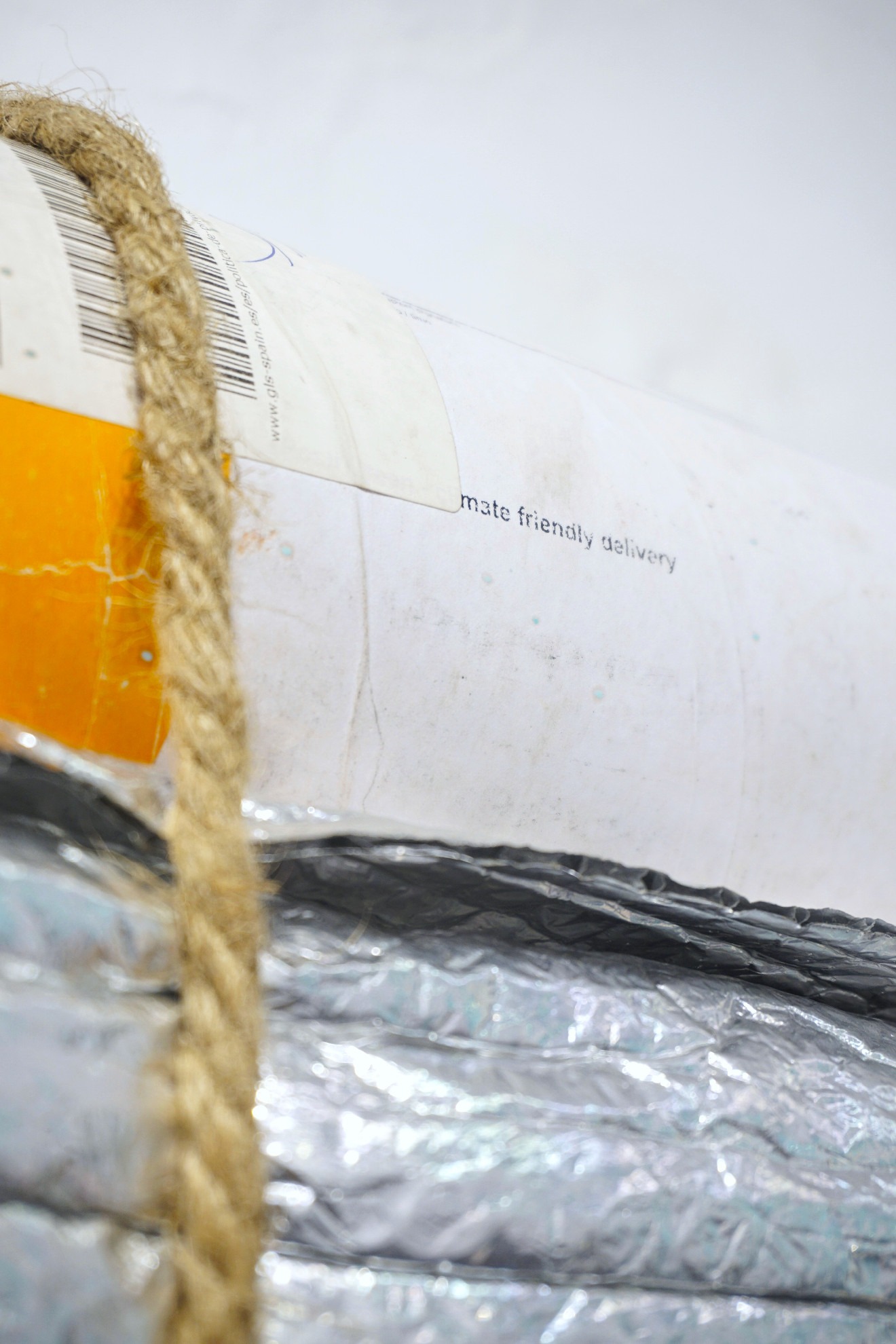
Almac’è is a play on words between the Spanish word “almacén” (“warehouse”) and the Italian verb “esserci”, it can be translated as “there is soul”. With this installation work the artist tried to attribute subjectivity to the objects recovered from the Espai Souvenir warehouse, in an attempt to instil in them forms of characterisation, a continuity at the level of interiority or the presence of a vital force. The focus is placed on the agency of these elements to restore a sense of inner presence and own will. The ordinary perception of more or less everyday objects gives way to a more direct experience, as every time we are surprised to talk to the computer that crashes or the car we drive. Even today, in the rapid and interconnected scenario of turbocapitalism, faded forms of animism survive which, despite everything, allow us to imagine new relations between the human and non-human worlds.
.
Almac'è, 2025, mixed media, variable dimensions. Installation view at Espai Souvenir, Barcelona. Courtesy Espai Souvenir. Photo Fabrizio Contarino.
.
Almac'è, 2025, mixed media, variable dimensions. Installation view at Espai Souvenir, Barcelona. Courtesy Espai Souvenir. Photo Fabrizio Contarino.
.
.
Almac'è, 2025, mixed media, variable dimensions. Installation view at Espai Souvenir, Barcelona. Courtesy Espai Souvenir. Photo Fabrizio Contarino.
.
Almac'è, 2025, detail, mixed media, variable dimensions. Courtesy Espai Souvenir. Photo Fabrizio Contarino.
.
Almac'è, 2025, mixed media, variable dimensions. Installation view at Espai Souvenir, Barcelona. Courtesy Espai Souvenir. Photo Fabrizio Contarino.
.
.
Almac'è, 2025, detail, mixed media, variable dimensions. Courtesy Espai Souvenir. Photo Fabrizio Contarino.
.
Almac'è, 2025, detail, mixed media, variable dimensions. Courtesy Espai Souvenir. Photo Fabrizio Contarino.
CINQUE GNEFRI A ZONZO, curated by Antonio Rocca, Rocca Albornoz, Narni.
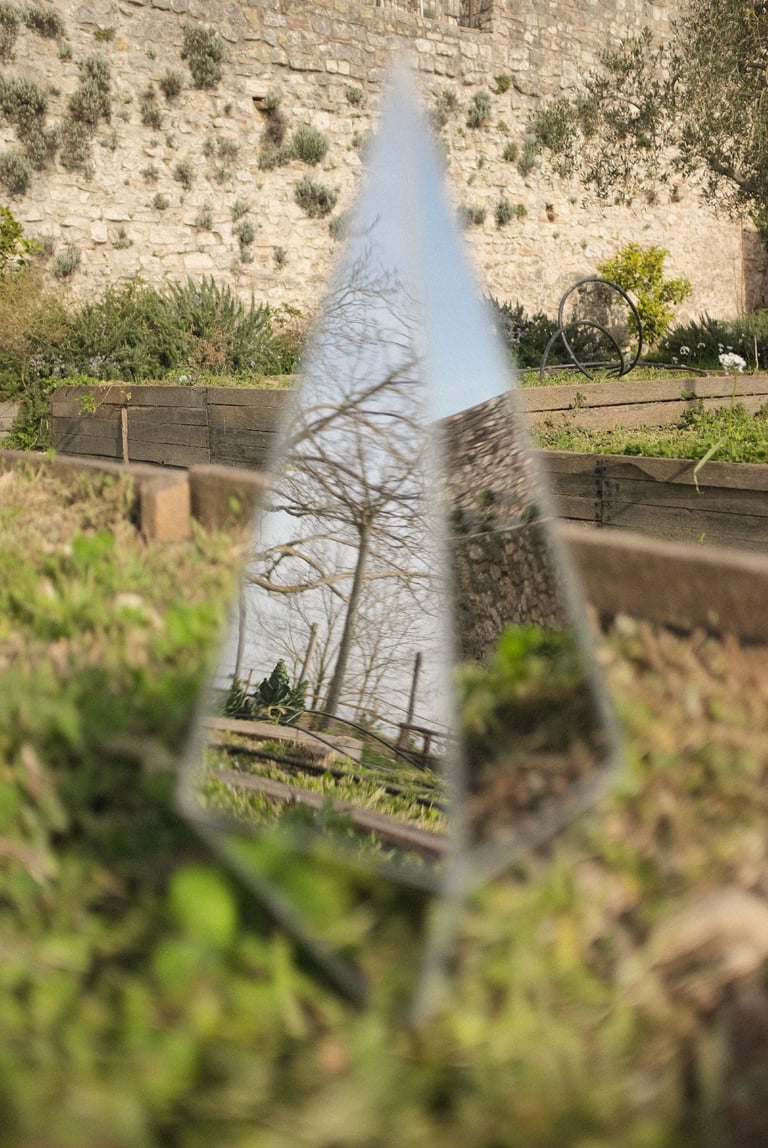
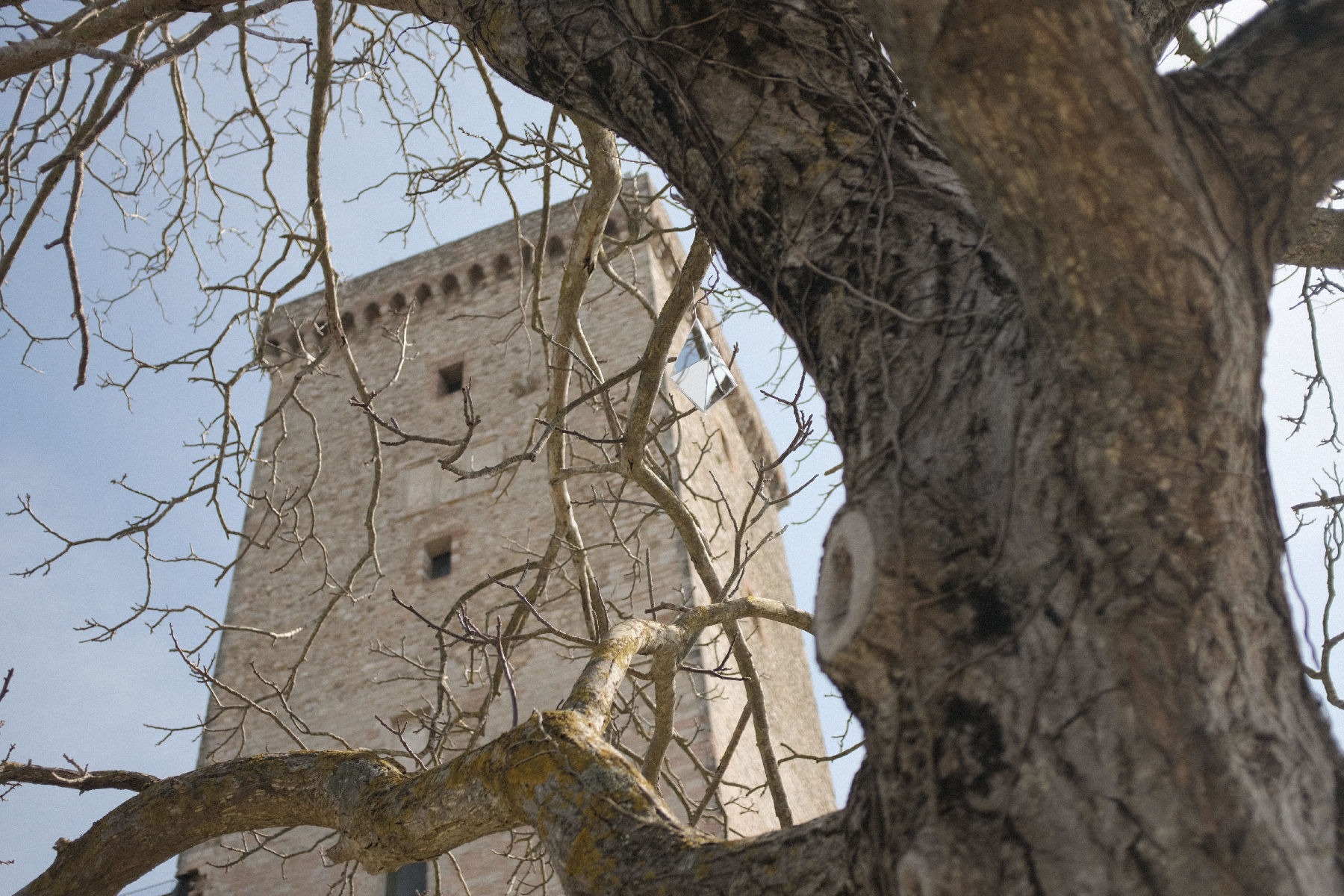
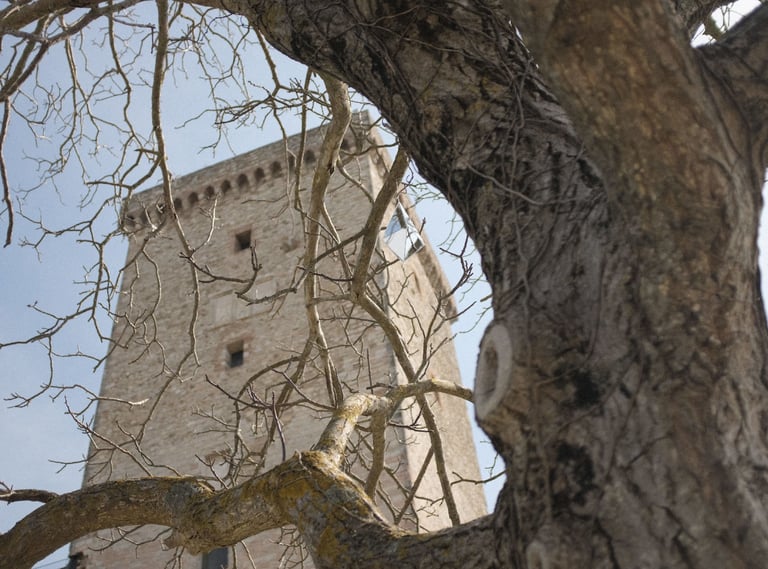
According to local popular tradition, the “gnefro” is a legendary shape-shifting creature, often described as a pixie, who is used to play tricks and pranks on wayfarers. It usually lives in small or large groups near the Marmore Waterfall, Piediluco Lake and along the Nera River, which flows a few steps away from the Fortress of Narni. This installation in the area of the gardens exploits the reflection of sunlight to recall the ethereal dimension of these elemental spirits. Cinque gnefri a zonzo invites to explore and observe with curiosity the space, understood both as architecture and as landscape, in search of the five sculptures and the pleasure of discovery. It is an exhortation to stop, to get out of the incessant productive time that is gradually colonizing leisure time and to enter a magical and playful dimension.
.
Cinque gnefri a zonzo, 2025, detail, silver mirrored plexiglass, variable dimensions. Courtesy the artist. Photo Jonathan Soliman Awadalla.
.
Cinque gnefri a zonzo, 2025, detail, silver mirrored plexiglass, variable dimensions. Courtesy the artist. Photo Jonathan Soliman Awadalla.
.
.
Cinque gnefri a zonzo, 2025, detail, silver mirrored plexiglass, variable dimensions. Courtesy the artist. Photo Jonathan Soliman Awadalla.
.
.
Cinque gnefri a zonzo, 2025, silver mirrored plexiglass, variable dimensions. Installation view at Rocca Albornoz, Narni. Courtesy the artist. Photo Jonathan Soliman Awadalla.
Cinque gnefri a zonzo, 2025, silver mirrored plexiglass, variable dimensions. Installation view at Rocca Albornoz, Narni. Courtesy the artist. Photo Jonathan Soliman Awadalla.
.
Cinque gnefri a zonzo, 2025, silver mirrored plexiglass, variable dimensions. Installation view at Rocca Albornoz, Narni. Courtesy the artist. Photo Jonathan Soliman Awadalla.
Cinque gnefri a zonzo, 2025, silver mirrored plexiglass, variable dimensions. Installation view at Rocca Albornoz, Narni. Courtesy the artist. Photo Tanita Gennari.
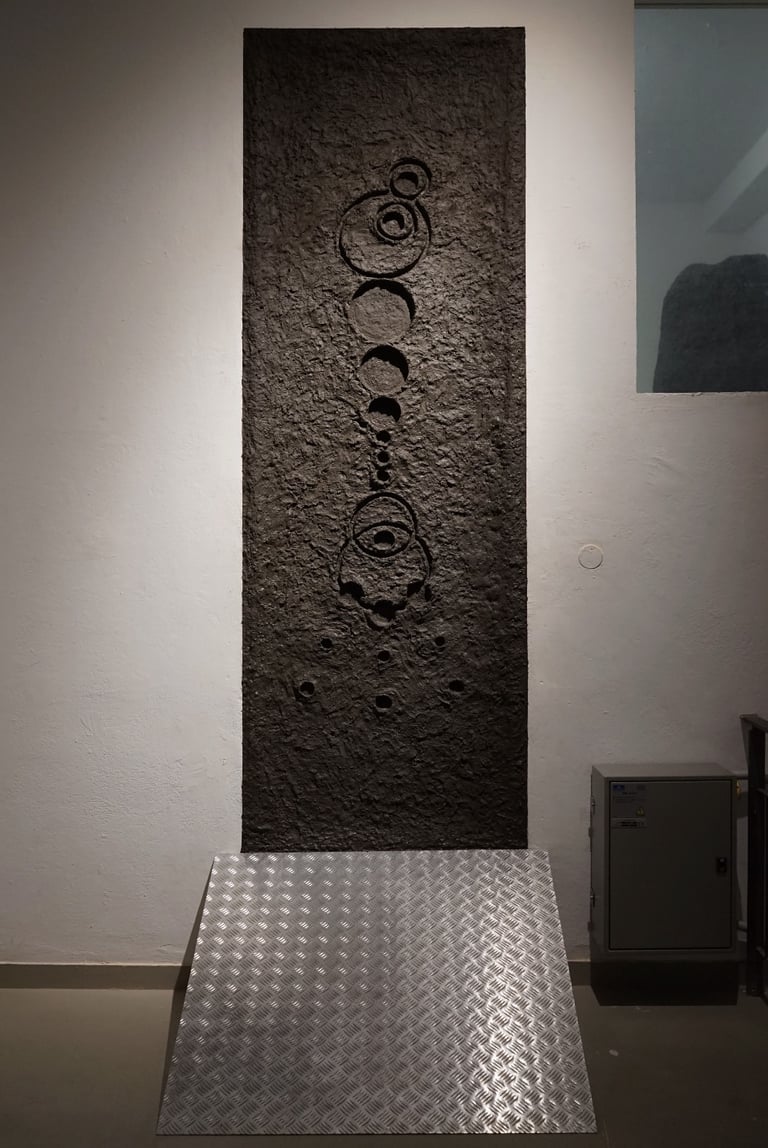
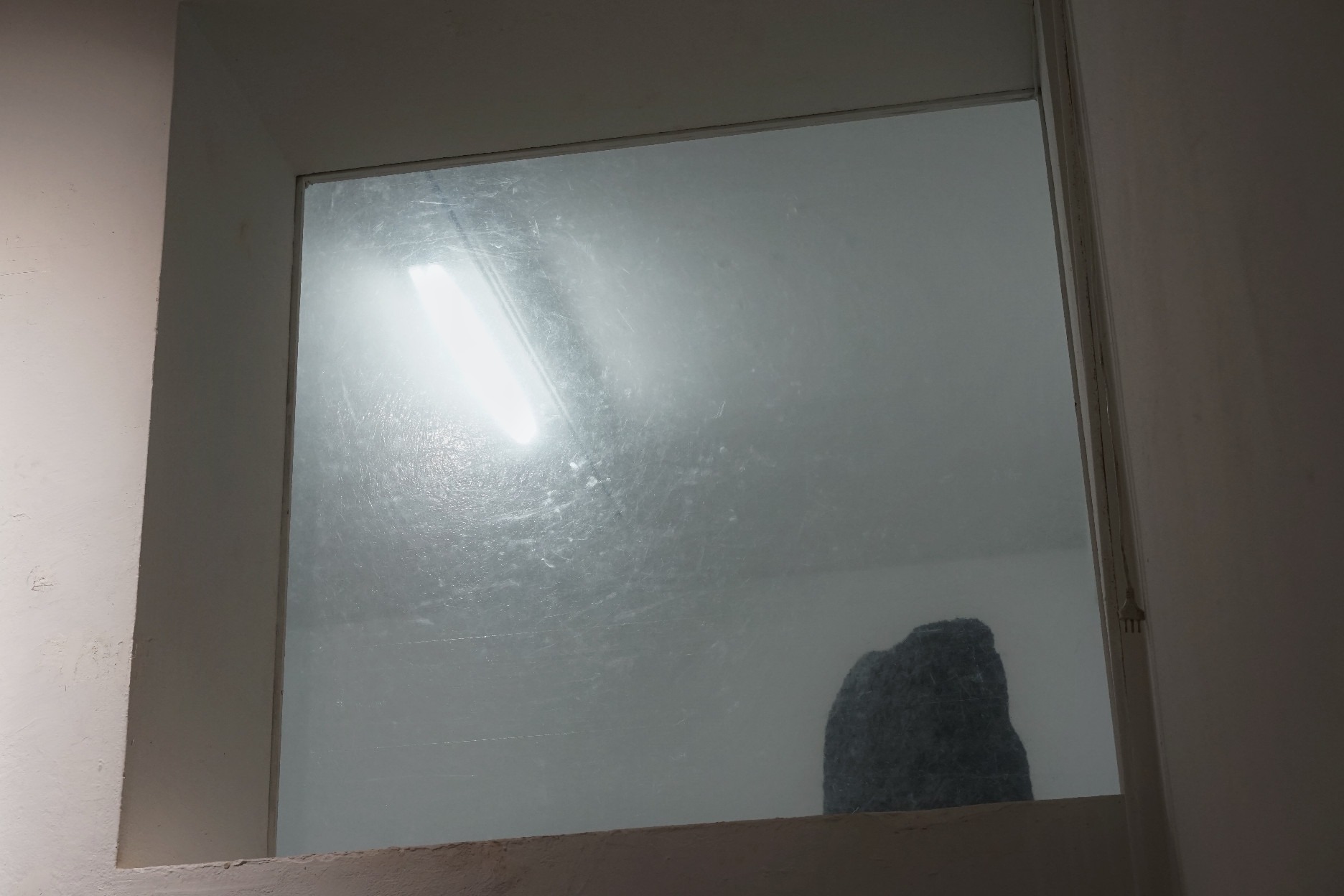
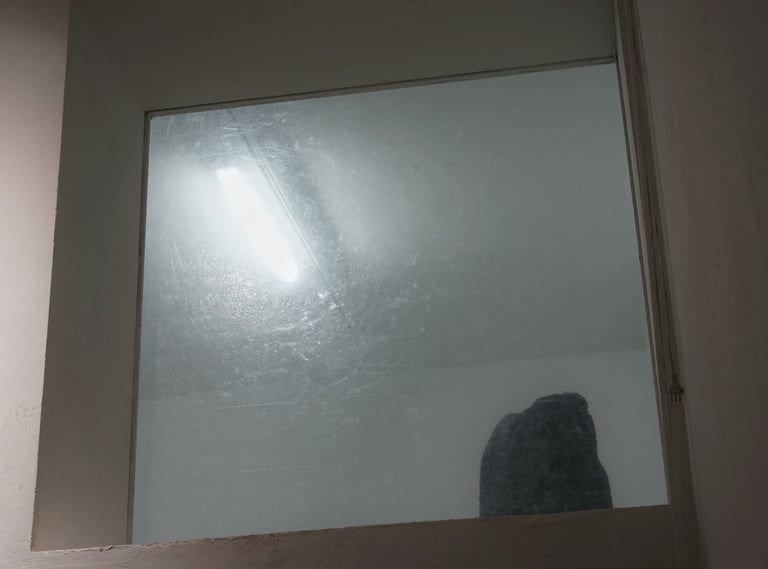
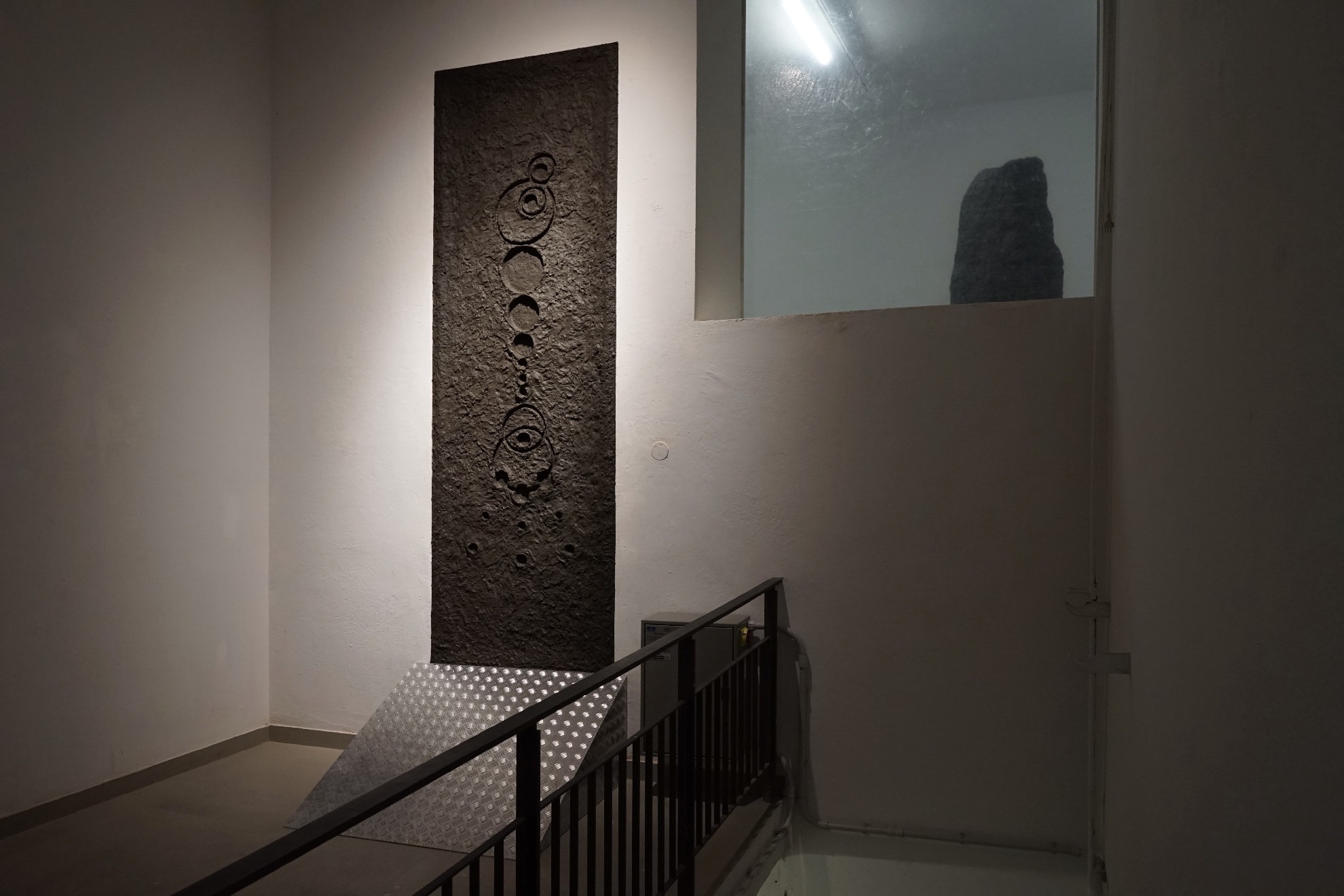
WHEN AND WHERE I LOST MY OTHER EYE?, Cattedra Caccioni, ABABO Academy of Fine Arts of Bologna.
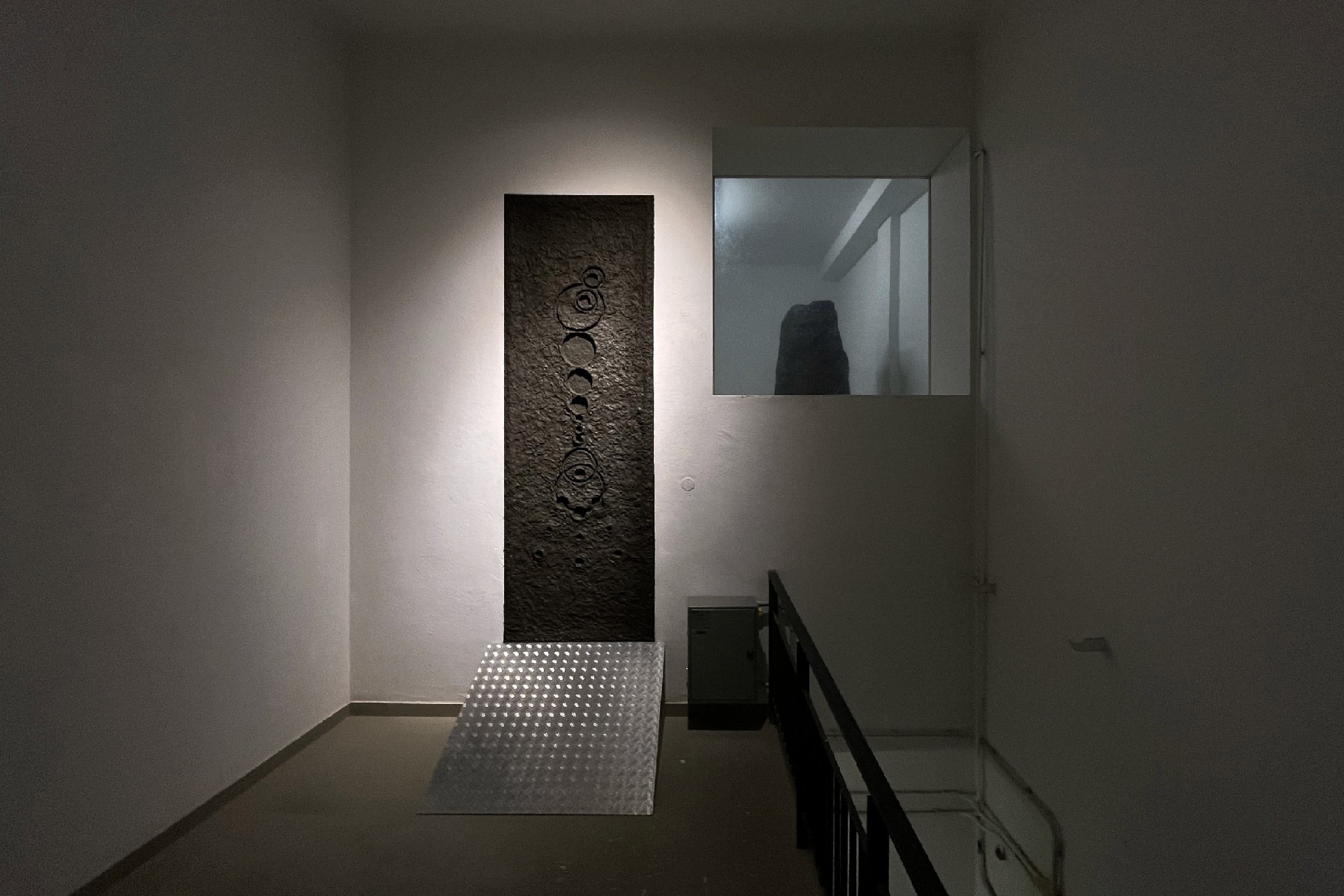
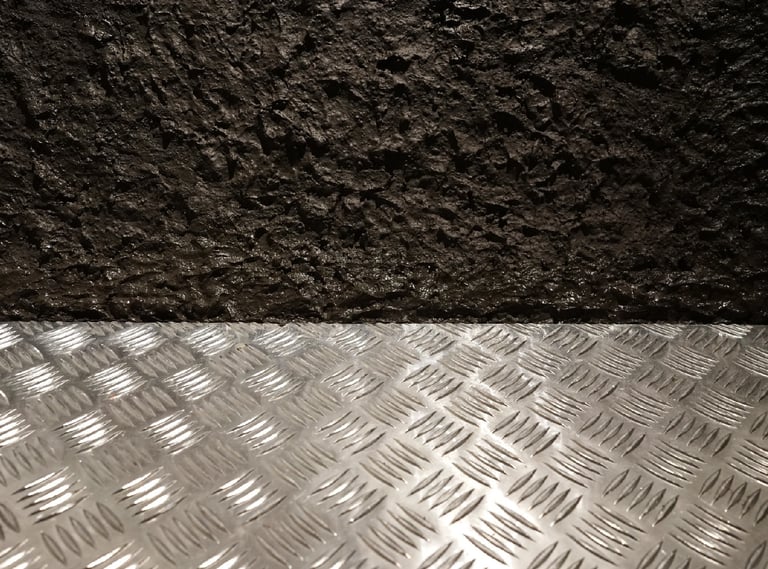
This installation work attempts a new connotation of the pre-existing space, transforming it into a kind of aseptic laboratory in which an extraterrestrial discovery is quarantined and studied. What/who is alien if we drifted so far apart from the ground beneath our feet that we came to objectify and analyse it in a cold and detached manner? The use of soil collected from an old hemp pulper becomes a sign of a radical deconstruction to return to the essential and to lighten the perception by excessive, misleading superstructures. The last vestige of the otherworldly and supernatural lurks in the unknown and the extraterrestrial, as it persists in a grey area beyond the reach of the watchful eye of consumerism. The choice of blocking the fruition, suspending it and making the work located behind inaccessible, is intended to refer to the isolation required of the initiate, to preserve the subjective and personal sacredness of the inner dimension/time.
.
When and where I lost my other eye?, 2025, detail, mixed media, environmental dimensions. Courtesy the artist.
.
When and where I lost my other eye?, 2025, detail, mixed media, environmental dimensions. Courtesy the artist.
.
.
When and where I lost my other eye?, 2025, detail, mixed media, environmental dimensions. Courtesy the artist.
.
.
When and where I lost my other eye?, 2025, detail, mixed media, environmental dimensions. Courtesy the artist.
.
When and where I lost my other eye?, 2025, detail, mixed media, environmental dimensions. Courtesy the artist.
.
When and where I lost my other eye?, 2025, mixed media, environmental dimensions. Installation view at Cattedra Caccioni, ABABO. Courtesy the artist.
When and where I lost my other eye?, 2025, mixed media, environmental dimensions. Installation view at Cattedra Caccioni, ABABO. Courtesy the artist.
THROUGH THE UNKNOWN REMEMBERED GATE, curated by Massimo Bartolini, Giovanni Gamberi and Corrado Gagliano, Art City, Via del Guasto, Bologna.
Thanks to the contribution of archaeoacoustics, it was discovered that the specific architecture of ancient sacred sites was capable of channelling sound and directly influencing those present, inducing non-ordinary perceptions, visions and states of consciousness. The space under the grate in which the installation is located acts as a resonance chamber for the constant playing of tones between 90 and 120 Hz, the same frequency range found in numerous prehistoric places of worship. This particular spatial configuration can refer to the descent, from where one is to a deeper point in the underground, as well as its opposite, that is, an ascension of the subsurface and the non-visible which returns from under ground/under skin. The installation’s location aims to challenge conventional ways of engagement with the work, highlighting the superstructural patina that distorts our perception and experience of both the present and the past.
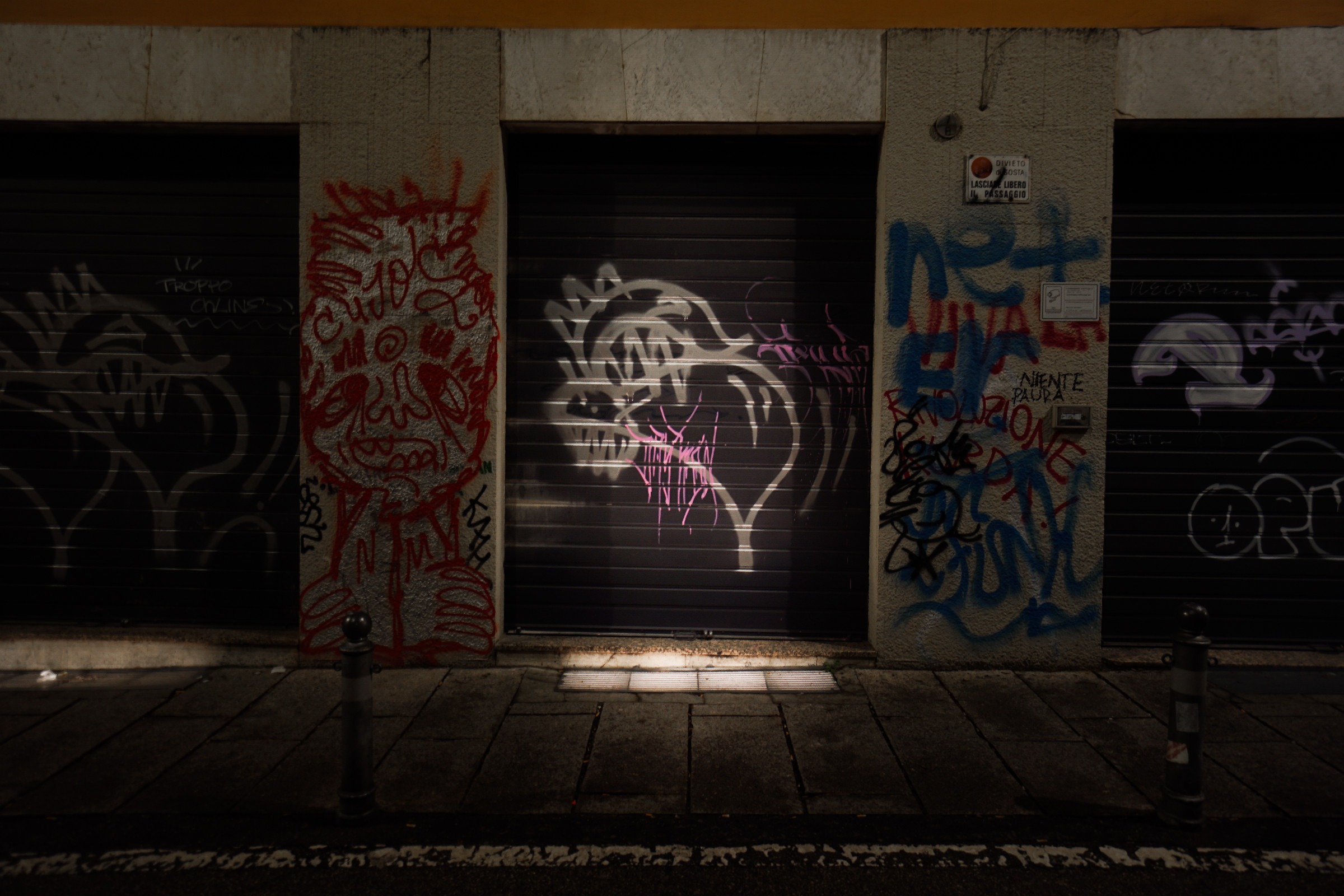
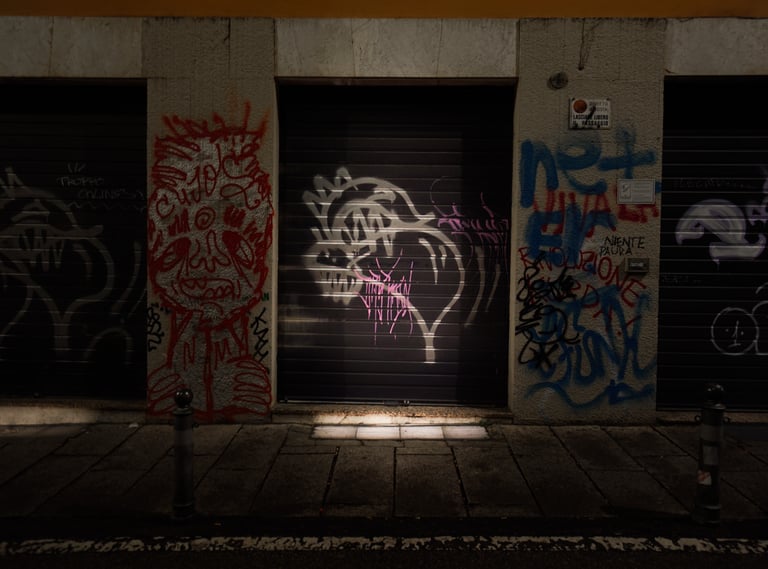
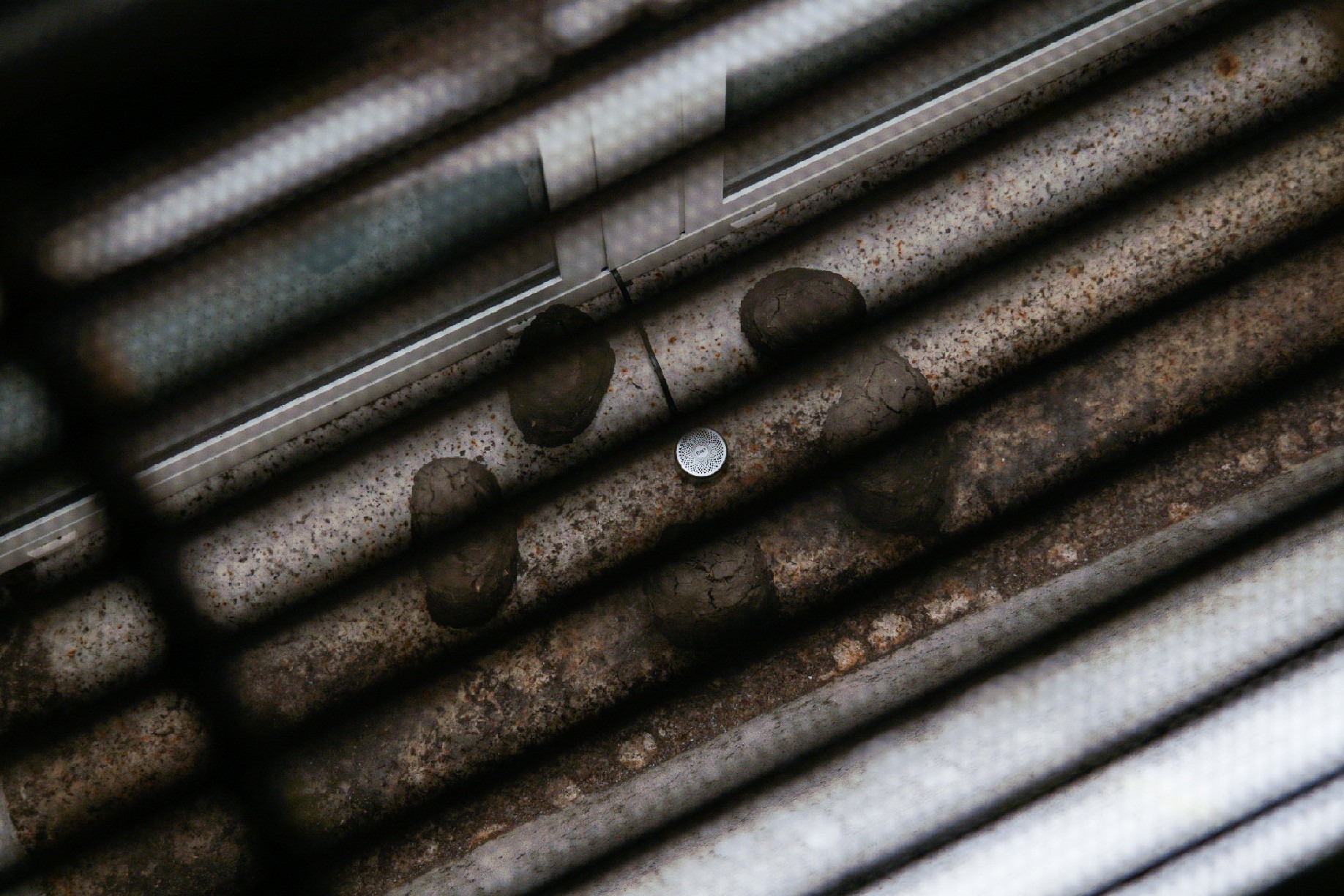
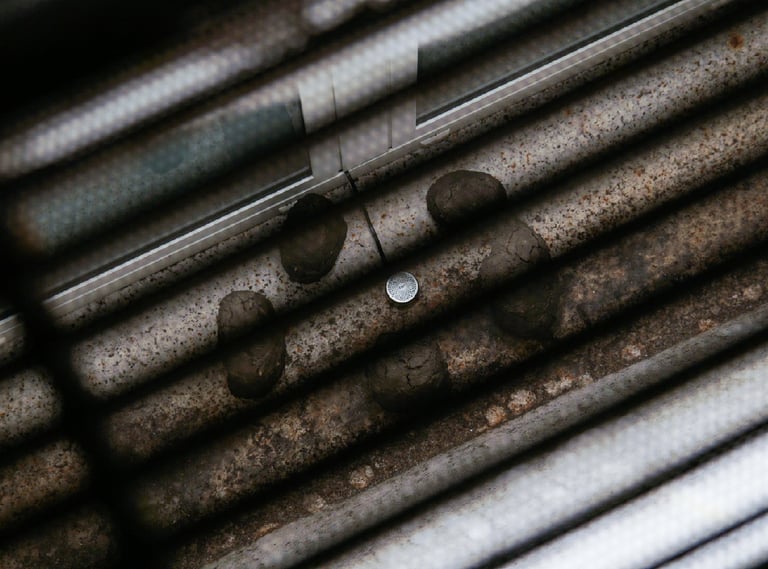
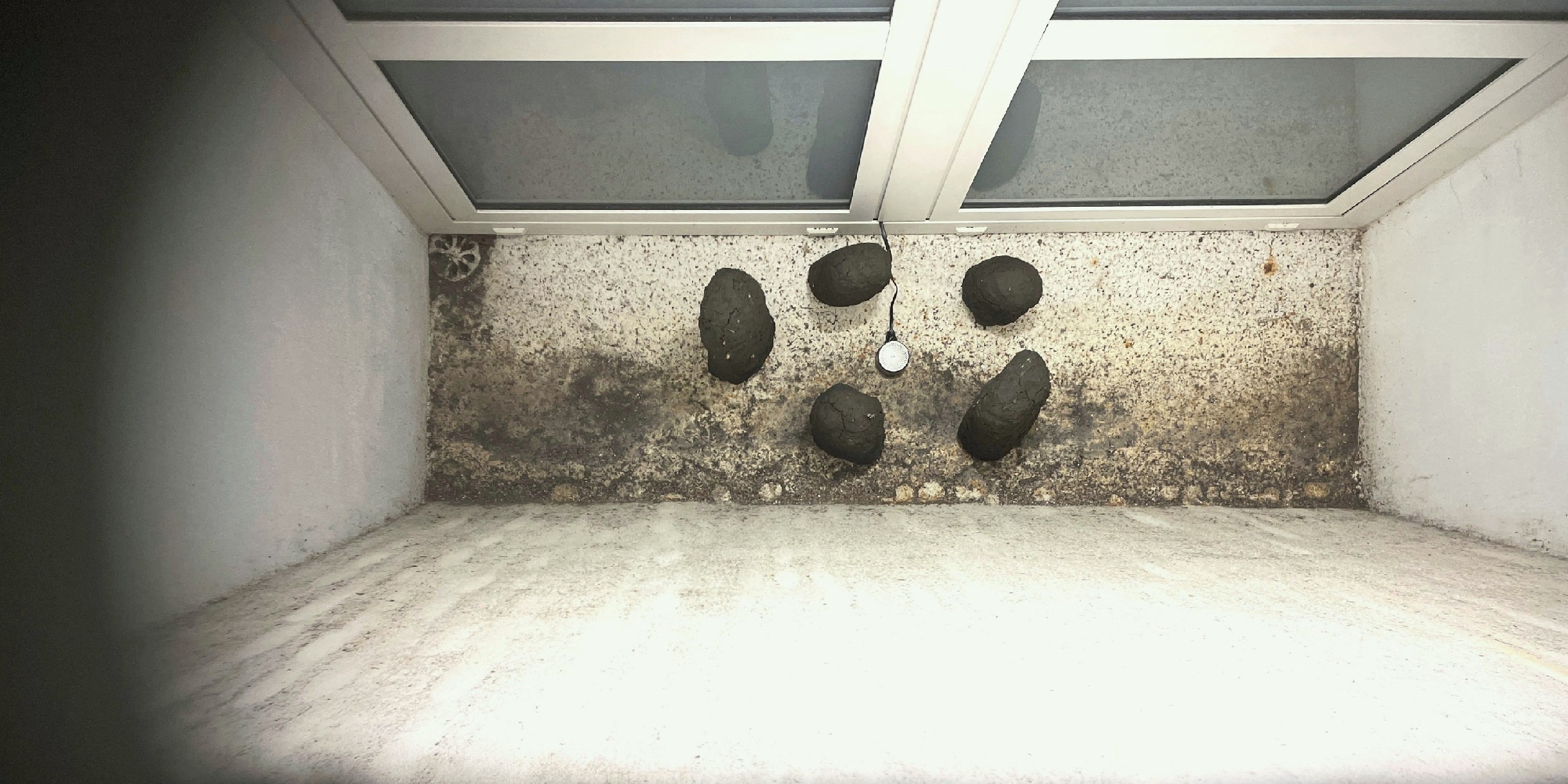
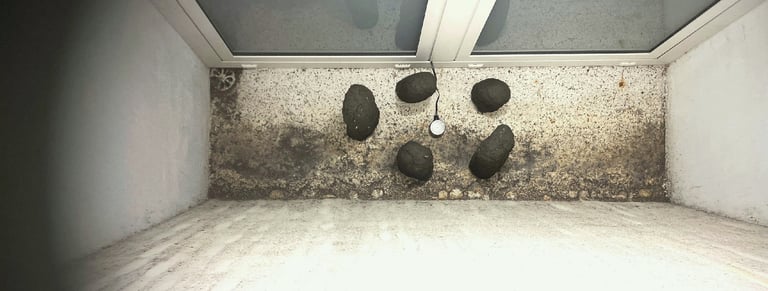
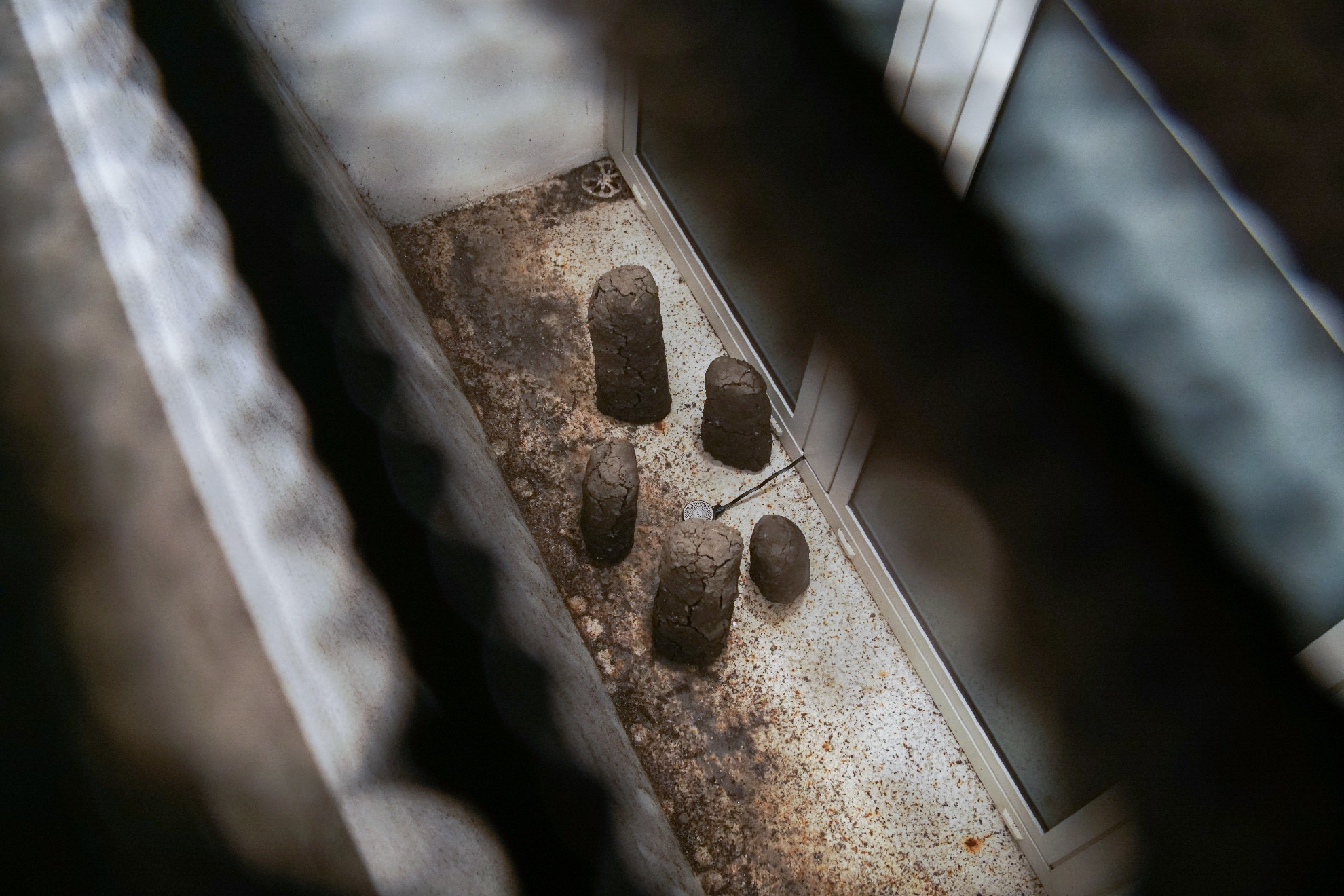
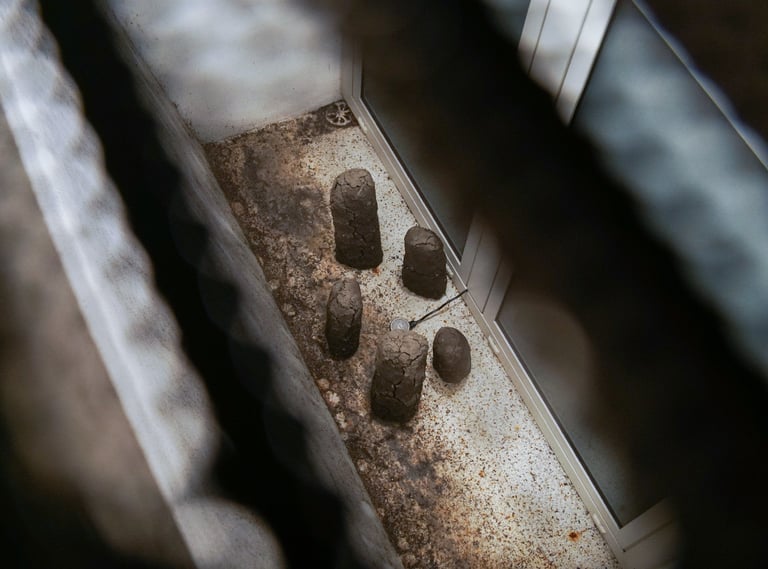
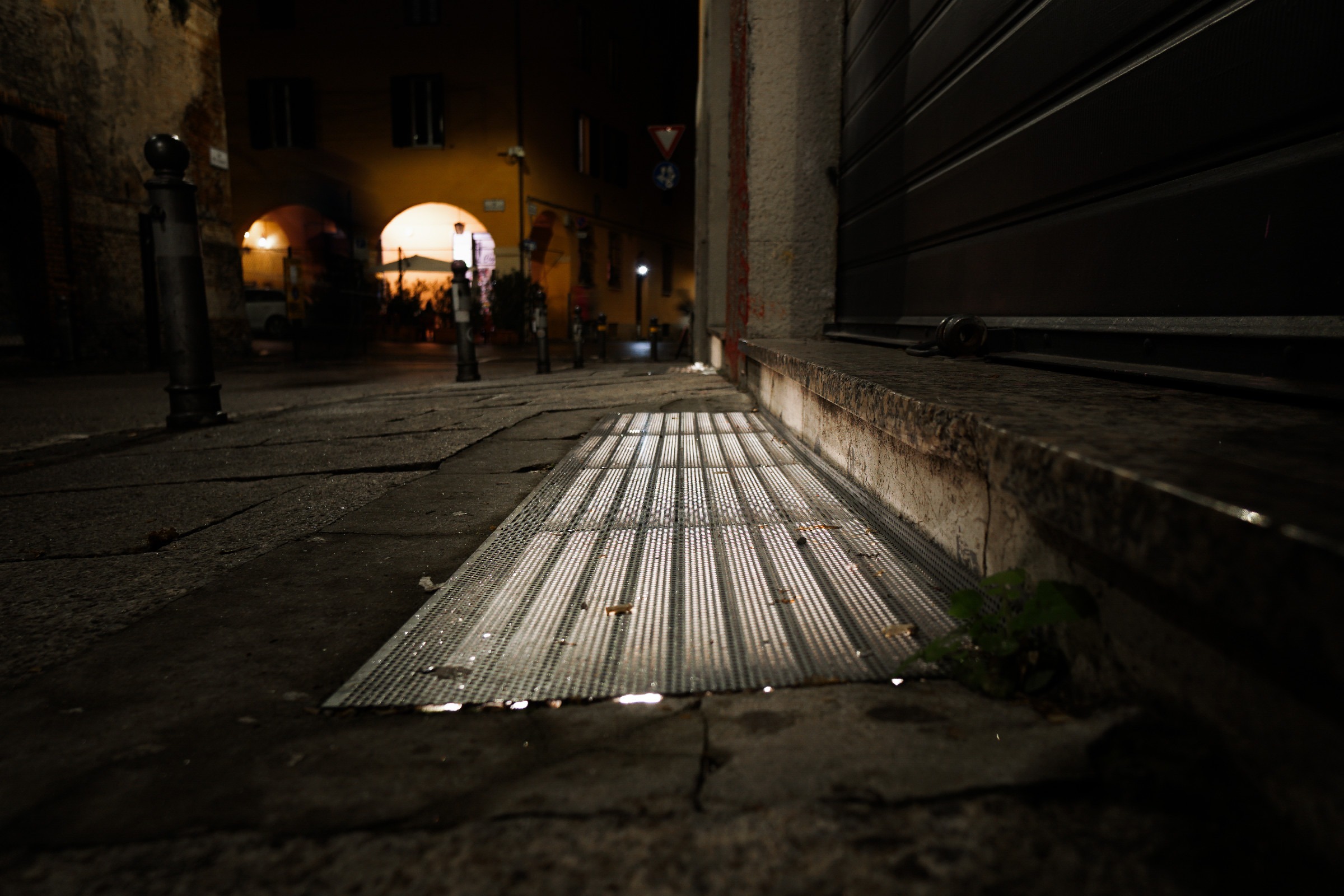
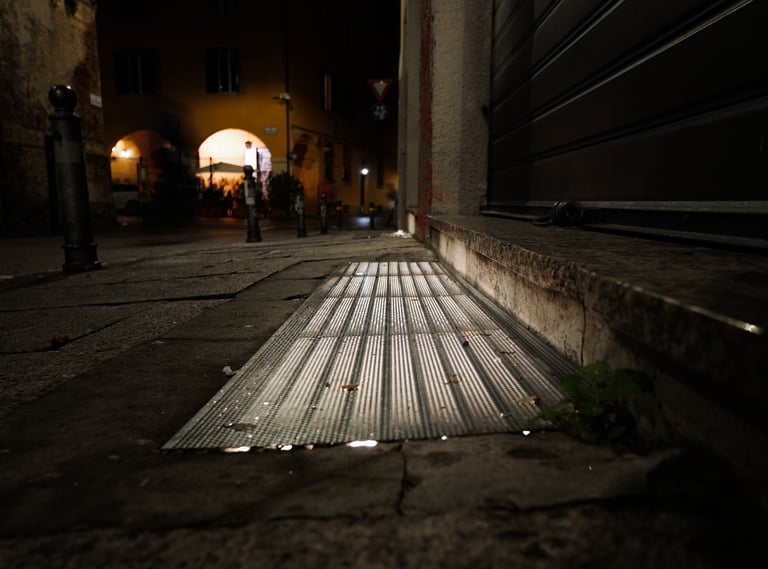
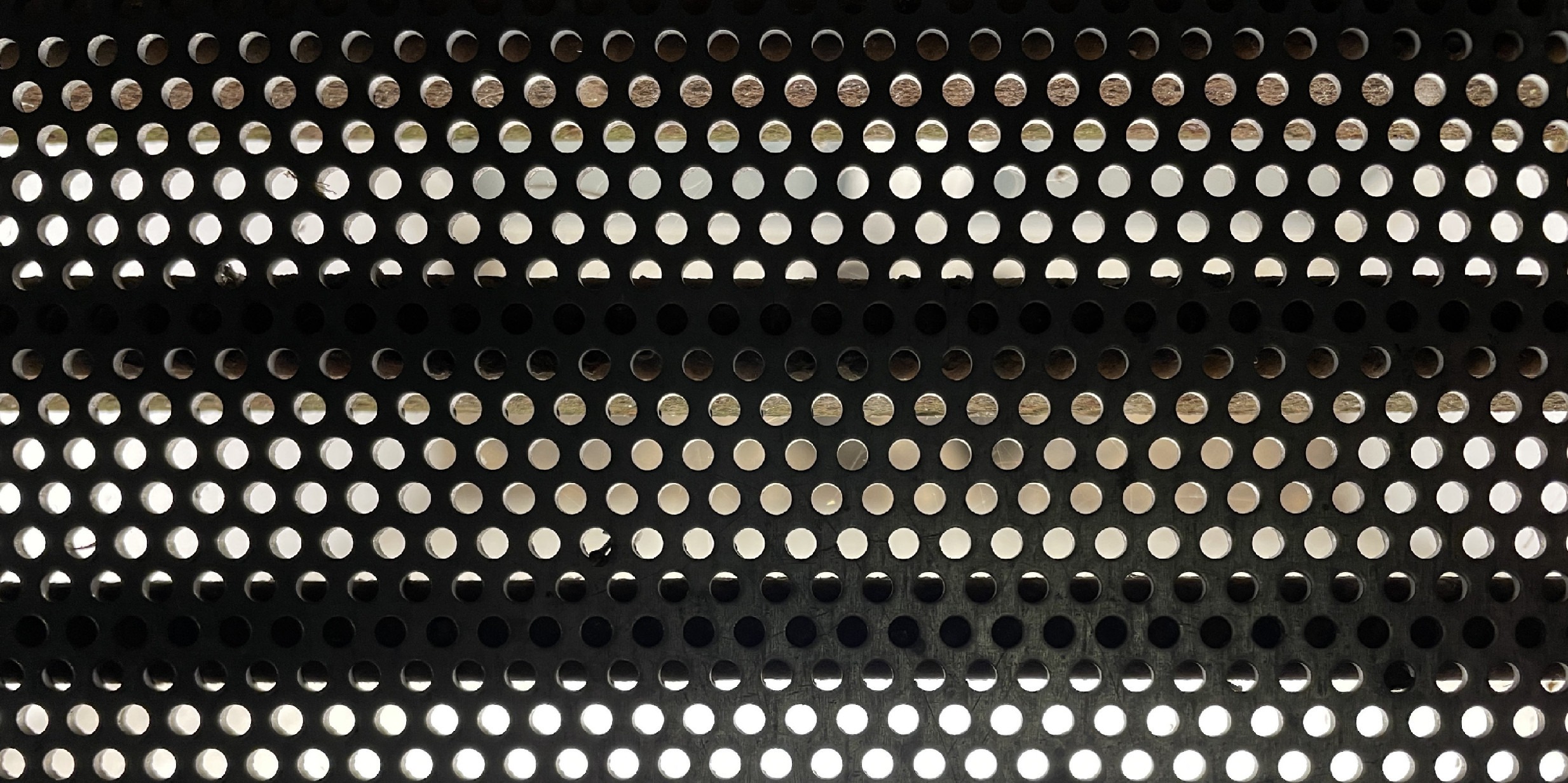
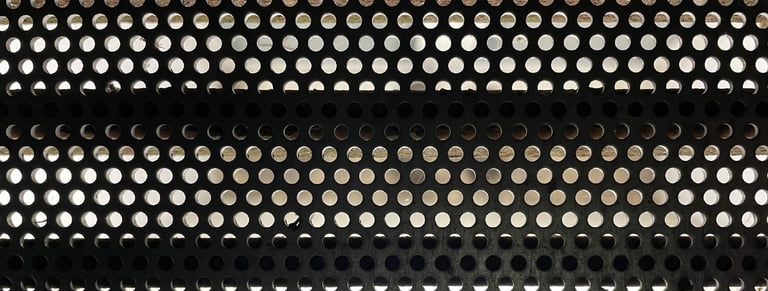
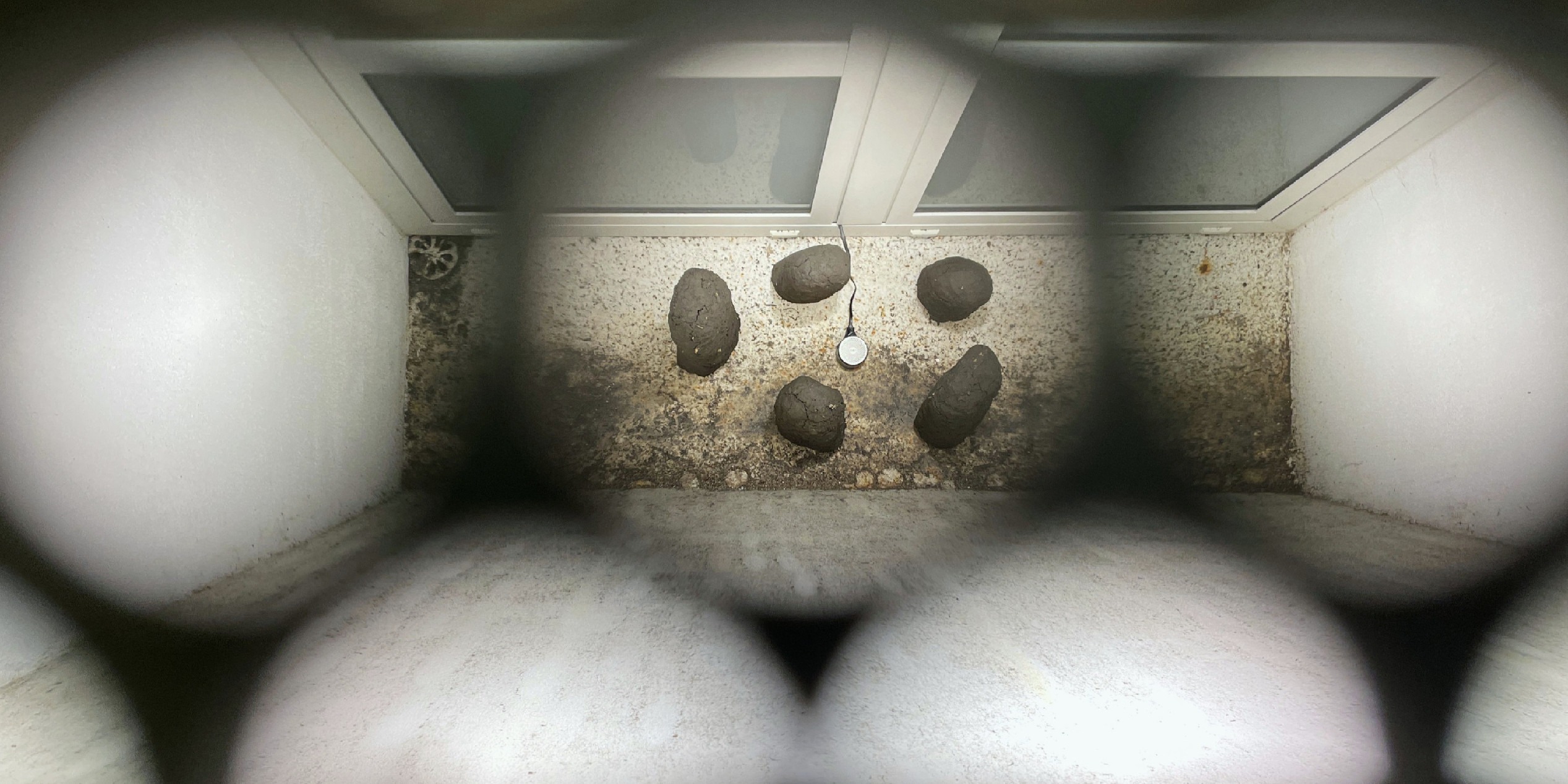
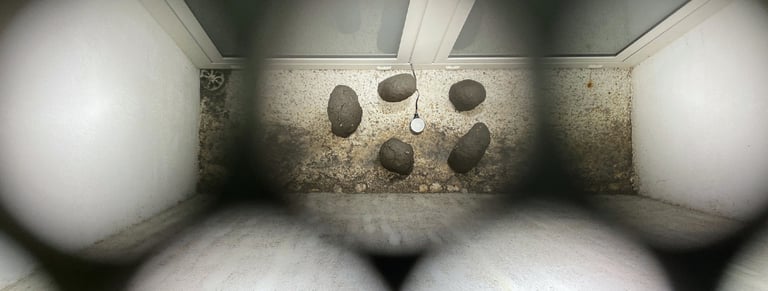
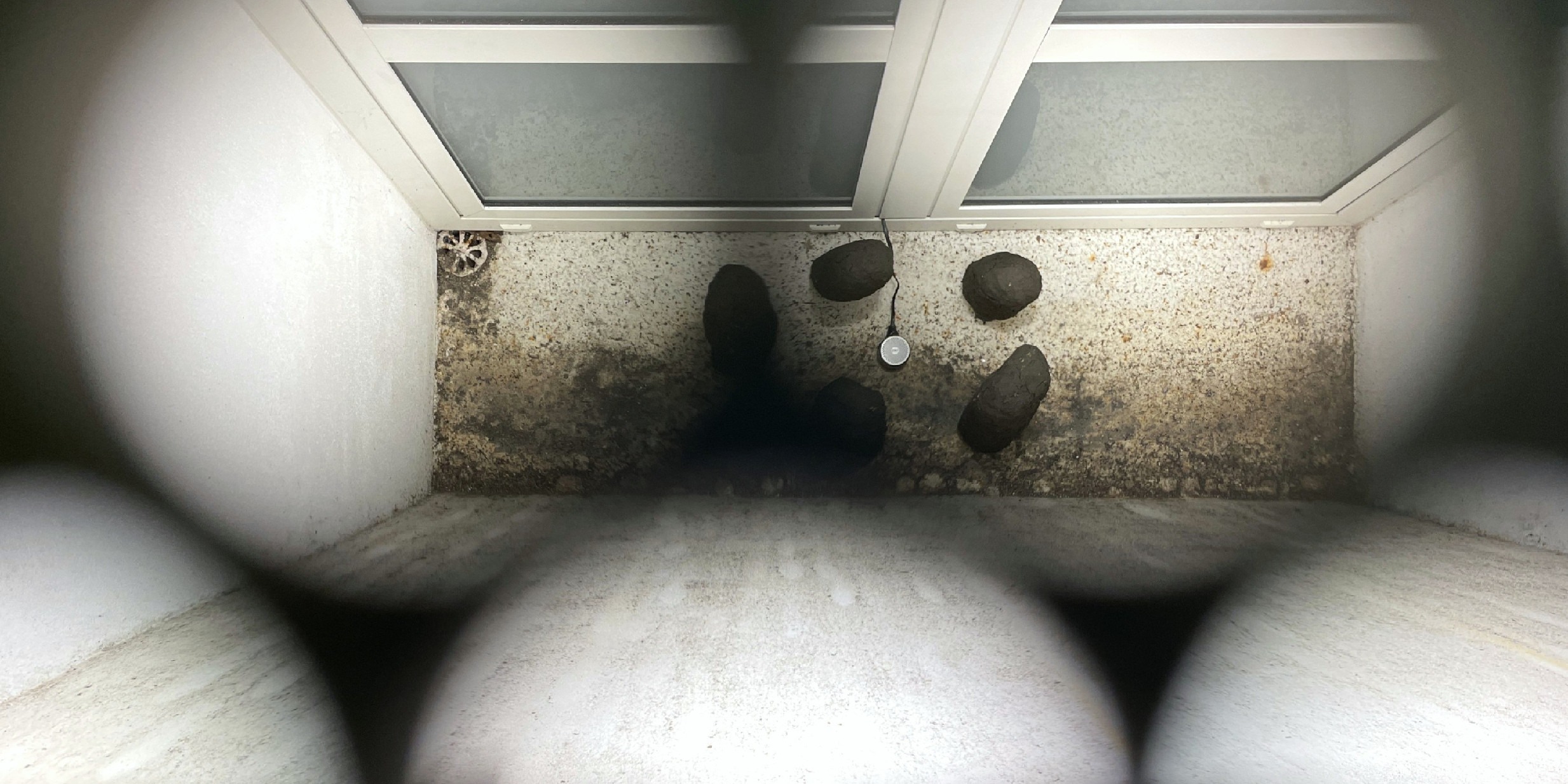
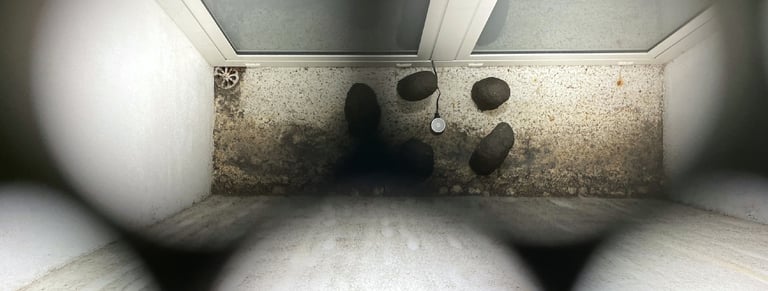
Through the unknown remembered gate, 2025, detail, soil of pulper, 35 min audio loop, variable dimensions. Courtesy the artist. Photo Luca Rubertà.
.
Through the unknown remembered gate, 2025, soil of pulper, 35 min audio loop, variable dimensions. Installation view at Via del Guasto, Bologna. Courtesy the artist. Photo Luca Rubertà.
Through the unknown remembered gate, 2025, soil of pulper, 35 min audio loop, variable dimensions. Installation view at Via del Guasto, Bologna. Courtesy the artist. Photo Luca Rubertà.
.
Through the unknown remembered gate, 2025, soil of pulper, 35 min audio loop, variable dimensions. Installation view at Via del Guasto, Bologna. Courtesy the artist. Photo Luca Rubertà.
.
Through the unknown remembered gate, 2025, details, soil of pulper, 35 min audio loop, variable dimensions. Courtesy the artist. Photo Luca Rubertà.
2024
LE FRAGOLE NON CRESCONO SOLO D'AUTUNNO, CambiaMenti Festival, Spazio Bianco DumBO, Bologna.
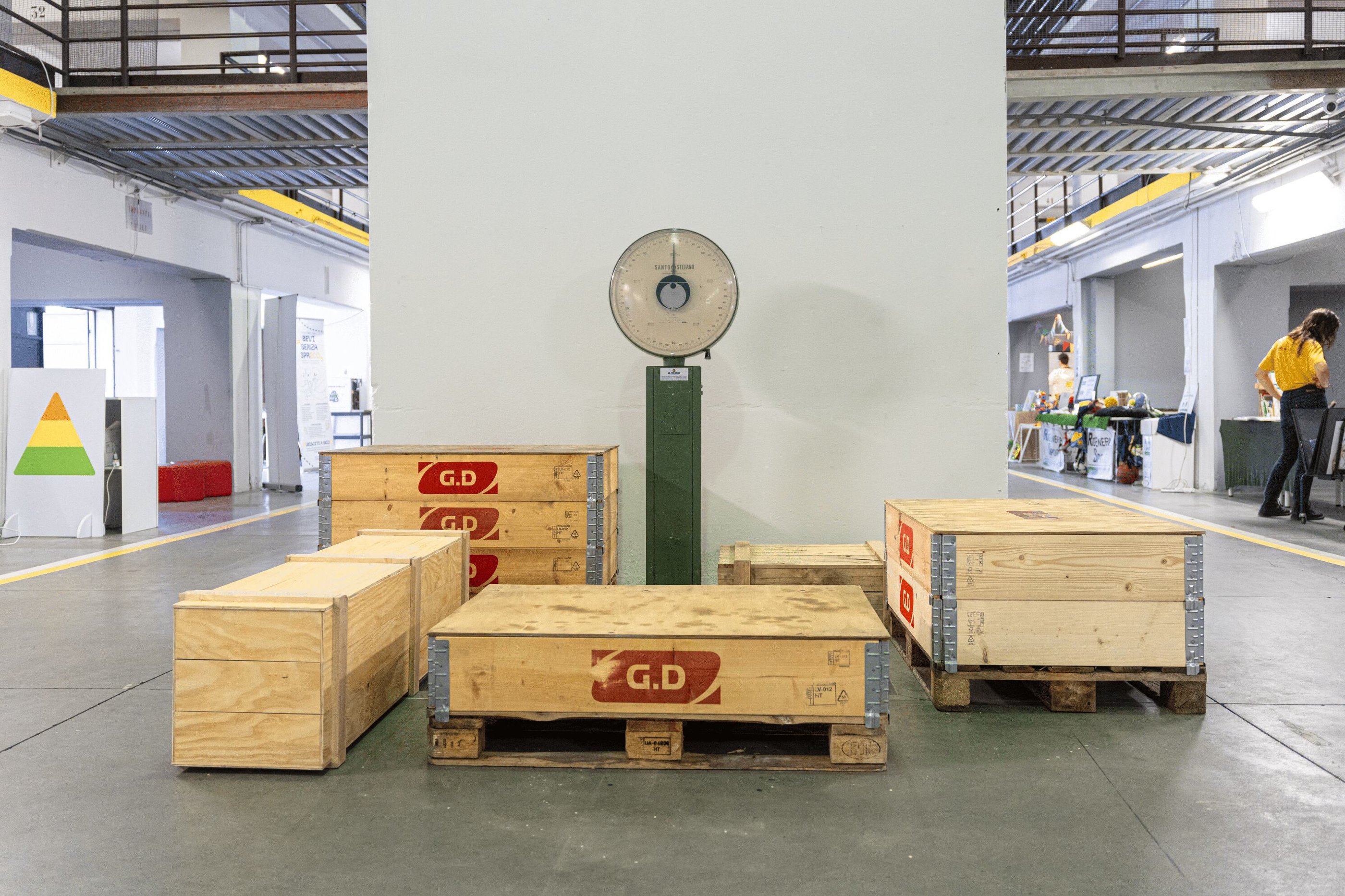
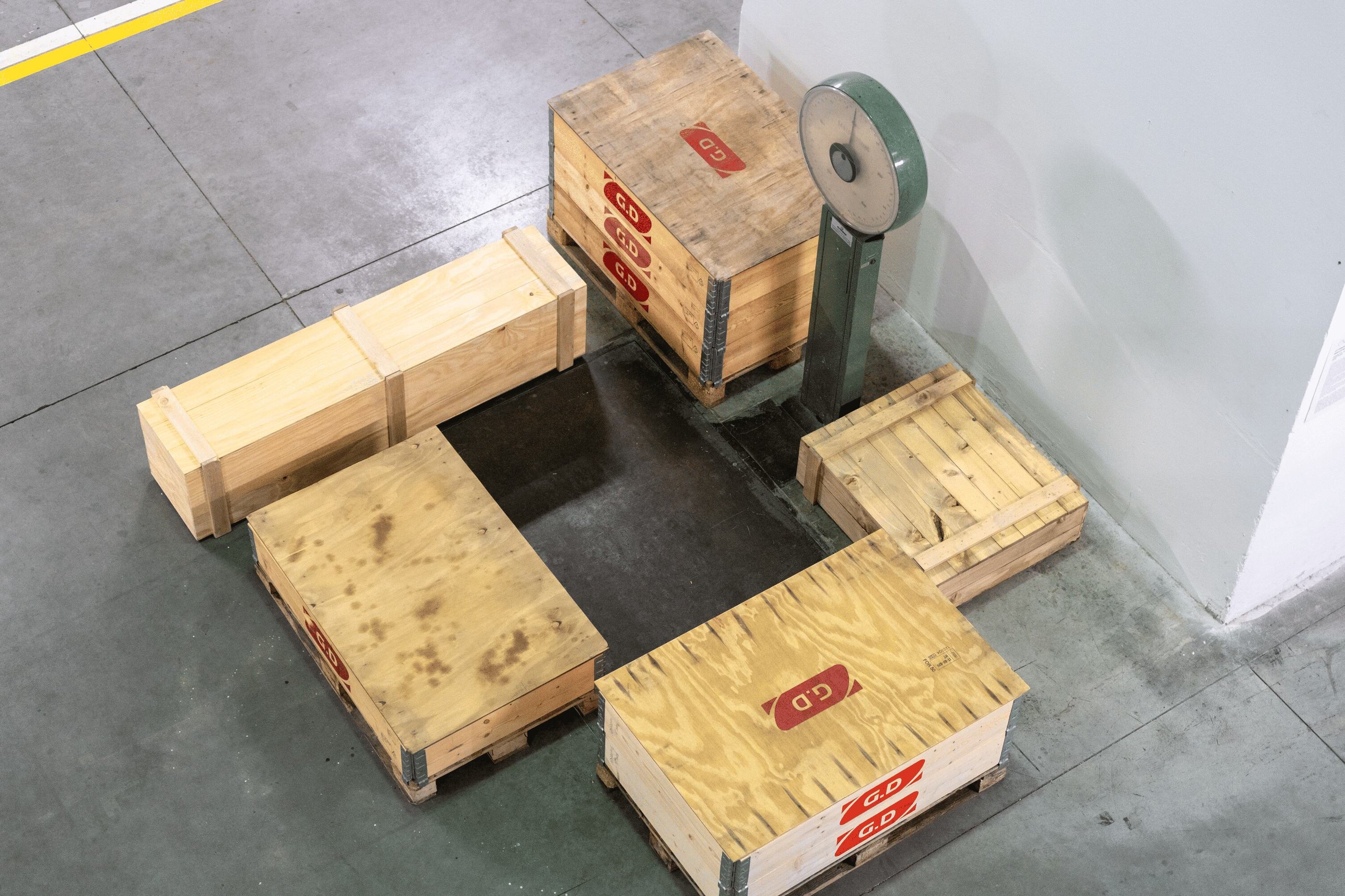
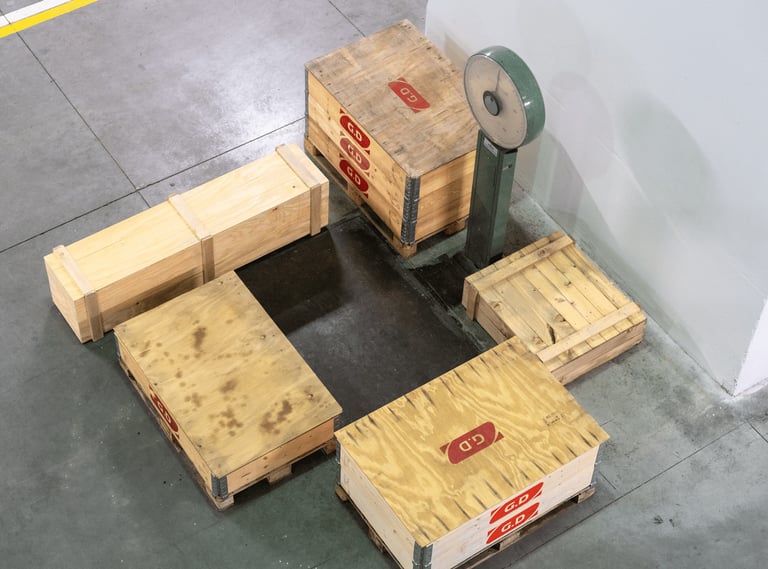
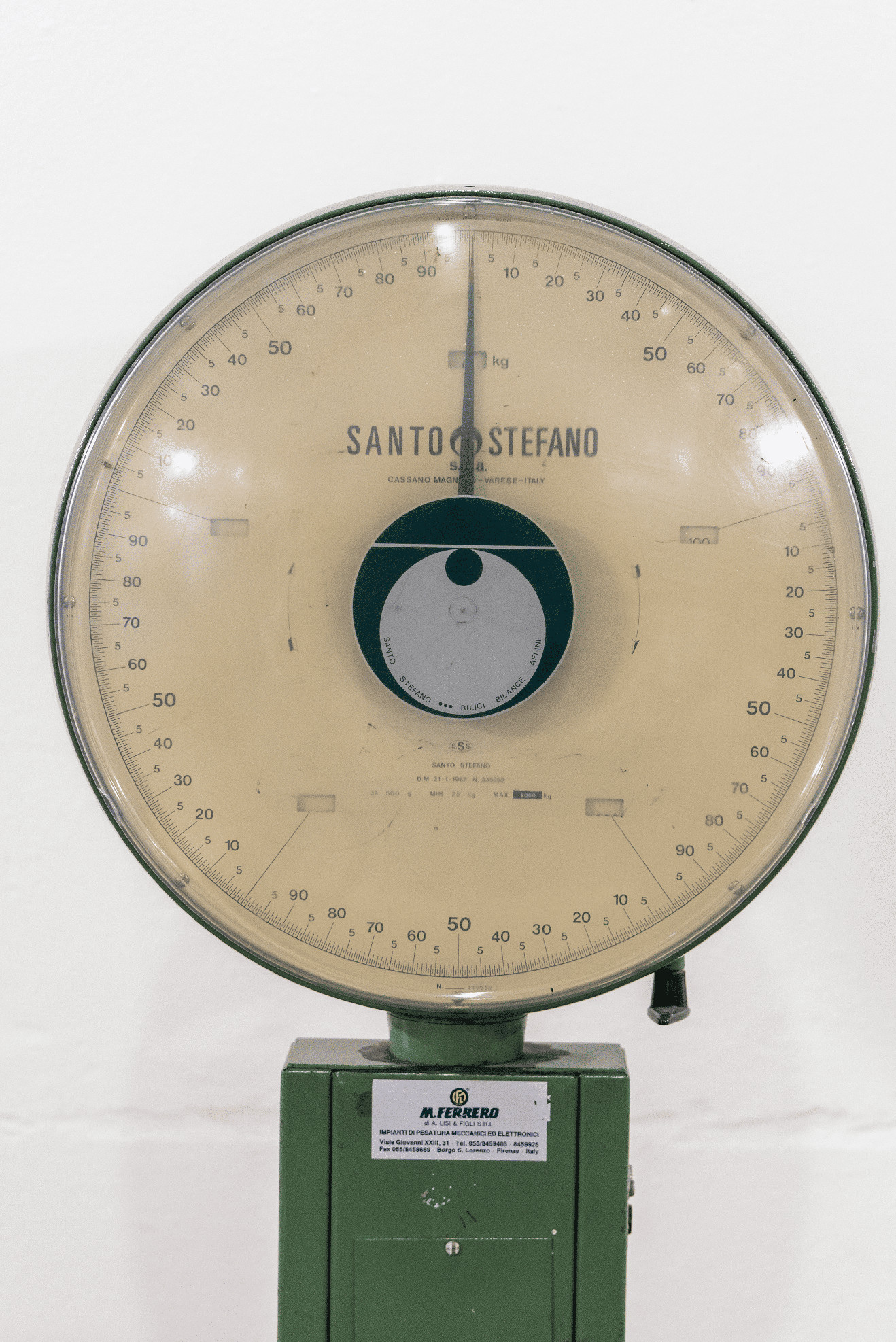
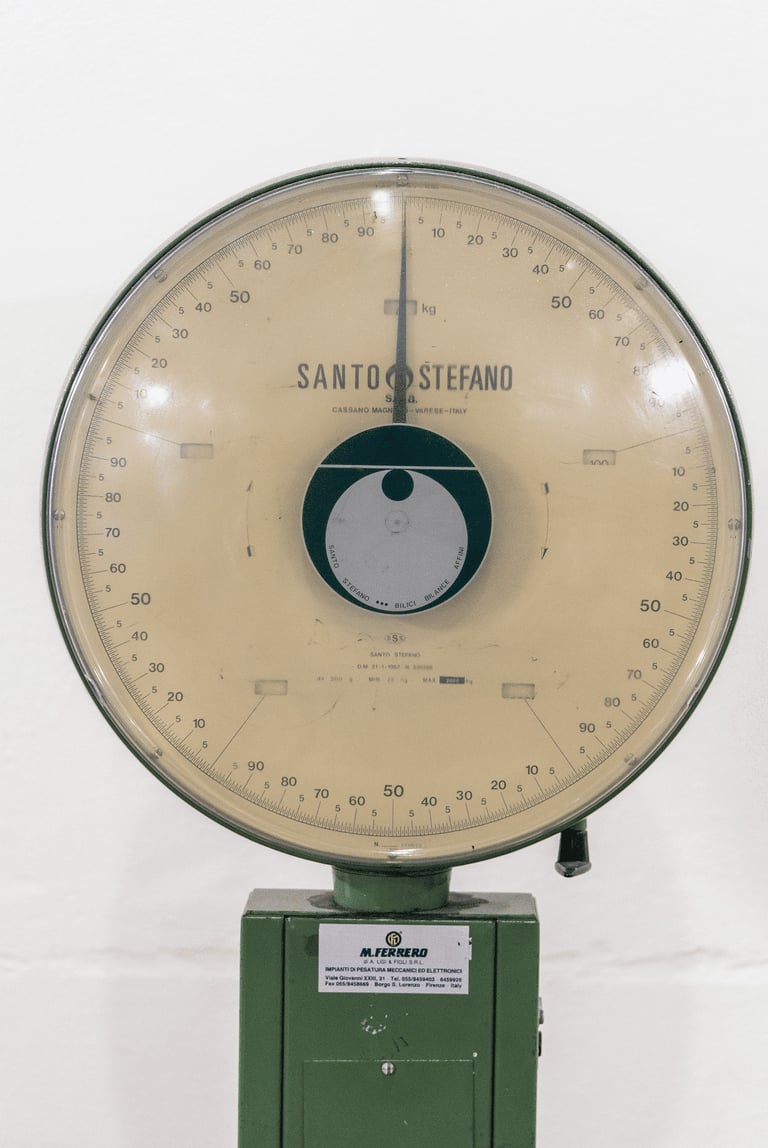
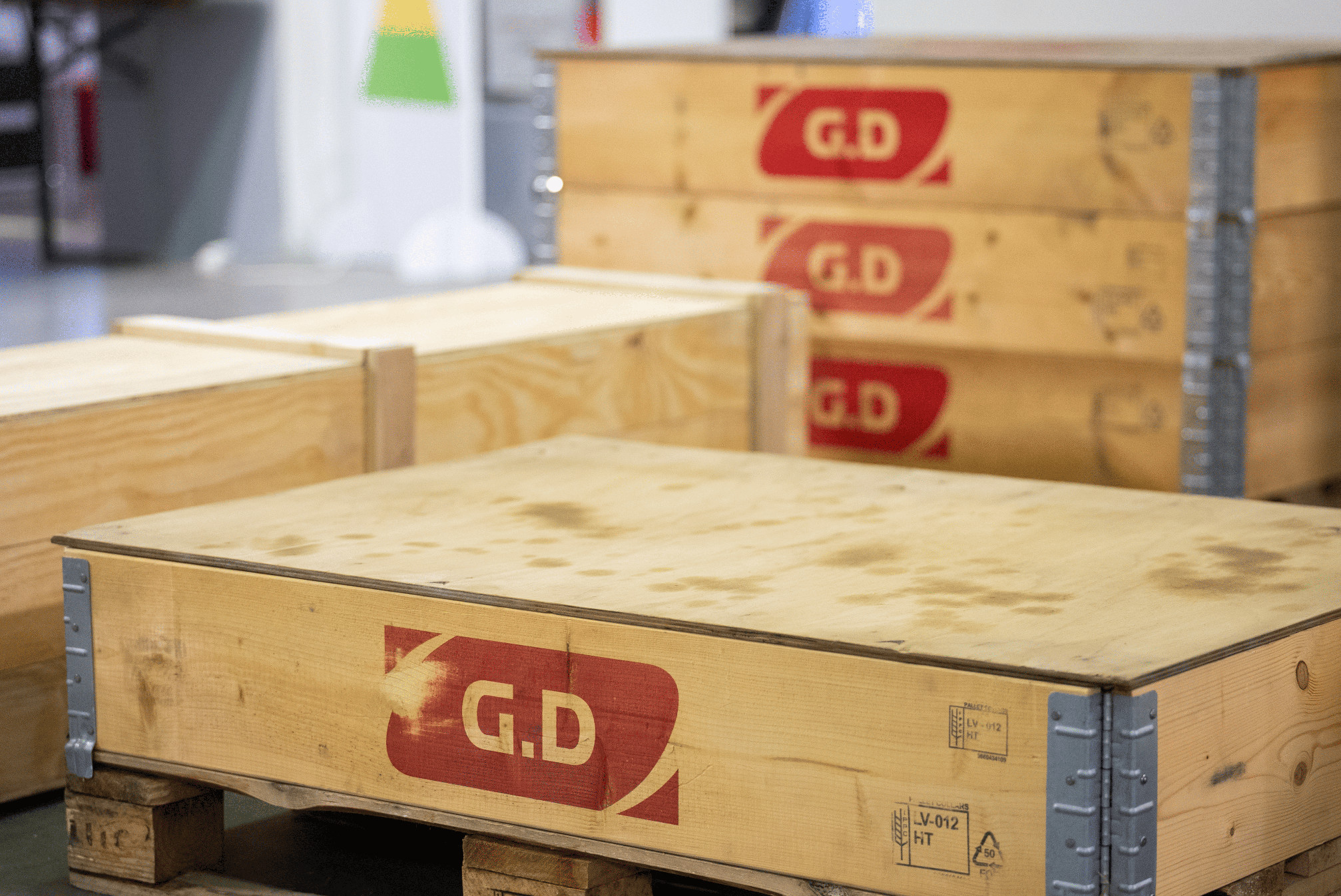
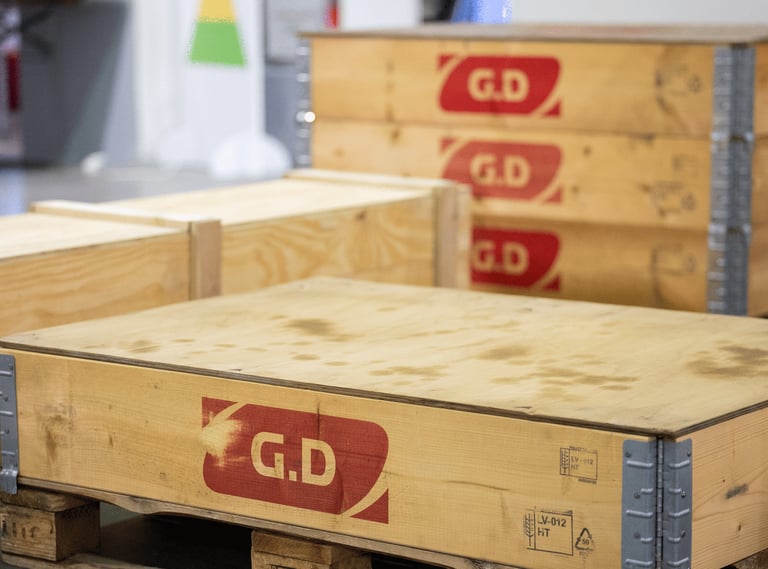
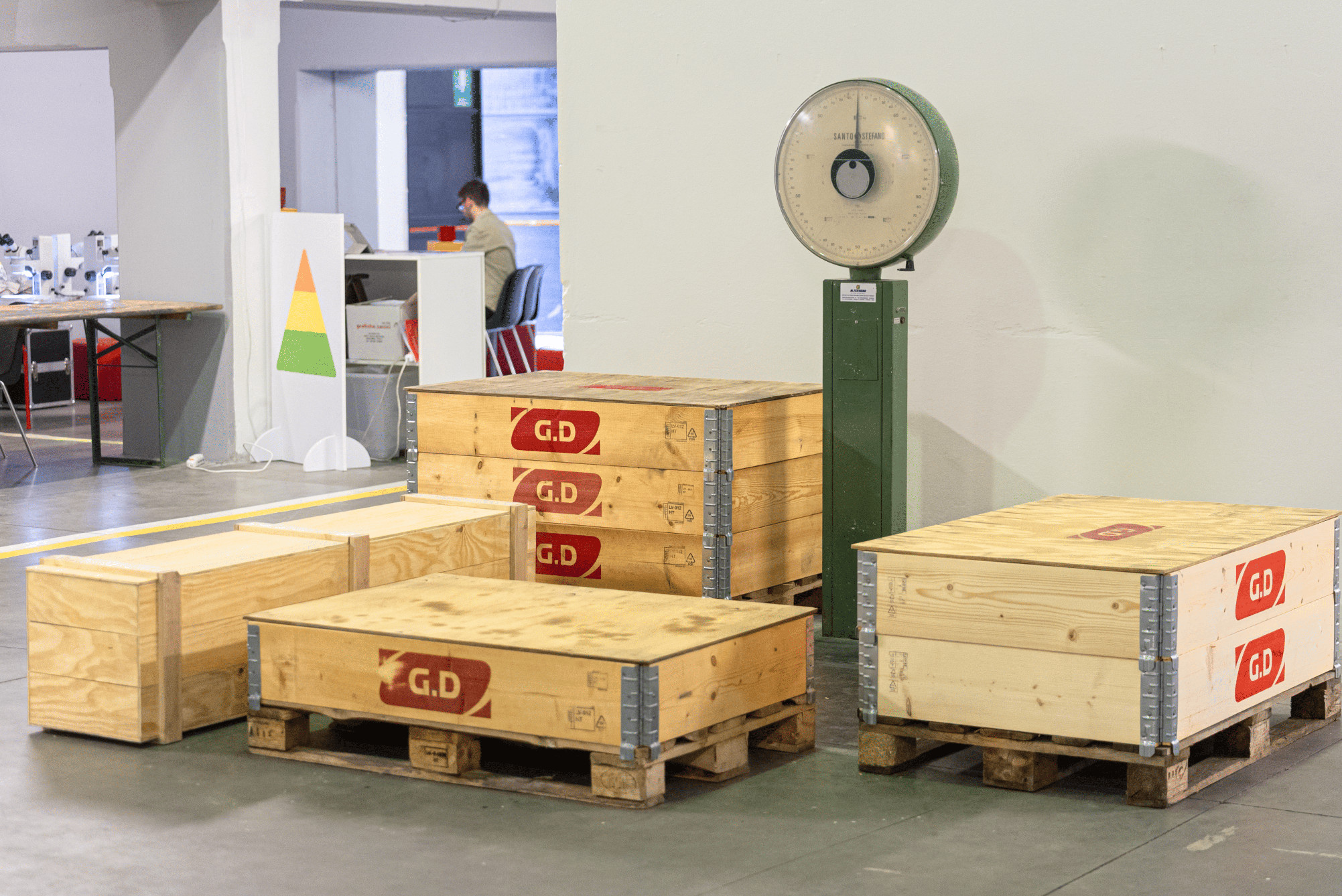
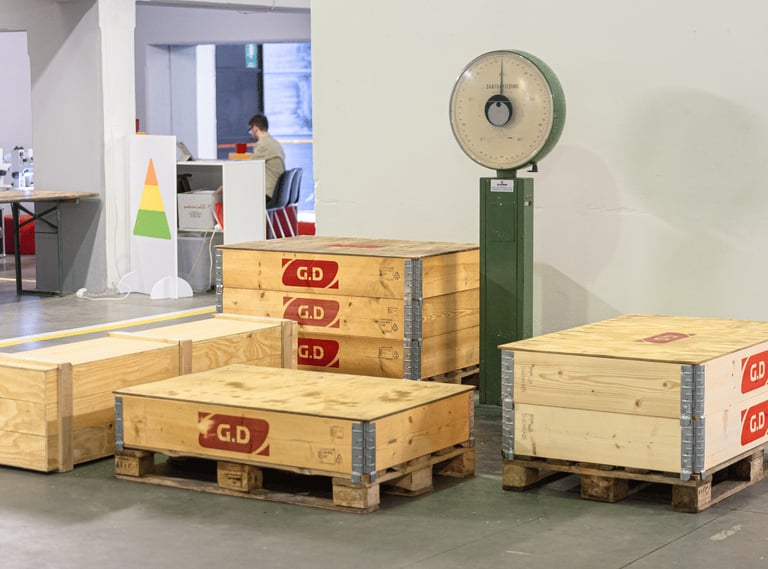
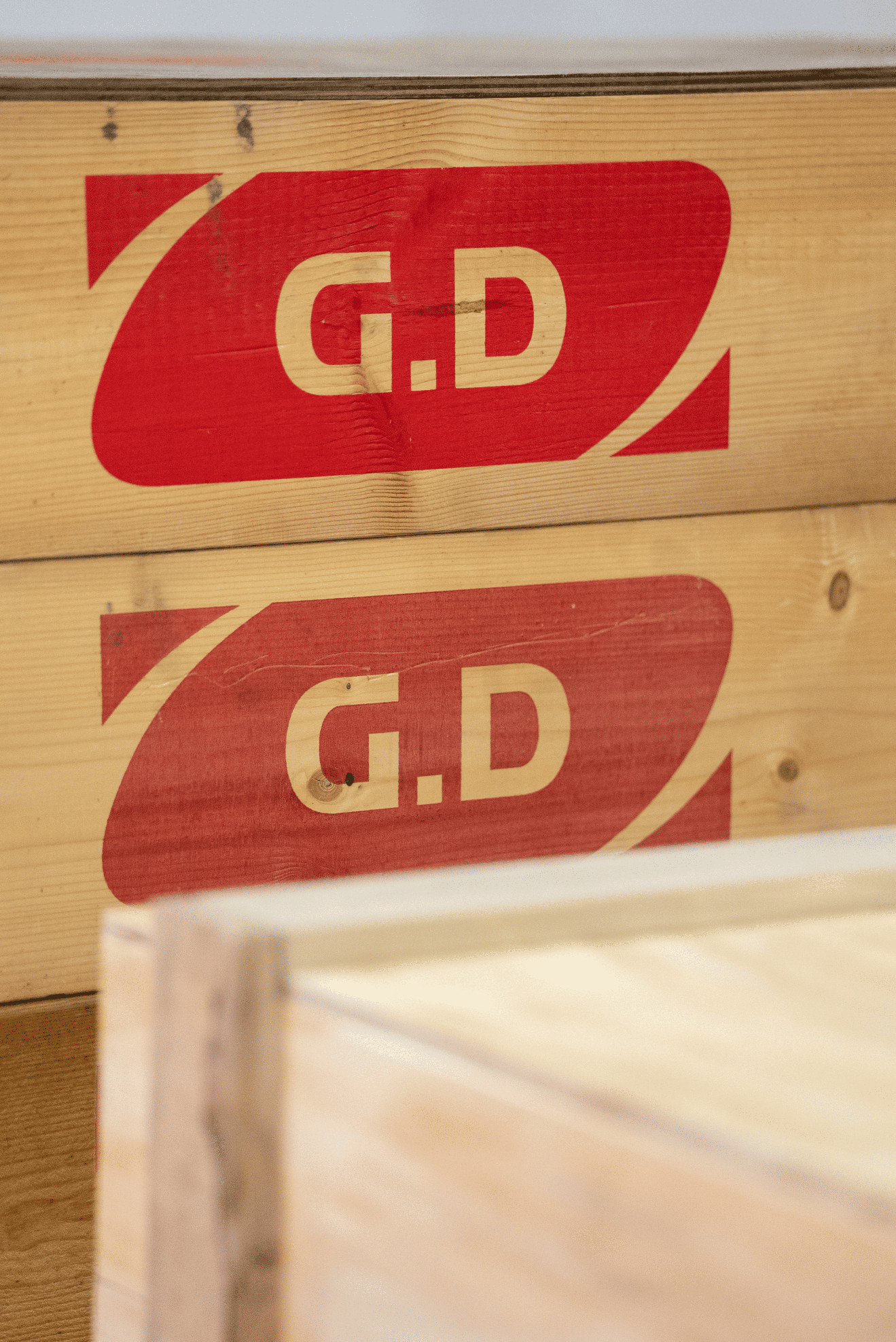
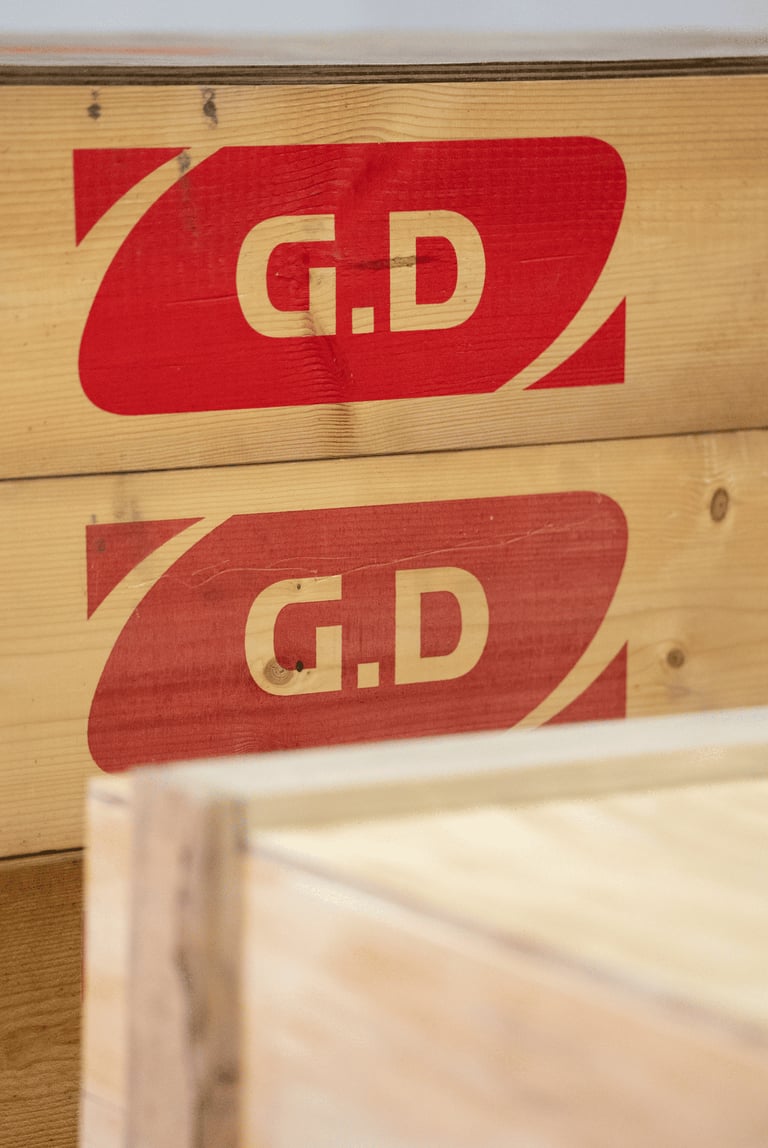
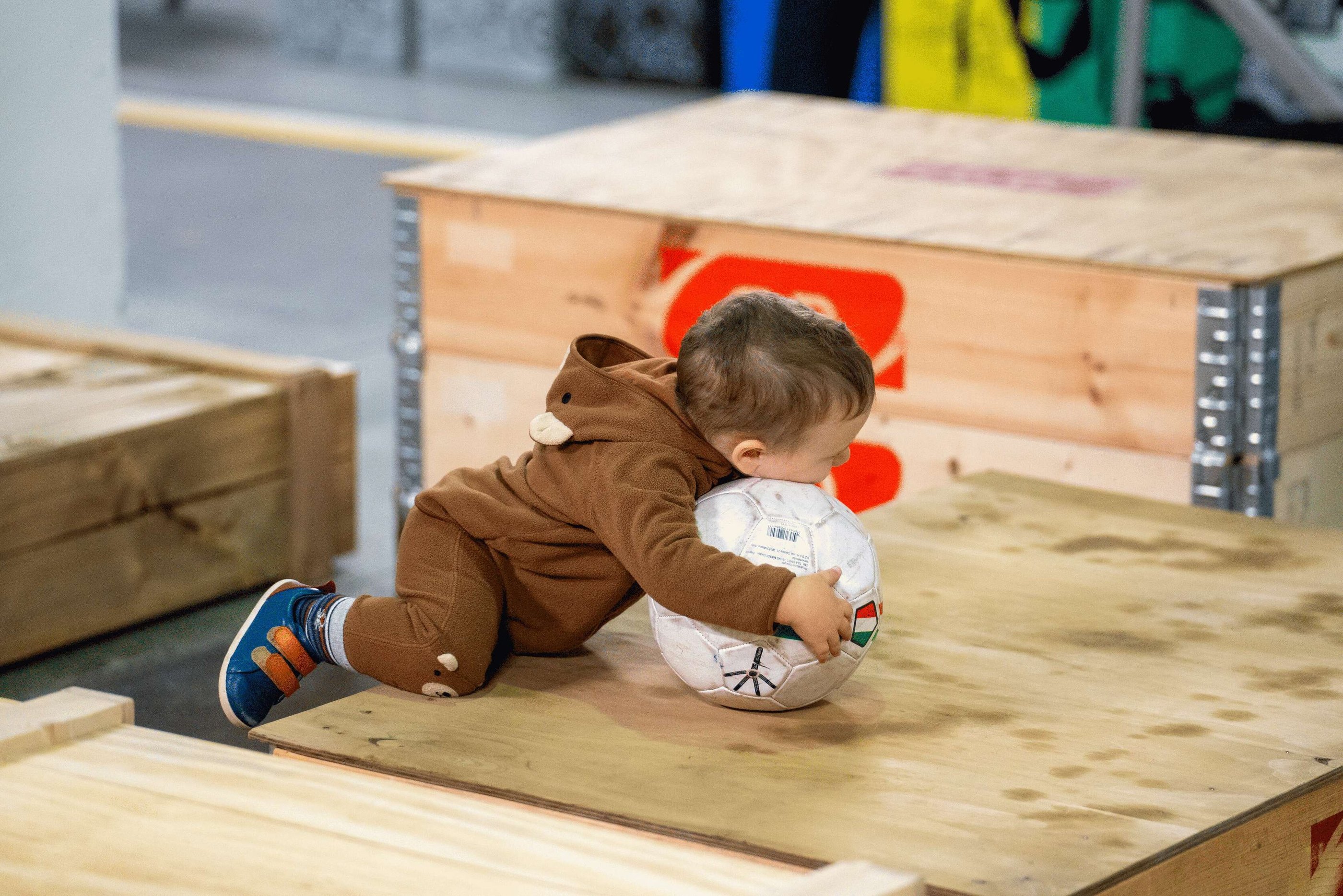
This work stems from the investigation of the processes of appropriation and commodification of natural resources implemented by global capitalism and their impact on the state of decay of the planet. Artistic production participates in the same logic of exploitation of the Earth. With Le fragole non crescono solo d’autunno, the artist intends to reflect on the possibility of operating in a sustainable way, perhaps this time uncovering less reassuring questions. Is sustainability still an aspiration? The archiving of past attempts and elements previously used in his installations, arranged around the platform of an underground floor scale, represent the contradictions between the purpose and the end of these now defunct presences. There remains the opportunity to say goodbye to everything that hoped not to end up like that.
.
Le fragole non crescono solo d'autunno, 2024, detail, mixed media, variable dimensions. Courtesy the artist. Photo Mattia Belletti.
.
Le fragole non crescono solo d'autunno, 2024, detail, mixed media, variable dimensions. Courtesy the artist. Photo Mattia Belletti.
.
Le fragole non crescono solo d'autunno, 2024, detail, mixed media, variable dimensions. Courtesy the artist. Photo Mattia Belletti.
.
.
Le fragole non crescono solo d'autunno, 2024, detail, mixed media, variable dimensions. Courtesy the artist. Photo Mattia Belletti.
.
Le fragole non crescono solo d'autunno, 2024, mixed media, variable dimensions. Installation view at Spazio Bianco DumBO, Bologna. Courtesy the artist. Photo Mattia Belletti.
.
Le fragole non crescono solo d'autunno, 2024, mixed media, variable dimensions. Installation view at Spazio Bianco DumBO, Bologna. Courtesy the artist. Photo Mattia Belletti.
Le fragole non crescono solo d'autunno, 2024, mixed media, variable dimensions. Installation view at Spazio Bianco DumBO, Bologna. Courtesy the artist. Photo Mattia Belletti.
VERSO CASA, curated by Danilo Paris and Nicola Nitido, Festival dell’Arte Nomadica, Chiesa di Santa Lucia, Ferentino.
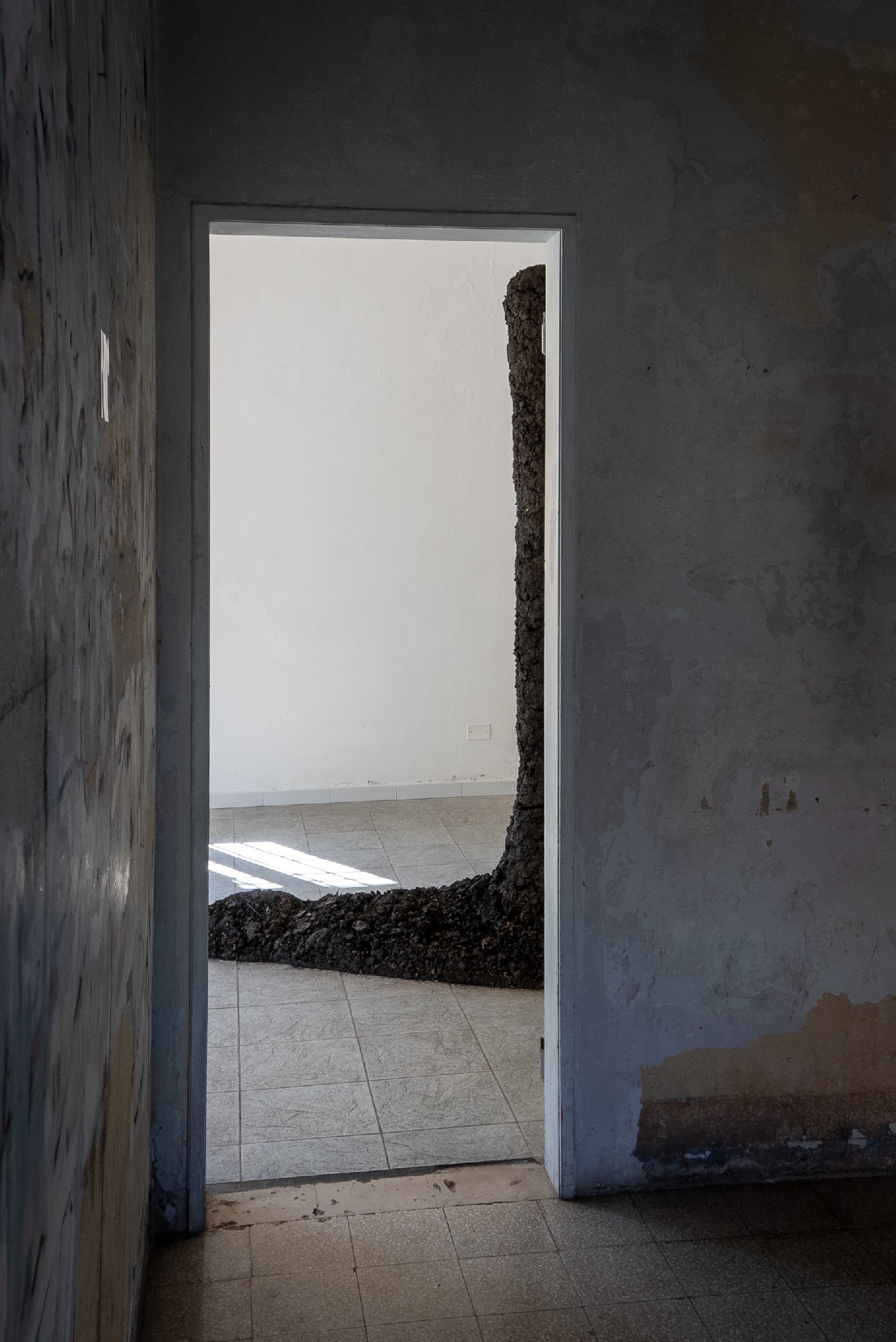
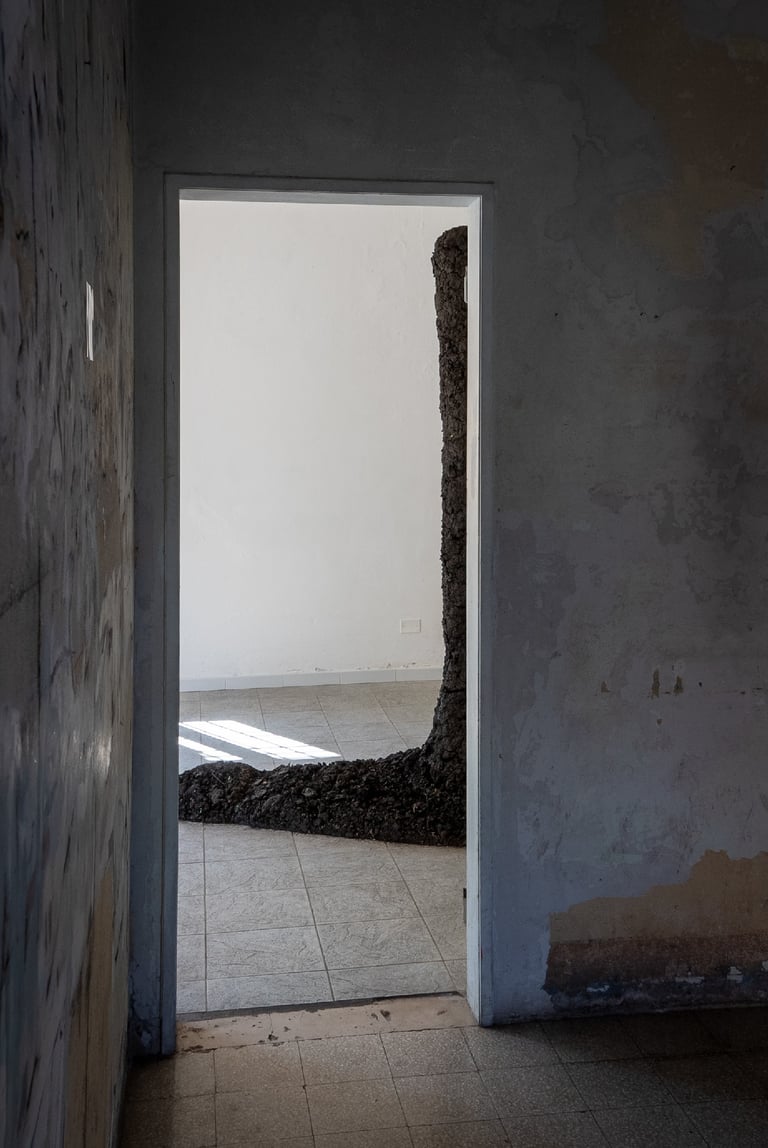
Verso casa was made with the soil collected from the Ferentino countryside and it focuses on the story of the mystery of a forgotten world: the animistic world characterised by a numinous and kinaesthetic relationship with the natural environment. The work is placed in a space that no longer exists or in a time that is not yet. Its indeterminacy is not only temporal between a distant past and a possible near future, but also spatial: the installation is ideally located in a limbo halfway between the church and the mountain/forest. There is a strong correspondence between the ambiguity of the temporal and physical dimensions, which expand the space of fruition and ensure a multiple reading by the participating observer, who, depending on his or her personal experiences and perceptions, can choose the direction in which he or she wishes to return.
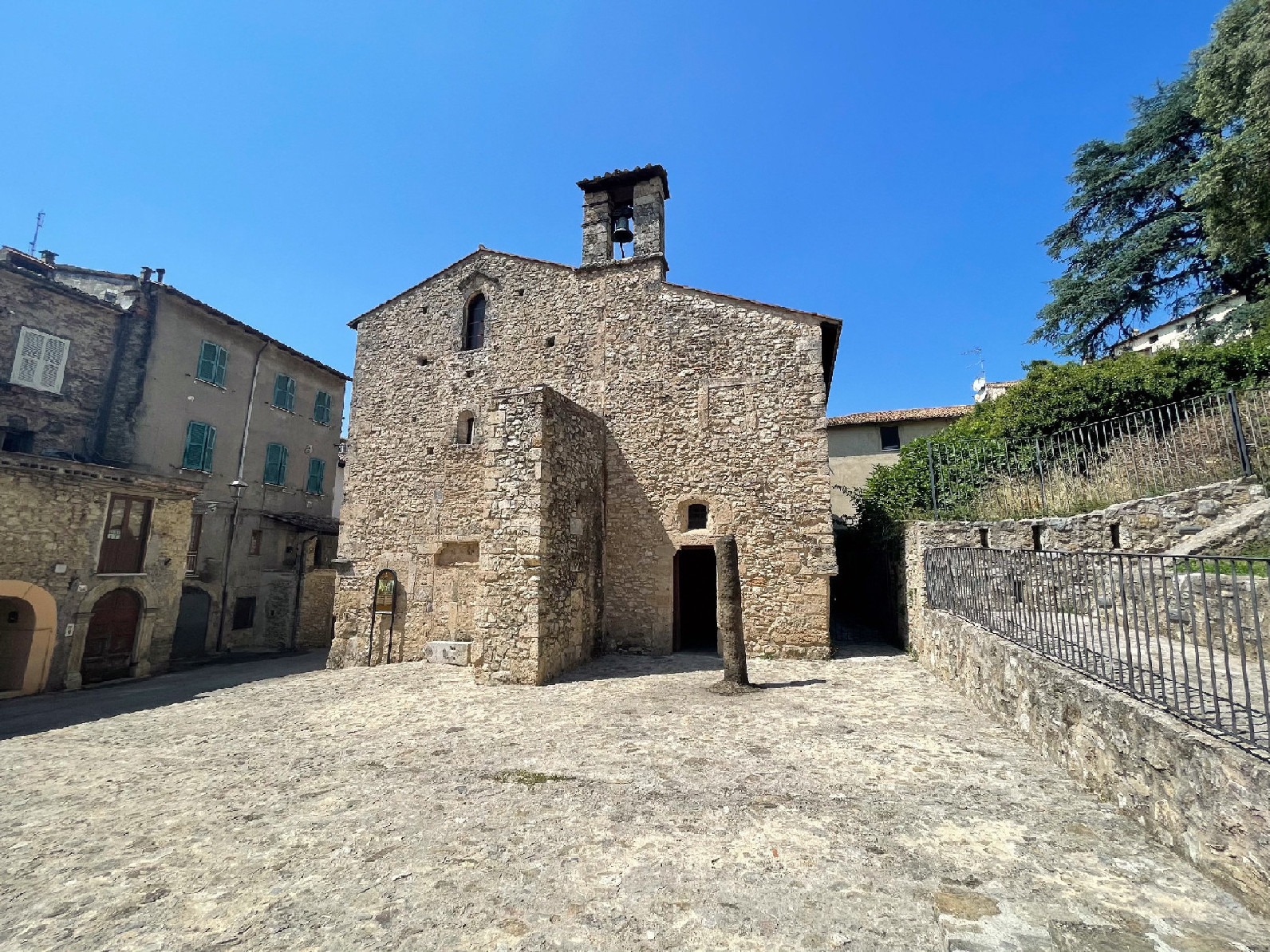
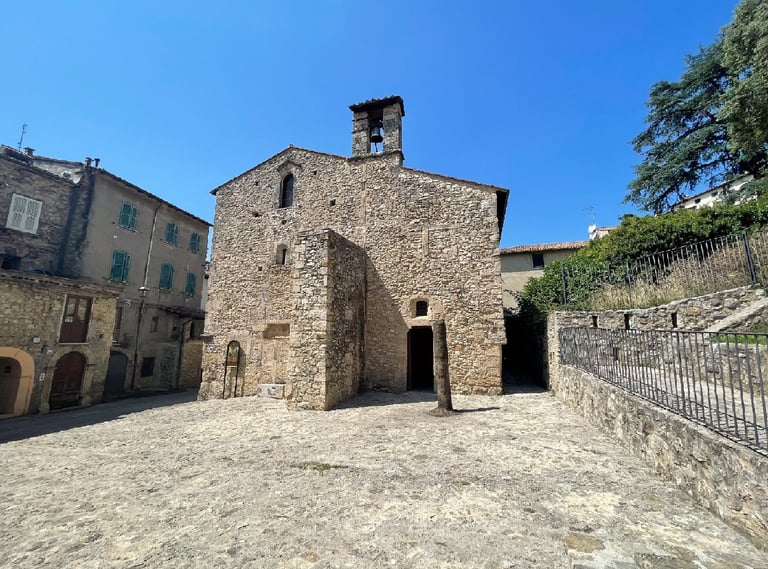
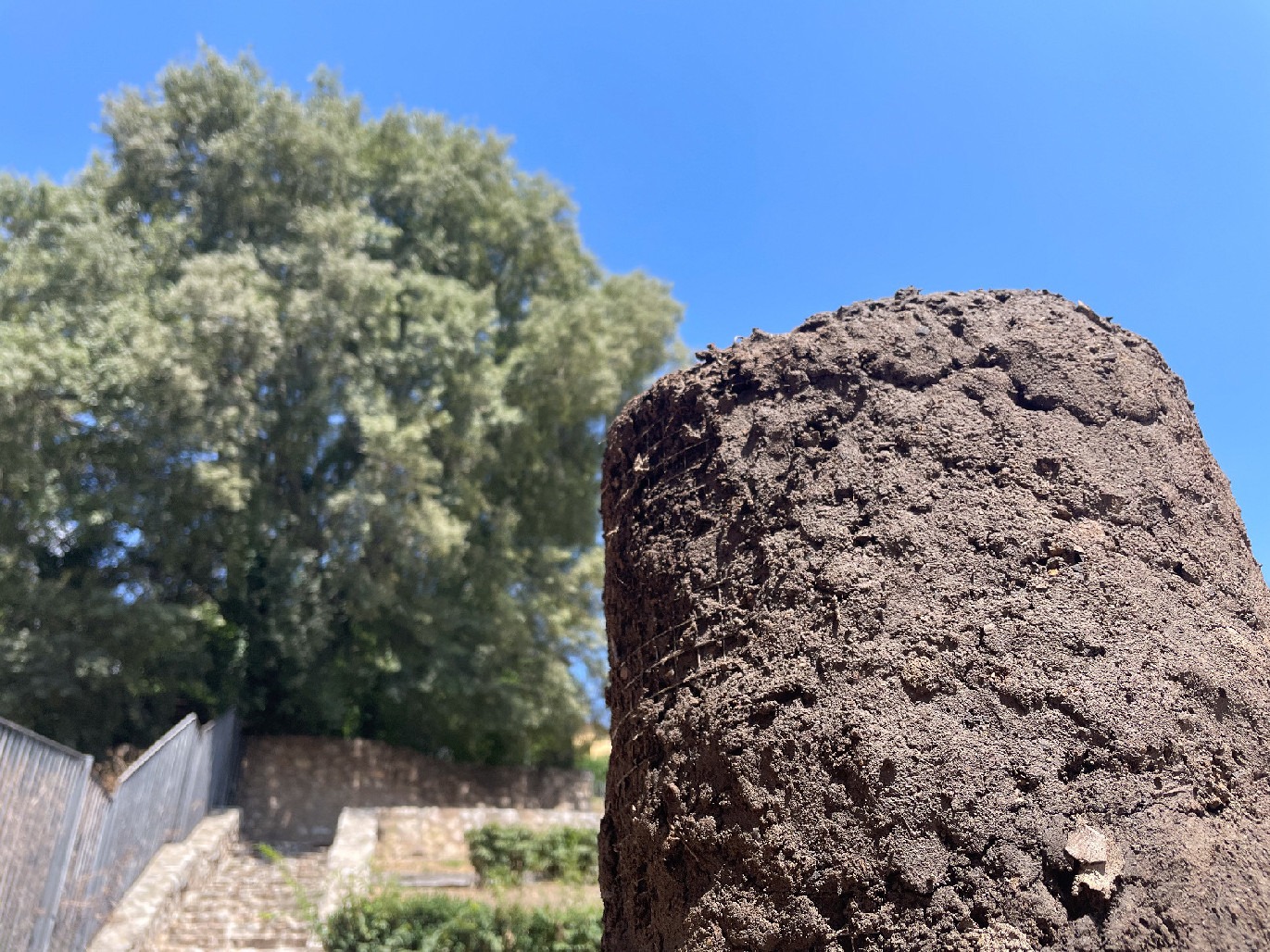
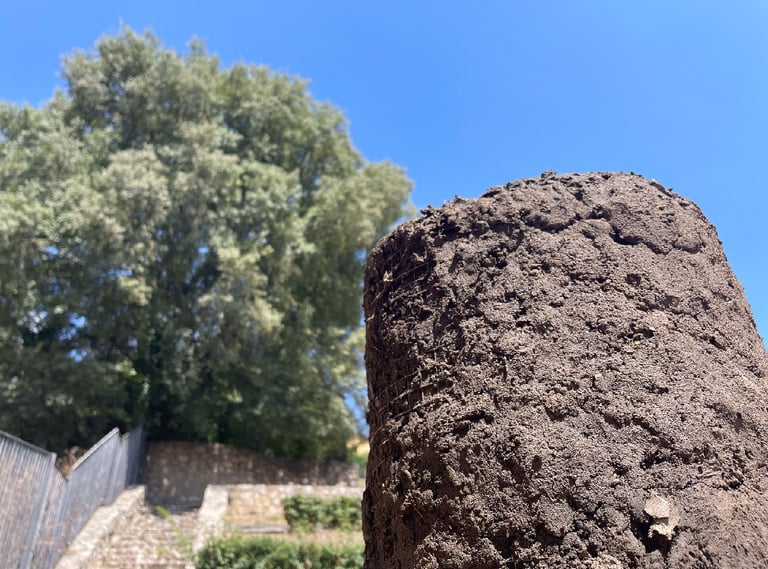
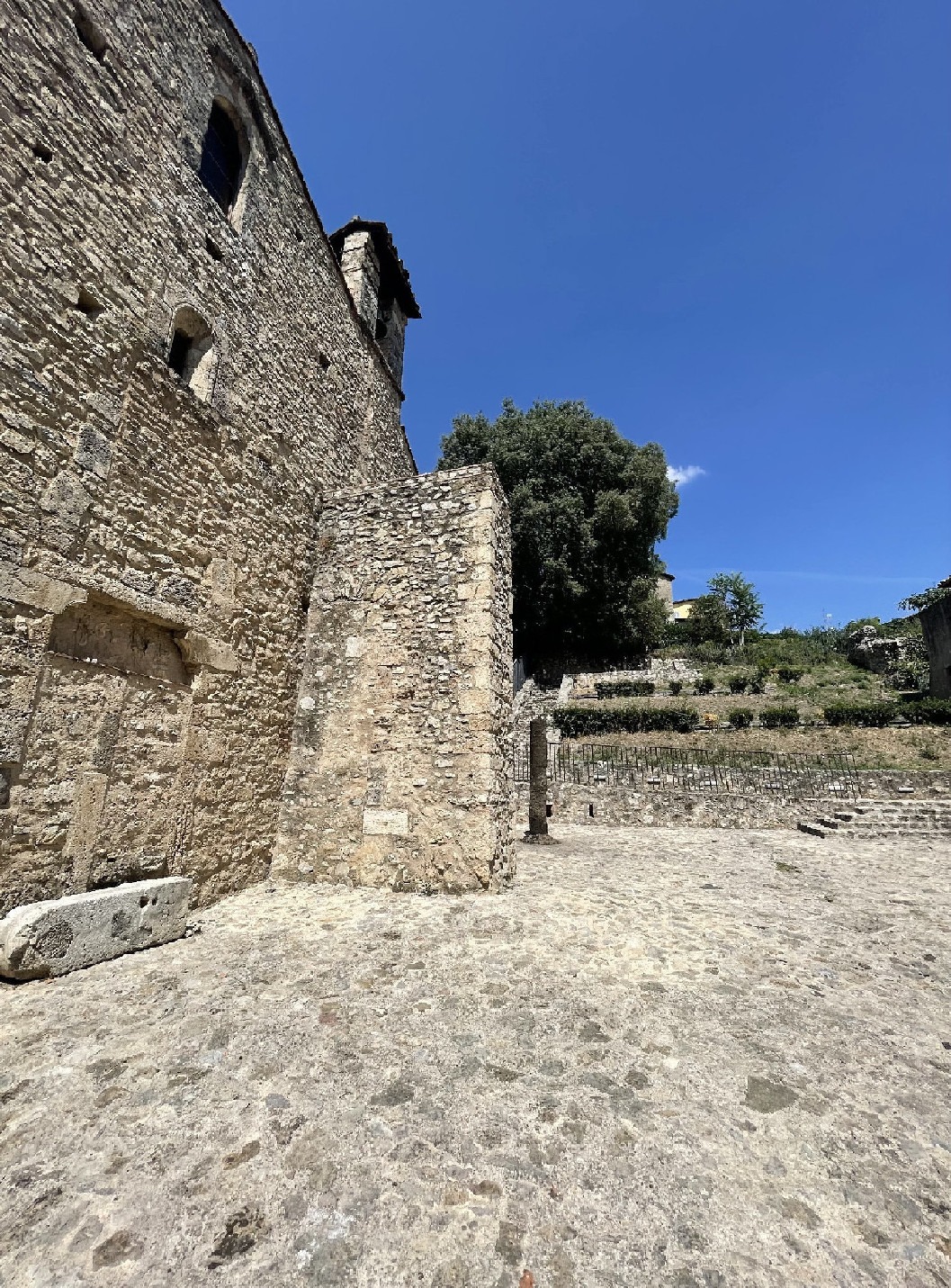
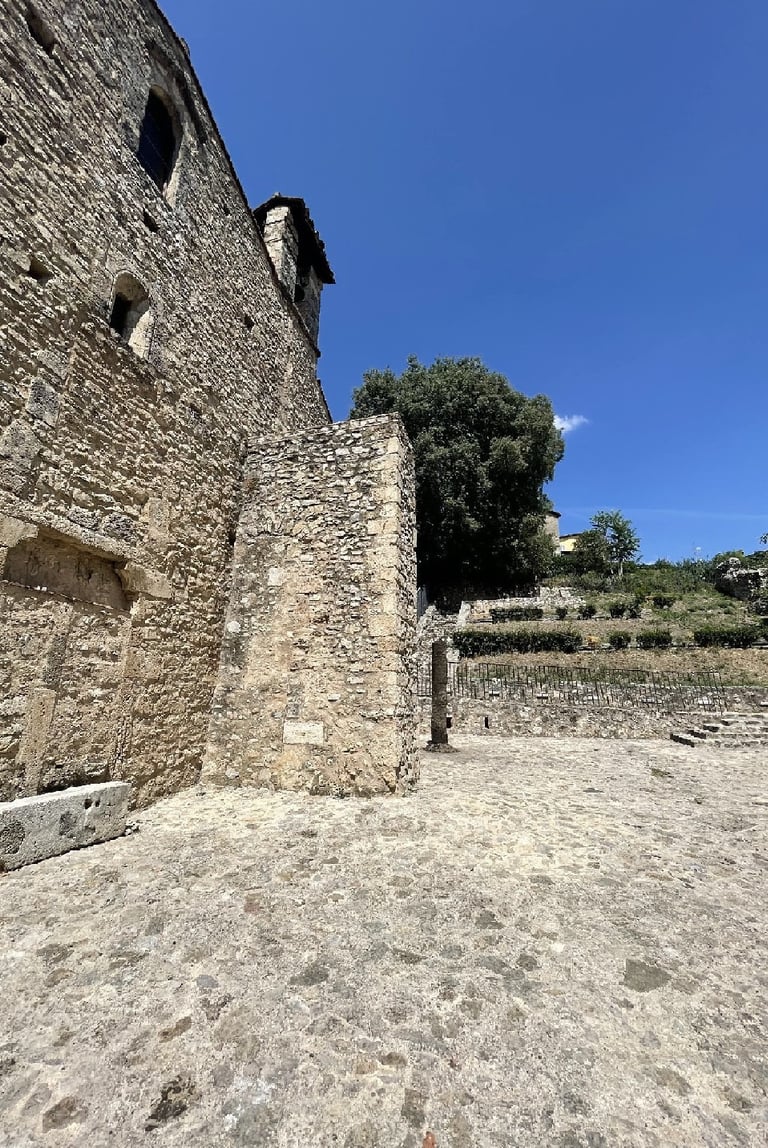
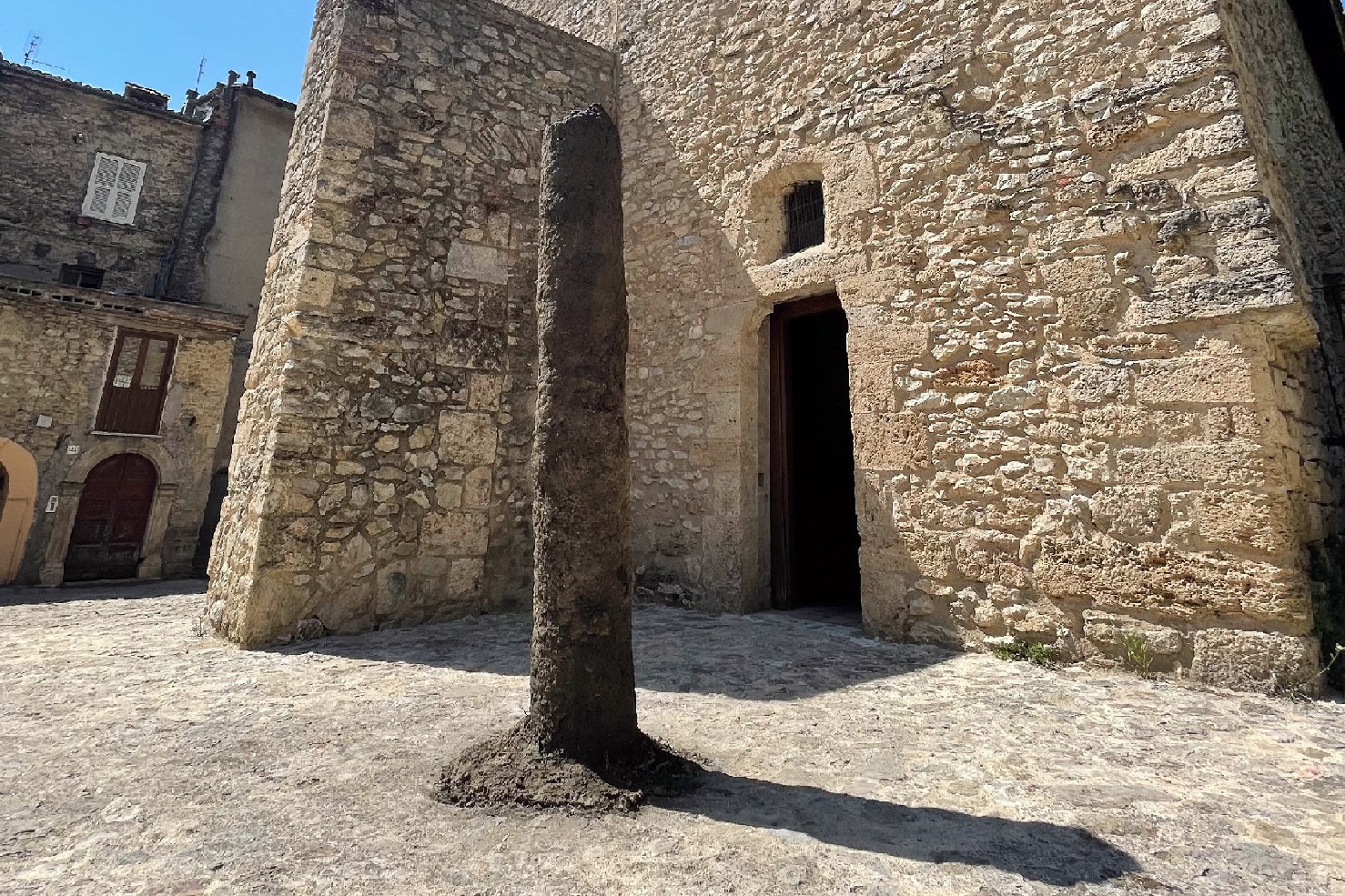
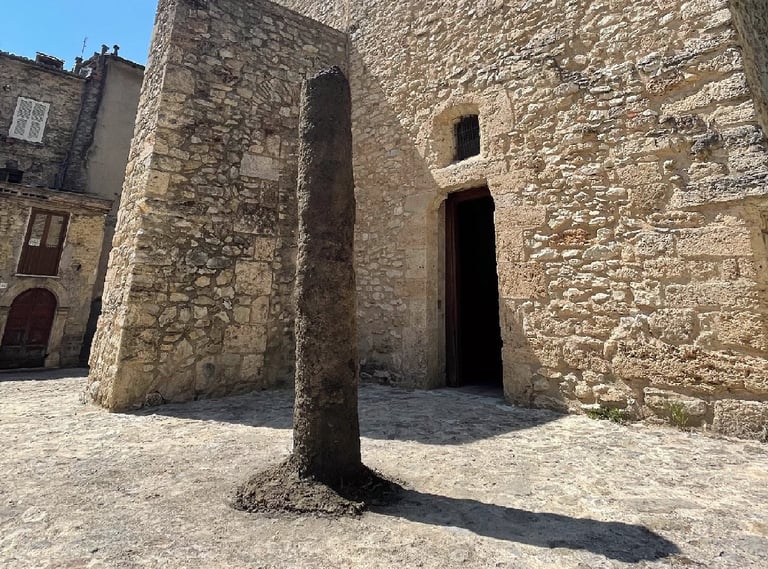
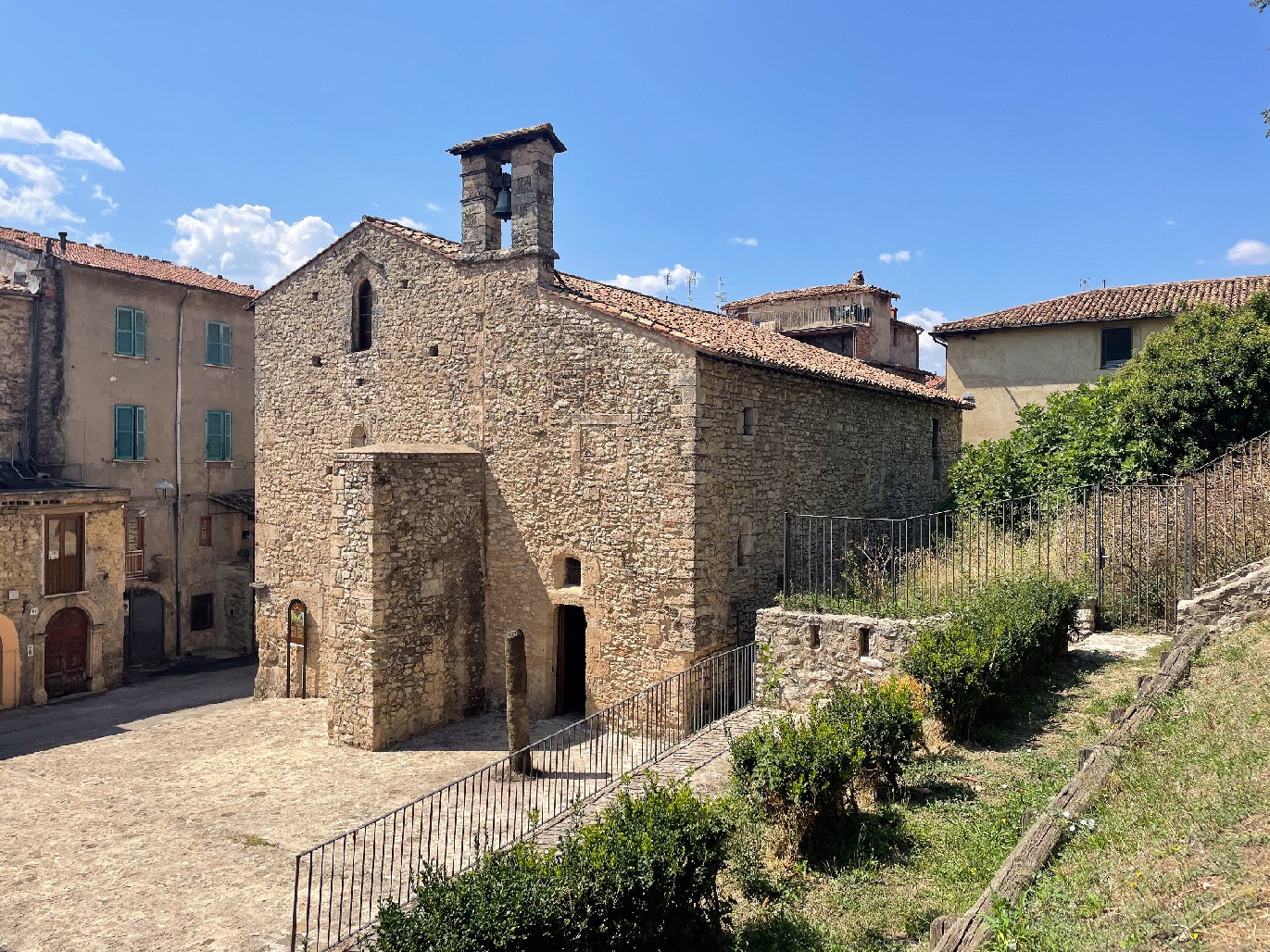
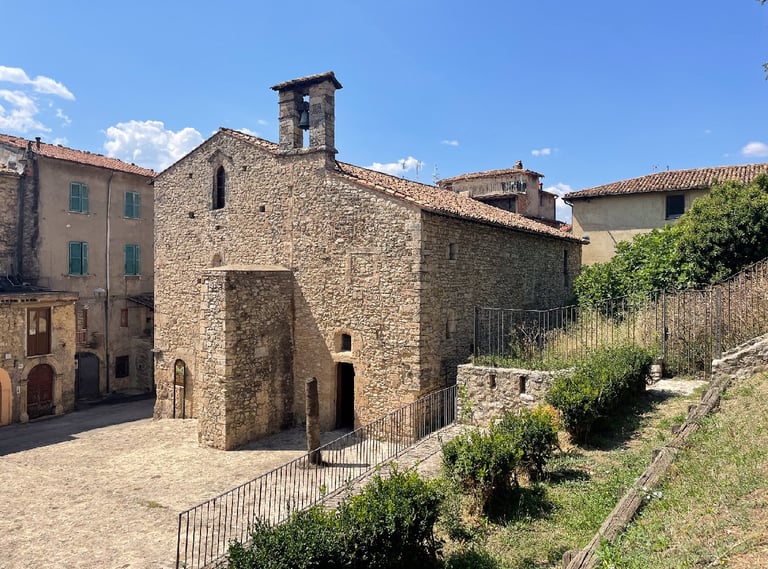
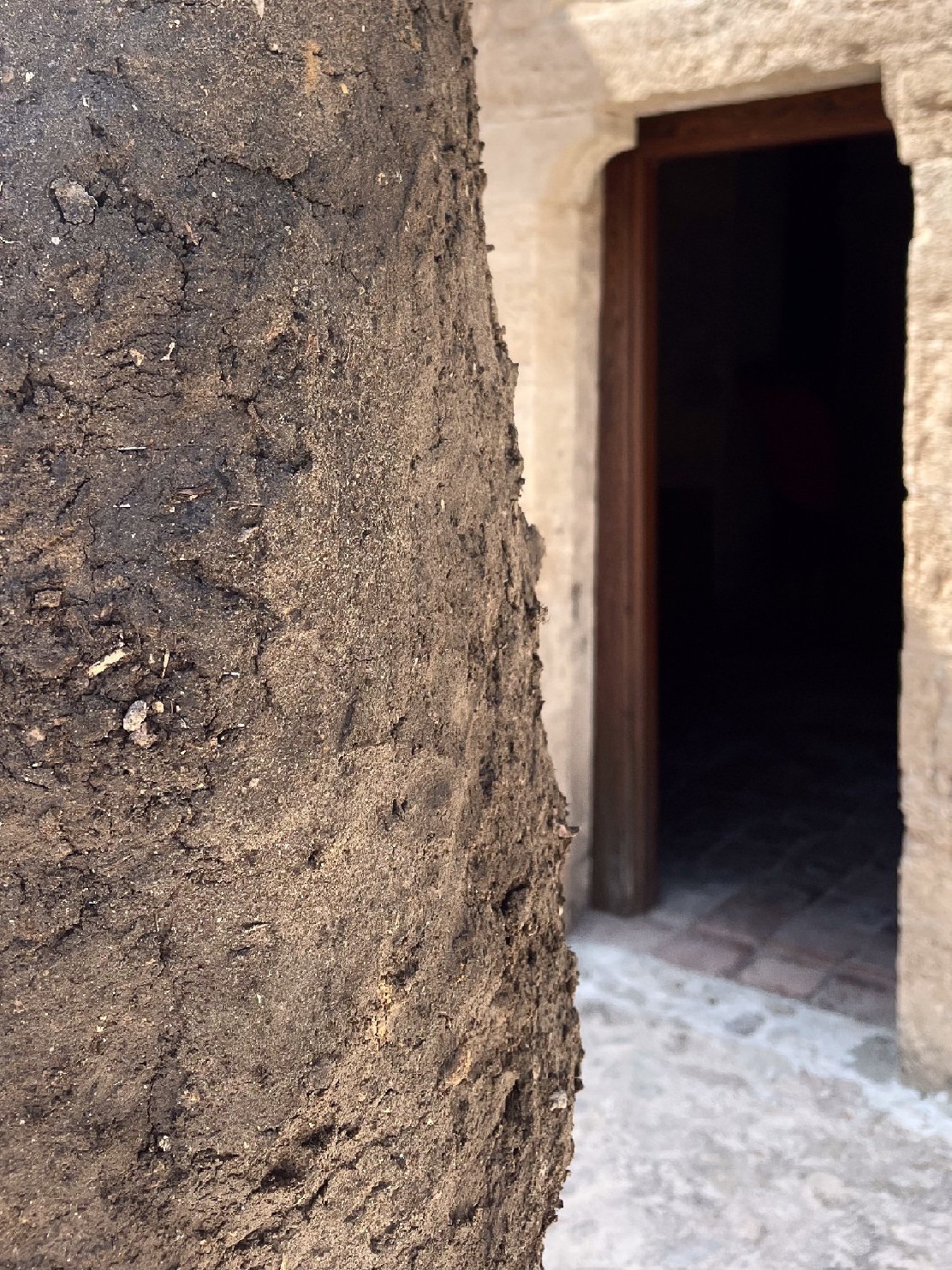
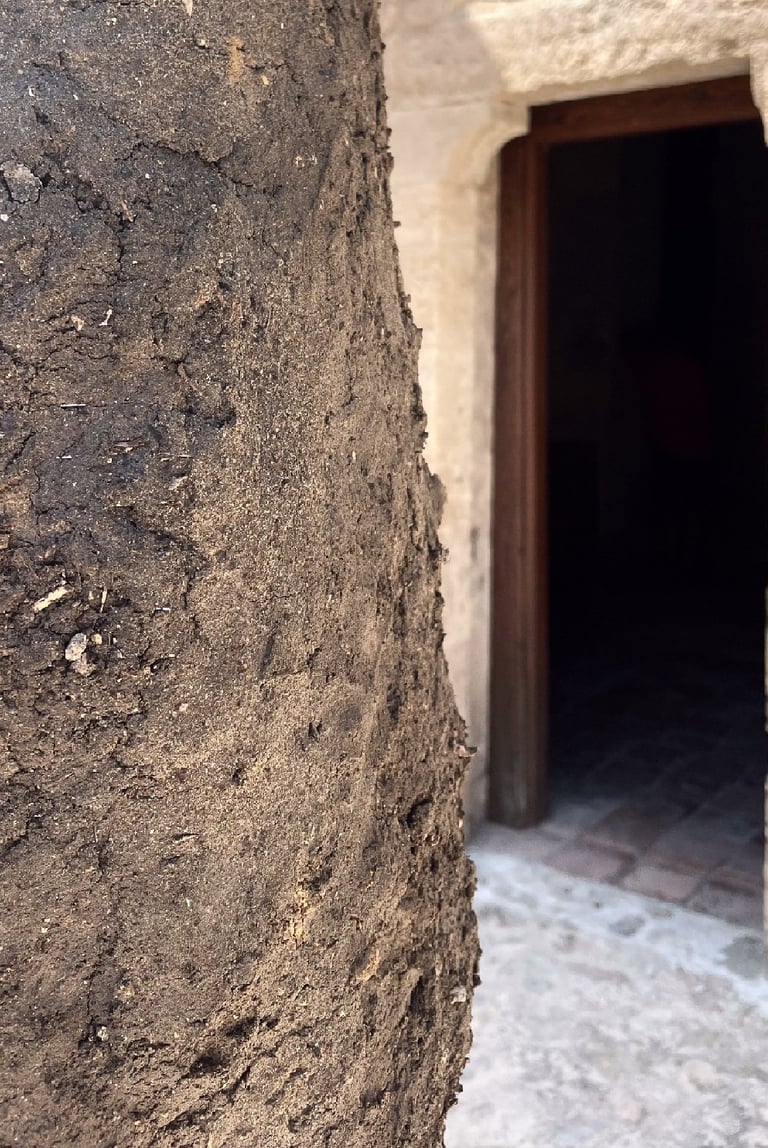
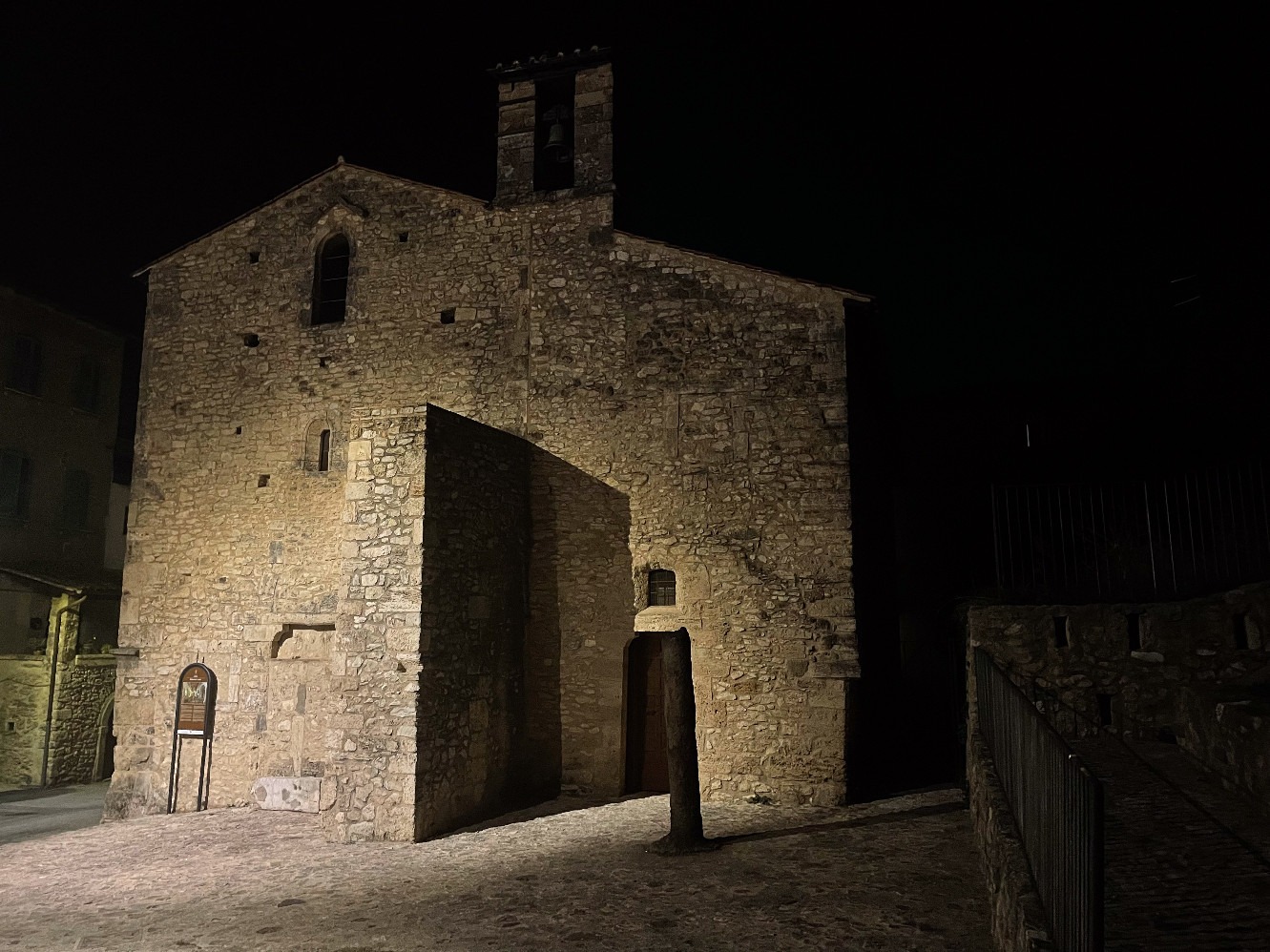
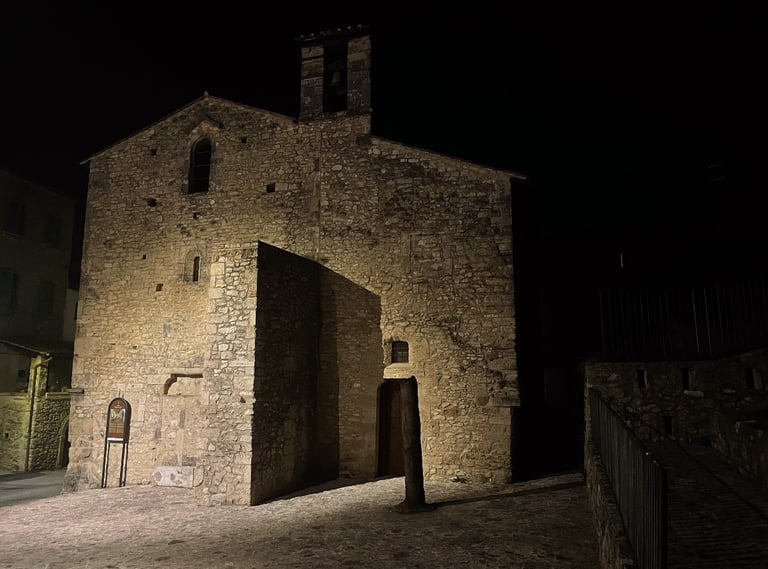
Verso casa, 2024, soil, 220 × 50 × 50 cm. Installation view at Chiesa di Santa Lucia, Ferentino. Courtesy the artist.
.
.
Verso casa, 2024, soil, 220 × 50 × 50 cm. Installation view at Chiesa di Santa Lucia, Ferentino. Courtesy the artist.
.
Verso casa, 2024, detail, soil, 220 × 50 × 50 cm. Courtesy the artist.
.
.
Verso casa, 2024, soil, 220 × 50 × 50 cm. Installation view at Chiesa di Santa Lucia, Ferentino. Courtesy the artist.
Verso casa, 2024, soil, 220 × 50 × 50 cm. Installation view at Chiesa di Santa Lucia, Ferentino. Courtesy the artist.
.
Verso casa, 2024, detail, soil, 220 × 50 × 50 cm. Courtesy the artist.
.
.
Verso casa, 2024, soil, 220 × 50 × 50 cm. Installation view at Chiesa di Santa Lucia, Ferentino. Courtesy the artist.
.
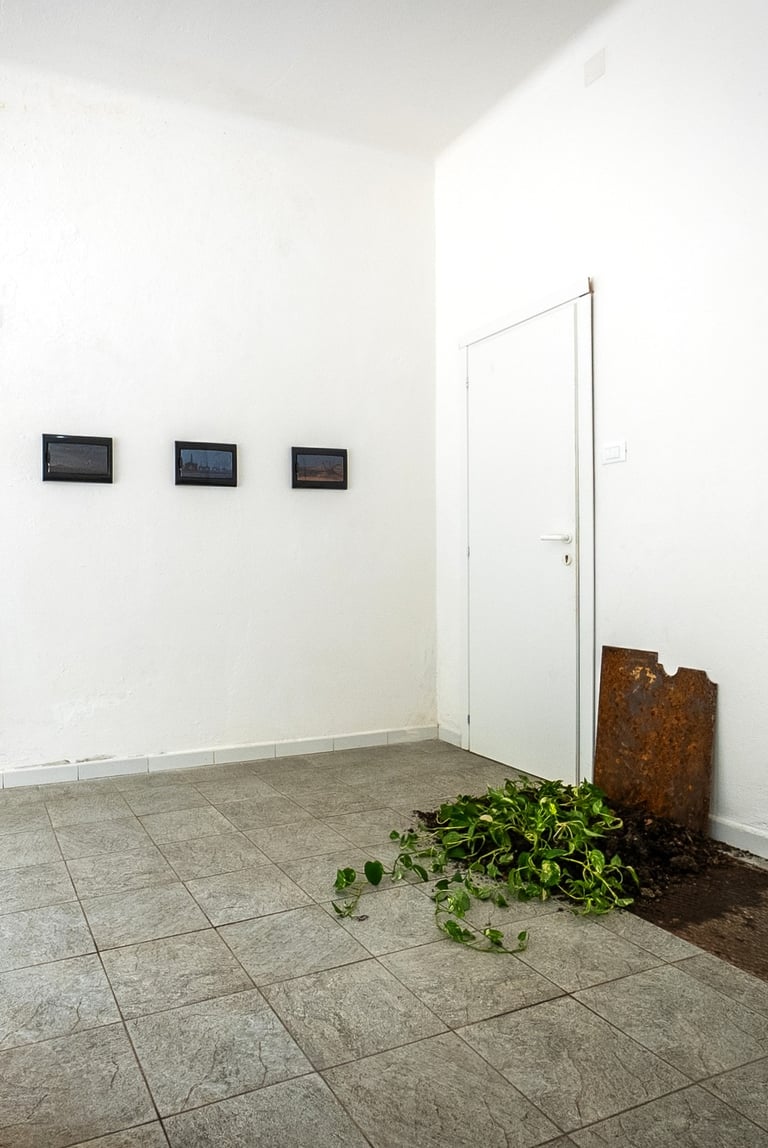
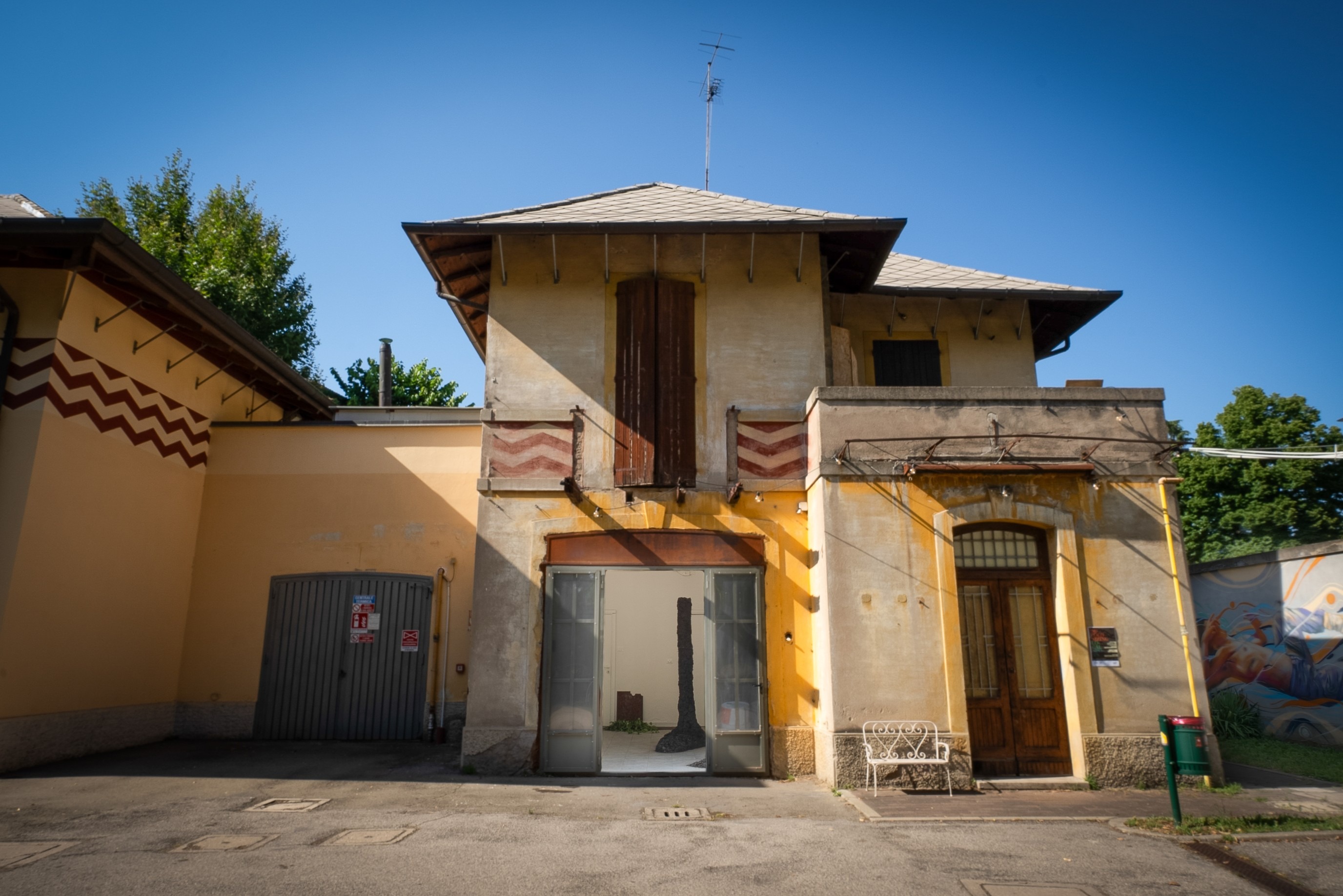
DECOLONIZING LOCAL SPOTS, curated by Carmen Lorenzetti, Opentour, Arco Iris R, Bologna.
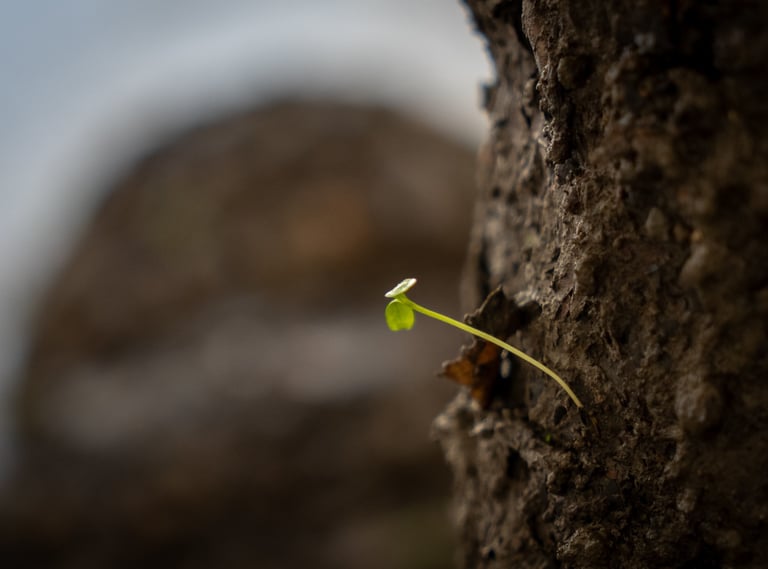
While we witness the destruction of entire ecosystems in the form of exploitation and appropriation of natural resources, in its artistic representation and media communication nature appears healthy, lush and fertile. The reversal between reality and aesthetisation aims to draw attention to the damage that the technocapitalist system is causing to the planet. The indefiniteness of the biological processes of transformation that characterise the exhibition reflects the unpredictability of the effects of the environmental crisis, but also the ambiguous position that human beings are taking in this regard. The installation in the exhibition was accompanied by several side events of conviviality and sociability such as DJ sets, an episode of the Burro podcast, a final workshop and performative happenings in which sprouts and mushrooms grown spontaneously from the soil were donated to visitors.
.
Decolonizing Local Spots, 2024, detail, mixed media, variable dimensions. Courtesy the artist. Photo Luca Rubertà.
.
.
Decolonizing Local Spots, 2024, detail, mixed media, variable dimensions. Courtesy the artist. Photo Luca Rubertà.
.
.
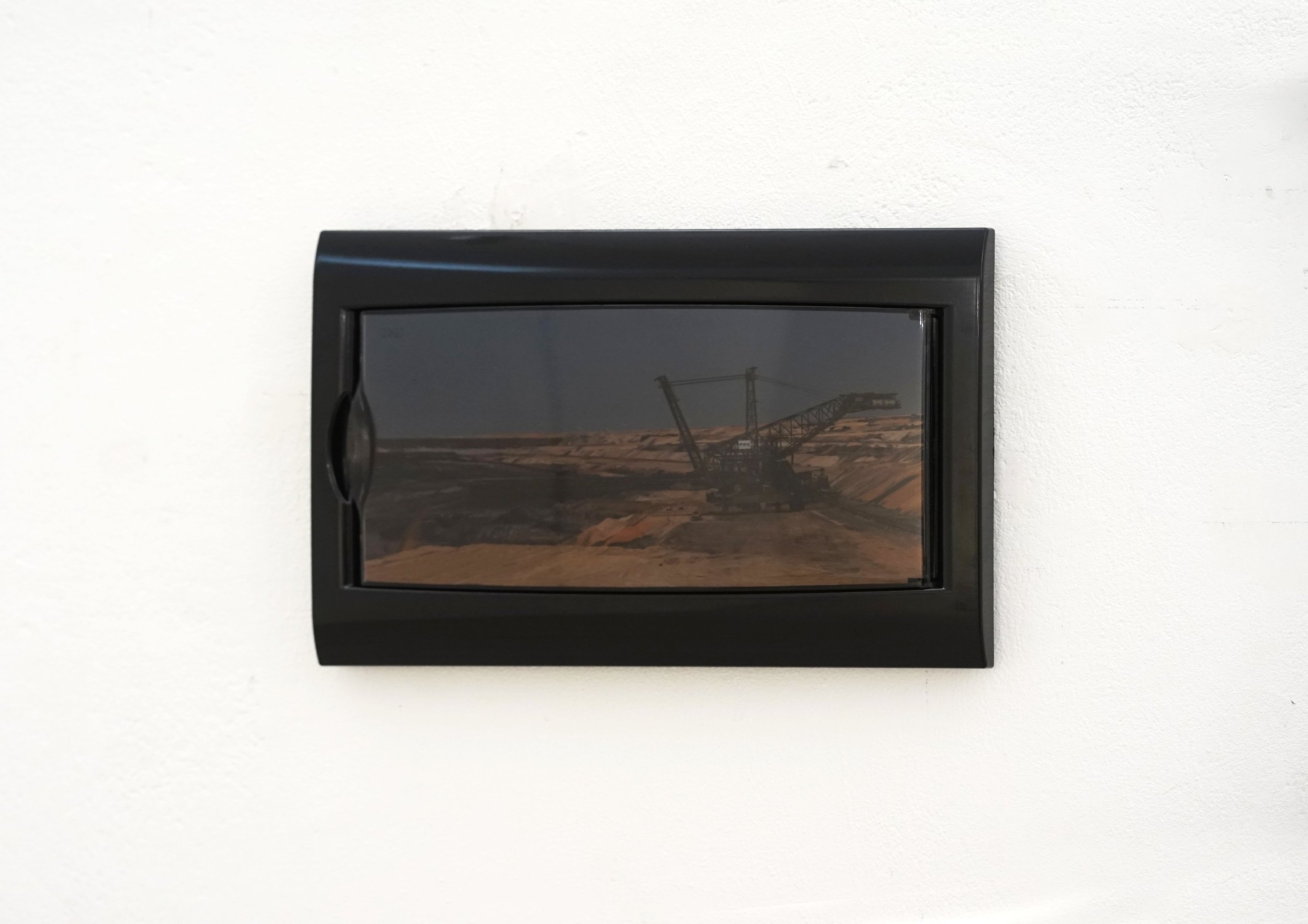
Dark Media, 2024, recessed electrical panel, pigment print, 21,5 × 32 × 3 cm. Courtesy the artist. Photo Luca Rubertà.
.